Why Meowdoku Has Become the Latest Viral Mobile Puzzle Phenomenon Despite Monetization Friction


The mobile gaming landscape on Android and iOS platforms has long been dominated by hyper-casual puzzle games designed to offer quick dopamine hits and low-friction cognitive engagement. Among recent releases, Meowdoku—developed by Oakever Games—has emerged as a viral sensation, capturing the attention of puzzle enthusiasts and casual gamers alike through social media virality on platforms such as TikTok, Instagram, Reddit, and YouTube. By blending the foundational logical framework of traditional Sudoku with charming feline aesthetics and color-matching mechanics, the title has successfully carved out a distinct niche in a crowded app marketplace. However, its meteoric rise in popularity has also brought to light significant friction points regarding modern mobile game monetization, particularly the lack of a paid, ad-free option for dedicated users.
Origins and Core Mechanics: A Feline Evolution of Classic Logic
To understand Meowdoku’s appeal, one must examine its deviation from standard numerical grid puzzles. Traditional Sudoku, originating in the late 19th century and popularized globally in the 1980s, requires players to populate a 9×9 grid with numbers from one to nine, ensuring that each row, column, and smaller sub-grid contains every number exactly once. Meowdoku retains this core deductive reasoning requirement while stripping away numeric values entirely.
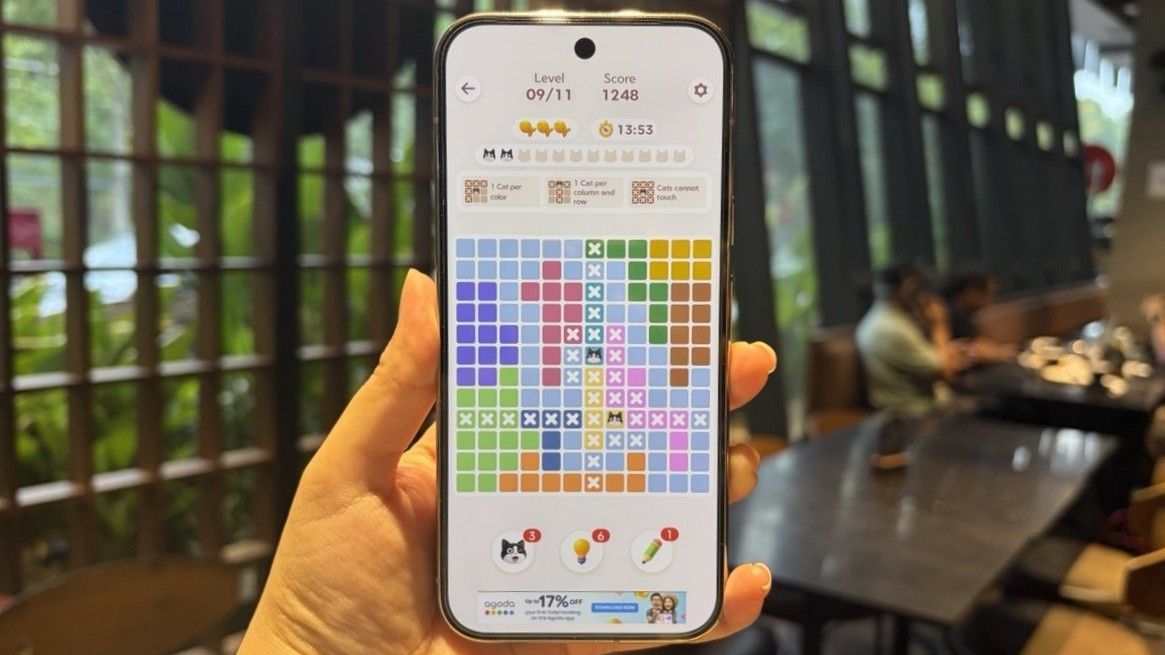
Instead of numbers, players interact with a grid populated by color-coded cats. The game operates under three fundamental rules:
- Each row and column must contain exactly one cat.
- Each designated color must be represented only once per relevant structural constraint.
- Cats cannot be positioned in immediately neighboring blocks.
These constraints transform standard arithmetic deduction into a visually engaging spatial reasoning challenge. Players are tasked with placing up to ten cats per level while navigating a strict "three-strike" failure system, where three erroneous placements forfeit the round and require a restart. To assist users through increasingly difficult configurations, the game provides a limited hint system, replenishable through in-game progression or by engaging with rewarded video advertisements. In addition to sequential level progression, the application features daily challenges designed to maintain player retention over extended periods.
The Virality Factor and Cross-Platform Momentum
Meowdoku’s ascent into mainstream consciousness was not driven by traditional publisher marketing campaigns, but rather by organic, peer-to-peer discovery. Across digital communities, users frequently report encountering aggressive algorithmic ad placement across social media feeds. Rather than deterring potential players, this saturation paradoxically fueled curiosity, prompting widespread trial downloads.
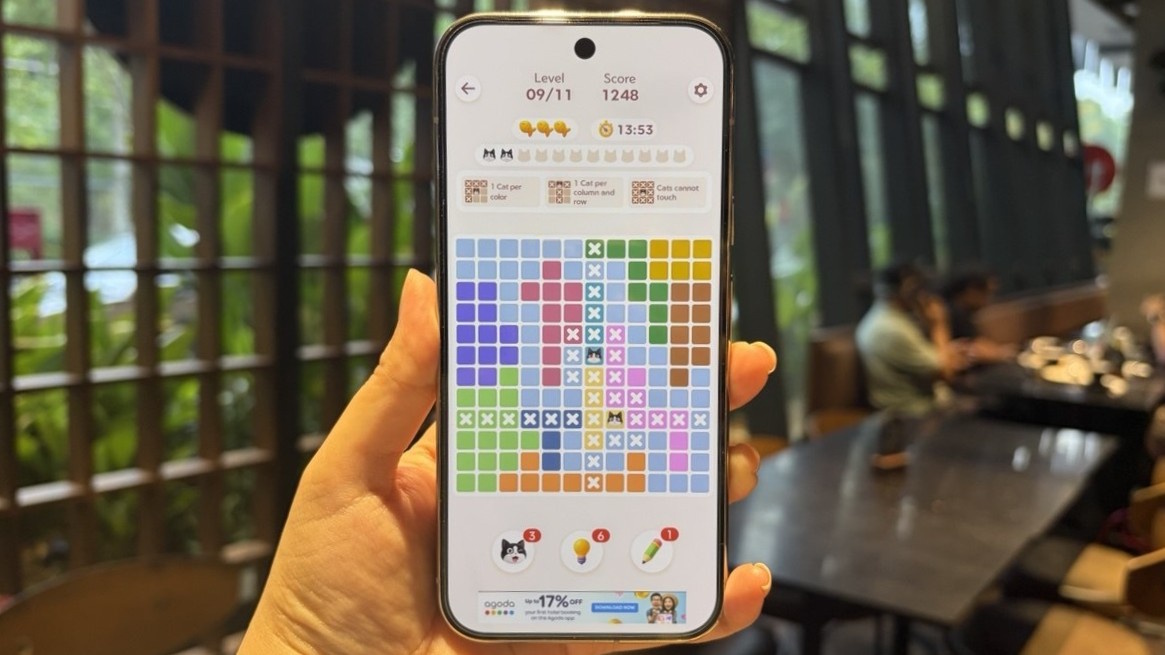
Digital anthropologists and mobile gaming analysts note that games requiring sorting, categorization, and systematic puzzle dissolution—often categorized under "calming" or "overstimulation-relief" apps—saw a marked surge in post-pandemic download trends. Commuters, office workers, and students increasingly utilize these applications for brief, low-stakes cognitive diversion. By substituting austere numbers with expressive feline avatars, Meowdoku successfully lowered the psychological barrier to entry for individuals who might otherwise find traditional Sudoku intimidating or dry. Consequently, many long-time adherents of classic number puzzles have reported replacing conventional applications entirely in favor of the feline variant.
Monetization Challenges and Consumer Friction
Despite its successful gameplay loop, Meowdoku has encountered substantial consumer criticism regarding its monetization architecture. The title relies primarily on an ad-supported revenue model, interspersing mandatory video advertisements after nearly every completed level.
A central point of contention among the user base is the complete absence of a microtransaction tier or a one-time in-app purchase to permanently disable advertisements. Industry observers have pointed out this omission as a missed commercial opportunity for Oakever Games. In contemporary mobile gaming, a freemium model that offers a "remove ads" upgrade typically captures revenue from high-engagement users willing to pay for uninterrupted gameplay, while continuing to monetize casual users via impressions.

The lack of this option has sparked widespread discourse on public forums like Reddit and community-driven video platforms. Dedicated players have actively sought workarounds—such as offline play or DNS-level ad blocking—to bypass what many describe as "ad purgatory." This widespread user frustration underscores a broader friction point in the hyper-casual gaming sector, where aggressive ad frequency can occasionally alienate the most loyal segment of a game’s community.
Industry Implications and Future Outlook
The trajectory of Meowdoku offers broader insights into the current state of casual mobile game development. It demonstrates that classic puzzle mechanics, when repackaged with appealing art direction and intuitive interface design, retain immense commercial and cultural viability. At the same time, it highlights the growing consumer demand for transparent and flexible monetization practices.
As Oakever Games evaluates the long-term roadmap for Meowdoku, industry analysts suggest that introducing an ad-free purchase tier could stabilize user retention and capture untapped revenue from a passionate, highly engaged player base. Until such structural updates are deployed, the title remains a compelling case study in modern app virality: a finely tuned cognitive challenge that successfully captivates its audience, even as those users navigate the persistent friction of contemporary mobile advertising models.