Modded Map Imports Dark Souls 2’s Frozen Eleum Loyce Into Elden Ring Nightreign

Modding communities continue to push the boundaries of FromSoftware’s titles, bridging gaps between classic entries and modern releases. In the latest notable crossover project, modder Doneda has successfully ported Dark Souls 2’s iconic Frozen Eleum Loyce and the notoriously treacherous Frigid Outskirts as a fully playable, standalone map into Elden Ring Nightreign. Released via Nexus Mods accompanied by a dedicated showcase trailer on YouTube, the project demonstrates both the technical capabilities of modern modders and the enduring legacy of FromSoftware’s most divisive title. This ambitious creation arrives at a time when official updates for Elden Ring Nightreign have seemingly slowed, leaving the community to rely on custom content to sustain player engagement.
Main Facts and Project Overview
The newly released modification grafts the frozen expanse of Eleum Loyce directly into Elden Ring Nightreign. Unlike simple texture replacements or minor asset swaps, this project introduces a complete environment, meticulously adapted to function within the architectural and mechanical framework of Nightreign. The map features the sprawling walled city alongside the wide-open, blizzard-swept expanses of the Frigid Outskirts, masterfully recontextualized to mimic the mini-open-world design philosophy found in regions like Limveld.
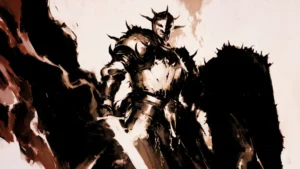
One of the standout design choices in Doneda’s port is the repositioning of the circle narrows to encircle the underground chaos arena—the historic battleground where players face the Burnt Ivory King. This spatial rearrangement alters the original flow of the level, offering returning players a fresh tactical challenge while retaining the aesthetic and atmospheric dread that defined the Crown of the Ivory King DLC. To experience the map, players must utilize Mod Engine 3, the standard utility required for virtually all complex modifications in Elden Ring Nightreign.
Chronology of FromSoftware’s Content and Modding Evolution
The journey from Dark Souls 2’s initial release to the current modding landscape of Elden Ring Nightreign spans over a decade of technological evolution within FromSoftware’s game engines.
- March 2014: Dark Souls 2 launches to critical acclaim, though it immediately sparks division among fans due to its mechanical deviations from its predecessor, particularly regarding movement, level design, and hitboxes.
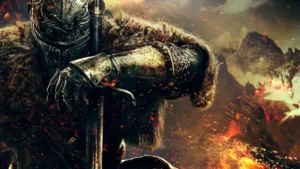
- July–September 2014: The release of the Lost Crowns trilogy—Crown of the Sunken King, Crown of the Old Iron King, and Crown of the Ivory King—widely shifts public perception. The DLCs are celebrated for their intricate level design and challenging encounters, with Eleum Loyce standing out as a masterclass in atmospheric storytelling.
- February 2022: Elden Ring launches, establishing a new open-world benchmark for the studio and expanding its player base exponentially.
- Subsequent Years: Modders steadily reverse-engineer FromSoftware titles. Creators like Doneda gain recognition for unearthing and restoring cut content, such as Dark Souls 2’s enormous abandoned sewers map.
- Present Day: Following the rollout of Elden Ring expansion content and subsequent multiplayer updates like the Deep of Night patch, active official support tapers off as FromSoftware pivots toward future projects, including The Duskbloods. Concurrently, community modders step in to maintain momentum through comprehensive map ports and cooperative expansions.
Supporting Data and Context: The Significance of Eleum Loyce
To understand the weight of Doneda’s modification, one must examine the historical context of Dark Souls 2’s downloadable content. While the base game received mixed reviews for its pacing and world connectivity, the Lost Crowns trilogy is frequently cited by critics and developers alike as a pinnacle of action-RPG level design. The leap in quality between the vanilla campaign and its expansions remains one of the most substantial structural improvements in modern gaming history.
Frozen Eleum Loyce, in particular, introduced mechanics that dynamically altered the environment, such as melting ice and uncovering hidden pathways by defeating the Ivory King’s loyal knights. Translating this verticality and vast open space into Elden Ring Nightreign represents a significant technical hurdle. Traditional Dark Souls 2 environments rely on linear progression and tightly controlled sightlines, whereas Nightreign demands maps that accommodate fluid, multi-directional combat and rapid traversal. Doneda’s successful adaptation bridges these contrasting design philosophies, proving that older environmental assets can find a second life in newer engines.
Broader Impact and Community Implications
The release of the Eleum Loyce map highlights a broader trend within the Soulsborne community: the reliance on fan-driven content to extend the lifespan of multiplayer titles. Elden Ring Nightreign experienced a surge of renewed interest following its Deep of Night update, which introduced complex boss encounters that challenged veteran players. However, as FromSoftware shifts its development focus toward upcoming titles like The Duskbloods, official content pipelines have grown quiet.
In the absence of corporate expansion, community developers have stepped into the void. Projects like Yui’s expanded Seamless Co-op mod—which accommodates up to six players—and TerraMag’s weapon overhaul mods, which introduce gear from Shadow of the Erdtree and Dark Souls 3, demonstrate a thriving ecosystem of player-led preservation and expansion. These modifications not only inject fresh variety into the gameplay loop but also address long-standing community desires that were never officially fulfilled.
Fact-Based Analysis of Implications
The proliferation of advanced map ports like Doneda’s Eleum Loyce signals a maturing modding scene capable of cross-generational asset integration. From a technical standpoint, successfully importing geometry, collision data, and lighting parameters from a 2014 engine into a modern iteration of FromSoftware’s proprietary software requires profound reverse-engineering expertise.
For the gaming industry, such projects underscore the enduring value of robust modding communities. While developers naturally cycle through project lifecycles—moving from release to post-launch support and eventually onto new intellectual properties—modders ensure that games maintain active player bases years past their commercial expiration date. Whether Doneda’s ongoing work will inspire a broader movement of retro-map ports within the Elden Ring modding scene remains to be seen, but the current reception on Nexus Mods and YouTube indicates a strong, sustained appetite for historical crossovers within the dark fantasy genre.
Related posts: