The Ambitious Leap: Running AAA PC Games on ARM Android Devices with Valve-Backed FEX Technology


Over the past year, a discernible shift has been occurring within the PC gaming landscape. Faced with the enduring challenge of exorbitant component pricing, a growing segment of players is actively exploring alternative platforms and operating systems for their gaming needs. This pivot has been significantly catalyzed by the success of Valve’s Steam Deck, an x86-based handheld that has, in turn, inspired a new wave of similar portable gaming devices. While rumors suggest Sony is contemplating its own handheld entry, Valve itself has been quietly nurturing a broader hardware ecosystem, navigating the turbulent waters of ongoing DRAM and NAND pricing instability to push the boundaries of portable gaming.
A key component of Valve’s forward-looking strategy is their upcoming Steam Frame, a mixed-reality headset designed to leverage an ARM-based Snapdragon 8 Gen 3 chip. This choice marks a notable departure from the x86 architecture found in the four-year-old Steam Deck and its anticipated successor, the Steam Machine. Concurrent with this hardware development, Valve has been a consistent and significant financial contributor to an open-source translation layer known as FEX. This investment signals a strategic long-term vision for Valve, suggesting a future where their gaming ecosystem might extend far beyond x86 hardware.
Understanding FEX: The Bridge Between Architectures
At its core, FEX, or FEX-Emu, serves as a sophisticated binary translation layer. Its primary function is to interpret and convert raw x86 instructions, which are the native language of traditional PC games, into ARM64 instructions, the language understood by modern ARM processors. This intricate process is complemented by Proton, Valve’s compatibility layer, which handles the complex software and operating system-level translations, effectively bridging the gap between Windows APIs and the Linux environment that FEX operates within. When FEX and Proton work in concert, they create a powerful tandem capable of enabling ARM-based chips to execute a vast array of "full-fat" games typically housed within a user’s Steam Library.
The development of FEX, an open-source project, has been ongoing for several years, with Valve’s funding proving instrumental in its progress. This community-driven nature has fostered rapid innovation, leading to significant advancements. Over the last year, a key area of focus has been porting FEX to Android-based devices, a move that could unlock a massive new market for PC gaming. Several applications have emerged to facilitate this, such as GameNative, a polished open-source app that allows users to access their Steam Library and utilize FEX (and Proton) to run games on Android. Another, more contentious option, is GameSir’s Gamehub, a closed-source alternative that faced scrutiny in late 2025 due to concerns over its collection of sensitive user telemetry data. Consequently, prospective users are advised to conduct thorough research before committing to any specific application.
The advent of FEX on Android represents a significant technical feat. Historically, running software designed for one processor architecture on another has been a monumental challenge. Early attempts often involved heavy emulation, leading to significant performance penalties. FEX, however, aims for a more efficient binary translation, striving to minimize overhead and deliver a playable experience. This endeavor is part of a larger industry trend, with companies like Apple successfully transitioning their Mac lineup to ARM-based Apple Silicon using Rosetta 2, and Microsoft steadily advancing Windows on ARM. Valve’s involvement, therefore, places FEX squarely within a critical technological frontier, attempting to democratize PC gaming by decoupling it from a specific hardware architecture.
The Testbed: Pushing Android Hardware to its Limits
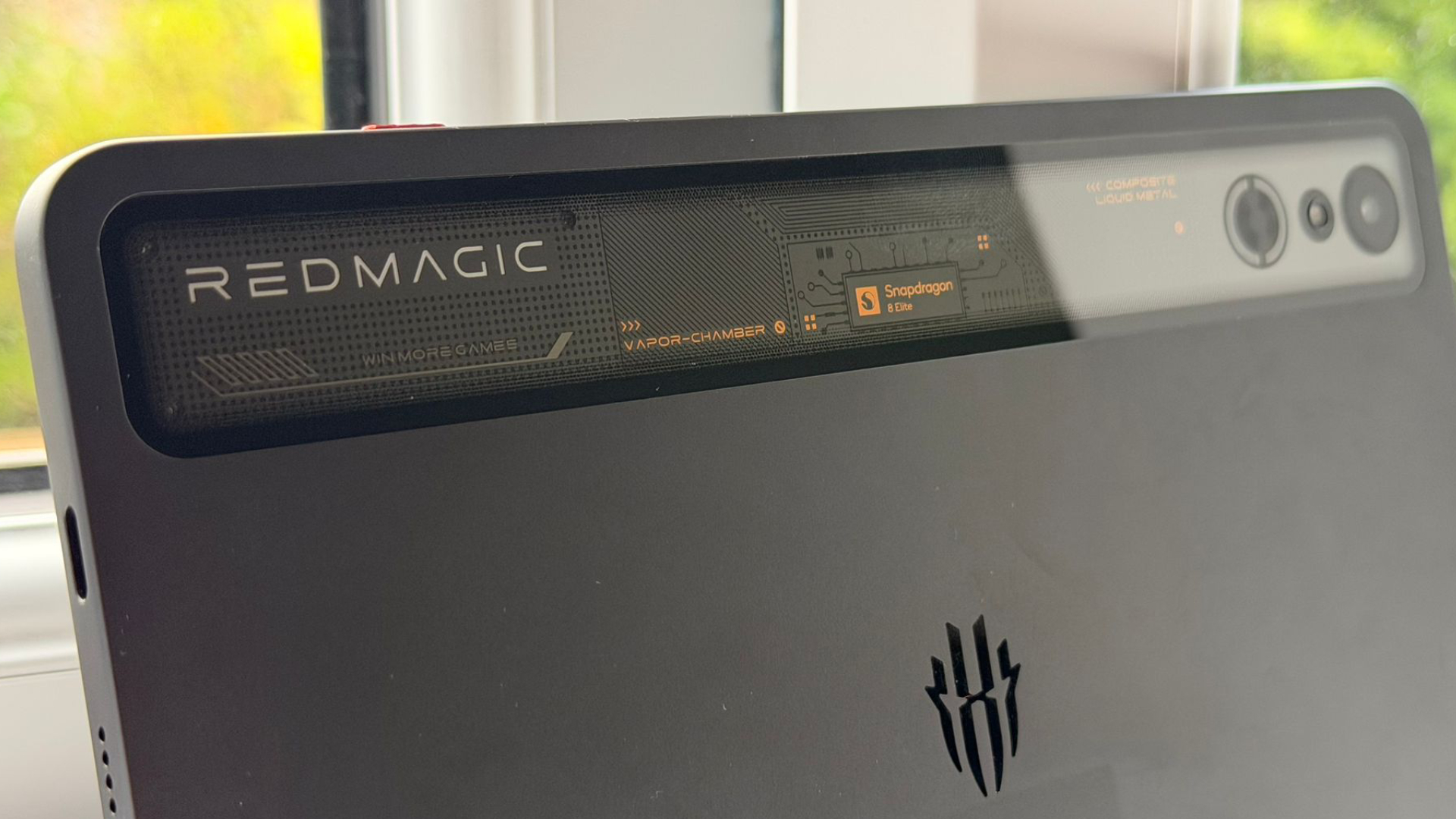
To gauge the current capabilities of FEX and its associated applications, a robust Android device is essential. Many standard Android smartphones and tablets simply lack the raw processing power and thermal management required to handle demanding x86-based AAA games, even with translation layers. For this assessment, a RedMagic Astra Gaming tablet was chosen. This particular device is a formidable piece of hardware, equipped with a Qualcomm Snapdragon 8 Elite Gen 4 SoC, an Adreno 830 GPU, and a generous 24 GB of LPDDR5T RAM. Crucially, the Astra also features active cooling, a rarity in smaller Android tablets, which is vital for sustaining performance during prolonged gaming sessions. It’s worth noting that the newer Snapdragon 8 Elite Gen 5 chips are beginning to appear in the Android ecosystem, though their availability, particularly in markets like the U.S., remains limited. With this powerful Android platform in hand, the goal was to rigorously test how well current portable ARM-based devices could handle demanding PC titles.
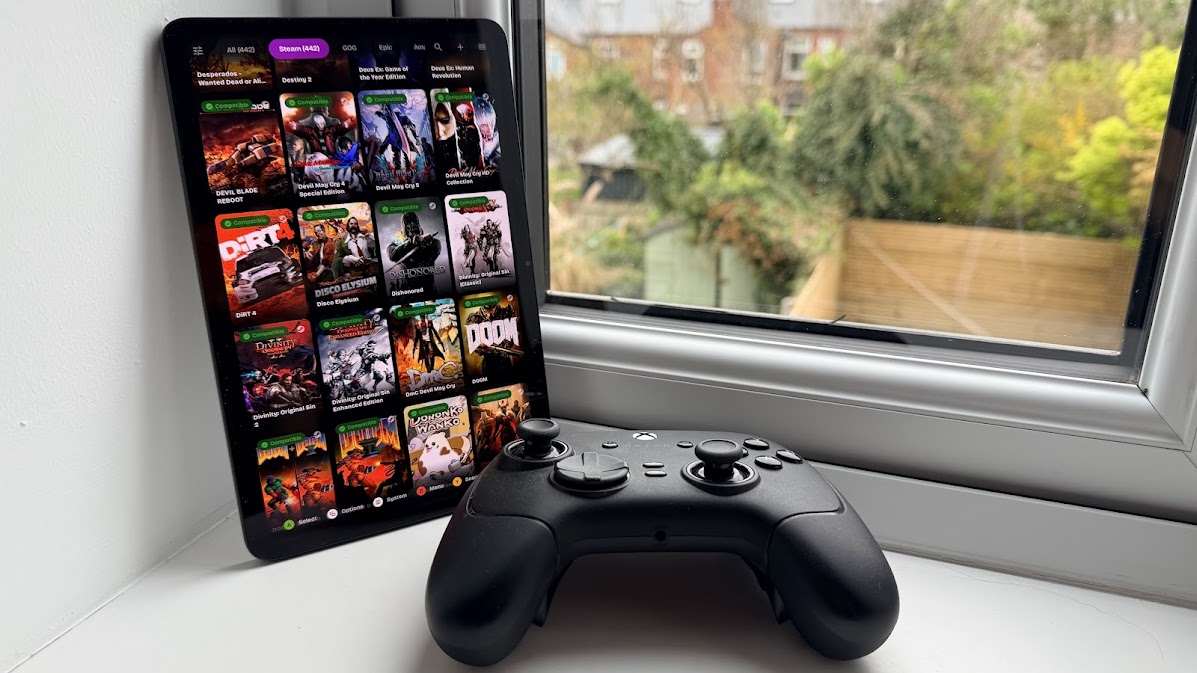
The setup process was relatively straightforward using GameNative. The application’s APK is readily available from its GitHub repository, and installation was uncomplicated. Upon launching the app, logging into a Steam account provided immediate access to the entire game library. The gamepad-friendly interface allowed for easy navigation and the selection of "Compatible" titles, providing an initial filter for games likely to perform well on the RedMagic Astra. For a comprehensive test, a selection of AAA titles known for their varying engine complexities and graphical demands was chosen: Cyberpunk 2077 (RED Engine), Clair Obscur: Expedition 33 (Unreal Engine 5), and Resident Evil 3 (RE Engine). While Resident Evil 3 is an older RE Engine title, its excellent optimization and widespread popularity made it a suitable benchmark given the reviewer’s Steam Library.
Testing Encounters: Stalled Boots and Playable Performance
The testing began with Cyberpunk 2077, a title renowned for its graphical intensity and open-world complexity. After installation, GameNative automatically attempted to configure the game and synchronize Steam Cloud data. This latter process, likely due to a substantial number of save files, took a considerable amount of time. However, despite the diligent download, the game failed to launch, crashing repeatedly. Extensive troubleshooting was required, involving tinkering with graphics drivers and various Proton versions, followed by a driver test to ensure compatibility. Eventually, Cyberpunk 2077 loaded. To prioritize a proof-of-concept over pushing the silicon to its absolute limit, all graphical settings were immediately set to low, with FSR 2 disabled. Upon attempting to load a save file in a dense urban area of Night City, the game consistently hung, rendering it unplayable. This outcome highlights the immense challenge of translating and running a modern, graphically complex open-world title like Cyberpunk 2077 on a nascent translation layer and mobile hardware. The RED Engine, while scalable, presents a formidable task for cross-architecture execution, especially when dealing with its intricate rendering pipelines and vast asset streaming.
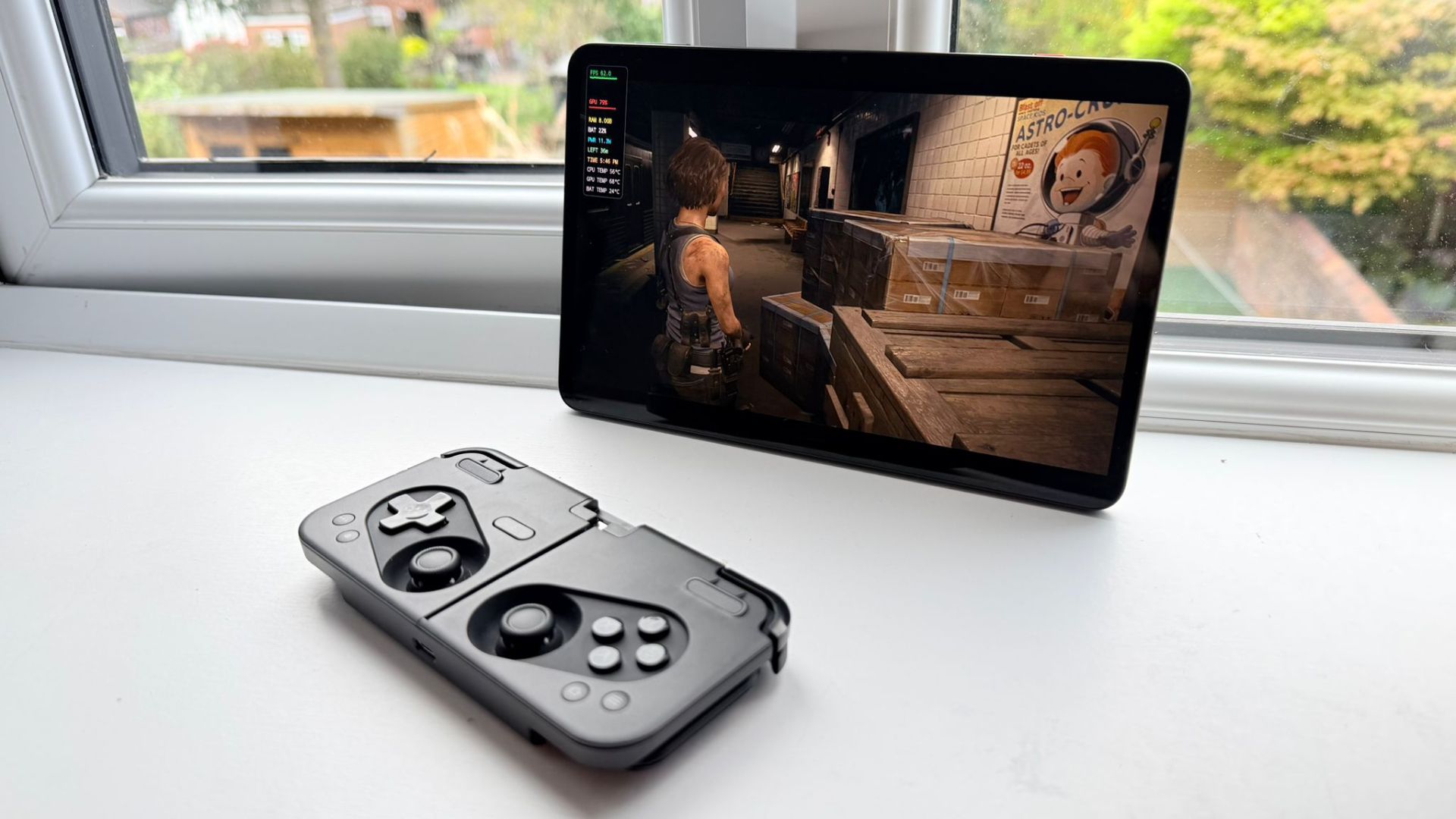
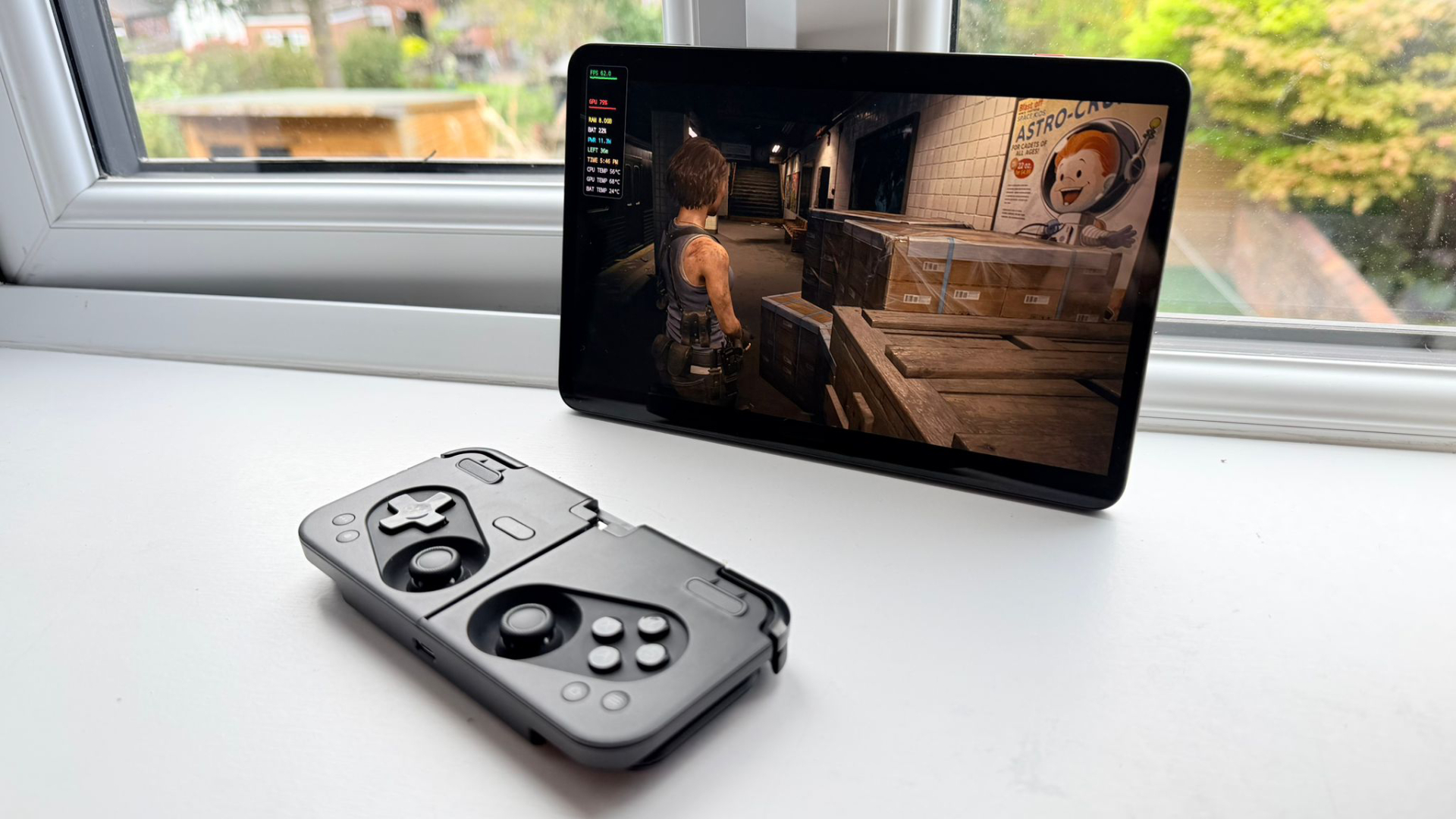
In stark contrast, Resident Evil 3 offered a remarkably smoother experience. Running the title at 720p with settings optimized for performance, and with the application granted full access to the RedMagic Astra’s ample RAM, the introductory segments of the game were played with minimal issues. This result aligns with the RE Engine’s reputation for excellent scalability across various hardware configurations, particularly for more linear, contained experiences like Resident Evil 3. The game maintained a steady 40-60 frames per second (FPS) through most of the initial gameplay. Only during more visually demanding scenes, characterized by multiple light sources and intensive particle effects, did the frame rate dip to lows of around 27 FPS. While not a perfectly smooth 60 FPS, this performance is certainly playable for a single-player title, demonstrating a significant achievement for FEX. When switching to the "Prefer Graphics" preset, also without upscaling, the game maintained a respectable 25-42 FPS range. Critically, the visual fidelity remained high, avoiding the "vaseline filter" effect often seen in heavily optimized mobile ports or cloud streaming.
The third title, Clair Obscur: Expedition 33, powered by Unreal Engine 5, proved to be the most challenging. Getting it to even boot required setting the absolute lowest internal resolution and selecting specific drivers. Once in-game, a glaring issue immediately became apparent: image quality was severely compromised. The selected graphics driver, along with all other combinations attempted, failed to render Clair Obscur correctly. Textures were completely corrupted, and entire environmental assets were missing, rendering the game an unplayable mess. Measuring performance under such conditions would have been futile. This stark failure underscores the extreme complexity of modern game engines like Unreal Engine 5 when confronted with a multi-layered translation stack.
The Fractured Configurations and Driver Dilemma
The highly variable performance across these titles stems from a confluence of factors, primarily the inherent differences in game engines and the underlying graphics driver support. Each game engine, be it CD Projekt Red’s RED Engine, Capcom’s RE Engine, or Epic Games’ Unreal Engine 5, possesses a unique architecture, rendering pipeline, and demands on system resources. While the RED Engine has shown impressive scalability on platforms like the Steam Deck and even the Nintendo Switch 2 (the latter via cloud streaming or potential native ports), its performance on the RedMagic Astra via FEX did not yet match the image quality or stability of these dedicated platforms.
Unreal Engine 5, as demonstrated by Expedition 33‘s unplayable state, presents an especially complicated challenge. Its advanced features, such as mesh shaders and a highly sophisticated DirectX12 implementation, demand precise and efficient handling by the graphics pipeline. The combination of the CPU translation layer (FEX) and the DirectX12 to Vulkan translation layer (VKD3D-Proton) creates an incredibly complex stack of operations. When these graphical pipelines become as intricate as those in a modern UE5 title, any minor incompatibility or inefficiency in the translation process can lead to catastrophic rendering failures. The mesh shaders, for instance, represent a paradigm shift in how geometry is processed, and their correct translation across architectures and APIs is a significant hurdle.
In contrast, Resident Evil 3‘s RE Engine utilizes a comparatively lighter and cleaner implementation of DirectX12. This simpler pipeline is inherently easier for translation layers to manage. Furthermore, Resident Evil 3 offers the option to launch with the DirectX 11-based DXVK (DirectX to Vulkan translation), which is generally less complex for translation layers to handle than the more demanding VKD3D for DirectX 12. This flexibility, albeit requiring access to a legacy beta branch of the game, provides a crucial workaround that significantly enhances compatibility and performance.
Worsening this fractured configuration landscape is the reliance on community-developed graphics drivers. The Android ecosystem for enthusiast-level gaming often depends on custom "Turnip" drivers. These drivers, based on the open-source Linux Mesa project, are designed to patch and extend Vulkan capabilities, actively reverse-engineering and implementing features that are still being developed. However, these crucial optimizations are often overlooked by official Qualcomm system drivers, which are closed-source and primarily optimized for mobile applications and games. The result, as painfully evident in Clair Obscur: Expedition 33, is that when Turnip drivers encounter the complex shader pipelines of Unreal Engine 5, the GPU driver can fail to render geometry correctly, even if the game manages to boot.
This dichotomy highlights a fundamental challenge: Qualcomm’s mobile chips were originally designed and optimized for mobile apps and native Android games. Integrating support for desktop-level Vulkan instructions, which are critical for running translated PC games, was simply not a primary consideration during their development. Consequently, while simpler titles like Slay the Spire or Hollow Knight: Silksong can run demonstrably stably using FEX and apps like GameNative, more graphically intensive, "big-budget" modern experiences struggle immensely due due to this driver gap.
Broader Impact and Future Implications
Valve’s strategic investment in FEX and its integration into their future ARM-based hardware, like the Steam Frame, signals a long-term commitment to broadening the accessibility of PC gaming. This initiative, if successful, has the potential to profoundly impact the gaming industry.
Democratization of PC Gaming: The ability to run a significant portion of a Steam library on highly portable and increasingly powerful ARM Android devices could democratize PC gaming. It could lower the barrier to entry, making high-fidelity experiences accessible on more affordable and versatile hardware, moving beyond traditional desktop PCs or even dedicated x86 handhelds.
Intensified Competition in Handheld and Mobile Markets: The maturation of FEX could significantly intensify competition within the handheld gaming market. It would offer a compelling alternative to dedicated x86 PC handhelds like the Steam Deck and its rivals, as well as to native mobile gaming platforms. If Android tablets and phones can effectively run PC games, it could blur the lines between mobile and traditional PC gaming, potentially pushing both segments to innovate further.
Evolution of the Software Ecosystem: This push could also encourage game developers to consider cross-architecture compatibility more actively in their development pipelines, or it could spur the creation of even more robust and efficient translation layers. A future where games are developed with ARM compatibility in mind from the outset would mitigate many of the current challenges.

Qualcomm’s Strategic Considerations: While Qualcomm’s current drivers are geared towards mobile, the growing traction of Windows on ARM and the potential of FEX could prompt the company to re-evaluate its driver strategy. To truly capitalize on the work being done by the FEX team and to cement their position in a burgeoning cross-platform gaming market, Qualcomm-based chips will eventually need to offer similar levels of driver support and optimization as desktop graphics drivers. The likelihood of this happening on a large, official scale is currently slim, but market pressures and Valve’s continued influence could shift this in the long term.
Challenges Ahead and the Road to Mainstream Adoption: The current state of FEX, while impressive, still faces significant hurdles before it can be considered a mainstream feature. The core issues revolve around driver maturity, particularly the official support from chip manufacturers like Qualcomm for desktop-level Vulkan extensions and complex shader models. The reliance on community-developed "Turnip" drivers, while heroic, introduces a layer of inconsistency and potential instability that is unsuitable for a mass-market product. Furthermore, the sheer variety of Android devices and their varying hardware configurations (SoC, GPU, RAM, cooling solutions) presents a fragmented landscape that is difficult to optimize for universally.
Ultimately, FEX is an ongoing, evolving project. Major miracles in driver support and seamless compatibility across all game engines are not likely to happen overnight. The efforts of FEX-Emu and its complex, layered translation to get x86 titles running on ARM are undeniably impressive, showcasing a glimpse into a very exciting future. However, for now, the vision of taking one’s entire Steam Library on the go with an Android device remains largely an enthusiast-driven endeavor. Until the rougher edges, such as robust official driver support, engine-specific optimizations, and a truly seamless user experience, are smoothed off for end-users, FEX is not yet ready to be a headline feature in a mainstream product. For many, until the entire software pipeline has matured, their powerful Android tablets will likely remain sophisticated tools for mobile-native apps, perhaps relegated to being very fancy comic-book readers, awaiting the full realization of this cross-platform gaming dream.