Apple iPhone Duo 3D Model Goes Live Offering Early Virtual Inspection Ahead of October Pre-Orders Alongside iPhone 18 Pro Lineup Updates


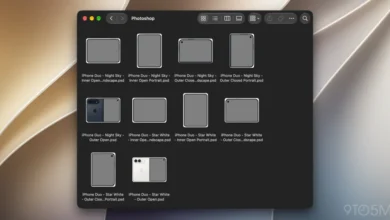
Consumers eager to experience Apple’s anticipated foldable device offerings will likely find physical display units absent from retail storefronts prior to the commencement of pre-orders scheduled for mid-October. However, prospective buyers now have access to an interactive digital alternative. Through a collaborative effort with 3D modeling partner Binkies3D, detailed virtual simulations of the newly announced Apple iPhone Duo have been published online, allowing technology enthusiasts to examine the hardware in a simulated three-dimensional environment well ahead of its official retail debut.
This digital rendering provides users with an immersive preview of the device’s form factor, mechanics, and visual aesthetics. By interacting with the integrated user interface—specifically a designated control toggle positioned beneath the zoom function—users can dynamically open and close the device. This functionality simulates the folding mechanism, offering a clear depiction of the smartphone’s physical footprint and screen continuity in both its folded and unfolded configurations. Furthermore, the interactive model incorporates color-swapping capabilities, enabling viewers to select specific finish names to evaluate the physical device across its available color palettes.
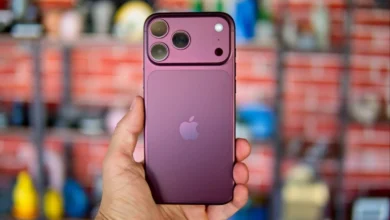
Beyond the iPhone Duo, the digital database has also been updated to include comprehensive 3D models for the mainstream flagship lineup, specifically the Apple iPhone 18 Pro and the Apple iPhone 18 Pro Max. While these traditional slate-form factor devices introduce fewer radical mechanical changes compared to their foldable counterpart, the 3D models highlight subtle design evolutions. Most notably, observers utilizing the digital database can inspect the refined, slightly smaller pill-shaped housing cutout designed to accommodate the Face ID sensor array and the front-facing FaceTime camera. Additionally, the models showcase the introduction of a striking new Burgundy color option, which serves as a primary visual differentiator for the 2026 iteration.
To assist consumers in evaluating these incremental physical changes, the platform features a side-by-side comparison tool. By placing the newly introduced iPhone 18 Pro Max directly adjacent to its predecessor, the iPhone 17 Pro Max, users can visualize the marginal reduction in the size of the pill-shaped cutout. Industry observers note that aside from this modest sensor housing adjustment and the addition of the Burgundy finish, the exterior chassis design maintains strong continuity with previous generations, meaning the new colorway will likely serve as the most prominent identifier for the latest hardware generation.
Release Timeline and Availability
The release schedule for Apple’s latest hardware portfolio spans multiple weeks across September and October, establishing a staggered rollout strategy for its traditional flagships and its foldable category entrant.
The traditional flagship devices, comprising the iPhone 18 Pro and the iPhone 18 Pro Max, have followed a rapid commercial timeline. Following their official unveiling, pre-orders for both models commenced swiftly, paving the way for official retail availability and in-store stock fulfillment scheduled for Friday, September 18. Consumers opting for these conventional high-end smartphones will receive their devices or find them available for immediate purchase at physical Apple Store locations on this release date.
Conversely, the Apple iPhone Duo follows a more protracted deployment schedule. Official pre-orders for the much-discussed foldable device are slated to begin on Friday, October 16. Following a brief pre-order window, the physical availability and retail launch of the iPhone Duo will follow a week later, hitting store shelves and shipping to consumers on October 23. This staggered release ensures that manufacturing and supply chain logistics can independently support the traditional slab-phone demand surge in September before handling the specialized assembly demands of the foldable Duo in October.
Context of the Event and Industry Evolution
The introduction of the Apple iPhone Duo represents a significant strategic milestone for the Cupertino-based technology conglomerate. For years, industry analysts and consumers closely monitored the unfolding market for foldable smartphones, a category pioneered and heavily expanded by competitors such as Samsung, Google, and various Chinese manufacturers including Huawei, Honor, and Xiaomi. While competitors spent several generations refining hinge durability, crease reduction, and software optimization for dual-screen and folding form factors, Apple maintained a more conservative developmental stance, prioritizing hardware maturity and ecosystem readiness before entering the foldable arena.
The launch of the iPhone 18 Pro and iPhone 18 Pro Max concurrently highlights Apple’s ongoing refinement of its core product philosophy. By focusing on micro-architectural improvements—such as the millimeter-scale reduction of the Face ID and camera pill cutout—Apple continues to incrementally shrink the physical intrusion on the display surface. This pursuit of edge-to-edge screen real estate reflects broader smartphone industry trends, where generational updates are frequently defined by internal processing leaps, energy efficiency gains, and subtle cosmetic enhancements rather than sweeping structural overhauls.
Supporting Data and Comparative Hardware Metrics
The integration of 3D digital assets into pre-launch consumer research reflects a broader shift toward augmented and virtual evaluation tools within the consumer electronics sector. As supply chain constraints and localized launch events frequently restrict the availability of early hardware demonstration units, digital modeling bridges the information gap between corporate announcement events and actual retail availability.
Data extracted from the Binkies3D database indicates robust digital engagement with foldable device models prior to launch periods. Historically, consumer interest in folding mechanisms centers on three critical structural metrics: hinge closure tightness, overall thickness when folded, and weight distribution. While static two-dimensional product photography often fails to convey the ergonomic reality of a folding device, interactive 3D simulations allow users to calculate visual dimensions and assess bezel symmetry from 360 degrees.
In the case of the iPhone 18 Pro series, comparative data derived from side-by-side digital modeling confirms that the chassis dimensions remain largely consistent with the previous generation, ensuring backwards compatibility with specific legacy accessories while accommodating the internal layout adjustments required for updated silicon and thermal management systems.
Official Responses and Industry Analysis
While Apple has maintained its customary corporate discretion regarding pre-release supply chain metrics and component sourcing, industry analysts have offered extensive commentary regarding the strategic timing of the hardware rollout.
Market researchers note that splitting the launch window between September and October serves multiple strategic purposes. First, it allows Apple to capture the critical back-to-school and early-autumn purchasing momentum with its reliable, high-volume iPhone 18 Pro and Pro Max flagships. Second, it establishes a distinct marketing window for the iPhone Duo, preventing the foldable device from being overshadowed by the traditional flagship launch volume. By introducing the Duo in mid-October, Apple creates a secondary wave of consumer excitement and financial reporting impact ahead of the crucial year-end holiday shopping season.
Furthermore, supply chain specialists have pointed out that foldable displays and specialized hinge assemblies continue to command higher manufacturing costs and lower initial yield rates compared to standard rigid OLED panels. The delayed availability of the iPhone Duo—with pre-orders opening nearly a month after the iPhone 18 Pro release—is widely interpreted as a necessary measure to accumulate adequate inventory to satisfy initial global demand without triggering immediate, widespread backorders.
Broader Impact and Market Implications
The impending commercial release of the Apple iPhone Duo is poised to exert a transformative influence on the broader mobile device market. As the first foldable offering from the world’s leading consumer technology brand, the Duo is expected to legitimize the foldable category for a massive demographic of mainstream consumers who may have previously viewed dual-screen or folding devices as a niche or experimental technology.
Industry competitors are anticipated to closely monitor initial sales figures, user adoption rates, and consumer feedback regarding the Duo’s durability, software multitasking capabilities, and price-to-value proposition. If the device achieves robust market penetration, it could accelerate industry-wide investments in flexible display technologies, ultra-thin glass substrates, and advanced hinge engineering.
Simultaneously, the steady evolution demonstrated by the iPhone 18 Pro and iPhone 18 Pro Max underscores Apple’s commitment to its foundational product lines. Even as the company diversifies into new form factors like the foldable Duo, it continues to optimize the traditional smartphone architecture for enterprise users, mobile gamers, and photography professionals who prefer a rigid, single-slab device.
As consumers await the mid-October pre-order window for the Duo and the immediate Friday release of the iPhone 18 Pro series, digital tools such as the Binkies3D interactive models provide a valuable interim resource for evaluating Apple’s latest hardware design language. Whether through virtual manipulation or physical retail handling once units arrive in stores, the 2026 product cycle marks a pivotal chapter in the ongoing evolution of mobile computing hardware.