Hideo Kojima reveals the shock of Sony’s departure from Physint and his subsequent transition to Xbox

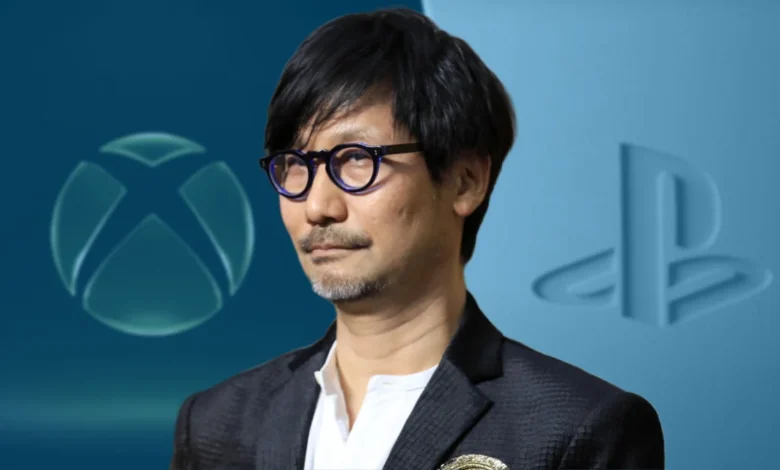
The landscape of modern game development witnessed a significant shift last week when it was revealed that Sony Interactive Entertainment had opted to step away from the publishing duties of Physint, the highly anticipated action-espionage title from Kojima Productions. The decision, which initially appeared to jeopardize the project, prompted a swift pivot for the studio as Xbox stepped in to assume the role of publisher. While the industry is no stranger to shifting partnerships, the public nature of this transition—and the subsequent discourse regarding the financial health of Hideo Kojima’s studio—has sparked a wide-ranging conversation about the realities of high-budget gaming in an era of corporate consolidation and risk aversion.
A Relationship Under Strain: The Sony-Kojima Dynamic
For three decades, the name Hideo Kojima has been inextricably linked with the PlayStation ecosystem. From the seminal success of the Metal Gear Solid series on the original PlayStation through the era of the PlayStation 2 and 3, Kojima’s creative output was widely considered a cornerstone of Sony’s software library. When Kojima established Kojima Productions as an independent entity in 2015, the studio maintained an intimate relationship with Sony, which resulted in the 2019 release of Death Stranding.
However, the recent breakdown in the publishing agreement for Physint suggests that even the most storied partnerships are not immune to the harsh fiscal realities currently facing the global games industry. Reports have indicated that Sony’s departure from the project was motivated by internal concerns regarding the game’s ballooning budget, its potential for long-term profitability, and the strategic value of exclusivity in a market that is increasingly leaning toward multi-platform accessibility.
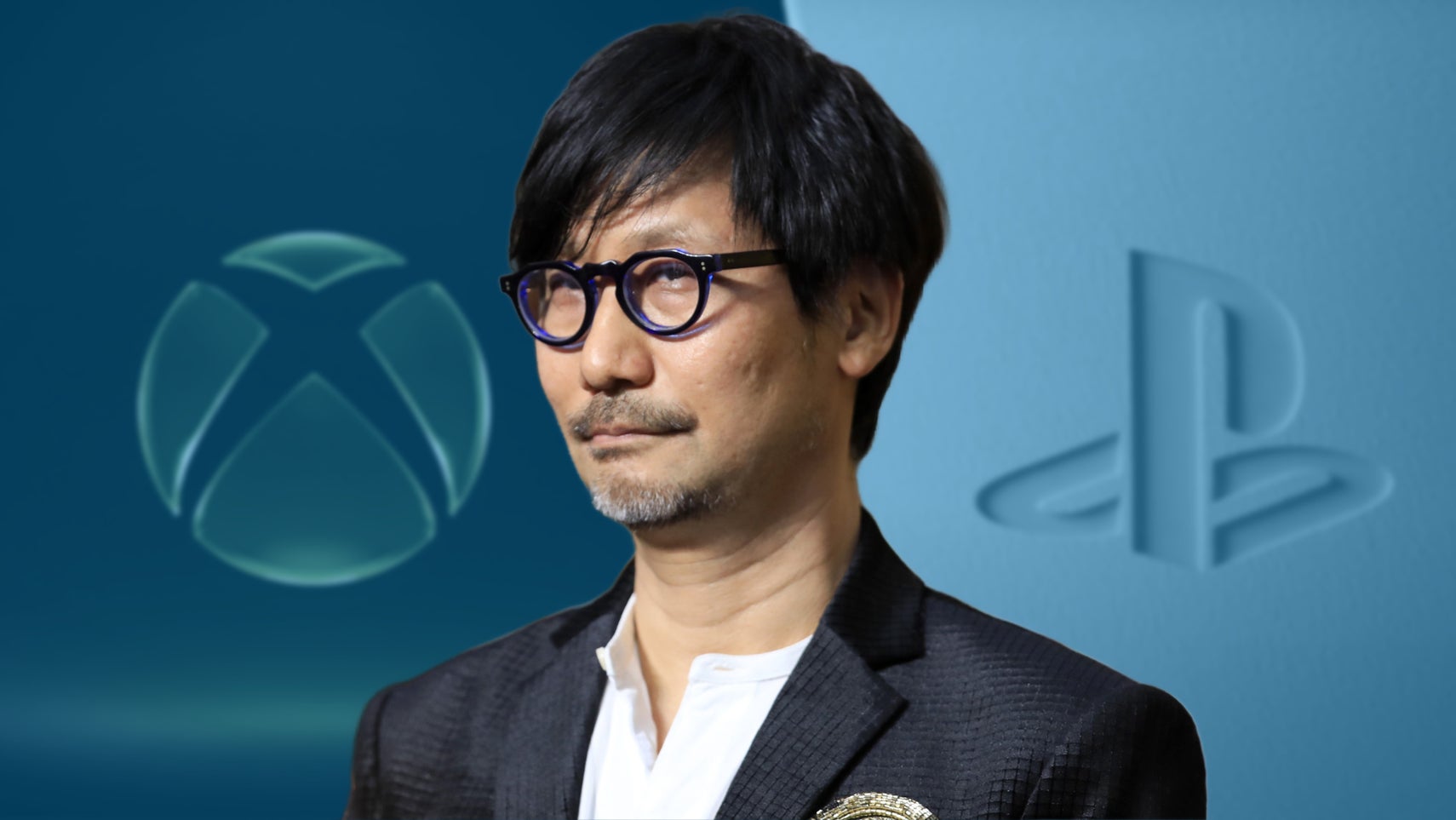
In a recent interview with IGN, Hideo Kojima reflected on the moment he was informed of Sony’s decision. He described a sense of genuine shock, noting that the meeting was difficult to process in real-time. "I don’t remember so much of that meeting, to be honest with you," Kojima stated. He emphasized that despite the sudden shift, he harbors no resentment toward his former partners, acknowledging the broader turbulence currently impacting the gaming sector, which has seen thousands of layoffs and numerous project cancellations across the industry over the past eighteen months.
Timeline of the Physint Transition
The journey of Physint from a PlayStation-aligned project to an Xbox-published title represents a rapid evolution in development strategy.
- 2024 State of Play: The project was formally introduced as an "action espionage" game, designed as a spiritual successor to the gameplay mechanics Kojima popularized in the Metal Gear series. At the time, it was positioned as a major collaboration with Sony’s Columbia Pictures division.
- The Funding Withdrawal: Following internal budgetary reviews at Sony, the platform holder informed Kojima Productions that it could no longer sustain the financial commitment required for the project’s development.
- The Xbox Pivot: Facing a potential crisis regarding the survival of his studio—which is currently celebrating its 10th anniversary—Kojima approached Microsoft. Given that the two parties were already collaborating on the horror project OD, an existing technical and creative rapport allowed for a seamless, albeit urgent, negotiation.
- TGS 2024 Showcase: Xbox publicly cemented the partnership by featuring both Physint and OD as the centerpiece of their presentation at the Tokyo Game Show, signaling a major long-term commitment to the auteur’s vision.
Data and Market Context
The gaming industry is currently undergoing a period of correction. According to data provided by tracking services like Game Industry Layoffs, the sector saw over 10,000 job losses in 2023 alone, with significant cuts continuing into 2024. For developers, this environment has necessitated a shift toward "safer" investments.
Sony, while maintaining a strong portfolio of live-service and single-player titles, has been increasingly selective about which projects receive full funding. The cost of AAA game development has skyrocketed, with many major titles now requiring budgets exceeding $200 million. When a project like Physint—an ambitious, high-fidelity espionage game—faces questions about its market reach, companies are often forced to choose between abandoning the project or demanding radical changes to its scope. For a creative director of Kojima’s stature, maintaining the integrity of the project often necessitates seeking partners who are willing to absorb that risk.

Official Responses and Studio Stability
In the wake of speculative reports regarding the studio’s financial health, Kojima Productions issued a formal statement to address the concerns raised by the industry press. The studio explicitly rejected the narrative that the transition was a sign of impending insolvency.
"Normally, we would not comment on unsubstantiated speculation on the internet," the statement read, "but these aspersions around our relationship with PlayStation, the commercial performance of the Death Stranding franchise, and the broader production planning and investment for Physint, have reached beyond the studio and have touched our fans."
The studio clarified that it remains in a "healthy, profitable state" and that the pivot to Xbox was not a move of desperation, but a strategic decision to ensure the project could reach completion without compromising its creative vision. Furthermore, the studio took pains to note that their historical relationship with PlayStation remains intact, characterizing the change as a contractual shift rather than a permanent severance of ties.
Implications for the Future of AAA Development
The move to Xbox carries significant implications for both parties. For Xbox, the acquisition of a Hideo Kojima project is a major "get" in their ongoing effort to bolster their software lineup with high-prestige, system-selling titles. During the Tokyo Game Show, an Xbox spokesperson reinforced this sentiment, stating, "Betting on Kojima-san is an easy call. We believe in his team’s ability to build triple-A games with groundbreaking, new IP."

For Kojima, the transition highlights a new reality: the "auteur" model of game development is increasingly dependent on the willingness of platform holders to provide a "blank check" for experimental and high-concept work. As the industry moves toward a more centralized model, creators are finding that the security of long-term publishing relationships is being replaced by a more transactional, project-by-project negotiation style.
Ultimately, the Physint situation serves as a bellwether for the industry at large. It illustrates that even the most legendary creators are subject to the same fiscal pressures that govern the rest of the market. While the survival of the project seems assured under the Xbox banner, the event marks a definitive end to the era where certain projects were considered "too big to fail" or "too integral to a platform’s identity" to ever be outsourced.
As development on Physint continues, the industry will be watching closely to see if this new partnership can provide the necessary stability to bring Kojima’s ambitious vision to life. The success of this transition may well determine how other high-profile developers navigate the tightening financial constraints of the coming years, reinforcing the importance of creative agility in an industry that refuses to stand still.
Related posts: