6 iPhone Duo and iPhone 18 Pro features Apple copied from Samsung, Motorola, and Google

The global smartphone landscape underwent a significant shift on September 9, 2026, when Apple officially announced its long-awaited entry into the foldable device market during its annual autumn product launch event. Alongside the traditional refresh of its flagship slab devices, the Cupertino-based tech giant revealed the iPhone Duo, a book-style foldable smartphone, and the iPhone 18 Pro series. While Apple’s entry has immediately revitalized mainstream consumer interest in foldable technology, a closer examination of the device’s hardware and software specifications reveals that many of its headline features closely mirror innovations pioneered years earlier by Android competitors such as Samsung and Google.
The debut of the iPhone Duo marks a major milestone for Apple, which has historically allowed competitors to test and refine new form factors before introducing its own polished alternatives. Android manufacturers have spent the last nine years developing, iterating, and commercializing foldable phones, transitioning from fragile, niche prototypes into mainstream productivity powerhouses. By the time Apple entered the arena in late 2026, companies like Samsung, Google, and Xiaomi had already established mature product lines. Consequently, while Apple’s ecosystem integration and marketing prowess will undoubtedly accelerate foldable adoption, technology analysts point out that the underlying concepts are already well-established within the mobile industry.
The Evolution of the Passport-Style Form Factor
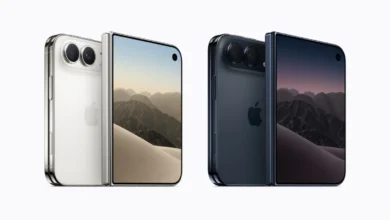
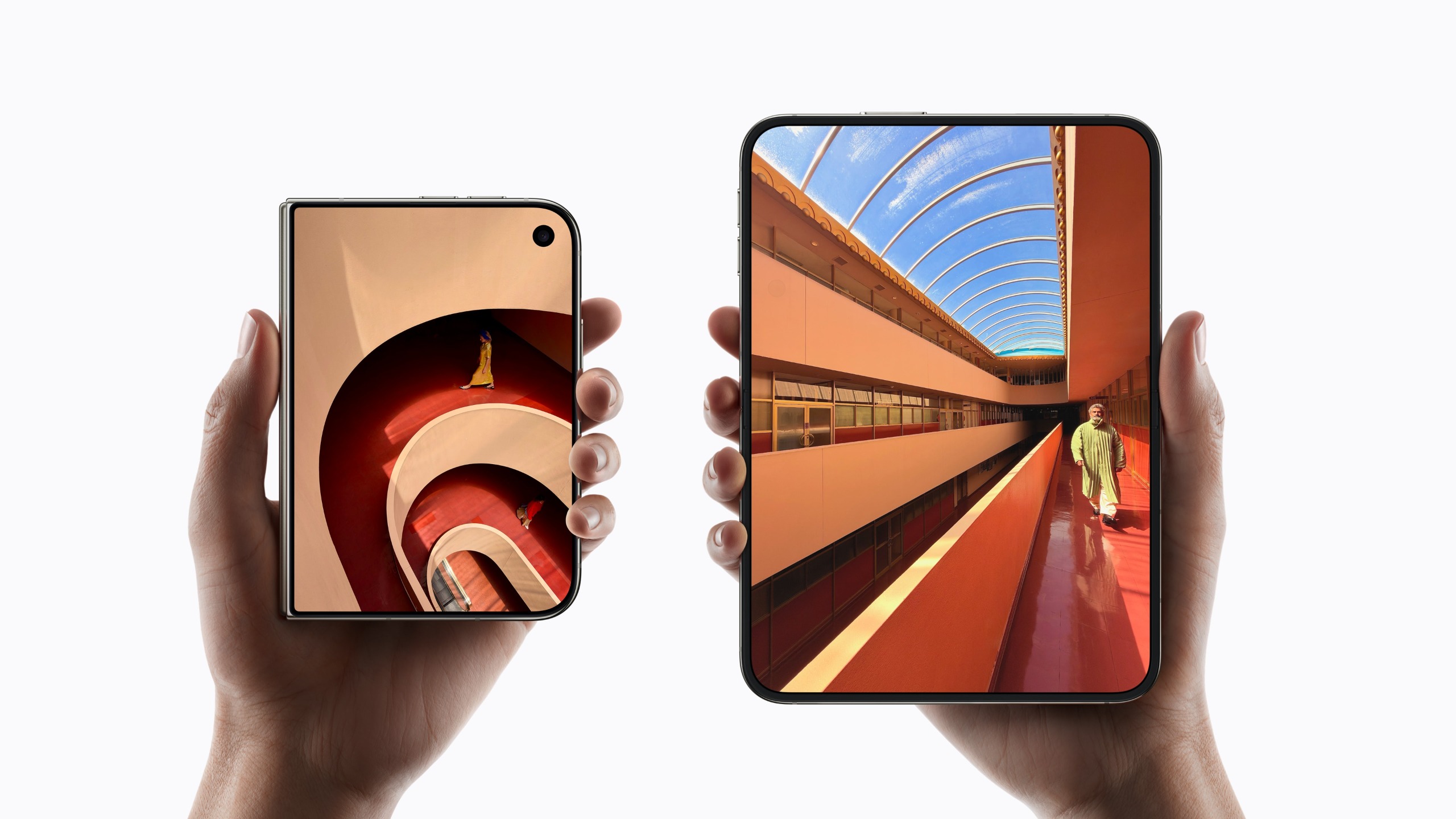
The design philosophy of the iPhone Duo relies heavily on a shorter, wider aspect ratio reminiscent of a physical passport when folded. When opened, the device reveals a sprawling 7.6-inch inner display tailored for media consumption and multitasking. However, this form factor is far from an industry first.
Google initially disrupted the foldable market with its first-generation Pixel Fold, abandoning the tall, narrow outer screens popularized by early Samsung Galaxy Z Fold models in favor of a wider, more ergonomic cover display. Samsung subsequently adopted a similar approach with the Galaxy Z Fold 8, and various Chinese manufacturers showcased parallel wide-aspect foldables at consumer technology exhibitions like IFA 2026. While Apple’s industrial design and hinge engineering boast exceptional refinement, the underlying ergonomic realization—that users prefer a wider, more usable cover screen for everyday typing and single-handed navigation—was charted by Android brands years prior.
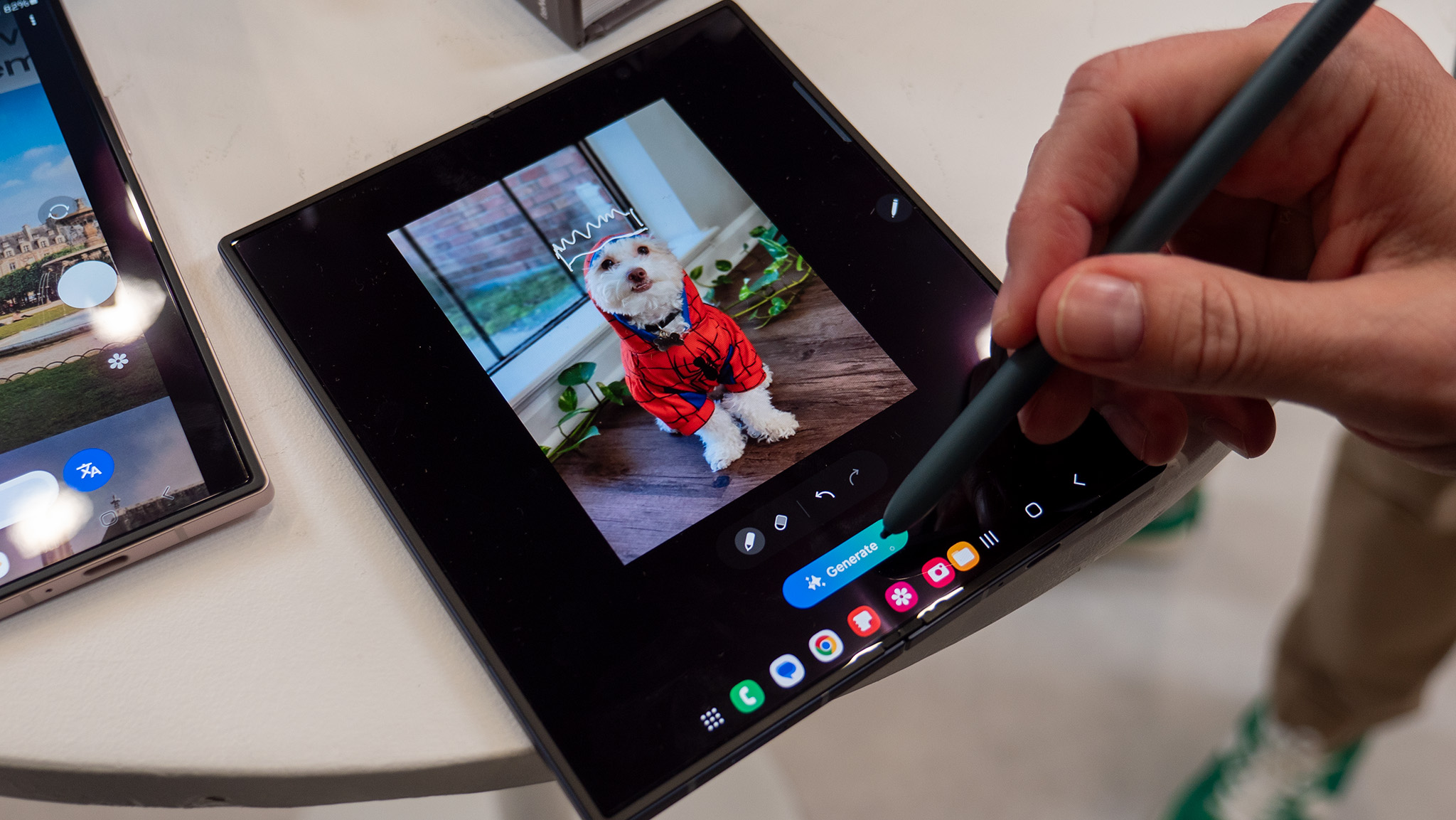
Furthermore, the iPhone Duo features compatibility with the Apple Pencil across both its interior and exterior screens, allowing users to sketch, annotate, and take handwritten notes seamlessly. Long-term mobile enthusiasts will recognize this as a feature Samsung introduced with the Galaxy Z Fold 3 back in 2021. Although Samsung later adjusted its stylus strategies in subsequent hardware iterations, and competitors like Motorola integrated similar digitizer support into devices such as the Motorola Razr Fold, Apple’s implementation brings stylus utility to a broader mainstream audience that has long awaited Apple Pencil support on a pocket-sized device.
Advanced Display Technologies and Mechanical Engineering
Display technology remains the central battleground for foldable smartphones, and Apple has invested heavily in minimizing visual disruptions. The inner screen of the iPhone Duo features an advanced under-display camera system, designed to hide the selfie lens beneath the pixel matrix when not in use. Samsung experimented with under-display camera technology across multiple generations of its foldable lineup before shifting strategies ahead of the Galaxy Z Fold 7 to prioritize optical fidelity over aesthetic concealment. Industry observers are eager to conduct rigorous testing to determine whether Apple’s proprietary under-display hardware successfully mitigates the pixel-density degradation and artifacting that historically plagued early Android attempts.
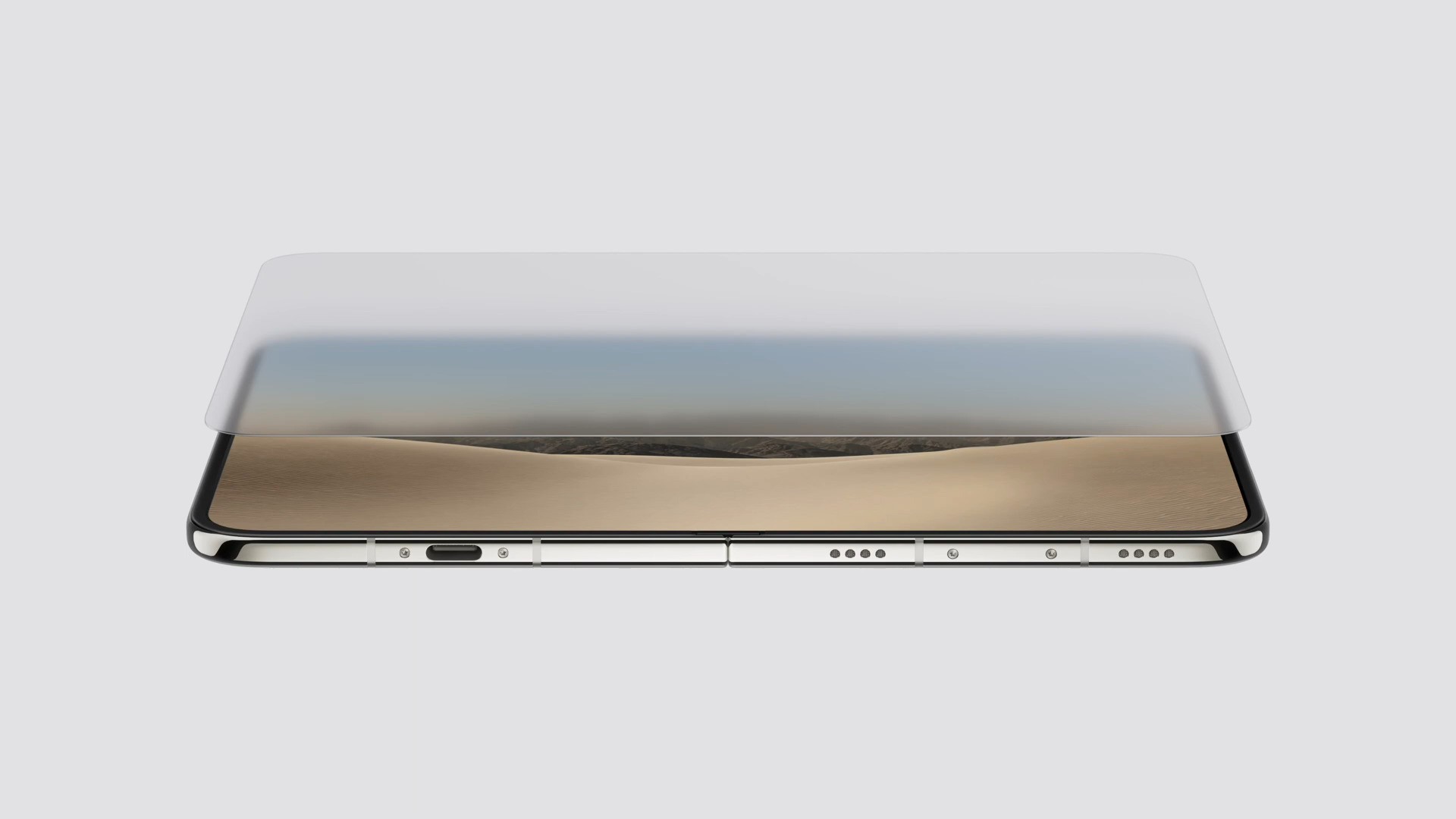
In addition to camera placement, Apple emphasized the inclusion of a specialized matte nano-texture finish on the 7.6-inch inner display. Foldable screens are notoriously susceptible to glare and internal reflections due to the flexible polymer layers required to make them bend. By applying an anti-reflective coating, Apple aims to improve outdoor visibility and media consumption. Yet, this innovation was similarly anticipated earlier in the year by Samsung with the release of the Galaxy Z Fold 8 Ultra, which integrated specialized low-reflection optical layers to combat ambient light interference.
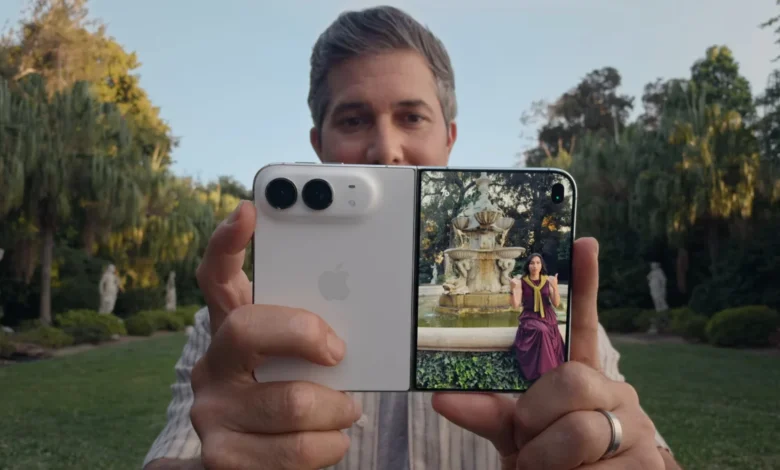
Mechanical versatility is another focal point of the iPhone Duo. Unlike traditional slab phones or early fixed-angle foldables, the iPhone Duo’s engineered hinge supports multi-angle positioning, enabling the device to prop itself up without external accessories. This structural capability unlocks hands-free video recording using the primary rear cameras and allows users to split media playback across a single folded half. Samsung has utilized this exact functionality—commercially branded as Flex Mode—since the debut of the Galaxy Z Fold 2, optimizing an array of native and third-party software applications to dynamically rearrange UI elements when the hinge is partially articulated.
Professional Camera Controls Come to the iPhone 18 Pro
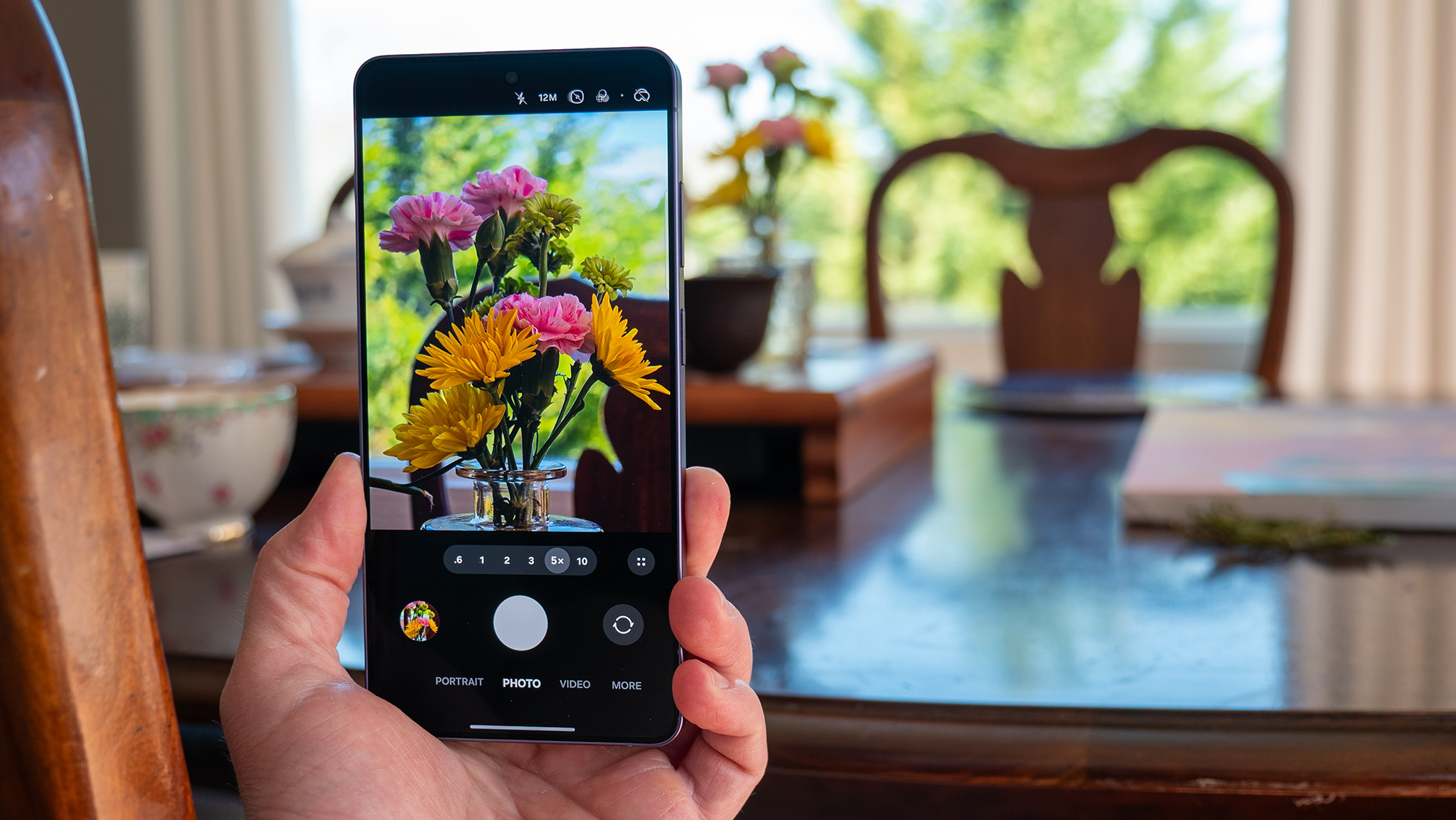
Shifting focus from the foldable ecosystem to traditional slab flagships, the iPhone 18 Pro series introduces a long-requested feature for mobile cinematographers and photographers: Pro Controls. For the first time natively integrated into the standard iOS camera interface, users can manually override automatic exposure algorithms to adjust physical aperture, shutter speed, white balance, and ISO parameters.
For years, critics and professional creators noted that while iPhones offered exceptional computational photography, they lacked the granular, on-device manual controls standard on Android flagship devices. Manufacturers including Samsung, Sony, and Xiaomi have equipped their high-end models with comprehensive professional camera suites for nearly a decade. The arrival of native Pro Controls on the iPhone 18 Pro bridges a long-standing feature gap, transitioning the device from a purely point-and-shoot ecosystem into a more versatile tool for manual photography enthusiasts.
Software Ecosystem: Multitasking and Dual View Functionality
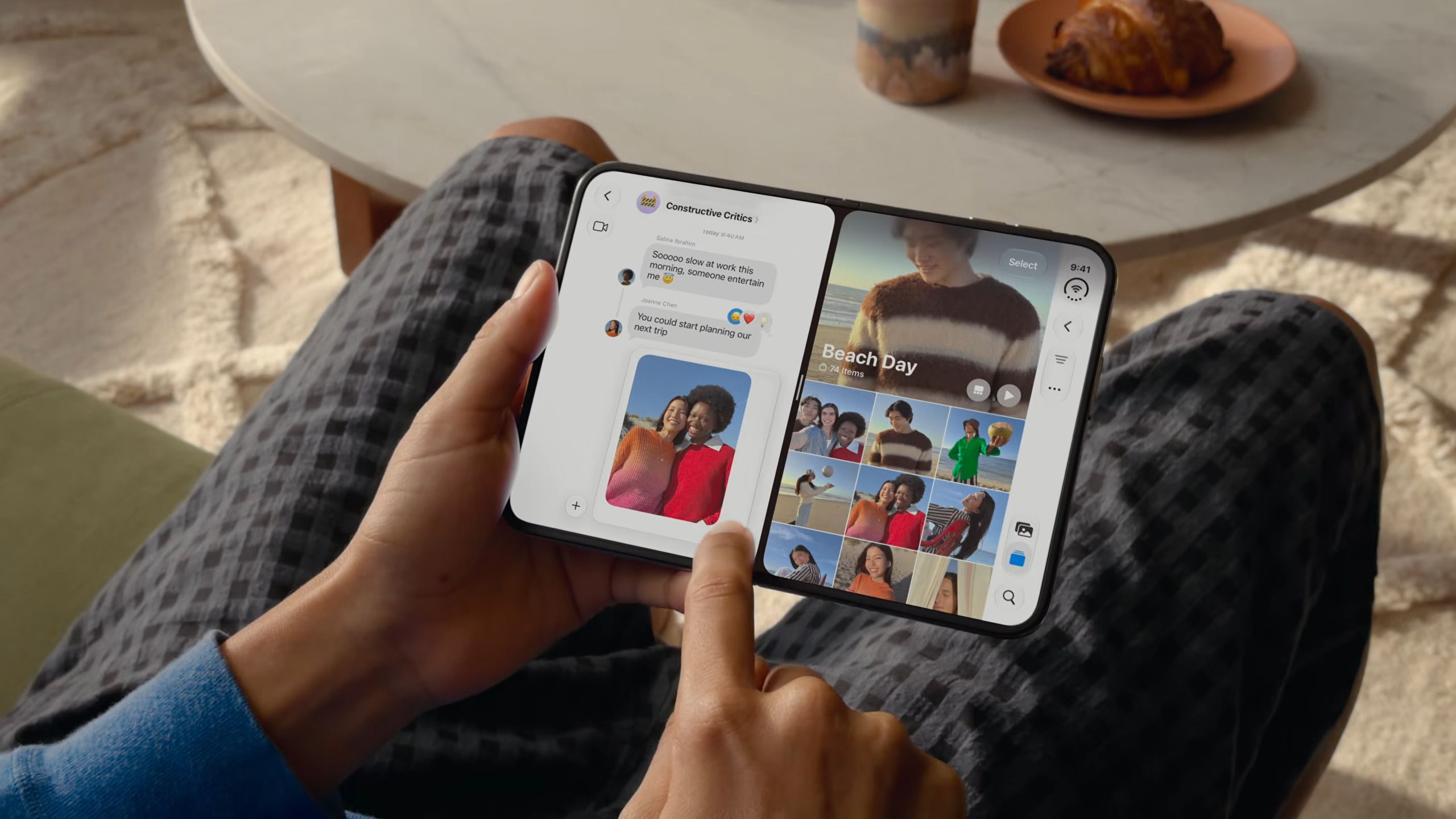
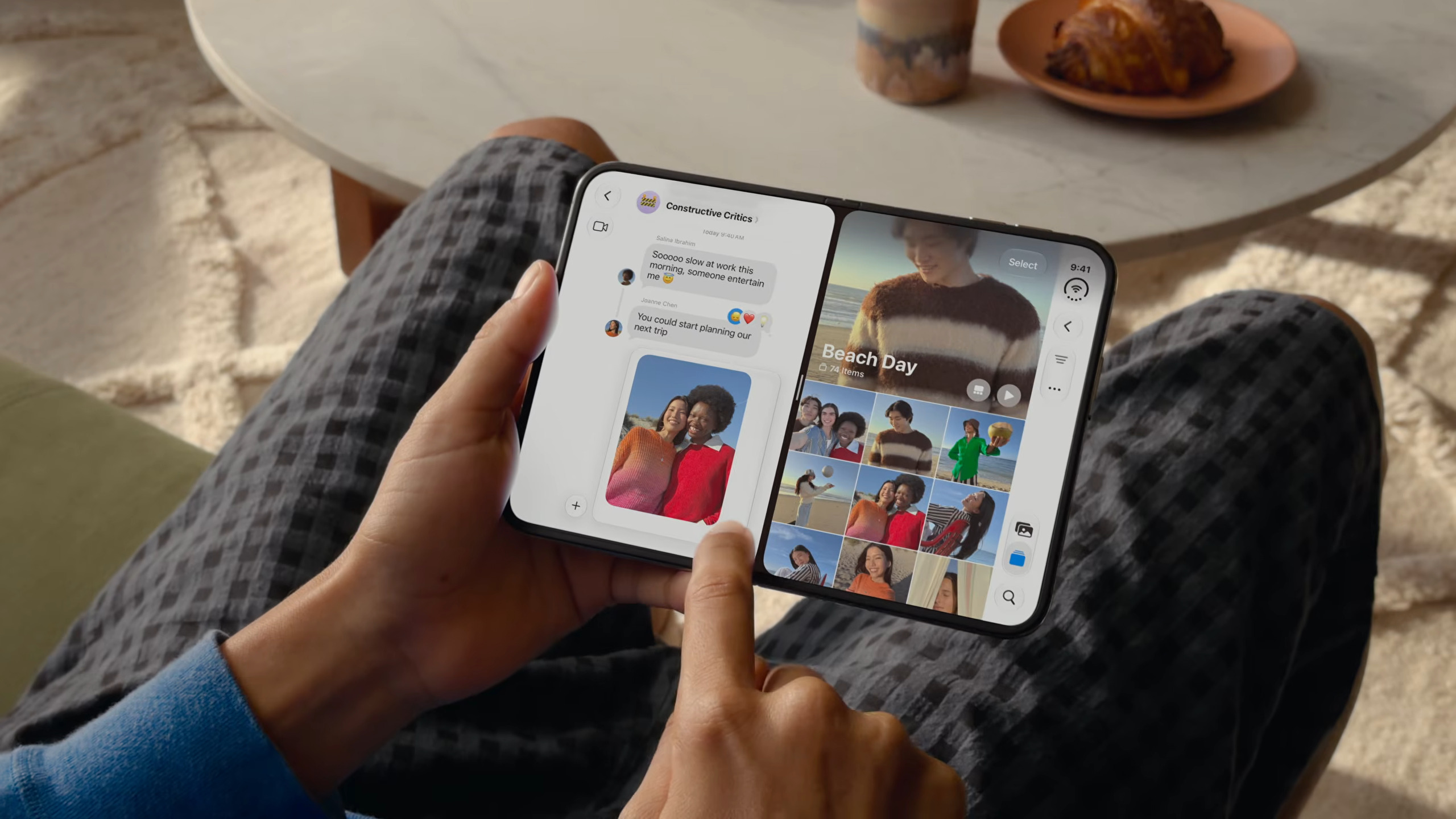
The software architecture of iOS on the iPhone Duo introduces capabilities that will feel instantly recognizable to anyone transitioning from an Android foldable. Chief among these is split-screen multitasking, which enables users to run two distinct applications side by side on the expansive inner display. To enhance workflow efficiency, Apple has also incorporated App Pairs, allowing users to save custom combinations of frequently used applications and launch them simultaneously with a single tap.

Another notable software inclusion is Dual View, a feature that leverages the device’s unique physical folding structure to utilize the outer display as a live viewfinder for portrait subjects while the photographer captures images using the high-resolution primary camera array. While these software implementations benefit from Apple’s notoriously strict optimization and fluid animation standards, functionally identical capabilities have been staples of custom Android interfaces—such as Samsung’s One UI and Motorola’s customized software suites—for several product generations.
Industry Implications and Market Outlook
The introduction of the iPhone Duo and the iPhone 18 Pro series represents a watershed moment for the mobile industry. While objective analysis confirms that Apple is entering markets and adopting features pioneered by Android competitors, the historical precedent suggests that Apple’s market entry will significantly accelerate consumer awareness and global adoption rates for foldable technology as a whole.
Competitors are unlikely to alter their development roadmaps immediately, but the validation of form factors like the passport-style foldable and anti-reflective display coatings by the world’s most valuable technology company guarantees increased consumer demand. As supply chains ramp up production and developers optimize their applications for Apple’s hardware specifications, the true test will not be who invented a specific feature first, but rather whose execution delivers the superior user experience. For consumers, the convergence of these technologies across both major mobile ecosystems signals a maturation of the foldable category, setting the stage for aggressive hardware and software competition in the years ahead.