Inside the iPhone 18 Pro Teardown: Engineering Marvels and Emerging Repairability Concerns

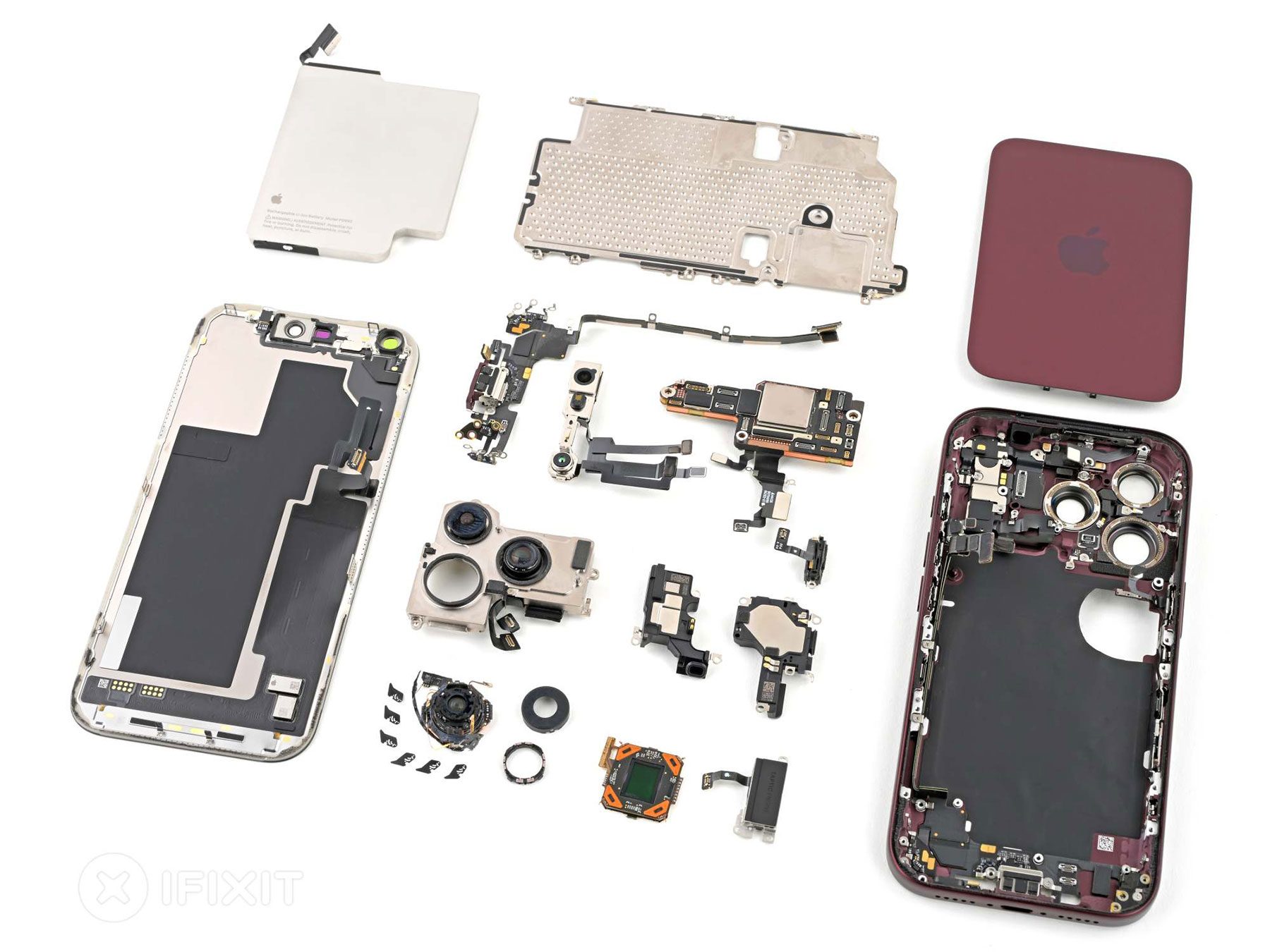
The annual ritual of disassembling Apple’s latest flagship has arrived, as the technicians at iFixit have completed their comprehensive teardown of the iPhone 18 Pro. This year’s analysis provides an unprecedented look at the complex engineering required to house the new variable aperture camera system, an innovative under-display infrared sensor for Face ID, and a significantly overhauled thermal management architecture. While the device showcases Apple’s prowess in miniaturization and performance optimization, the teardown has also highlighted potential vulnerabilities regarding display frame integrity, sparking a new conversation about the feasibility of long-term component-level repairs.
A Chronology of Innovation and Design
The release of the iPhone 18 Pro follows a multi-year trajectory of Apple’s "Surprise and Shine" development cycle, which has consistently focused on deep-level hardware integration. Since the shift toward more modular internal layouts that began with the iPhone 14 series, Apple has been incrementally adjusting its internal architecture to accommodate increasingly sophisticated camera arrays and high-performance silicon.
The timeline of this year’s device development began with the integration of the A20 Pro chip, a silicon feat that utilizes a package-on-package design to place memory alongside the die rather than on top of it. This design choice, highlighted during Apple’s recent product launch, was specifically engineered to facilitate a more efficient thermal path. The introduction of the iPhone 18 Pro’s variable aperture—a first for the iPhone lineup—represents the culmination of nearly three years of R&D, aiming to provide professional-grade depth-of-field control that previously required dedicated DSLR or mirrorless hardware.
The Anatomy of the Variable Aperture
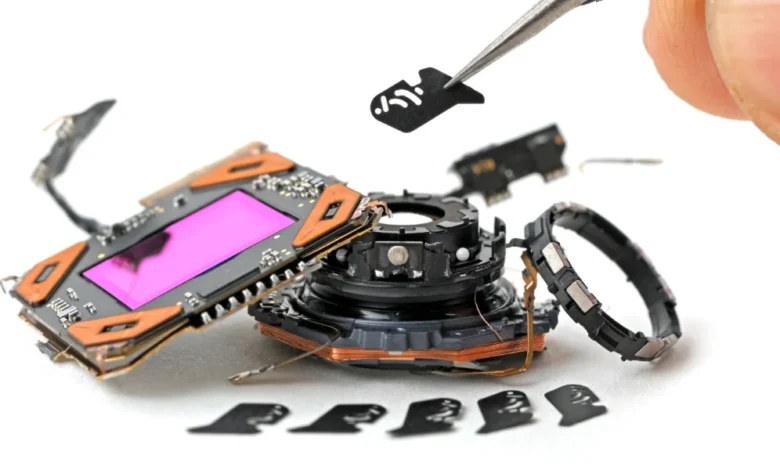
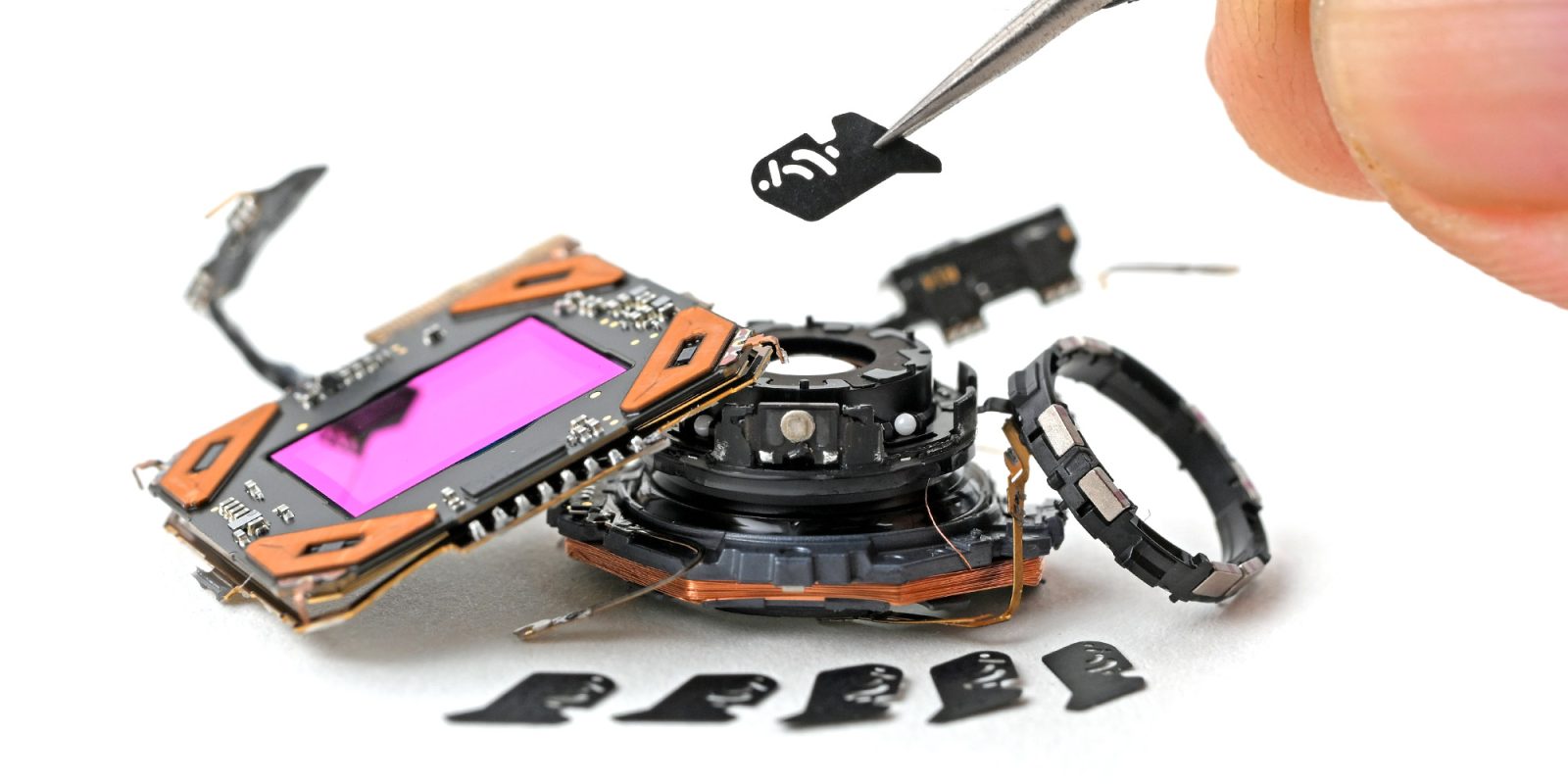
The most publicized hardware addition to the iPhone 18 Pro is the variable aperture mechanism within the primary camera module. iFixit’s dissection reveals a delicate assembly of six microscopic blades actuated by electromagnets. These electromagnets operate on principles similar to the existing optical image stabilization (OIS) hardware but function as a distinct, independent system.
The complexity of this mechanism introduces significant challenges for repair technicians. During the disassembly process, the iFixit team observed that the blades are incredibly fragile; in one instance, a blade became dislodged during the removal of the lens stack. This incident serves as a critical indicator for the repair industry: component-level repairs on the aperture are effectively impossible. Should the mechanism fail, the industry consensus suggests that a full replacement of the entire camera assembly will be the only viable solution, likely requiring calibration tools that are strictly limited to Apple’s authorized service network.
Advancements in Under-Display Sensor Technology
In a move to minimize the physical footprint of the Dynamic Island, the iPhone 18 Pro features an under-display infrared (IR) camera for Face ID. By relocating the IR sensor beneath the OLED panel, Apple has successfully reduced the space required for front-facing sensors while maintaining the functionality of the selfie camera and the dot projector.
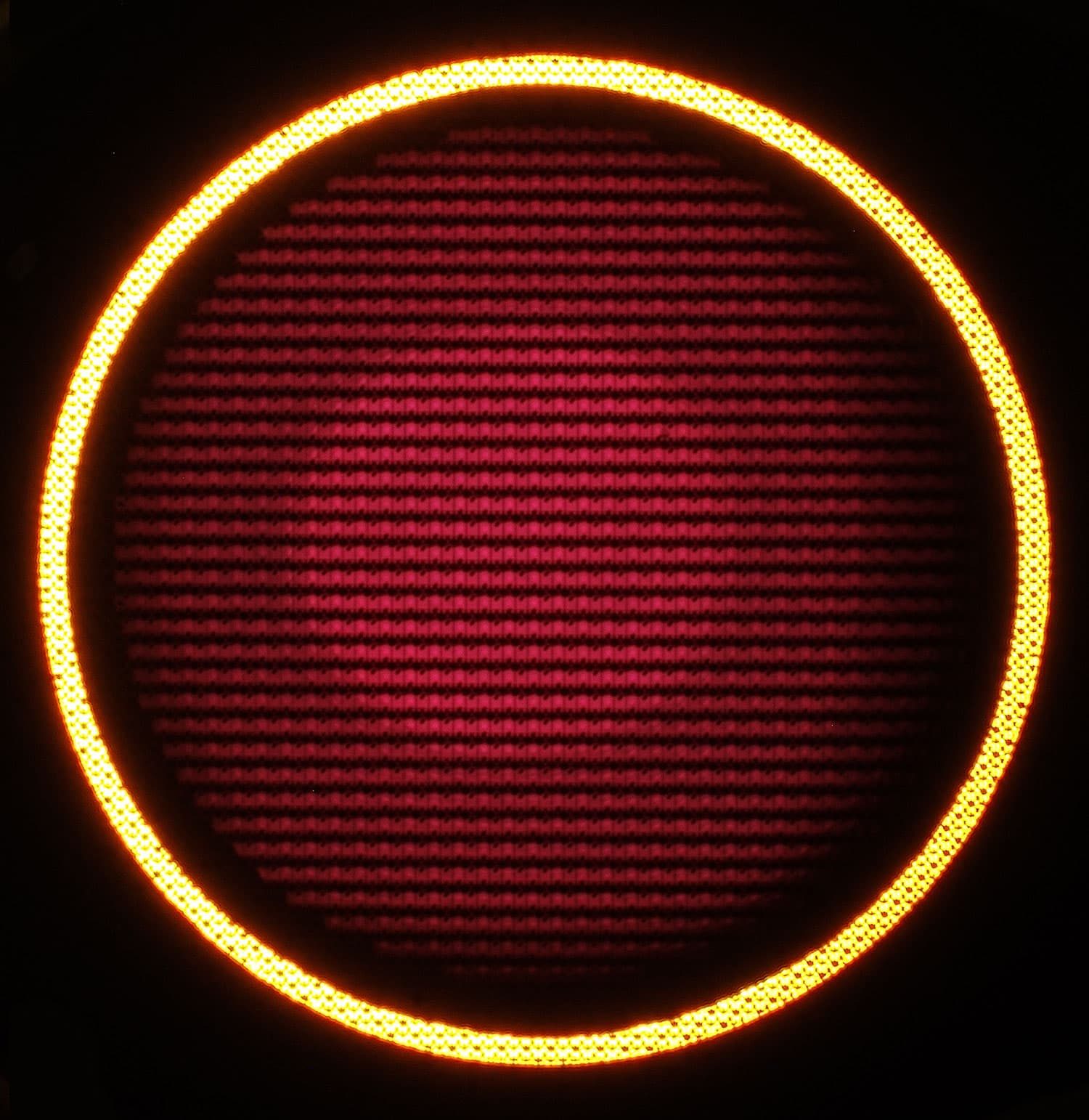
Microscopic analysis by iFixit uncovered a clever but aggressive method for light transmission: Apple has effectively removed every other row of pixels above the sensor to allow infrared light to reach the hardware. To prevent visible light from interfering with the sensor, an IR-pass filter is positioned beneath the OLED layer. However, the teardown identified an "eclipse effect," where the filter does not reach the absolute perimeter of the sensor opening, leading to minor optical artifacts visible only under extreme magnification. While this does not impact user experience, it underscores the extreme engineering tolerances required for under-display technology.
Thermal Architecture and the Vapor Chamber
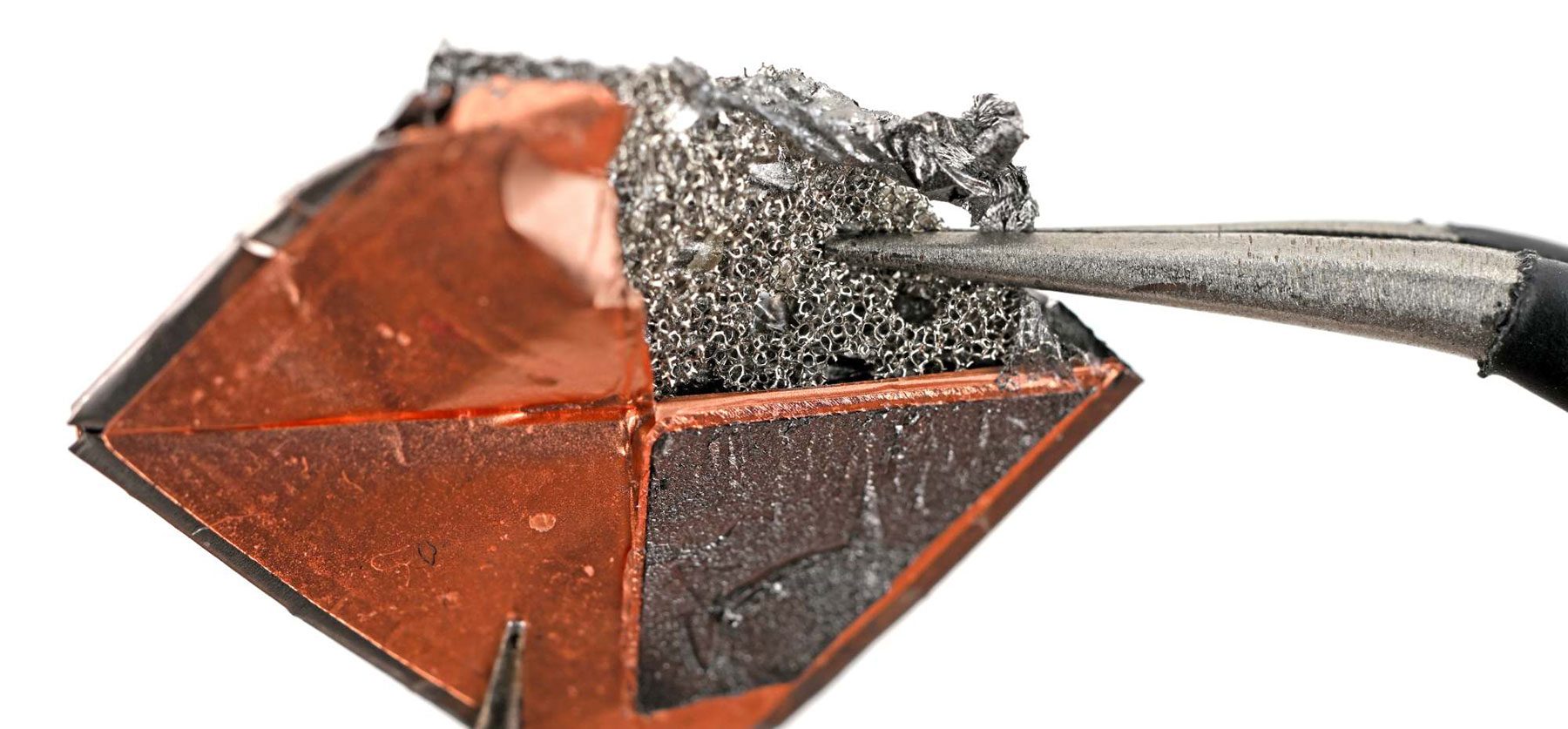
Thermal management has long been a challenge for high-performance mobile devices, particularly as chipsets reach higher TDP (Thermal Design Power) limits. The iPhone 18 Pro features a redesigned vapor chamber that boasts three times the surface area of the component found in the iPhone 17 Pro.
By restructuring the A20 Pro chip’s package—moving the memory die away from the primary thermal path—Apple has allowed the silicon to make direct contact with the vapor chamber via specialized thermal interface material. This allows for more sustained peak performance during intensive tasks like ray-traced gaming or high-resolution video rendering. The teardown confirms that this vapor chamber extends across a significant portion of the internal chassis, acting as a structural heat sink that draws energy away from the core components.
Emerging Concerns: The Display Frame Issue
While the internal advancements are noteworthy, the iFixit report raises a significant red flag regarding physical repairability: the fragility of the plastic frame surrounding the display. During the teardown process, the team noted that the frame suffered damage on 75% of the devices opened.
This is a concerning development for the independent repair community. Because the current repair procedure for many internal components requires entry through the display, the structural integrity of the display frame is paramount. If the frame is compromised during the heating and prying process—a standard step to soften the adhesive—the screen may not reseat correctly, which risks the device’s IP68 water and dust resistance rating.
iFixit suggests that the device’s enhanced thermal management system may be the unintended culprit. Because the vapor chamber and internal heat sinks are so efficient at drawing heat away from the device, the heating pads used by technicians to soften the display adhesive are less effective than in previous models. Technicians may be forced to apply higher temperatures or increased force to remove the display, leading to the observed frame damage. This represents a "repair paradox": as phones become better at managing heat, they become harder to service using traditional methods.
Implications for the Repairability Ecosystem
Despite these concerns, the iPhone 18 Pro retains several positive design elements, such as the continued use of a glue-free battery tray, which allows for easier cell replacement compared to older, adhesive-heavy designs. The modularity of the camera arrays and the internal ribbon cable routing also suggest that Apple remains committed to streamlining internal repairs for certain components.
Currently, iFixit has assigned a provisional repairability score of 7 out of 10 to both the iPhone 18 Pro and the Pro Max. This score is subject to change as the company collects more data from professional repair centers and evaluates the long-term impact of the display frame issue. The score reflects a middle ground: the hardware is designed with a high degree of internal organization, yet the physical constraints placed on the display and the extreme delicacy of the new camera components create a high barrier to entry for non-authorized technicians.
Broader Industry Impact
The implications of the iPhone 18 Pro’s design extend beyond the consumer experience; they impact the secondary market, the environment, and the "Right to Repair" movement. As smartphones become increasingly complex, the divide between "repairable" and "disposable" hardware is narrowing. If a damaged aperture or a cracked display frame necessitates a near-total device replacement or a costly out-of-warranty service fee, the total cost of ownership for the consumer increases, potentially shortening the lifecycle of the device.
For the mobile industry at large, the iPhone 18 Pro serves as a case study in the trade-offs of miniaturization. While the consumer benefits from a more powerful, thermally efficient, and aesthetically seamless device, the physical cost is an increasingly fragile internal structure. As we move further into the 2026 product cycle, the industry will be watching to see if Apple provides updated guidance on display removal or if independent repair tools will evolve to accommodate the unique thermal properties of the new chassis.
Ultimately, while the iPhone 18 Pro represents a high-water mark for hardware engineering, the teardown serves as a timely reminder that innovation often comes at the expense of ease of access. For the average user, the device is a testament to what is possible in portable computing; for the technician, it remains a complex, high-stakes puzzle that demands both precision and patience. The coming months will be critical in determining whether the display frame issue is a temporary hurdle or a permanent fixture in the landscape of modern smartphone repair.