The Definitive Guide to Essential Home Cinema Test Material for Audiophiles and Cinephiles


The What Hi-Fi? annual Awards testing season represents the pinnacle of rigorous technical evaluation, where the latest Dolby Atmos soundbars, premium ultra-short-throw projectors, and high-fidelity audio systems are subjected to a battery of demanding stress tests. This period of controlled technical scrutiny requires a curated selection of reference-grade media to push hardware to its absolute performance limits. By rotating a specific collection of classic and contemporary discs, the testing team ensures that every piece of equipment is assessed against the same high-standard benchmarks for picture fidelity, dynamic range, and spatial audio precision. This month’s selection offers a comprehensive look at the titles currently being used to calibrate and critique the latest home cinema technology, serving as an essential watchlist for any enthusiast looking to optimize their own setup.
The Last Duel: A Masterclass in Visual Contrast
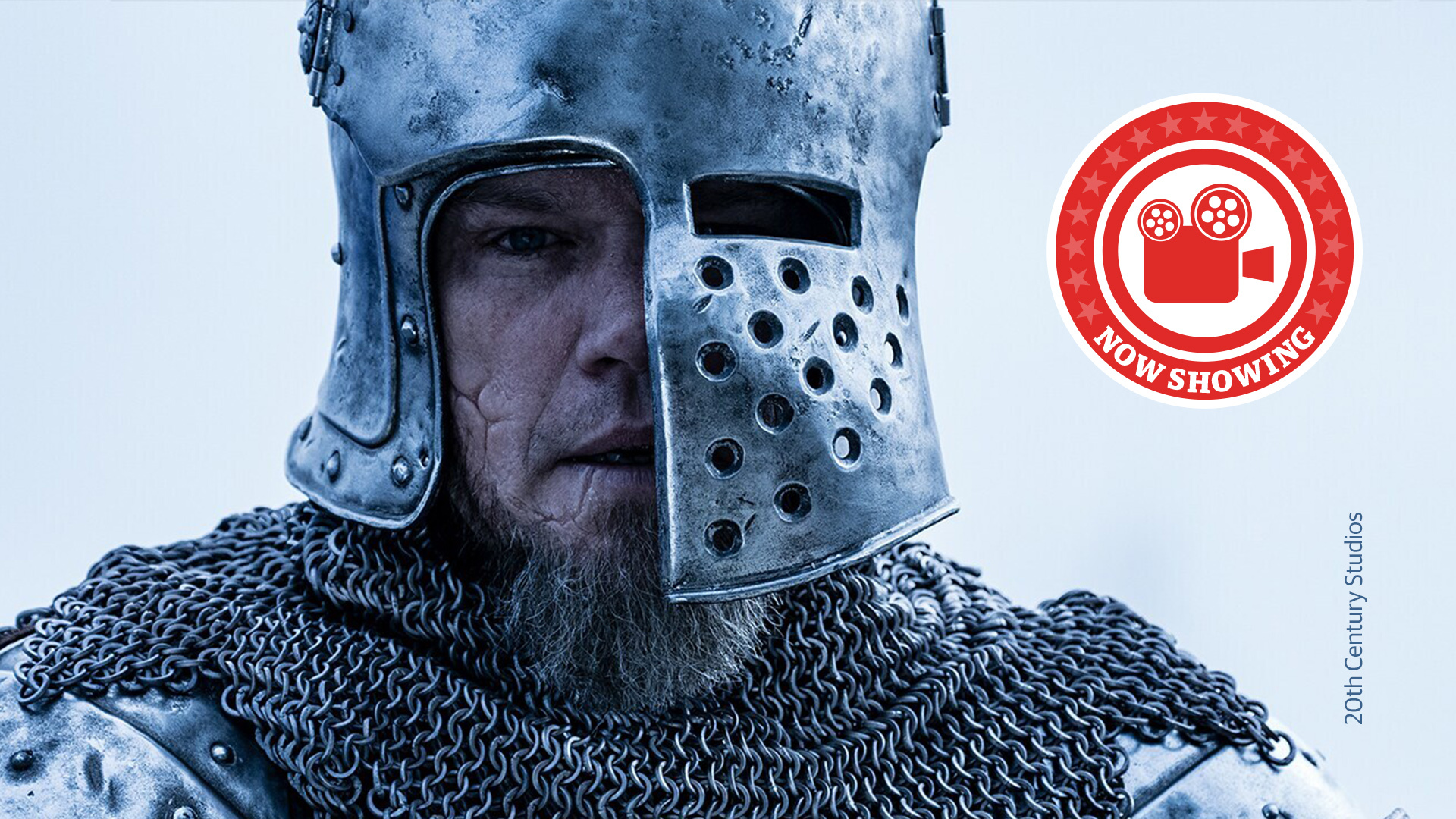
Ridley Scott’s 2021 historical drama, The Last Duel, serves as a cornerstone for evaluating display performance, particularly regarding color accuracy and contrast management. The film, which explores the harrowing 14th-century account of the trial by combat between Jean de Carrouges and Jacques le Gris, utilizes a distinct visual aesthetic that challenges modern display panels.
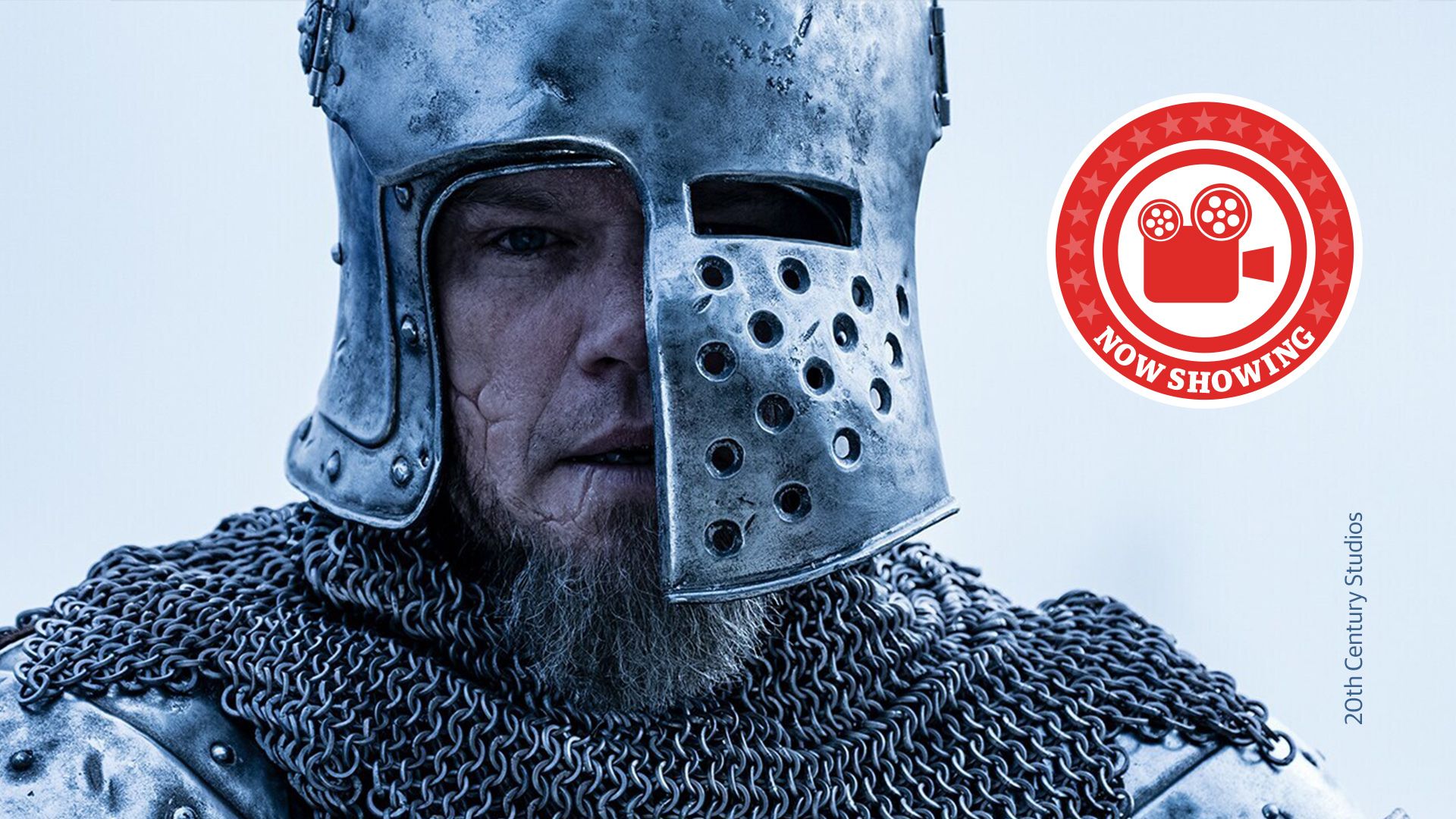
From a technical standpoint, the film is a vital test disc for evaluating how a TV or projector handles high dynamic range (HDR) and color depth. While many historical epics rely on vibrant, oversaturated palettes to emphasize grandeur, Scott’s vision for this production is defined by a rigorous, icy blue-grey filter. This choice creates a perpetual sense of cold, bleak, and unforgiving medieval atmosphere. For a display to reproduce this intent correctly, it must possess exceptional shadow detail and the ability to distinguish between subtle shades of gray and blue without clipping. If a monitor or projector fails to render these nuances, the image risks appearing muddy or overly dark, losing the director’s intended visual tone.
The film’s narrative structure—a Rashomon-style, triple-perspective retelling—also forces viewers to focus on the subtleties of performance and lighting. For calibration experts, the film provides consistent reference points to measure how hardware handles skin tones against stark, low-light backgrounds.
Spider-Man: Brand New Day and the Evolution of Modern Blockbusters
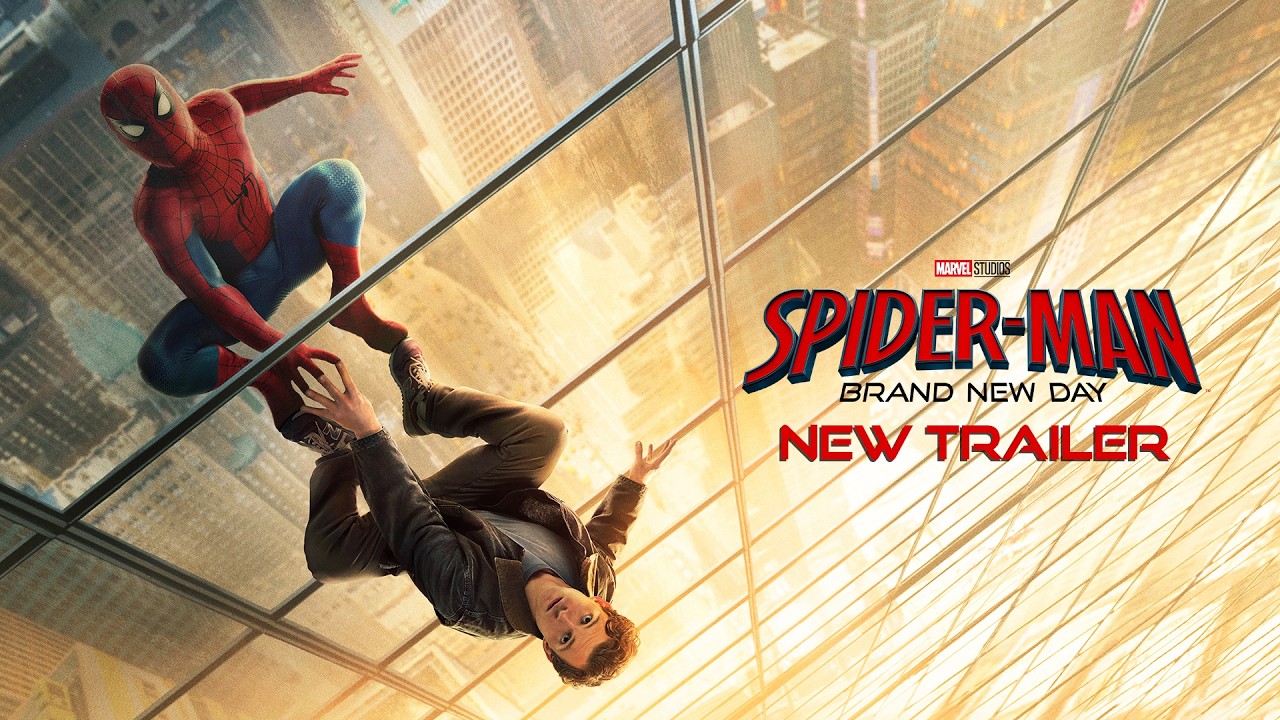
In the summer of 2026, the cinematic landscape was irrevocably altered by the release of Spider-Man: Brand New Day. With a staggering global box office gross of $2.45 billion, the film officially surpassed industry titans such as Avengers: Endgame and Star Wars: The Force Awakens to become the highest-grossing domestic release in U.S. history.
The film represents a significant pivot for the Marvel Cinematic Universe, directed by Destin Daniel Cretton, whose background in the kinetic, high-octane combat of Shang-Chi And The Legend Of The Ten Rings brings a new level of grittiness to the Spider-Man franchise. The technical implications of this success are substantial; the film was produced with a visual palette designed to emphasize the isolation and urban decay of New York City, moving away from the high-tech, glossy aesthetic of previous iterations.
For home cinema enthusiasts, the film is a benchmark for spatial audio. The soundtrack, which features a mix of contemporary indie tracks like Tame Impala’s Loser and Steve Lacy’s Oh Yeah?, alongside Michael Giacchino’s nuanced, percussive score, provides a rigorous test for object-based audio systems. A high-quality Dolby Atmos setup is required to properly place these sonic elements within a three-dimensional soundstage, particularly during the film’s complex set pieces. The balance between low-frequency effects during action sequences and the clarity of dialogue in the film’s quieter, more intimate scenes serves as an excellent stress test for integrated speaker arrays and discrete home theater systems.
Bumblebee: The Gold Standard for Dynamic Range
Despite the varying critical reception of the broader Transformers franchise, the 2018 installment, Bumblebee, is widely recognized as a technical reference piece for home theater audio testing. The film’s opening sequence—an intense army training exercise interrupted by the arrival of the titular character—is frequently utilized by audio engineers and reviewers to assess subwoofer performance and transient response.

The scene functions as a high-fidelity evaluation tool for bass management. As the fiery comet enters the atmosphere and crashes, the sound design requires a system that can handle sudden, massive shifts in air pressure and low-end frequency output without distortion. The placement of sound effects across the entire soundfield is precise, with planes and projectiles moving across the vertical and horizontal planes. For those configuring a home cinema setup, this sequence is arguably one of the most effective ways to determine if a subwoofer is correctly integrated with the main speakers, as it tests both the depth of the bass and the speed of the system’s reaction to sudden, violent audio cues.
Metal Lords: A Testament to Sonic Passion
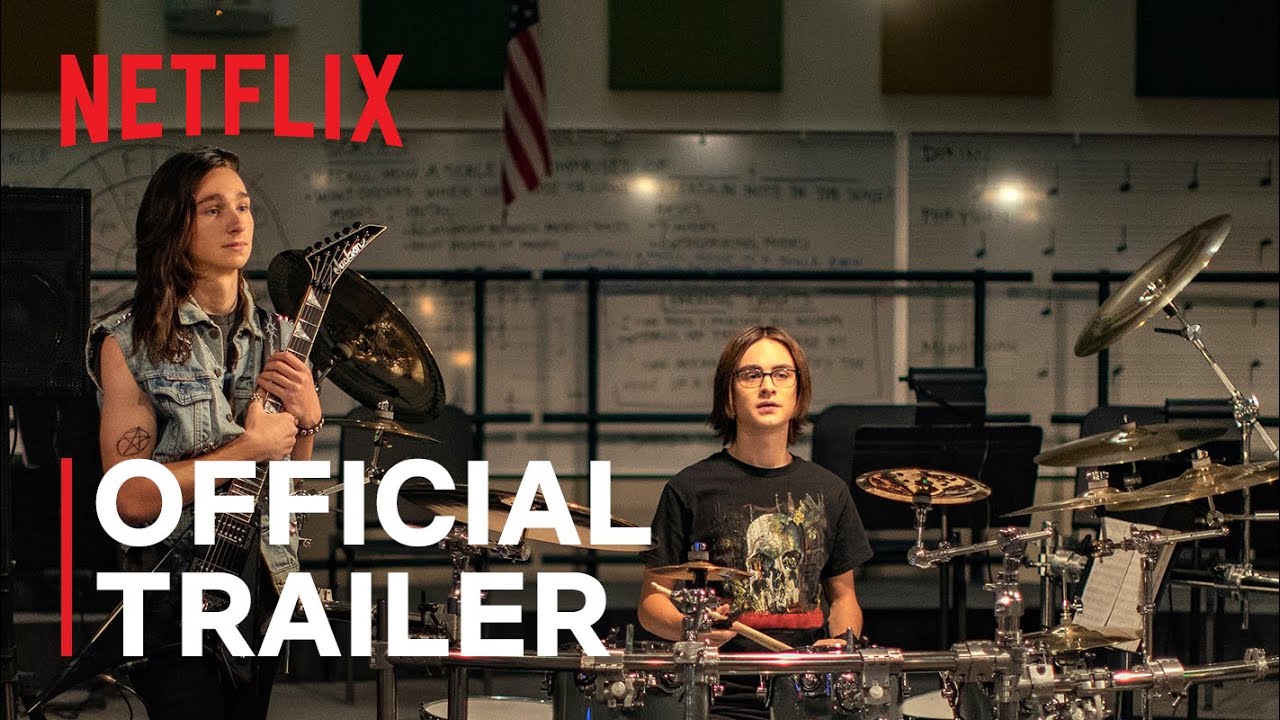
While not marketed as a technical demonstration disc, the 2022 film Metal Lords, directed by Peter Sollett, provides a unique opportunity to evaluate how a system handles musical fidelity and mid-range clarity. The film chronicles the formation of a high-school heavy metal band and serves as a heartfelt exploration of music culture.
For hi-fi enthusiasts, the film is less about explosive action and more about the "attack" and "decay" of instruments—specifically the grit of electric guitars and the crispness of percussion. The battle of the bands climax, featuring appearances by icons such as Kirk Hammett and Rob Halford, demands that a sound system be able to maintain clarity during dense, high-energy sequences. If a soundbar or speaker system lacks sufficient mid-range presence, the dialogue and the intricate guitar work will bleed together. Testing a system with this film allows for an evaluation of how well the hardware preserves the "live" feeling of a musical performance, making it a favorite for those who prioritize music playback alongside their cinematic viewing.
Slow Horses: The Precision of Shadow Detail
The sixth season of the Apple TV+ espionage drama Slow Horses has cemented its place in the testing rotation due to its challenging visual environment. The show, which stars Gary Oldman and Kristin Scott Thomas, is defined by its dry, cynical humor and a visual language that is intentionally drab, rainy, and overcast.
The technical challenge presented by this series lies in its lighting. Much of the action takes place in low-light environments, rainy London streets, or the dimly lit safehouse where the protagonists operate. For a display, this is a "black-level" nightmare. If a TV’s local dimming or contrast ratio is insufficient, the viewer will lose significant detail in the shadows, effectively rendering the actors invisible against the dark backgrounds.
Beyond the visuals, the show’s use of Dolby Atmos is subtle but highly effective. It avoids the bombastic, "look at me" audio effects of traditional action movies, instead focusing on the environmental immersion of a busy city—the sound of rain hitting different surfaces, the distant hum of traffic, and the claustrophobic acoustics of the MI5 office. For those looking to calibrate their sound system for "real-world" audio, Slow Horses offers a masterclass in spatial layering and dialogue intelligibility.
Implications for the Consumer Market
The selection of these specific titles by the What Hi-Fi? team highlights a shift in how consumer technology is evaluated. As home cinema equipment becomes increasingly sophisticated, the emphasis has moved from simply measuring peak brightness or maximum decibel levels to analyzing fidelity, nuance, and the ability to render the director’s artistic intent.
For the average consumer, this suggests that the best way to evaluate a new purchase—whether it is a 4K OLED TV, a high-end soundbar, or a laser projector—is to use content that pushes the hardware in diverse ways. A system that can handle the explosive bass of Bumblebee, the icy color palette of The Last Duel, and the shadow-heavy cinematography of Slow Horses is likely a system that will handle almost any content with grace.
Conclusion
As the industry continues to evolve, the tools used to test hardware must evolve alongside it. By relying on a mix of high-budget spectacles and more grounded, detail-oriented productions, reviewers can provide a holistic picture of a device’s capabilities. Whether you are a professional reviewer or an enthusiast looking to maximize the potential of your living room setup, these five titles represent the gold standard for testing the limits of modern home cinema technology. The next time you find yourself adjusting the settings on your display or tuning your surround sound, consider adding these films to your calibration routine to ensure your system is performing at its absolute best.