Why the Apple Watch Series 12 and iOS 27 Finally Convinced This Longtime WHOOP User to Switch Back

The wearable technology landscape has long been divided into two distinct philosophies: the screen-free, dedicated physiological tracker focused intensely on recovery and continuous biometric monitoring, and the feature-rich smartwatch that balances daily utility with comprehensive fitness tracking. For years, dedicated fitness enthusiasts seeking granular health insights often found themselves migrating toward specialized platforms like WHOOP, willing to sacrifice the convenience of a traditional wrist display for more frequent data collection and advanced recovery metrics. However, the release of the Apple Watch Series 12, paired with the comprehensive overhaul of the Apple Health application in iOS 27, represents a significant turning point in this ecosystem divide. By addressing historical shortcomings in data sampling frequency and introducing sophisticated algorithmic readiness scoring, Apple has narrowed the functional gap that once drove users toward dedicated recovery bands.
Bridging the Biometric Sampling Gap
Historically, one of the primary criticisms leveled against the Apple Watch by elite athletes and data-driven biohackers was its conservative approach to background data collection. While dedicated recovery wearables like the WHOOP band sample heart rate continuously at a rate of once per second, older iterations of the Apple Watch traditionally logged heart rate metrics at intervals of approximately every five minutes during periods of rest or low activity. This intermittent sampling model was engineered primarily to optimize battery longevity, ensuring that a single charge could comfortably outlast a standard 24-hour cycle.

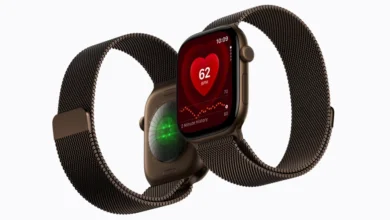
However, this frequency limitation frequently resulted in missed physiological nuances, particularly during sleep cycles or acute stress events where rapid fluctuations in heart rate variability (HRV) carry immense diagnostic and predictive value. With the introduction of the Apple Watch Series 12, Apple has fundamentally restructured its onboard sensor architecture and power management protocols. The new hardware aggressively ramps up background polling, capturing heart rate data once every five seconds. While this remains slightly behind the continuous one-second polling of some specialized athletic bands, industry analysts and early reviewers note that a five-second sampling rate achieves an optimal equilibrium between deep biometric fidelity and practical, all-day battery performance. For the vast majority of consumers and casual athletes, this density of data collection is more than sufficient to generate accurate, actionable health insights.
The Evolution of Recovery: Introducing the Readiness App
Beyond mere data collection frequency, the philosophical approach to interpreting biometric data has undergone a major paradigm shift within watchOS. Previous generations of the Apple Watch offered robust sleep-tracking capabilities, but the resulting metrics often lacked nuanced context. A user might log eight hours of continuous time in bed and receive a high sleep score, entirely independent of whether their resting heart rate remained elevated, their respiratory rate fluctuated, or their HRV dipped significantly due to late-night stressors or fatigue.
To counter this, the Apple Watch Series 12 debuts the dedicated Readiness app directly on the wrist. This new software utility aggregates core physiological indicators—most notably heart rate variability, resting heart rate, and sleep architecture—into a streamlined, single-digit daily score ranging from 1 to 10. This scoring mechanism directly mirrors the recovery metrics popularized by dedicated fitness bands, providing users with an immediate, easily digestible assessment of their body’s capacity to handle physical strain or stress on any given day. By translating complex algorithmic calculations into an intuitive metric, Apple has eliminated the friction that previously required users to consult third-party applications or secondary hardware to understand their baseline physical preparedness.
A Visual and Structural Overhaul: The iOS 27 Health Ecosystem
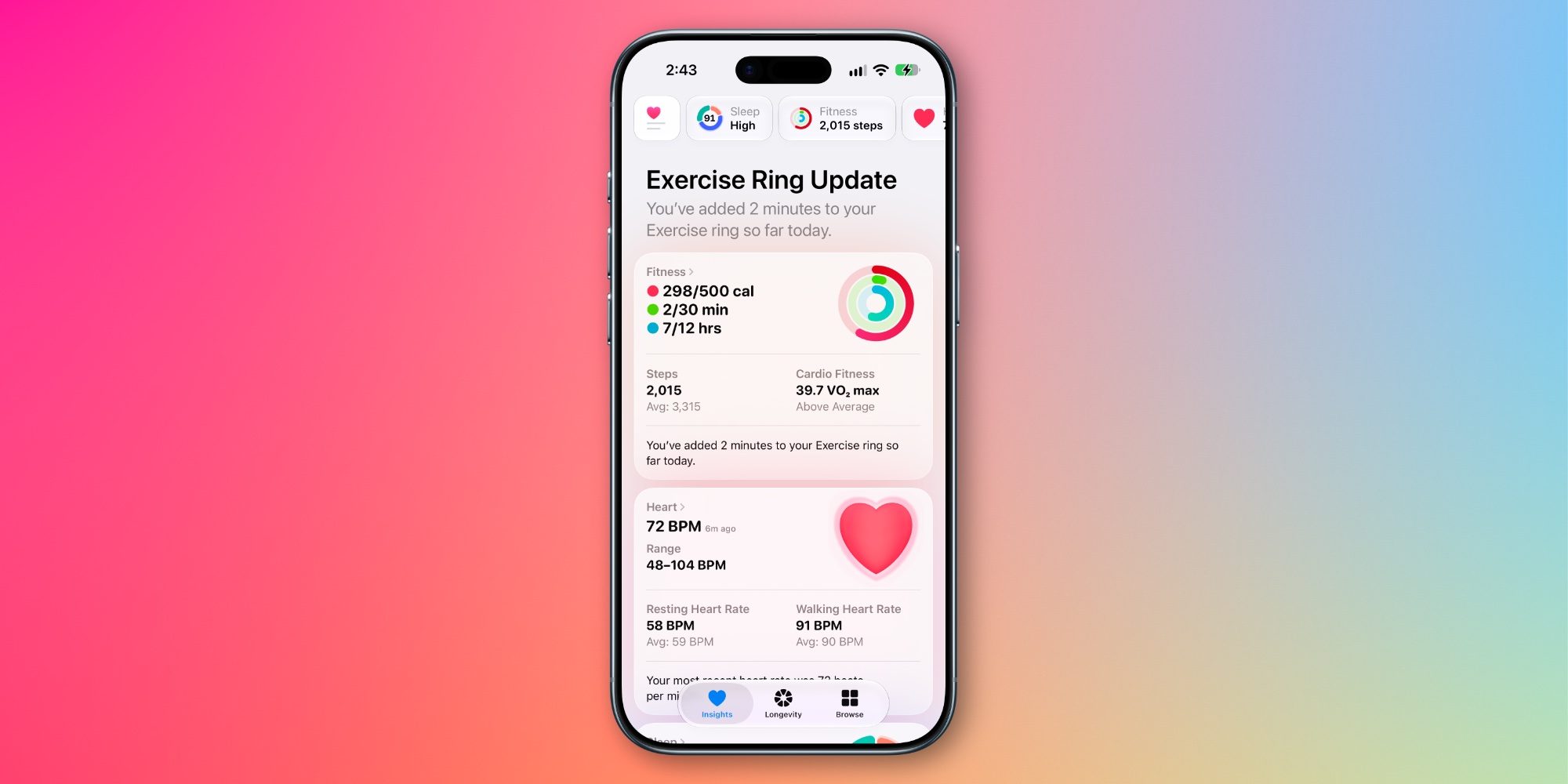
Hardware enhancements alone do not account for the shifting preferences among wellness consumers; the software ecosystem surrounding the device plays an equally critical role. Accompanying the hardware launch is the rollout of iOS 27, which features a ground-up redesign of the native Apple Health application.
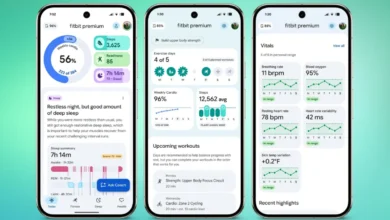
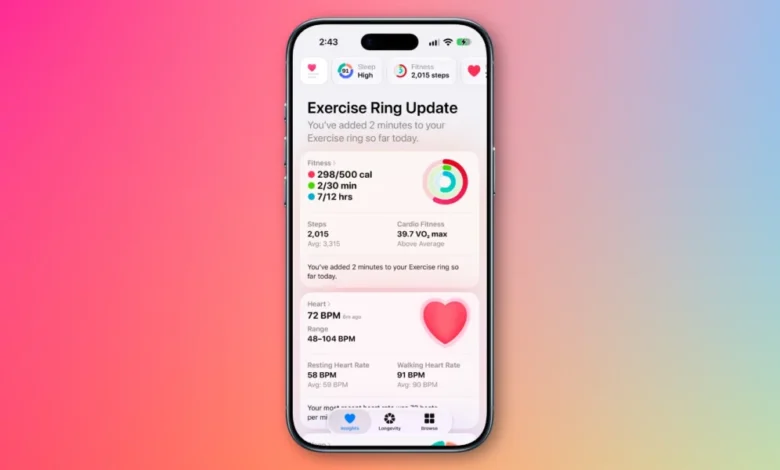
For years, critics argued that the Apple Health app suffered from information overload, presenting vast oceans of valuable physiological data in dense, unstructured lists and complex trend charts that required significant user navigation to interpret meaningfully. The redesigned interface introduced in iOS 27 addresses these usability hurdles directly. By reorganizing critical metrics into cleaner, modular dashboards and contextualizing daily data streams with clearer visual hierarchies, Apple has drastically improved the user experience. Navigating daily trends, identifying anomalies in resting heart rate, and tracking longitudinal fitness progression has become significantly more streamlined, removing the interface barriers that historically alienated users seeking a clean, minimalist health-tracking environment.
The Dual-Device Dilemma and Practical Utility
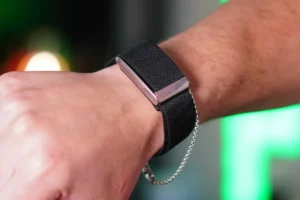
The decision to migrate between distinct wearable ecosystems often exposes a fundamental tension in modern personal technology: the balance between minimalist focus and everyday convenience. Dedicated recovery bands operate entirely without screens, a design choice deliberately made to minimize digital distractions and eliminate the battery drain associated with bright OLED displays and cellular radios. For many users, however, completely forfeiting a wrist-based display means sacrificing immediate access to notifications, quick communication tools, and glanceable utility, forcing them to pull out a smartphone far more frequently throughout the day.

Even among consumers who experimented with dedicated fitness bands over the past year, many maintained their older Apple Watches purely for the sake of utility, wearing multiple devices or swapping wrists depending on the activity. The maturation of the Apple Watch Series 12 eliminates the need for this dual-device compromise. By matching the advanced recovery analytics and increased data sampling speeds traditionally associated with specialized fitness bands while retaining the rich communication and productivity features of a fully realized smartwatch, the device presents a compelling all-in-one proposition.
Broader Market Implications and Industry Response
The introduction of the Apple Watch Series 12 and its accompanying software ecosystem sends a clear signal to the broader wearable technology market. As health-sensing technologies become increasingly commoditized, differentiation no longer relies solely on the inclusion of novel hardware sensors, but rather on how effectively those sensors are managed, analyzed, and presented to the end user.
Competitors in the dedicated fitness tracking space have built thriving ecosystems by positioning themselves as specialized tools for optimal human performance, appealing directly to athletes and wellness enthusiasts who prioritize deep physiological recovery above standard smartwatch functionalities. By systematically closing the gap in data collection frequency and introducing sophisticated readiness modeling, Apple is encroaching directly into territory previously dominated by these niche brands.

Industry analysts suggest that this strategic pivot may force specialized manufacturers to accelerate their own software innovations, potentially forcing them to integrate broader smart features or double down on proprietary coaching algorithms to retain their core demographic. Meanwhile, mainstream consumers stand to benefit from a rapidly maturing market where the boundaries between dedicated athletic recovery tools and everyday productivity devices continue to blur. As the first wave of real-world usage data for the Apple Watch Series 12 begins to circulate, the long-term impact on consumer retention and cross-platform migration will become increasingly clear, setting a new benchmark for what users should expect from their wrist-worn health companions.