Light and Magic: The Birth of Art Photography exhibition at Tate Modern proves that the digital filter debate is a century-old conversation

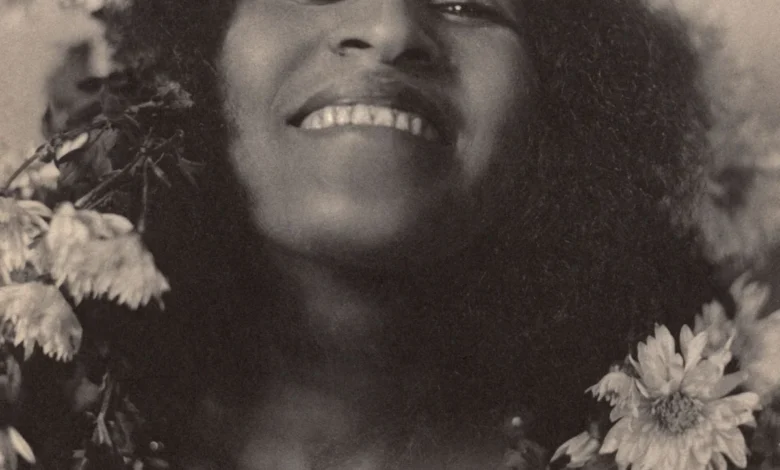
The divide between the "#nofilter" purists of the Instagram era and the digital artists who thrive on post-processing is often framed as a uniquely modern conflict. Yet, a major new exhibition at the Tate Modern in London, titled Light and Magic: The Birth of Art Photography, suggests that this tension is not a product of the smartphone age, but rather the foundational argument of the medium itself. Running from October 14, 2026, to February 21, 2027, the exhibition features over 200 vintage prints from more than 80 artists, tracing the evolution of photography from its rigid, mechanical origins to its transformation into a medium of emotive, subjective expression.
The Historical Context of the Pictorialist Movement
To understand the current discourse surrounding image manipulation, one must look back to the 1880s. At the time, photography was largely viewed as a clinical tool—a scientific method for capturing objective reality with sharp, uncompromising clarity. However, a group of international photographers, later known as the Pictorialists, began to challenge this paradigm. They argued that the camera, like the paintbrush, was merely a tool for the artist’s vision.
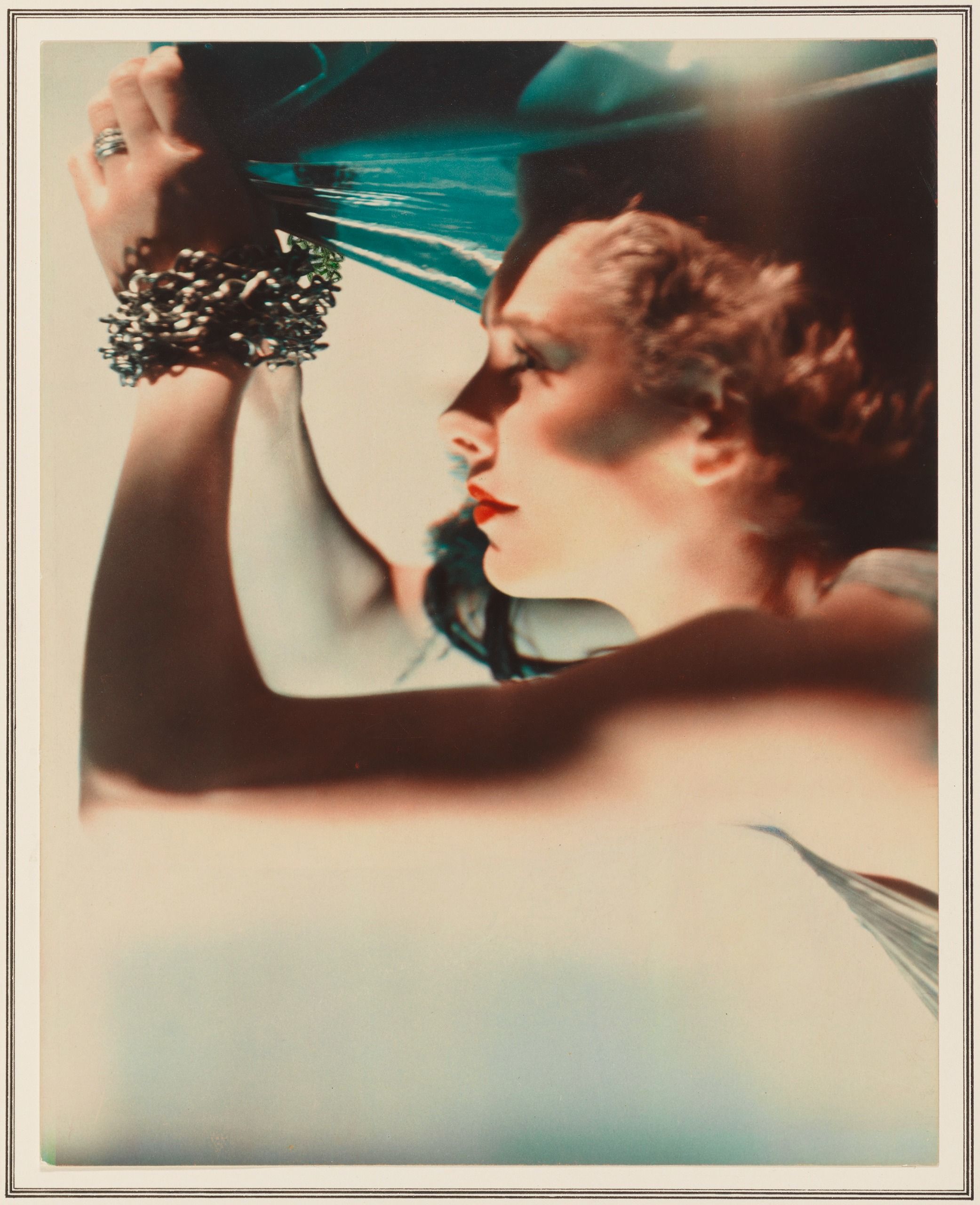
The movement gained significant momentum by the turn of the 20th century. Pictorialists rejected the "straight" photograph in favor of techniques that emphasized mood, texture, and ambiguity. They employed soft-focus lenses, printed on heavy, tactile art papers, and used complex darkroom manipulations—such as scratching negatives, solarization, and manual pigment layering—to ensure that no two prints of the same subject were ever identical.
This era marked the first time the global photography community grappled with the question of authenticity. Just as today’s social media users debate the legitimacy of AI-assisted imagery and beauty filters, the 19th-century photographic elite debated whether a "manipulated" print could truly be considered a photograph.
Chronology of an Artistic Evolution
The Light and Magic exhibition offers a structured timeline that contextualizes these shifts:
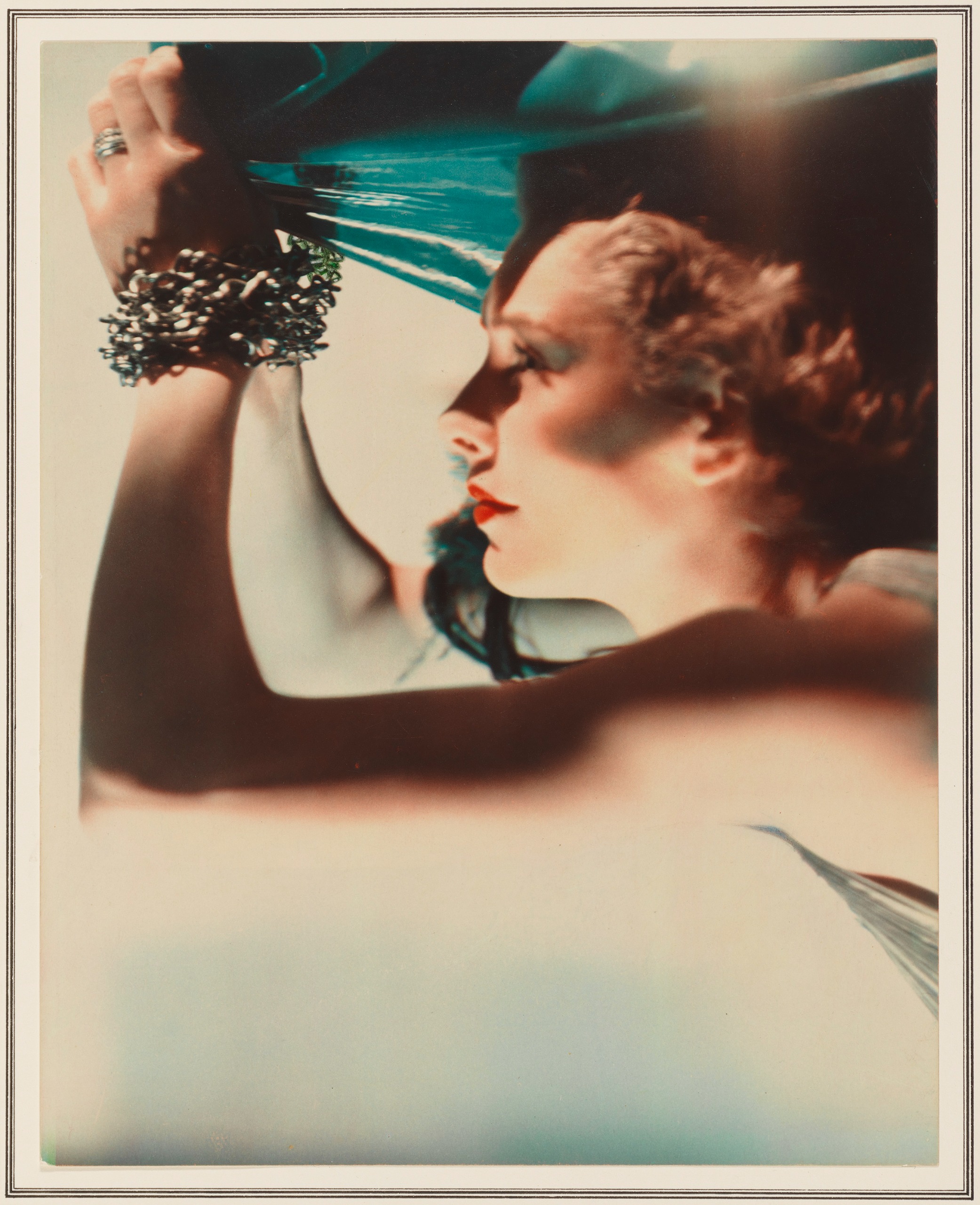
- 1880s–1900s: The emergence of Pictorialism. Pioneering figures like Peter Henry Emerson argued for the importance of "atmospheric" focus, moving away from the microscopic sharpness of early industrial photography.
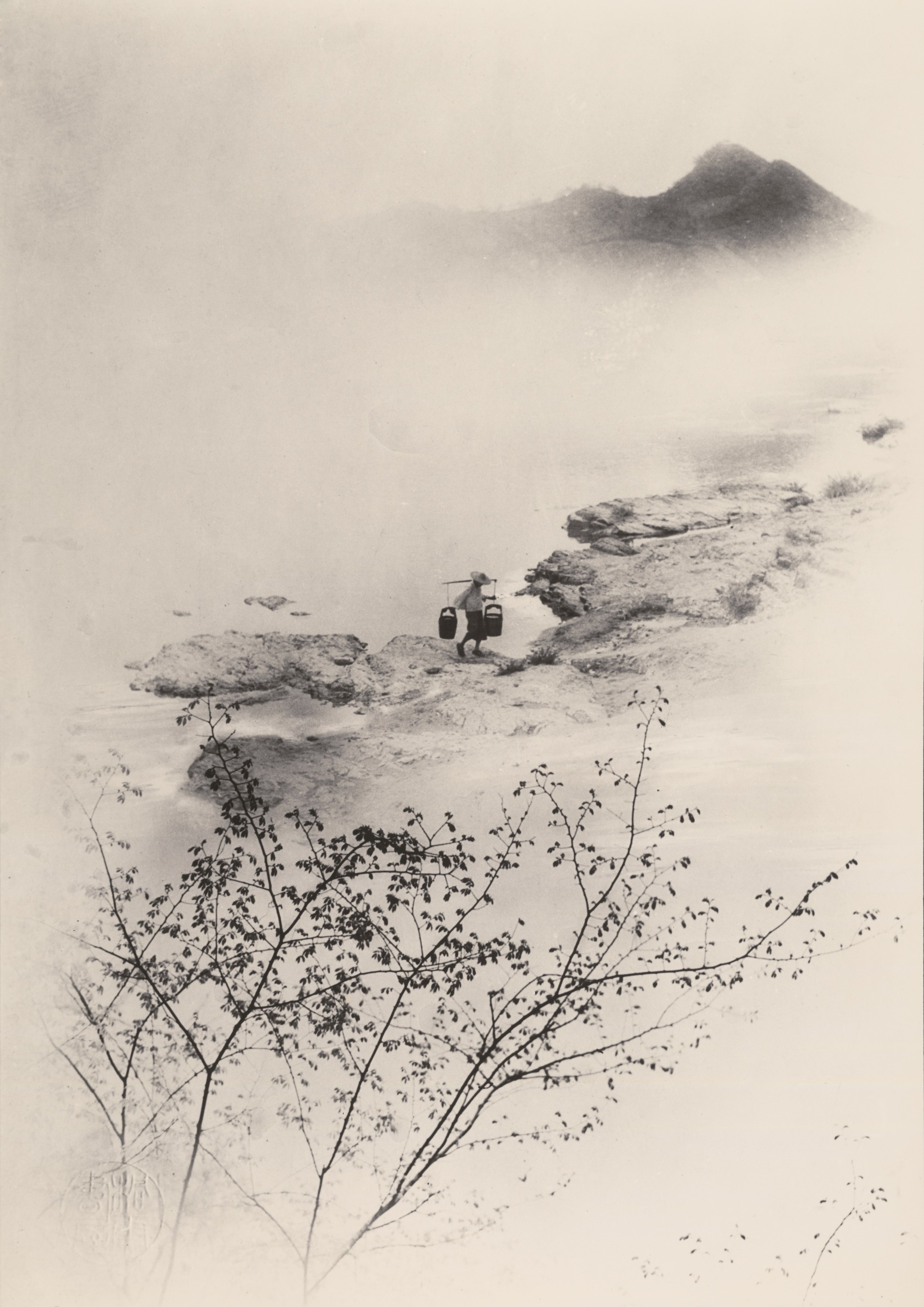
- 1910s–1930s: The height of international influence. The movement expanded beyond Europe, finding deep roots in vibrant artistic hubs like Shanghai, Colombo, and Tokyo. Photographers like Luo Bonian began integrating traditional East Asian aesthetic sensibilities into the darkroom process.
- 1940s–1960s: The experimental transition. As the mid-20th century progressed, the techniques once reserved for softening landscapes were pushed toward abstraction. Artists like Shigeru Onishi and Lionel Wendt utilized extreme darkroom chemical processes, such as solarization, to push the boundaries of what the human eye could perceive.
Supporting Data and Global Scope
The exhibition is notable for its refusal to treat photography as a Western-centric phenomenon. By including works from South Asia, East Asia, and the Americas, the Tate highlights that the desire to manipulate light was a universal pursuit of human expression.
Data points regarding the exhibition’s curation reveal the scale of this historical shift:
- Breadth of Collection: The exhibition encompasses work from 80+ artists across several decades.
- Technical Variety: The display features a range of print media, including gelatin silver prints, gum bichromate, and carbon prints, demonstrating the sheer labor-intensive nature of early "filter" usage.
- Institutional Significance: The inclusion of works from the Royal Photographic Society Collection and the National Gallery Singapore underscores the movement’s lasting impact on the art market and academic history.
The Darkroom as the Original Digital Suite
One of the most compelling aspects of the Tate Modern show is the inclusion of an active, functional darkroom. This installation serves as a bridge between the analog past and the digital present. By observing the chemical processes involved in dodging, burning, and toning, visitors are forced to confront the fact that photography has always been a constructed reality.
For instance, the study of Gathering Water-Lilies (1885) by Peter Henry Emerson and Thomas Frederick Goodall serves as a case study in authorship. Through the manipulation of exposure times and chemical development, the duo created multiple iterations of the same scene, each conveying a distinct emotional temperature. This process is effectively the 19th-century precursor to the "preset" or "filter" culture currently dominating platforms like Instagram and TikTok.
Modern Implications and Expert Analysis
The implication of Light and Magic is clear: the history of photography is a cycle of reaction and counter-reaction. Modern purists who decry digital enhancement as "fake" are participating in a tradition that dates back to the very first time a photographer chose to blur a background to focus on an emotion rather than a detail.
Art historians observing the exhibition note that the movement was not a rejection of technology, but an expansion of it. Figures like Edward Steichen and Paul Strand, who often pivoted between "straight" photography and Pictorialist techniques throughout their careers, demonstrate that these two schools of thought are not opposing camps, but complementary tools in the artist’s repertoire.
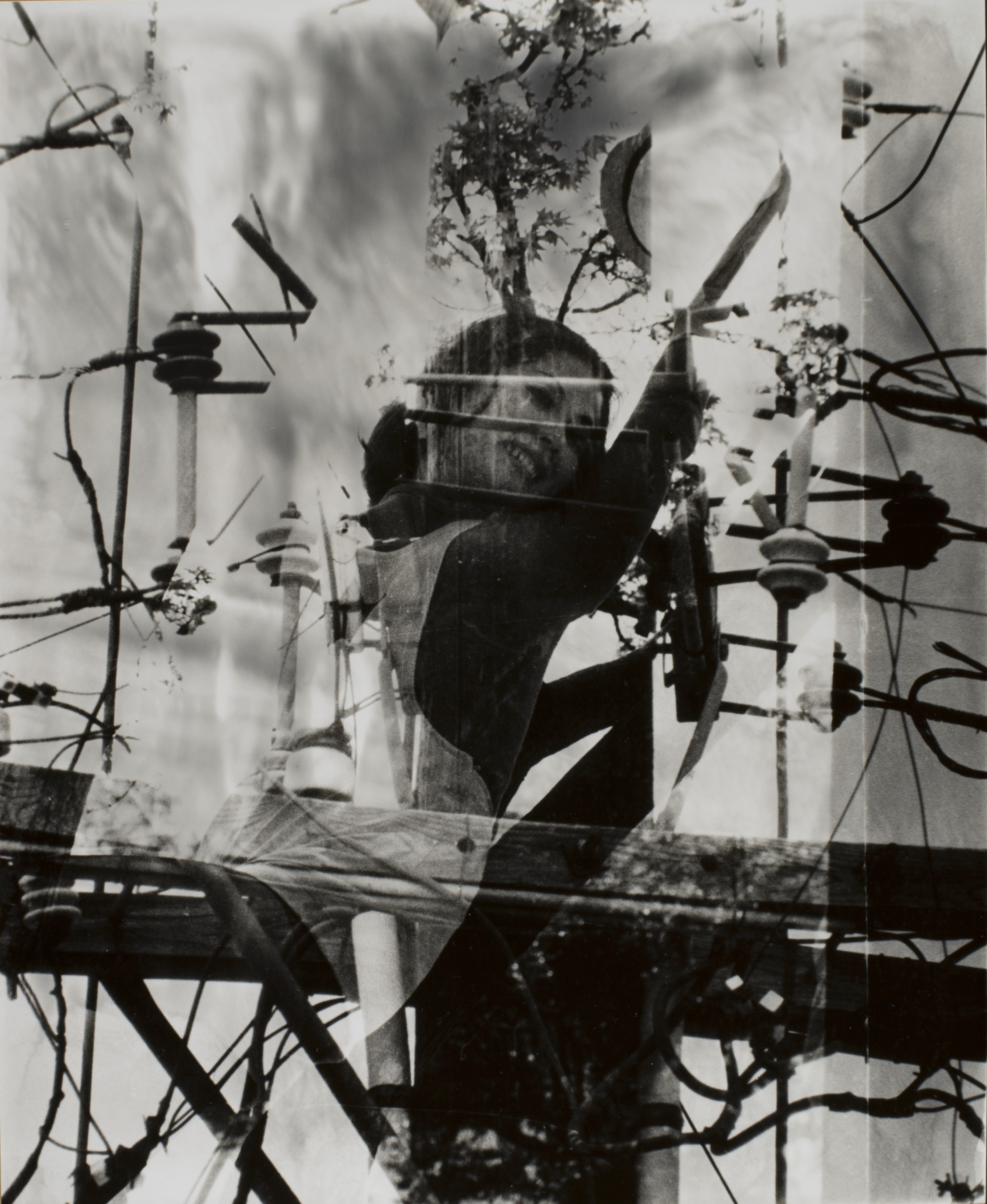
The exhibition further explores how the mid-20th century’s experimental techniques—particularly those of Japanese avant-garde artists—laid the groundwork for modern digital abstraction. When a contemporary photographer uses a smartphone app to apply a high-contrast, grain-heavy filter to a street portrait, they are utilizing a digital shortcut for a process that, in 1950, required hours of chemical immersion and precise lighting control.
The Enduring Legacy of Art Photography
The legacy of the Pictorialists is not merely found in the history books but in the way we view our own digital archives. By elevating the photograph from a record-keeping device to an instrument of subjective art, these early pioneers ensured that photography would remain a living, breathing, and highly contested medium.
As viewers navigate the corridors of the Tate Modern, they are encouraged to consider the phrase plus ça change, plus c’est la même chose—the more things change, the more they stay the same. The tools have shifted from caustic chemicals and textured paper to silicon chips and algorithms, but the fundamental human drive remains unchanged: the desire to capture not just what we see, but what we feel.
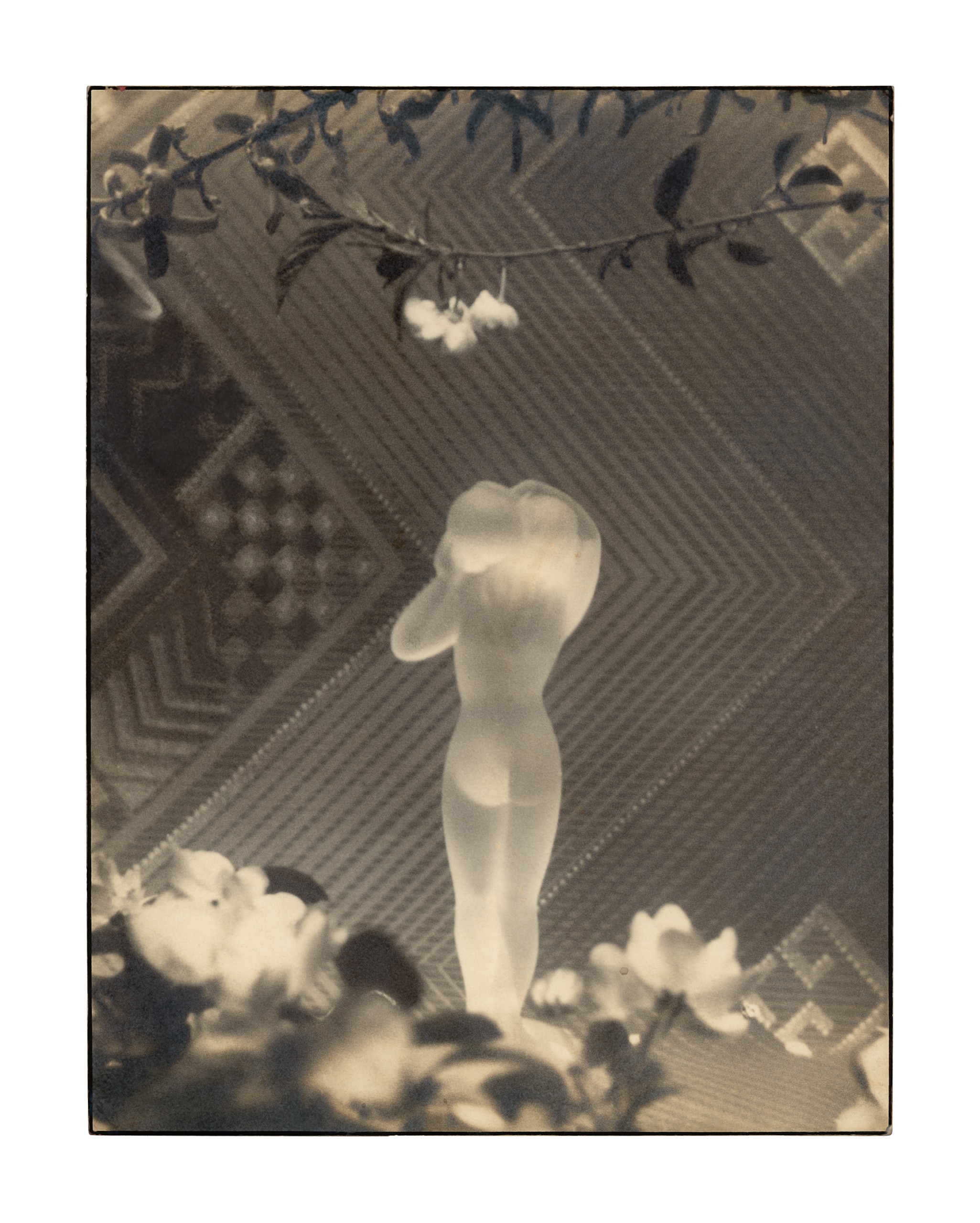
The Light and Magic exhibition will be accompanied by a series of lectures and workshops, allowing the public to engage directly with the printing techniques that defined the early 20th century. For those interested in the craft of post-production, the show provides a rare opportunity to see the "physical filters" that preceded the digital age, reminding us that every image is, and has always been, a curated perspective.
Conclusion
As the digital world continues to debate the ethics of photo manipulation, the Light and Magic exhibition provides a necessary historical anchor. It clarifies that the conflict between the "real" and the "idealized" is not a symptom of modern social media, but a central component of artistic development. By documenting this history with such depth, the Tate Modern serves to broaden the public understanding of photography, proving that the art of the image has always been, and will likely always remain, a process of careful, intentional creation.