US Battery Storage Capacity Surpasses 200 GWh Milestone Driven by Record-Breaking Utility and Regional Deployments

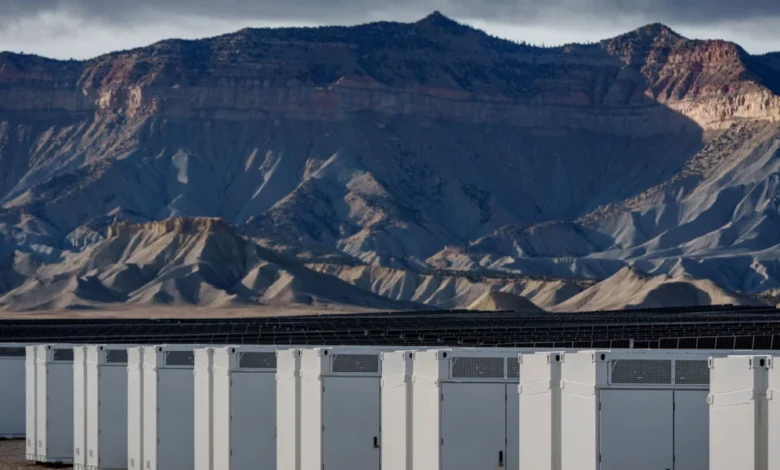
The United States has officially crossed a major threshold in its transition toward renewable energy infrastructure, surpassing 200 gigawatt-hours (GWh) of cumulative battery energy storage capacity nationwide. According to the latest comprehensive market report released jointly by the Solar Energy Industries Association (SEIA) and Benchmark Mineral Intelligence, nearly 50 GWh of new storage capacity has successfully come online during the first nine months of the year alone. This rapid acceleration underscores a structural shift in how the nation generates, stores, and distributes electricity, driven heavily by declining technology costs, state-level procurement mandates, and an urgent need for grid resilience amid escalating weather extremes and rising power demands.
Rapid Growth Across the First Three Quarters
The newly published Q4 market outlook reveals that the United States added 48.3 GWh of battery storage capacity through the end of September. This figure represents a robust 20 percent increase compared to the exact same timeframe in the previous year, highlighting the sustained momentum of the energy storage sector even as supply chains and interconnection queues face ongoing scrutiny.
While the broader annual trajectory remains intensely upward, the third quarter experienced a minor cooling period. During the three-month span ending in September, the US installed 14.3 GWh of storage capacity—marking a slight 1% dip year over year. Analysts attribute this quarterly plateau to normal project completion cycles rather than a cooling of market demand, noting that the sheer volume of projects currently under construction points to a massive wave of upcoming grid integrations.
Utility-scale installations overwhelmingly dominated the third-quarter figures, accounting for 12.2 GWh of the newly operational capacity. Behind the massive grid-scale projects, commercial and industrial enterprises contributed an additional 1.3 GWh, while residential installations accounted for 746 megawatt-hours (MWh). Although residential installations through September were down 12% compared to the previous year—largely because many homeowners accelerated their projects to capture federal incentives prior to the expiration of specific residential clean energy tax credits—the third quarter still marked the strongest Q3 performance on record for home energy storage systems.
Regional Leaders and State-Level Records
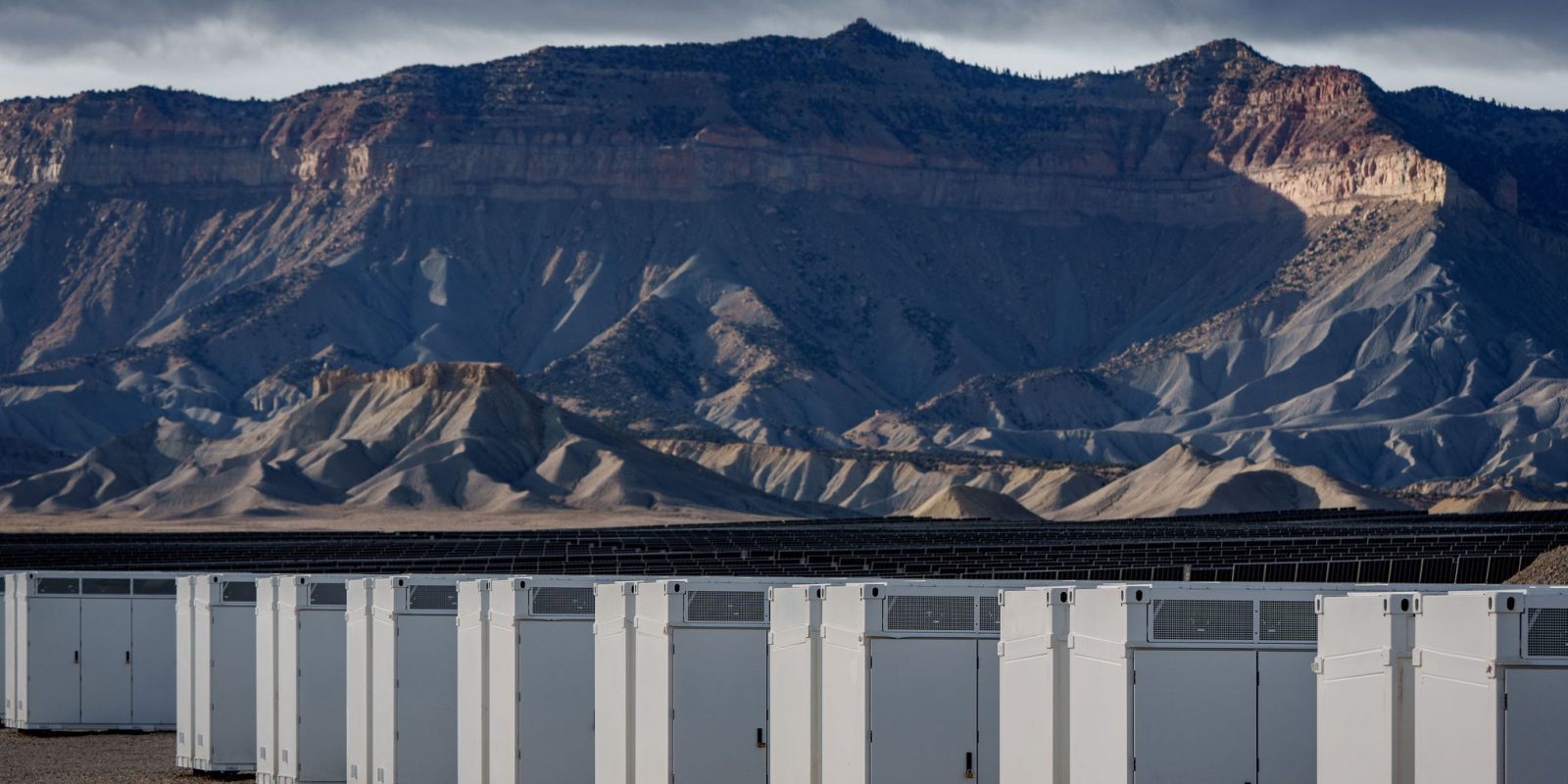
Geographic distribution of these installations highlights distinct regional strategies for managing load growth and integrating intermittent renewable energy sources. Texas has decisively claimed the top spot in nationwide deployments, adding a staggering 12.3 GWh of grid-scale battery storage through September. The Lone Star State’s ERCOT market has increasingly relied on large-scale battery assets to mitigate the volatility introduced by massive wind and solar buildouts.
Arizona secured second place nationally with 7.7 GWh of new capacity, followed closely by California with 6.8 GWh. What is particularly notable about the current deployment cycle is the widespread nature of the adoption. With a full quarter remaining in the year, 11 individual states had already shattered their previous annual storage installation records. This expanded footprint includes states as diverse as Colorado, Massachusetts, Utah, Michigan, Georgia, Mississippi, Virginia, Iowa, Montana, Alabama, and Illinois.
Pete Tillotson, a senior analyst at Benchmark Mineral Intelligence, emphasized the shifting regulatory and commercial framework behind these numbers. "States are moving from targets to centralized procurements," Tillotson noted, pointing to structured procurement mechanisms as a primary catalyst for sustained deployment. A prime example of this trend occurred in September, when New York regulatory bodies and utilities awarded major contracts for eight distinct battery storage projects capable of delivering approximately 950 megawatts (MW) of combined power. Consequently, SEIA and Benchmark have revised their long-term projections upward, now anticipating that total US energy storage capacity across grid, commercial, and residential sectors will reach 708 GWh by 2030, representing a 3.7 percent upward revision from previous forecasts.
Strengthening Domestic Manufacturing Supply Chains
As demand for energy storage systems surges, the domestic manufacturing landscape is undergoing a parallel transformation designed to reduce reliance on foreign supply chains. The domestic capacity to manufacture battery cells has experienced a substantial boost following the inauguration of new production facilities. A major manufacturing plant commenced operations in Tennessee in July, followed by another large-scale facility opening in Indiana in October.
These strategic additions have propelled total US battery cell manufacturing capacity to 92.4 GWh, reflecting a dramatic 50 percent increase in domestic production capability. Policymakers and industry leaders view this vertical integration as vital for shielding the clean energy transition from international trade disruptions, logistical bottlenecks, and geopolitical friction. By anchoring cell manufacturing within domestic borders, the US clean energy sector aims to secure a more resilient and predictable supply of the hardware required for both utility-scale and distributed energy projects.

The Complex Impact on Consumer Electric Bills
While the large-scale integration of solar and battery storage has fundamentally altered the economics of wholesale power generation, the direct impact on everyday consumer electric bills remains a subject of intense public debate and economic analysis.
According to a detailed inflation-adjusted analysis conducted by SEIA, the proliferation of utility-scale solar and battery storage played a pivotal role in driving down average summer wholesale power prices by 42 percent in Texas’s ERCOT market and 51 percent in California’s CAISO market between 2021 and the present. During periods of peak electricity demand, grid operators were able to tap into stored energy reserves rather than dispatching expensive, fossil-fuel-peaker power plants, effectively capping runaway wholesale electricity costs during periods of extreme heat.
However, consumers examining their monthly utility statements have often struggled to see these wholesale savings reflected at the retail level. While the baseline cost of generating power for households actually declined in both California and Texas during the analyzed period, the cost associated with delivering that electricity safely and reliably to residential homes trended significantly upward.
Overall, residential electric bills rose by an average of 22 percent across the two major California utilities examined in the study, and by 3 percent across the Texas utility sample. Analysts explain that these increases are primarily driven by necessary investments in transmission and distribution infrastructure. In California, utilities have been forced to invest heavily in grid hardening, undergrounding power lines, and advanced vegetation management to mitigate the catastrophic risk of wildfires. In Texas, grid operators are rapidly expanding transmission corridors to accommodate surging industrial and residential demand driven by population growth and data center expansion, while simultaneously reinforcing the system to withstand severe weather events.
Legislative Battles and Permitting Reform Debates
Recognizing that transmission bottlenecks and protracted regulatory approval processes represent significant obstacles to the continued deployment of clean energy infrastructure, the political arena has seen heightened activity regarding federal permitting reform.

In a unified push last week, more than 300 solar and energy storage companies operating across the United States dispatched a formal letter to Congress, urging lawmakers to pass the Bipartisan American Affordability and Jobs Act. Proponents of the legislation, including SEIA CEO Tim Pawlenty, argue that comprehensive permitting reform is an absolute necessity to accelerate the construction of high-voltage transmission lines, streamline project approvals, and ultimately alleviate upward pressure on consumer power prices.
Despite broad industry backing, the legislative path forward remains politically charged. Many progressive Democrats have expressed concerns that the proposed permitting package falls short on environmental safeguards or leans too heavily in favor of traditional energy interests. Nevertheless, the legislative machinery has continued to turn. In a crucial procedural vote, the US Senate voted 70 to 27 to successfully end debate on the legislative amendment containing the bill’s text, propelling the measure one step closer to a final floor vote and setting the stage for what will likely be a defining debate over the future of American energy infrastructure development.