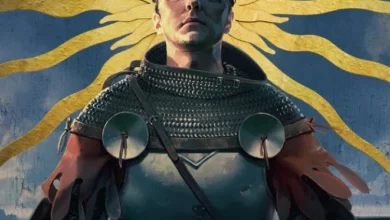
Devolver Digital challenges the launch of GTA 6 by incentivizing fans to delete their pre-loads for a chance to win Volvys Adventure Reslimed

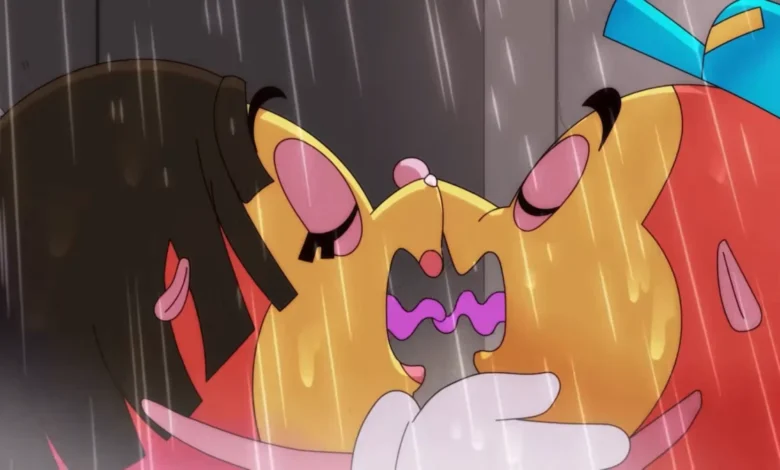
The gaming industry is currently braced for what is arguably the most significant commercial event of the decade: the worldwide release of Grand Theft Auto 6. As Rockstar Games prepares to unlock its highly anticipated open-world title at midnight on November 19, an unconventional marketing campaign has emerged from the offices of Devolver Digital. The indie publisher, known for its irreverent approach to industry norms, has officially launched an initiative encouraging players to delete their GTA 6 pre-load files in exchange for a chance to win a copy of their latest platformer, Volvys Adventure: Reslimed.
This marketing maneuver serves as the culmination of a year-long narrative arc orchestrated by Devolver Digital, positioning their mascot, Volvy, as the antithesis to the hyper-realistic, blockbuster scale of Rockstar’s latest project. While the giveaway is framed through the lens of a lighthearted rivalry, it highlights the stark contrast between the resource-heavy requirements of modern AAA gaming and the lean, nostalgic design philosophy of independent developers.
A Chronology of the Standoff
The seeds of this peculiar promotional campaign were sown in May 2025, when Devolver Digital first signaled its intention to disrupt the eventual release of GTA 6. At that time, the publisher issued a public declaration via social media, stating their intent to release a new title on the exact same day that Rockstar Games would choose for its high-profile launch. As the release date for GTA 6 shifted due to industry-wide development cycles and internal scheduling changes, Devolver Digital maintained its commitment, pivoting their launch calendar to mirror the Rockstar timeline with each subsequent update.
By November 2024, the campaign had matured into its current iteration. The publisher began soliciting fan participation through social media platforms, requiring users to submit video evidence of themselves deleting the substantial pre-load files of GTA 6—often exceeding 200 gigabytes—accompanied by the hashtag #MakeRoomForVolvy. This orchestrated antagonism serves as a satirical commentary on the "console war" mentality that has historically dominated the gaming discourse, albeit repurposed for a modern digital landscape where storage space management has become a genuine concern for console and PC users alike.
Technical Context and Storage Realities
The premise of the giveaway relies on the significant storage footprint required by modern, high-fidelity titles. With GTA 6 expected to demand upwards of 212 gigabytes of hard drive space, the act of deleting such a file represents a substantial commitment of bandwidth and time for the average user. Devolver Digital has acknowledged the irony of this request, particularly regarding platform availability.
Despite the call to action, which targets the massive installation sizes common on PlayStation 5 and Xbox Series X/S, Volvys Adventure: Reslimed is a PC-exclusive title. The publisher clarified that while they appreciate the performative gesture of deleting console-based files, the prize remains strictly limited to Steam keys. This creates a technical disconnect that underscores the absurdity of the campaign: users are essentially asked to delete a massive console file to win a modest, side-scrolling PC game that requires a fraction of the storage space.
The Evolution of Volvy as a Mascot
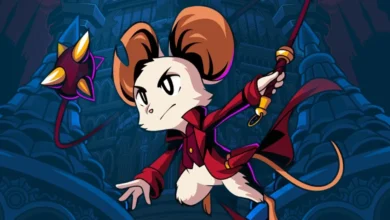
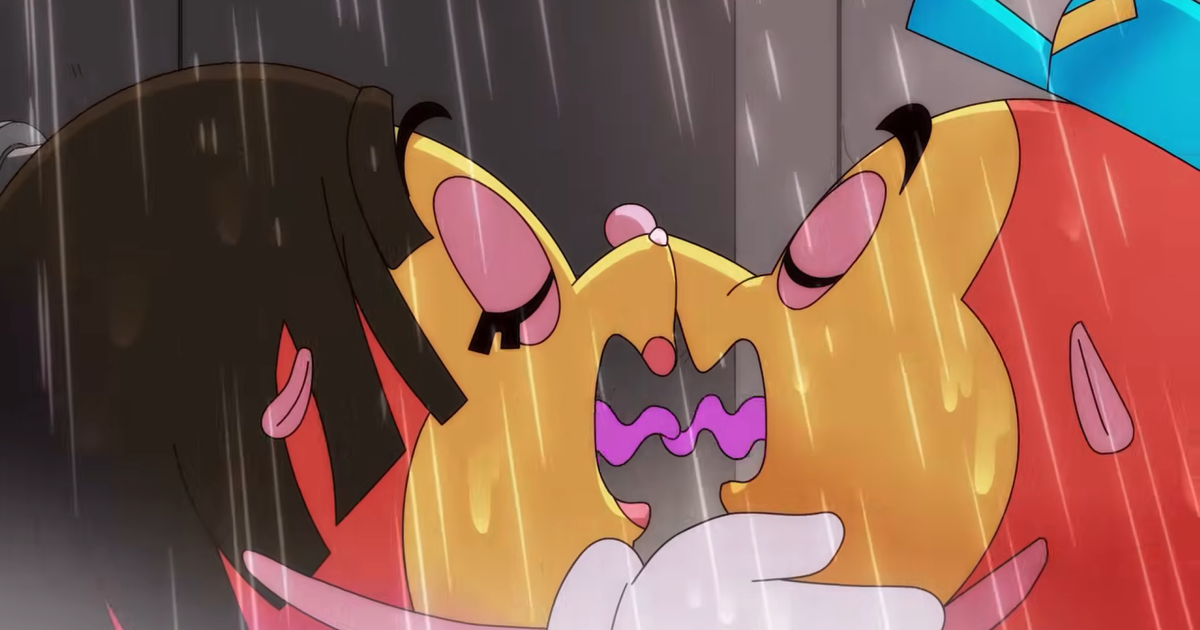
Volvy, the mouse-like mascot featured in the title, has undergone an extensive internal evolution within Devolver Digital’s branding. Initially conceived as a recurring joke during the publisher’s annual "notE3" digital presentations, Volvy was portrayed as a veteran mascot with a long, illustrious, and entirely fabricated history in the gaming industry. The character’s appearance in Volvys Adventure: Reslimed marks his first legitimate transition from a promotional gag to a playable protagonist.
The game itself, developed by doinksoft—the studio previously responsible for titles such as Gunbrella and Gato Robot—is described as a "remaster of the original remake." This phrasing is part of a sustained commitment to the bit; the game functions as a high-speed, side-scrolling action-platformer. Players navigate obstacles using the character’s oversized hand to traverse gaps and bypass environmental hazards. By leaning into this meta-narrative, Devolver Digital creates a layer of "insider" humor that rewards long-term followers of their brand while simultaneously providing a functional, if intentionally retro, gameplay experience.
Broader Implications for Indie Marketing
The strategy employed by Devolver Digital reflects a broader shift in how independent publishers engage with the mainstream gaming audience. In an era where AAA titles dominate the headlines and marketing budgets, smaller studios often struggle to maintain visibility during major release windows. By intentionally placing themselves in direct opposition to a "goliath" like Rockstar Games, Devolver leverages the news cycle surrounding the larger title to generate organic interest in their own product.

Industry analysts suggest that this "David vs. Goliath" framing provides several tactical advantages:
- Brand Differentiation: It reinforces Devolver’s identity as a counter-culture force within the industry, fostering loyalty among players who value independent development over the corporate-driven blockbuster model.
- Viral Potential: The inherent humor of asking players to delete a 200GB game for a small indie title creates high-engagement content for social media algorithms, resulting in "earned media" that far exceeds the reach of traditional advertising.
- Low-Cost Acquisition: By utilizing a contest format, the publisher incentivizes community participation, turning potential customers into brand advocates who produce their own promotional content via the submission videos.
Analysis of the Competitive Landscape
From a financial perspective, the risk to Devolver Digital is negligible. The cost of a Steam key is vastly lower than the potential value of the exposure gained by aligning their brand with the biggest game release of the year. Furthermore, the parody trailer—which mimics the aesthetic and tone of GTA 6’s own promotional materials—serves to humanize the publisher, making the brand appear more accessible and self-aware compared to the more guarded, high-security nature of AAA marketing departments.
However, the campaign also highlights the growing divide in the gaming ecosystem. On one side, the industry is trending toward ever-increasing graphical fidelity and massive file sizes, requiring robust hardware and significant time investments. On the other, the indie sector continues to focus on "gameplay-first" design, often favoring aesthetic cohesion and mechanical depth over technical scale.
As the gaming market continues to fragment, the success of campaigns like the one for Volvys Adventure: Reslimed suggests that developers who can navigate the cultural conversation with humor and originality are finding ways to thrive even in the shadows of the industry’s largest releases. While it is unlikely that any significant portion of the gaming population will permanently abandon GTA 6 in favor of Volvy, the campaign has successfully ensured that, for a brief moment, the discourse surrounding the year’s biggest launch includes a mention of the mouse-eared platformer.
Conclusion
The release of Volvys Adventure: Reslimed stands as a testament to the power of creative marketing in a crowded digital marketplace. By transforming a release-date clash into a collaborative, community-driven event, Devolver Digital has managed to capture attention in the most competitive window of the fiscal year. Whether or not the tactic results in sustained long-term sales, it has successfully established a unique narrative that will likely be studied as a case study in effective, low-budget brand positioning. As players weigh the hours required to download and install GTA 6, they are simultaneously reminded that the gaming landscape remains broad enough to accommodate both the titans of the industry and the small, experimental projects that define the indie spirit.