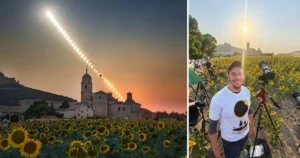
The Art of Perspective: How Leading Lines Define the Narrative in Global Photojournalism

The power of a singular image often lies not in its resolution or color, but in its underlying geometry. For photojournalists, the challenge is to distill complex, often chaotic events into a coherent visual narrative without the benefit of staging or digital manipulation. Among the various techniques employed to achieve this, the use of "leading lines"—a compositional strategy that uses physical or implied lines to guide the viewer’s eye toward a focal point—remains one of the most effective tools for storytelling. By analyzing the imagery emerging from this week’s global events, we can see how these structural choices provide context, emotional weight, and clarity to otherwise overwhelming scenes of tragedy, tradition, and protest.
The Anatomy of Tragedy: Documentation in Bukavu
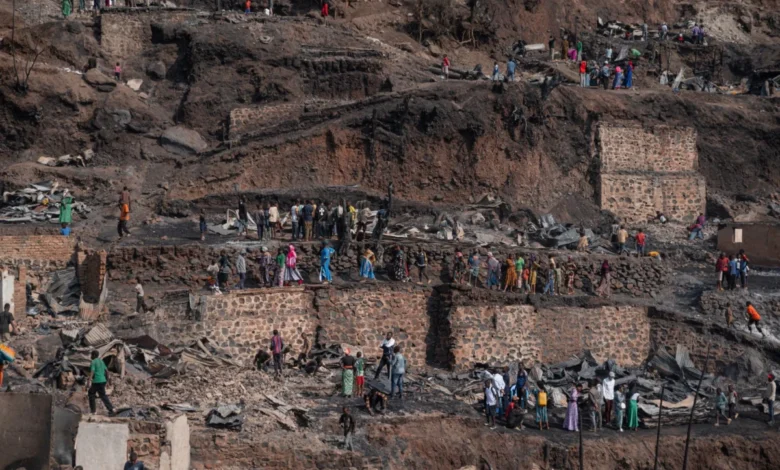
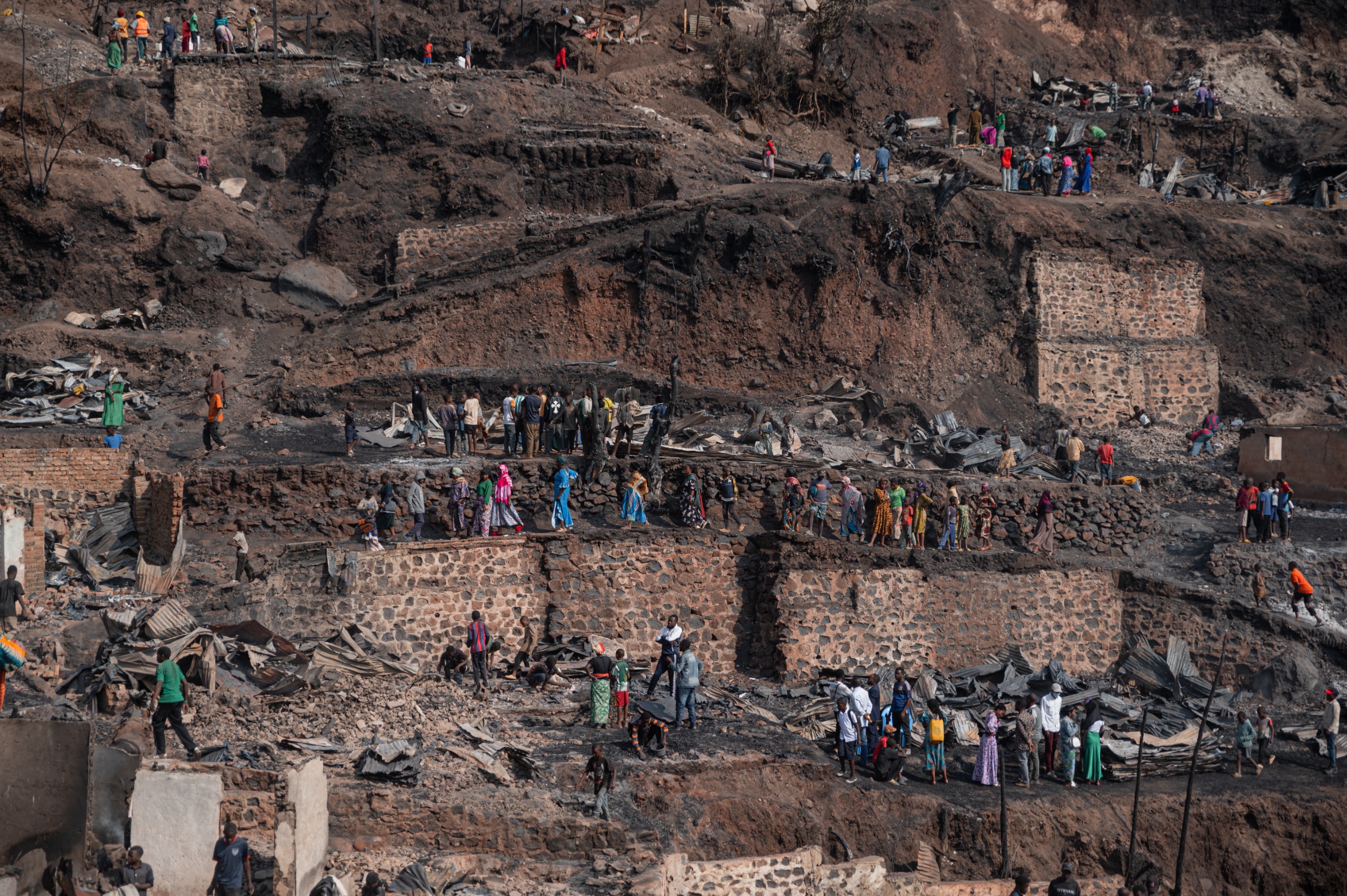
The recent fire in Bukavu, Democratic Republic of the Congo, serves as a harrowing example of how composition can frame a humanitarian crisis. On September 11, 2026, a devastating blaze erupted at a local school, triggering a stampede that ultimately claimed the lives of 29 individuals, including students and educators. The incident, which decimated approximately 500 homes, left a community grappling with profound loss.
In the imagery captured by photojournalist Jospin Mwisha, the scene is defined by the stark, linear movement of residents navigating the debris-strewn streets. The composition utilizes the natural path of the thoroughfare to lead the viewer’s eye through the charred remains of the neighborhood. This is not merely an aesthetic choice; it serves to quantify the scale of the destruction. By placing human figures against the backdrop of systemic ruin, the photograph forces a confrontation with the reality of the disaster.
Local authorities have since launched an investigation into the origin of the fire, which reportedly started in the school before spreading rapidly through the densely packed residential area. The high death toll has prompted national calls for stricter building codes and fire safety regulations in urban centers. The visual record of this event underscores the vulnerability of the region’s infrastructure and the human cost when safety measures fail.
Symmetry and Tradition: The Narathiwat Bird Competition
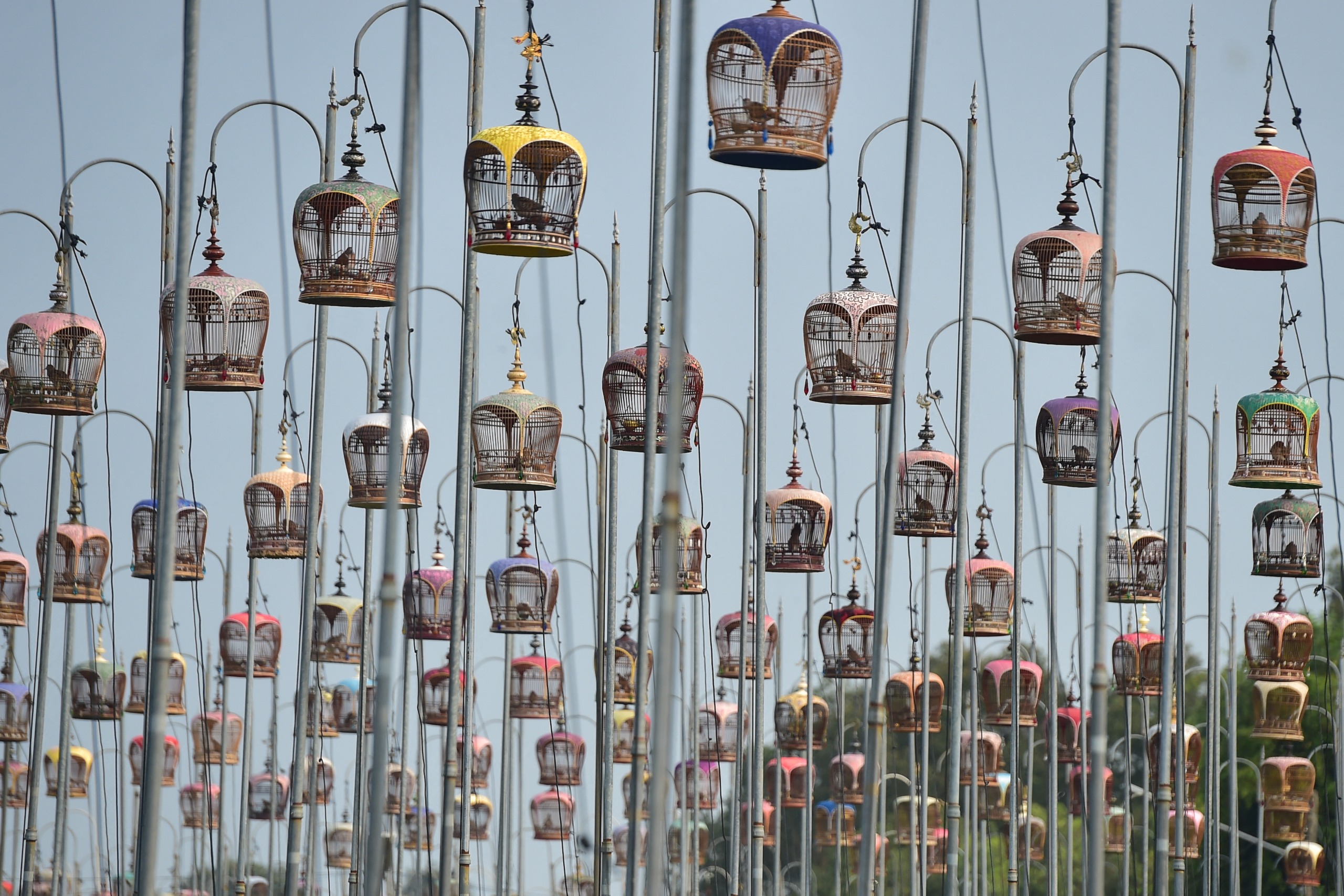
In contrast to scenes of tragedy, photography can also organize complex cultural phenomena through the use of patterns and symmetry. The annual bird-singing competition in Thailand’s Narathiwat province, held on September 16, 2026, provides a striking visual study in order. The event, which centers on the competitive singing of zebra doves for the prestigious Royal Trophy awarded by Princess Maha Chakri Sirindhorn, creates a scene of extreme visual density.
Photographer Madaree Tohlala utilized the rows of suspended cages to create a grid-like composition. This use of repetitive lines does more than satisfy the eye; it highlights the discipline and ritualized nature of the competition. By capturing the uniformity of the cages, the image allows the viewer to process the scale of the event—which draws participants from across the region—without becoming lost in the individual details of each bird. The juxtaposition of nature (the birds) and artificial structure (the cages) serves as a visual metaphor for the human desire to categorize and celebrate local heritage.
The Geometry of Despair: Gaza’s Rubble
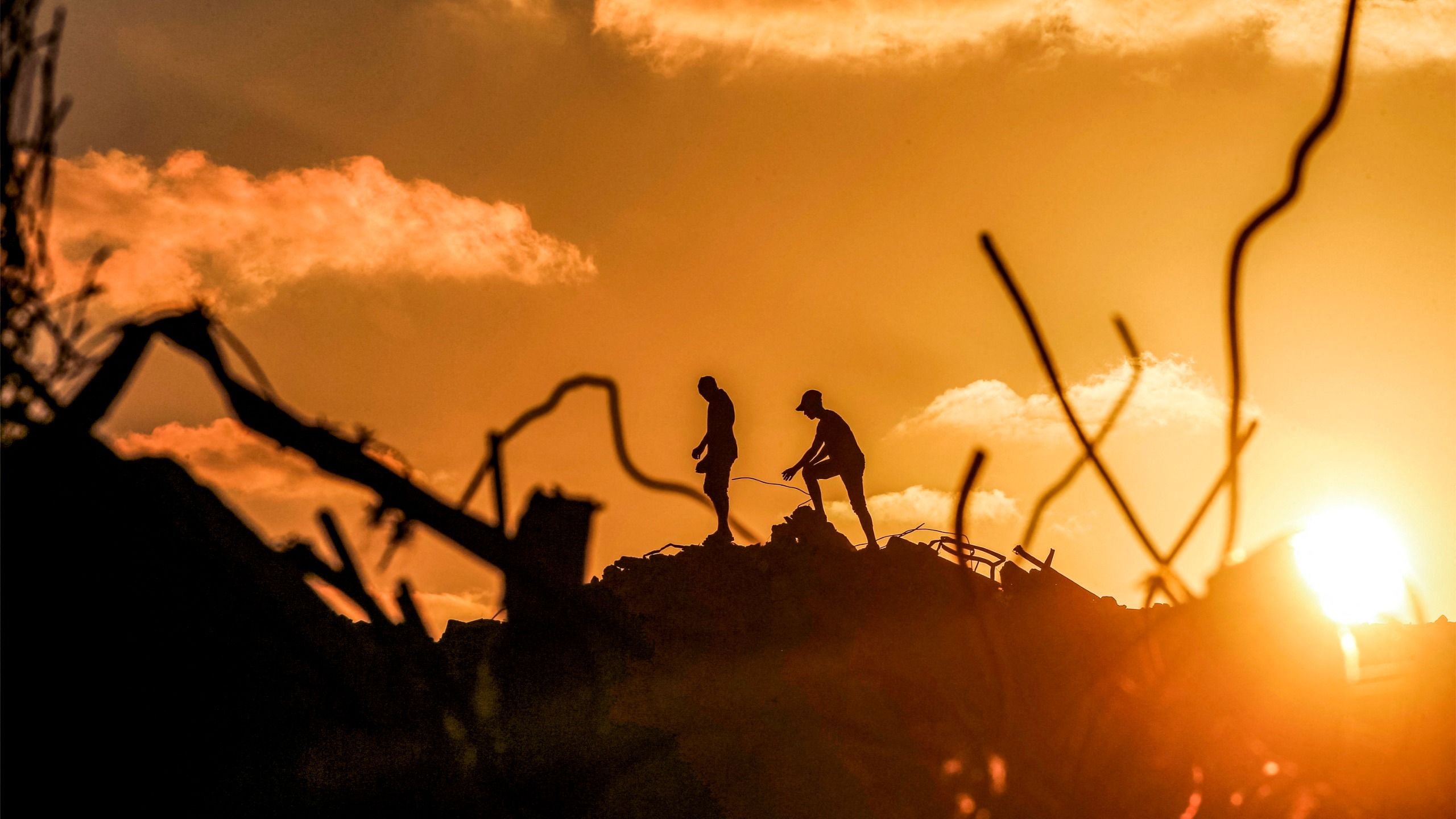
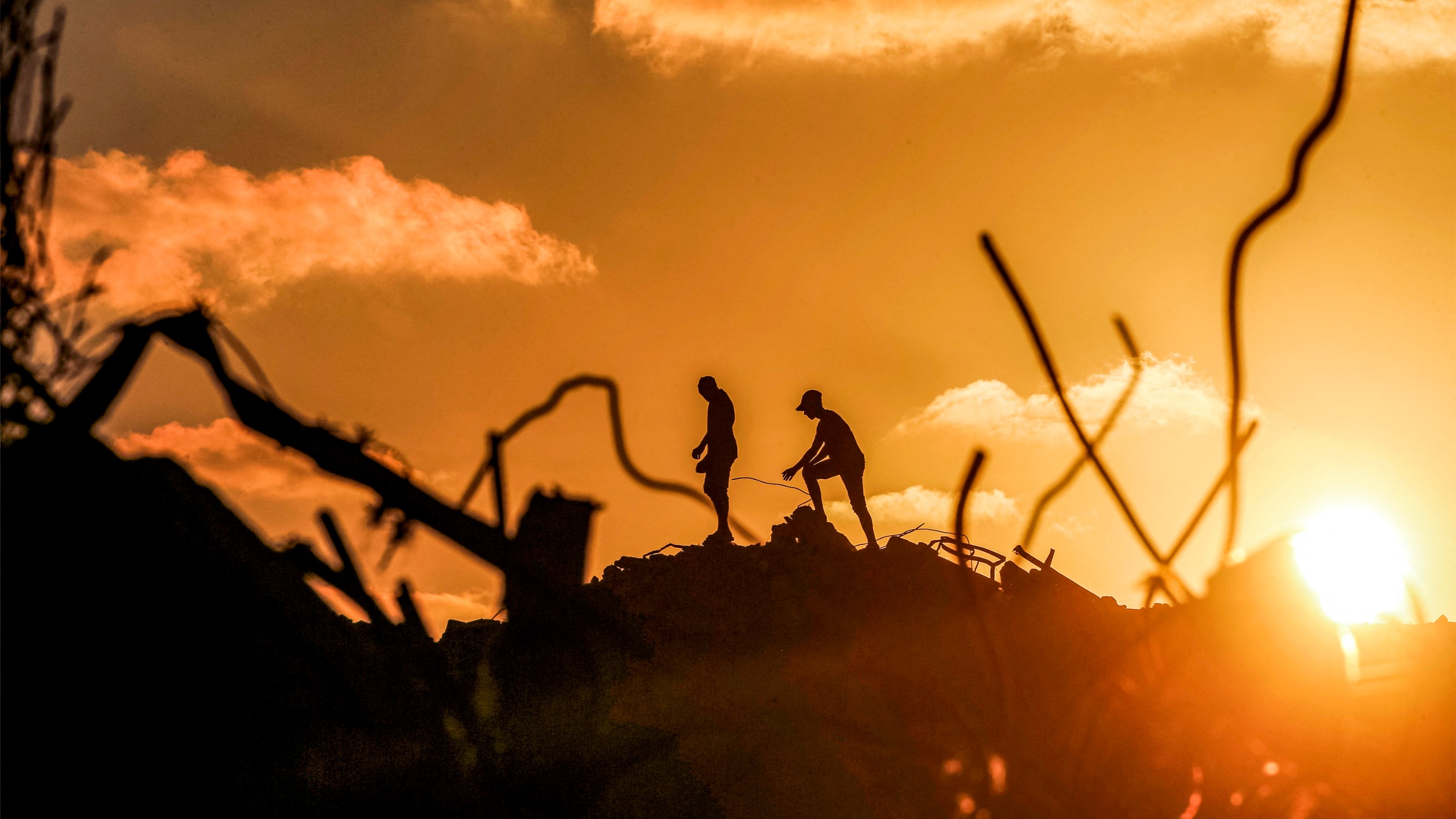
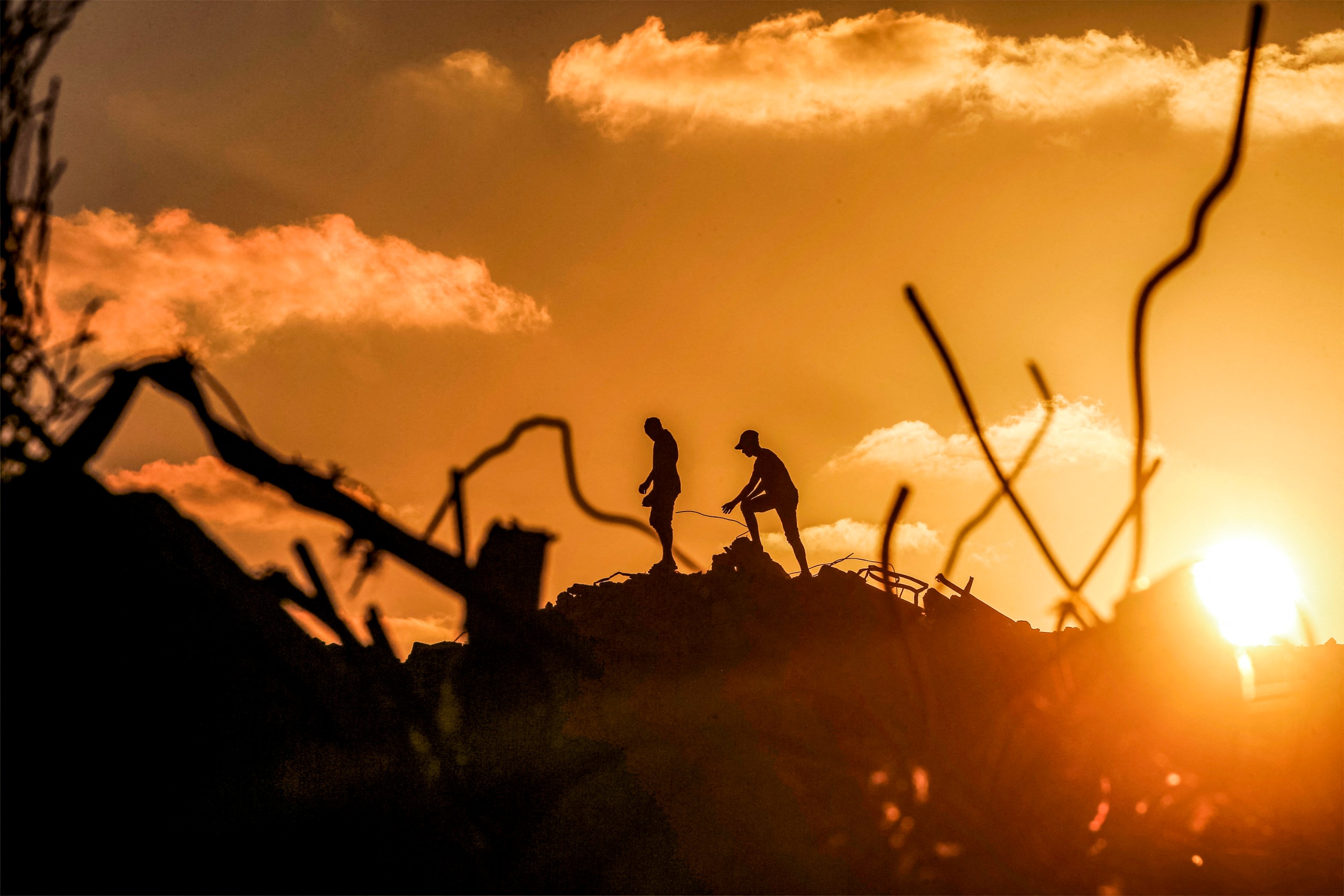
The architectural landscape of war is rarely orderly, yet photographers often find the hidden geometry within the chaos to highlight the gravity of the situation. In the Bureij camp for Palestinian refugees, a photograph captured by Eyad Baba on September 14, 2026, illustrates the intersection of light and structural failure.
The image depicts two figures walking through a landscape of debris, backlit by the sun. The "leading lines" in this composition are not traditional—they are the jagged, irregular edges of shattered concrete and twisted rebar. These lines, which would typically represent the walls of homes, are now collapsed and angled, creating a visual rhythm of destruction. The low-angle perspective forces the viewer to look up from the rubble, emphasizing the scale of the damage following an airstrike on September 9.
This documentation comes amidst an ongoing humanitarian crisis in the central Gaza Strip. Following an evacuation order and subsequent military operations, organizations such as the UN and various human rights groups have raised alarms regarding the displaced population’s lack of shelter and essential resources. The image serves as a visual document of the long-term displacement and the total erasure of living spaces that defines the current conflict.
Reflective Geometry: The 25th Anniversary of 9/11
The use of lines can also serve a commemorative function, as seen in the work of Gary Hershorn, who captured a poignant moment at the Empty Sky 9/11 Memorial in Jersey City on the 25th anniversary of the attacks. The memorial’s design features two massive stainless-steel walls that reflect the New York City skyline.
In Hershorn’s composition, the leading lines created by the memorial walls draw the viewer’s eye directly toward One World Trade Center in the distance. This is a deliberate visual connection between the site of remembrance and the site of reconstruction. The inclusion of a person touching the wall adds a human element that softens the cold, industrial lines of the architecture. The photograph acts as a bridge between the past and the present, capturing the weight of two-and-a-half decades of reflection.
The Intersection of Protest and Space: London’s Silent Demonstration
Compositional techniques are equally powerful when applied to civil disobedience. On September 11, 2026, in London, animal rights activist Michelle Farnham began a three-week protest by confining herself inside a pig farrowing crate outside the National Gallery. The goal of the demonstration is to draw public attention to the welfare standards in industrial farming.
Photographer Brook Mitchell utilized the rigid, vertical bars of the metal crate to act as a cage for the viewer’s attention. By employing a slow shutter speed, Mitchell captured the blurred movement of passersby in contrast to the static, centered figure of the protester. The lines of the crate serve a dual purpose: they represent the confinement of the animals the protest seeks to highlight, while the movement blur surrounding them emphasizes the indifference or haste of the public passing by. This technique effectively highlights the isolation inherent in high-profile activism.
The Broader Implications of Visual Storytelling
These five examples illustrate the enduring relevance of traditional photography principles in a digital age. Whether the subject is the aftermath of a natural disaster, the pageantry of a cultural competition, or the intensity of a political protest, the structural choices made by the photographer dictate how the viewer processes the information.
In an era of high-speed content consumption, the ability to direct the eye—and by extension, the thought process—of an audience is a critical skill. By utilizing leading lines, photographers are not merely recording events; they are creating a framework for empathy and understanding. As news organizations continue to navigate the complexities of global events, the reliance on high-quality, compositionally sound photojournalism remains essential for providing a factual and balanced record of history as it unfolds.
The implications for future photojournalism are clear: as the subjects of our global narrative become increasingly complex, the need for photographers who can synthesize that chaos into a clear, compelling, and honest visual language will only grow. The images discussed here are not just individual snapshots; they are parts of a larger, evolving archive that defines our current era. Through the disciplined application of light, shadow, and line, these photographers have ensured that these moments remain etched in the collective consciousness, transcending the temporary nature of the news cycle.