French Union Accuses Microsoft of Sabotaging Marvel’s Blade Development Prior to Arkane Studios Closure Threats

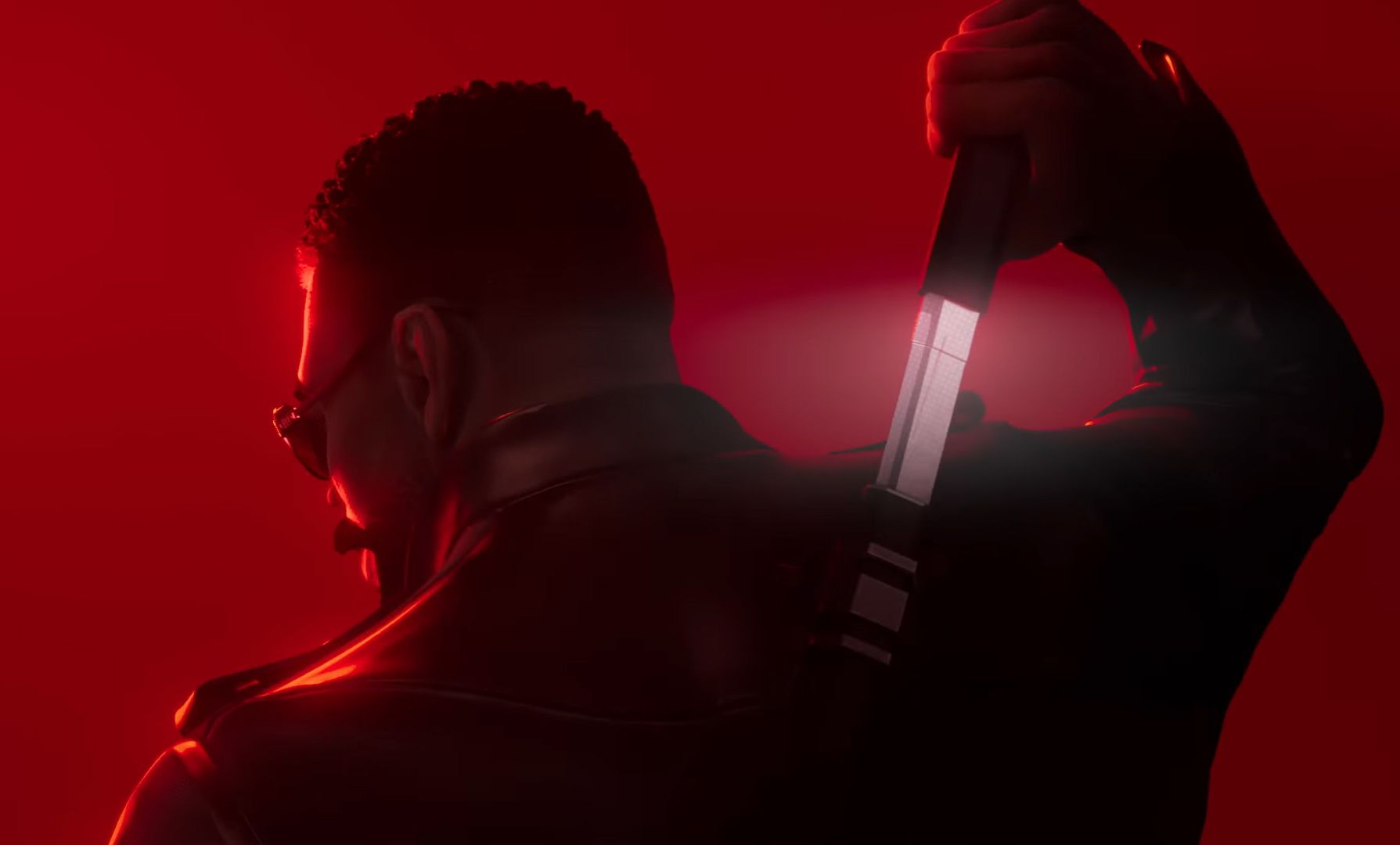
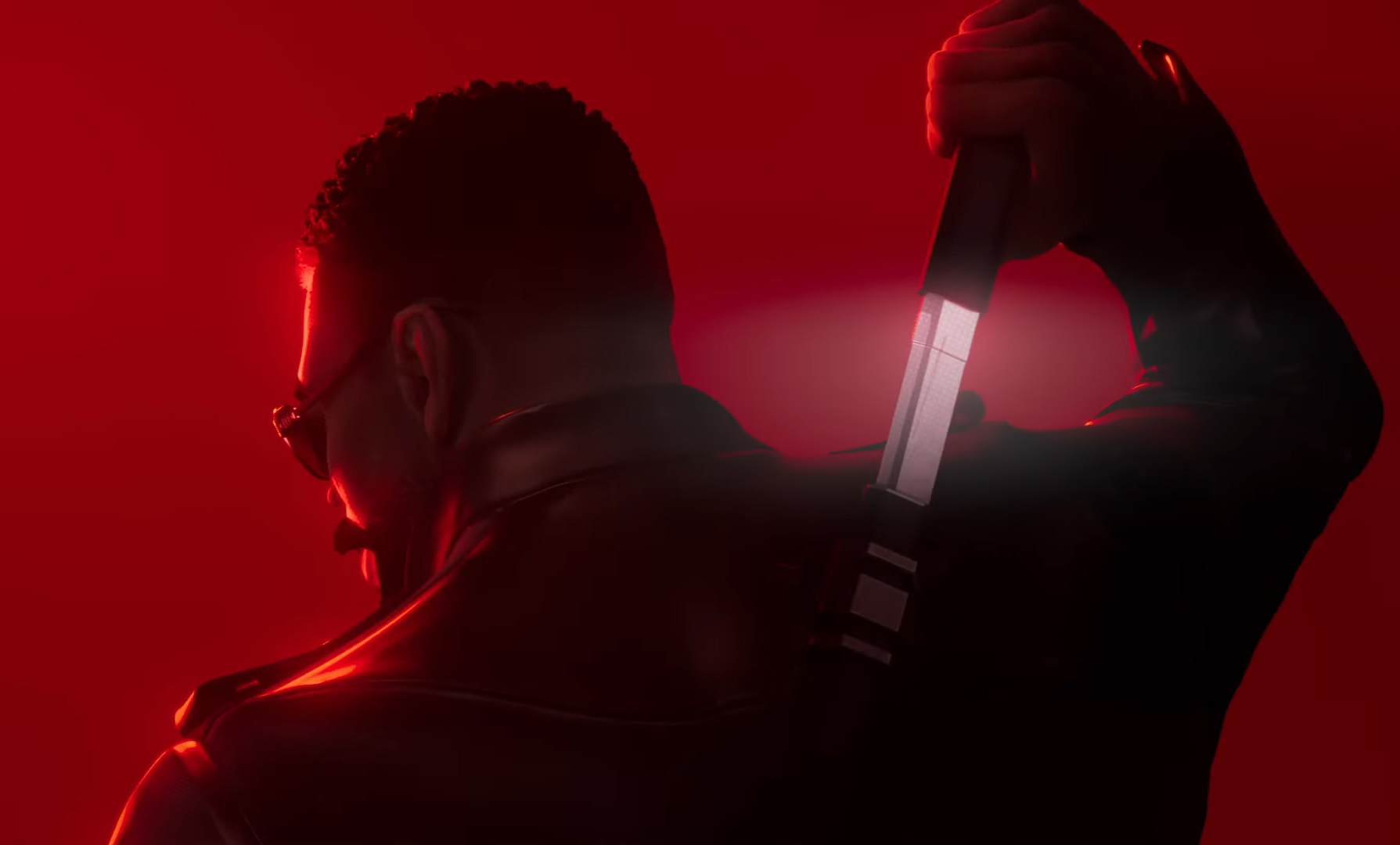
The French video game industry union Syndicat des Travailleureuses du Jeu Vidéo (STJV) has leveled severe accusations against tech giant Microsoft, claiming the corporation deliberately sabotaged the development of Marvel’s Blade to manufacture an economic justification for closing Arkane Studios. The union argues that the studio’s impending closure is not the result of organic failure or poor performance, but rather the predictable outcome of corporate policy decisions, specifically a protracted hiring freeze that artificially inflated project timelines and operational costs.
According to statements released by the STJV, the production of Marvel’s Blade has been progressing steadily and remains entirely on par with the renowned quality of Arkane’s historical catalog. The studio is celebrated globally for its contributions to the immersive sim genre, having developed critically acclaimed titles such as the Dishonored series, Prey, Deathloop, and Dark Messiah of Might and Magic. Despite this established track record of creative output, employees are now confronting the imminent prospect of unemployment due to what the union describes as engineered financial pressures.
Background Context and the Hiring Freeze Controversy
At the heart of the dispute is a 19-month hiring freeze imposed across the studio by Microsoft leadership. The STJV asserts that this mandate created critical operational bottlenecks, forcing existing development teams to shoulder unsustainable workloads while preventing the studio from scaling up to meet the demands of a high-profile, AAA superhero project like Marvel’s Blade.
Union representatives argue that Microsoft subsequently weaponized the very delays and budgetary strains caused by its own hiring restrictions, citing them as economic evidence of project mismanagement. In official communications, the STJV stated that Microsoft chose to justify the studio’s closure on economic grounds, despite the fact that Microsoft itself engineered those very economic conditions.
Financial analysts and labor advocates have noted that shutting down Arkane Studios defies traditional financial logic. Industry observers point out that terminating a nearly completed project and paying severance to hundreds of specialized developers frequently incurs higher immediate costs than simply allowing the studio to finish production and commercialize the intellectual property. Furthermore, the union maintains that Arkane remains fundamentally profitable, though it evidently fails to meet the hyper-growth profit margins demanded by Microsoft’s overarching corporate strategy.
Chronology of the Crisis and Xbox Layoffs
The threat to Arkane Studios is part of a broader, systemic contraction within Microsoft’s gaming division. The situation unfolded against a backdrop of sweeping corporate restructuring. Earlier in the fiscal cycle, Xbox leadership announced massive reductions in its workforce, impacting thousands of employees and resulting in the closure or downsizing of multiple internal studios.
The timeline of distress for Arkane began well before the public announcement of studio closures, characterized by internal anxiety following Microsoft’s acquisition of ZeniMax Media, the parent company of Bethesda Softworks and Arkane. Following the merger, integration efforts were accompanied by centralized mandates, including stringent budgetary controls and resource allocations that heavily restricted studio autonomy.
When the latest wave of Xbox layoffs hit the industry—affecting thousands of workers globally and targeting multiple development houses—Arkane was thrust into immediate vulnerability. Despite initial reports indicating that the studio might be entirely shuttered, subsequent industry reporting suggested that external entities, including French multinational video game publisher Ubisoft, had expressed interest in acquiring Arkane Studios to salvage its operations and retain its talent pool.
Union Demands and Corporate Accountability
In response to the crisis, the STJV has adopted a militant stance, issuing a comprehensive list of demands directed squarely at Microsoft. The union emphasizes that as a trillion-dollar corporation with virtually limitless financial resources—evidenced by a net income of $36.6 billion in the first quarter of fiscal year 2027 alone—Microsoft holds a profound moral and legal obligation toward the workers whose livelihoods have been disrupted.
The union’s demands are structured around two core pillars: immediate self-determination during acquisition negotiations and robust financial compensation should the closure go forward. Specifically, the STJV has called for:
- Full transparency and employee representation in any ongoing acquisition talks to give workers direct control over decisions shaping their professional futures.
- Severance packages and transition funds that far exceed statutory minimums, scaled appropriately to reflect Microsoft’s immense corporate wealth and profitability.
- Accountability measures ensuring that corporate leadership cannot repeatedly use strategic mismanagement as a pretext for workforce reduction without facing financial or reputational penalties.
The union has made it clear that it intends to fiercely protect the interests of Arkane’s workforce, stating publicly that it will not permit the lives of hundreds of developers to be upended without holding the parent company financially accountable.
Broader Industry Implications and Future Outlook
The conflict surrounding Arkane Studios highlights a growing tension within the modern video game industry regarding corporate consolidation, studio autonomy, and labor rights. The acquisition wave that defined the late 2010s and early 2020s has increasingly given way to aggressive cost-cutting measures, as major technology conglomerates reassess the profitability and risk profiles of high-budget game development.
Labor unions like the STJV are playing an increasingly prominent role in European and global gaming markets, pushing back against what they characterize as arbitrary corporate mismanagement and sudden mass layoffs. The outcome of the Arkane Studios situation—whether through a successful eleventh-hour acquisition by an external publisher or through the contentious winding down of the studio—is expected to serve as a significant precedent for labor relations and corporate accountability within the interactive entertainment sector.
As negotiations and discussions regarding the fate of Marvel’s Blade and Arkane’s staff continue, representatives from Xbox and Microsoft have faced mounting pressure from international labor organizations, consumer advocates, and industry analysts to clarify their long-term strategy for acquired development studios. Requests for comment sent to Xbox regarding the STJV’s specific allegations of sabotage and financial mismanagement remained unaddressed at the time of publication, leaving the immediate future of the studio and its workforce hanging in a delicate balance.