The State of the Mirrorless Market: Older Models Outperform New Releases in October 2026 Sales Data


The global camera market is currently navigating a paradoxical landscape where consumer preference is increasingly decoupling from the latest technological cycles. Data recently released by Kitamura, a leading Japanese camera retailer, reveals a surprising trend for October 2026: mirrorless cameras released three years ago are significantly outselling their brand-new counterparts. While the industry spent much of the year focused on high-profile product launches, the actual purchasing behavior of photographers suggests a shift toward value, proven reliability, and compact ergonomics over bleeding-edge specifications.
This phenomenon, observed in the heart of the world’s most significant photography market, provides a critical window into the current state of the imaging industry. As manufacturers push forward with AI-driven autofocus and high-resolution sensors, a growing segment of the user base is opting for the cost-effective performance of established hardware.
The Dominance of the Proven Compact
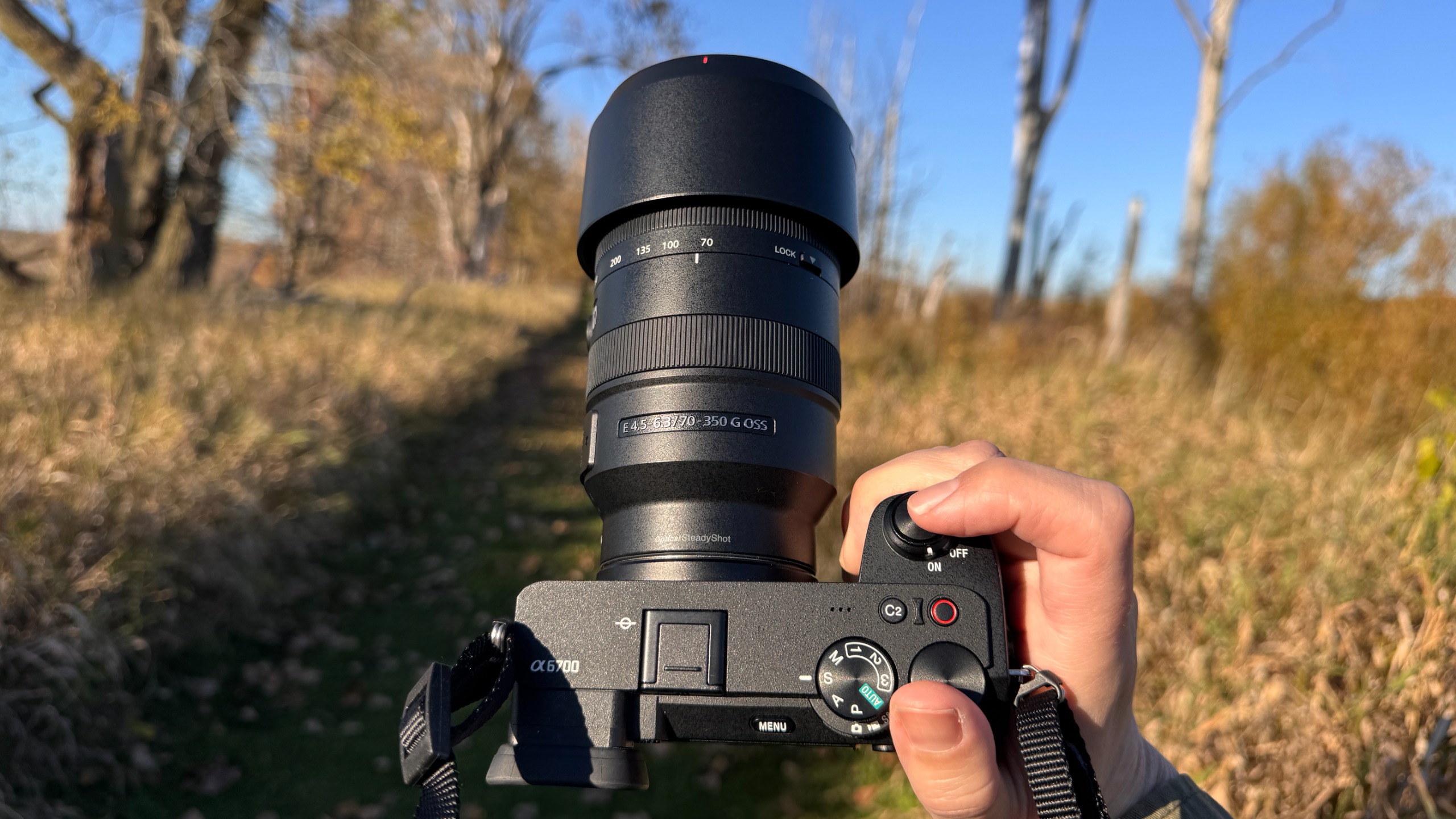
Topping the Kitamura best-seller list are two Sony models: the A7C II and the A6700. Both cameras were introduced in 2023, marking them as three-year-old technology in a fast-moving sector. Their continued dominance in the sales rankings is not merely an anomaly; it is a signal that form factor has become a primary driver of purchase decisions.
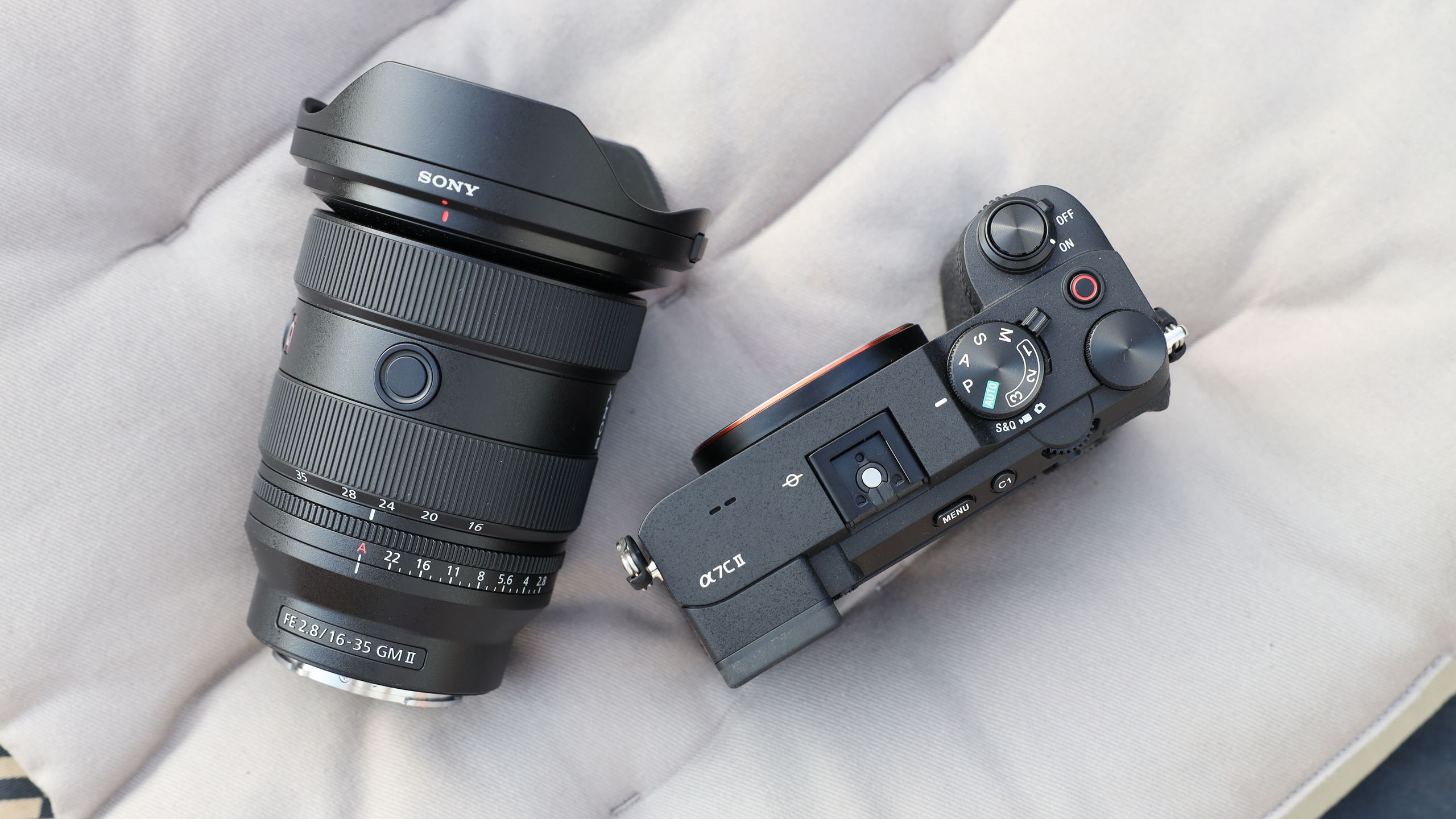
The A7C II, which combines a full-frame sensor with an exceptionally compact chassis, has become the de facto standard for travel and street photographers who demand full-frame quality without the bulk of traditional professional bodies. Similarly, the A6700 remains the high-water mark for Sony’s APS-C lineup. By offering advanced subject-detection autofocus that rivals professional full-frame flagships, the A6700 has successfully bridged the gap between enthusiast-level performance and accessible, lightweight design.
Industry analysts suggest that the enduring popularity of these specific models is rooted in the "sweet spot" they occupy between price and performance. While newer cameras offer incremental improvements in burst rates or computational photography features, the A7C II and A6700 provide the core necessities—reliability, excellent color science, and high-quality lens ecosystem access—at a price point that has matured over their three-year market tenure.
The New Guard Faces Stiff Competition
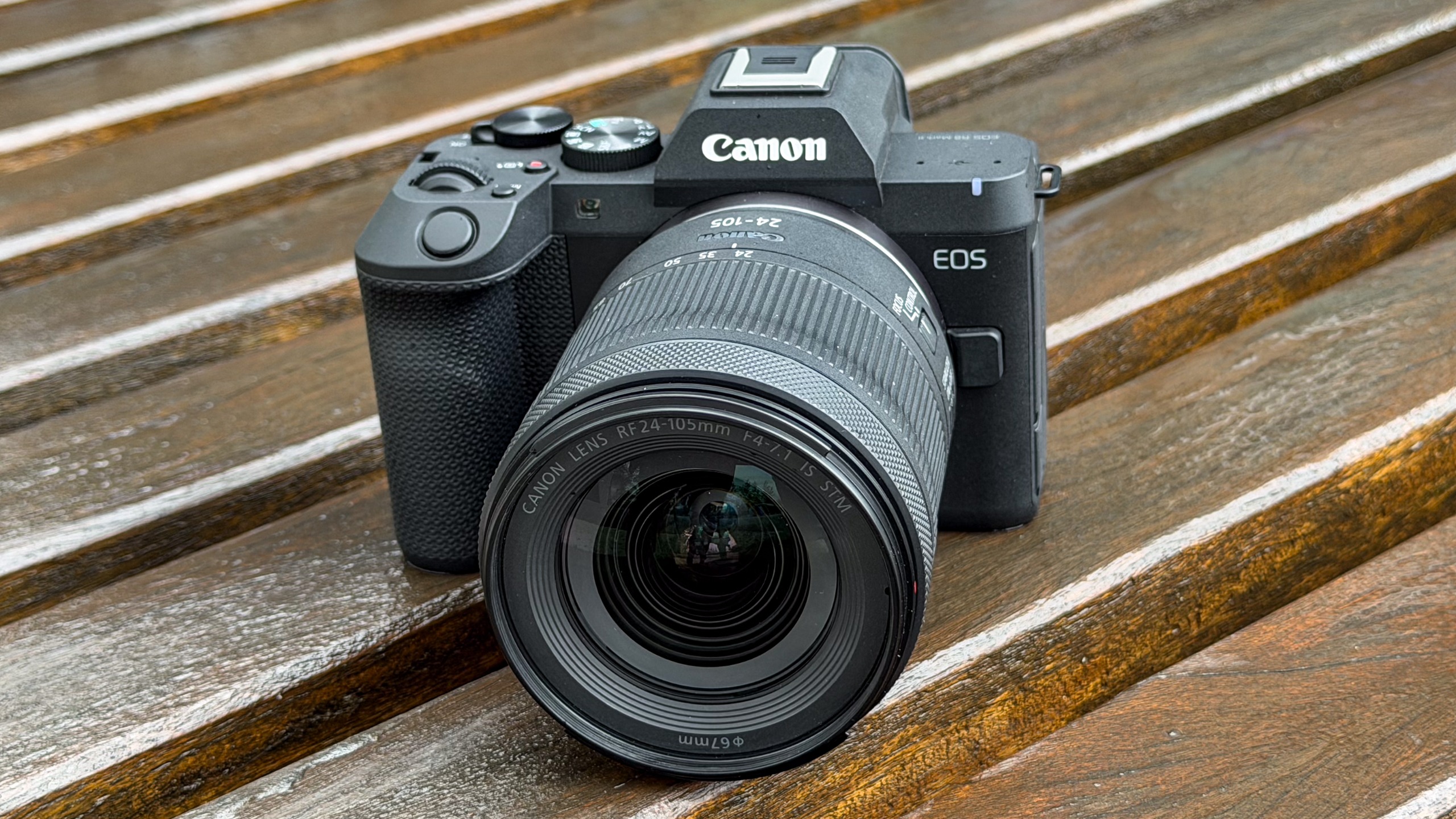
The October 2026 sales figures provide a sobering look at how new releases are performing against their predecessors. The list includes several highly anticipated 2026 arrivals, such as the Canon EOS R8 Mark II, the OM System PEN, and the Sigma FP2. While these models have secured spots in the top ten, they have not managed to displace the incumbents at the very top of the hierarchy.
A particularly notable case is the tie between the new Canon EOS R8 Mark II and the older R6 Mark II. The R6 Mark II, which debuted in 2022, serves as a mid-tier powerhouse that, despite its age, still offers superior features such as dual card slots, better weather sealing, and more robust battery life compared to the entry-level R8 Mark II. The fact that consumers are choosing to "tie" these models in sales volume—or in some regional markets, opting for the older, more feature-rich R6 Mark II—highlights a growing sophistication among buyers. Consumers are increasingly performing direct, feature-by-feature comparisons, realizing that a legacy mid-range camera often offers better long-term utility than a modern, entry-level-focused body.

A Chronological Perspective on Industry Trends
The shift toward older, more compact equipment follows a period of stagnation in camera launches during the early months of 2026. After a slow start to the year, the industry experienced a flurry of activity in the fall, with major manufacturers attempting to capture holiday market share.
- Q1-Q2 2026: Market activity remained muted, with supply chain adjustments and a lack of major hardware refreshes leading to a reliance on existing inventory.
- Q3 2026: Announcements began to surface, focusing heavily on compact, vlogger-friendly, and travel-oriented mirrorless bodies.
- October 2026: The official sales data from Kitamura confirms that while these new models generated significant media buzz, the volume of sales remained tethered to established favorites.
The introduction of the Nikon Z5 II and the Sigma FP2, both late-October releases, failed to crack the top five, reinforcing the notion that brand loyalty and the maturity of a camera’s firmware are just as influential as raw hardware specifications.
The Strategic Value of the "Legacy" Model
Manufacturers have begun to lean into the strategy of keeping older models in their active catalog, a tactic that has paid dividends for Sony. By maintaining the A7 IV in the lineup alongside the newer A7 V, Sony effectively creates a tiered pricing strategy that prevents consumers from migrating to competitors when the latest model is priced out of their budget.
This strategy serves two purposes: it maximizes the return on research and development costs for older hardware, and it provides a "safe" entry point for photographers who are upgrading from entry-level APS-C systems. The A7 IV, currently sitting in seventh place, continues to outperform many newer rivals, proving that for many professionals, the diminishing returns of newer sensors and processors make the "previous generation" a more sensible investment.
Emerging Trends: The Rise of Viewfinder-less Designs
One of the most distinct trends appearing in the 2026 data is the emergence of "viewfinder-less" camera designs, represented by the Fujifilm X-M5 and the Nikon Z5IIC. These cameras are explicitly marketed toward the content creation and vlogging demographic, prioritizing small footprints and simplified interfaces over the traditional viewfinder.
However, the sales data suggests that this is a niche preference. The top of the chart remains dominated by cameras that feature traditional electronic viewfinders (EVFs). This indicates that while the vlogging market is significant, the core demographic of photography enthusiasts still values the traditional immersive shooting experience that an EVF provides. The Sigma FP2, despite being the world’s smallest full-frame mirrorless camera, ranked ninth, suggesting that while portability is a primary requirement, it cannot come at the total expense of ergonomics or feature sets like the tilting LCD screen.
Broader Economic and Industry Implications
The implications for the broader camera industry are significant. First, the high cost of development for new camera bodies means that manufacturers can no longer afford to release "all-new" models that offer only marginal improvements. Consumers are now better informed than ever, utilizing online reviews and long-term user experiences to guide their purchasing behavior.
Second, the supply chain and manufacturing efficiency are shifting. Brands that can maintain a consistent, high-quality ecosystem—where lenses are compatible across both three-year-old and current bodies—are finding more success. The "Sony approach" of building a massive, cross-generational lens ecosystem is clearly paying off, as the A7C II and A6700 benefit from years of lens development.
Finally, the retail sector is adapting to this change. Retailers like Kitamura are increasingly highlighting the value proposition of older models, often creating "bundles" or providing direct comparisons between the "newest" and "best value" options. This transparency is likely to continue, as the barrier to entry for full-frame photography remains relatively high.
Conclusion
The October 2026 sales trends serve as a definitive correction to the industry’s push for constant, iterative hardware updates. Photographers are signaling that they value the "perfected" model—a camera that has had years of firmware updates, a well-documented lens lineup, and a proven track record—over the theoretical advantages of a new release. As we move toward the end of the year, it is likely that manufacturers will need to recalibrate their marketing strategies to emphasize the specific, tangible benefits of their new models, rather than assuming that "new" is synonymous with "better."
For the average consumer, this is an era of opportunity. With high-performing, three-year-old bodies leading the charts, the barrier to acquiring professional-grade tools has never been lower, provided the buyer is willing to look past the latest marketing campaigns and focus on the reliable workhorses that define the modern market.