Google Rolls Out Android 17 QPR2 Beta 5 to Pixel Devices With Key Bug Fixes and Performance Enhancements


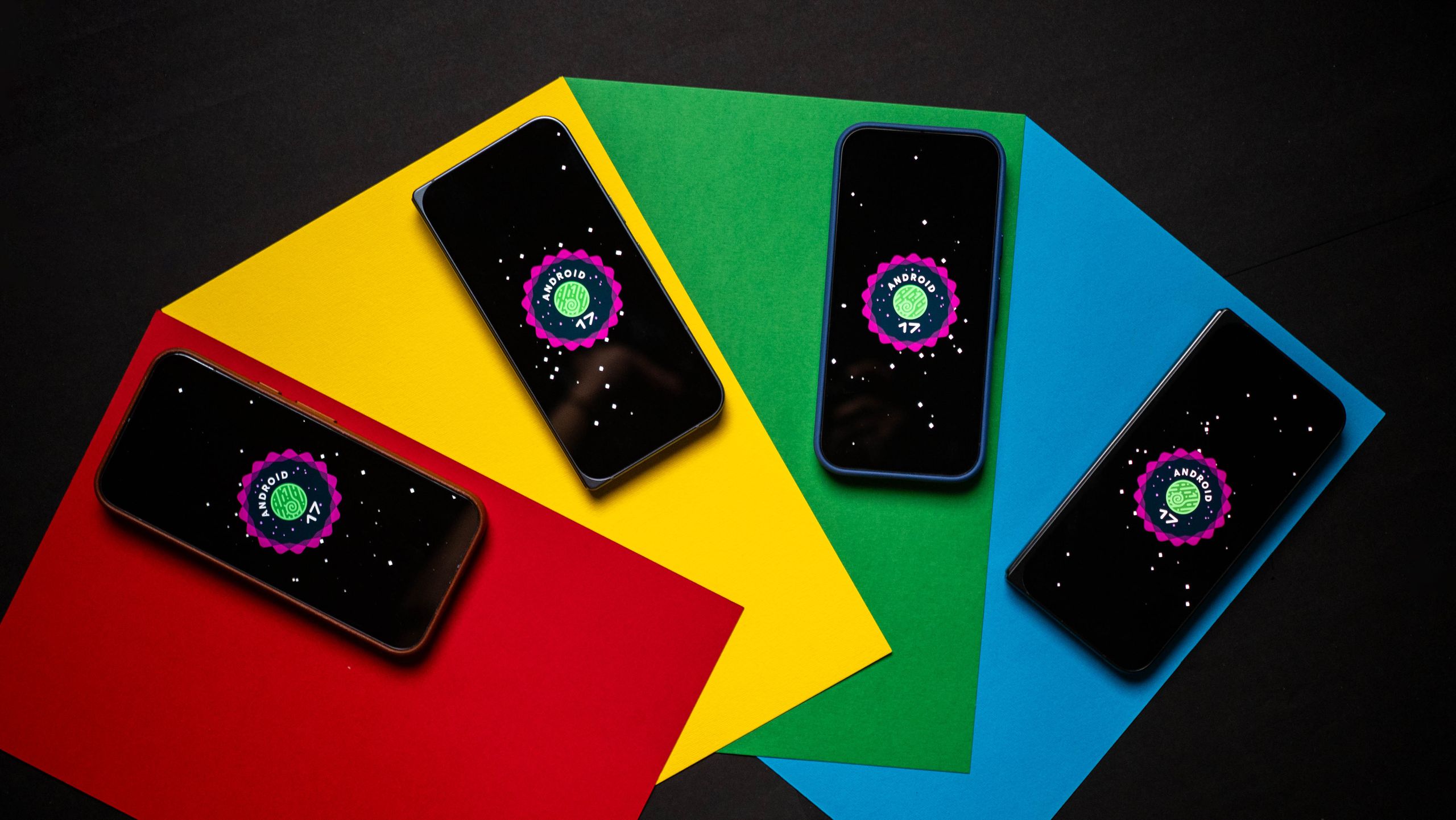
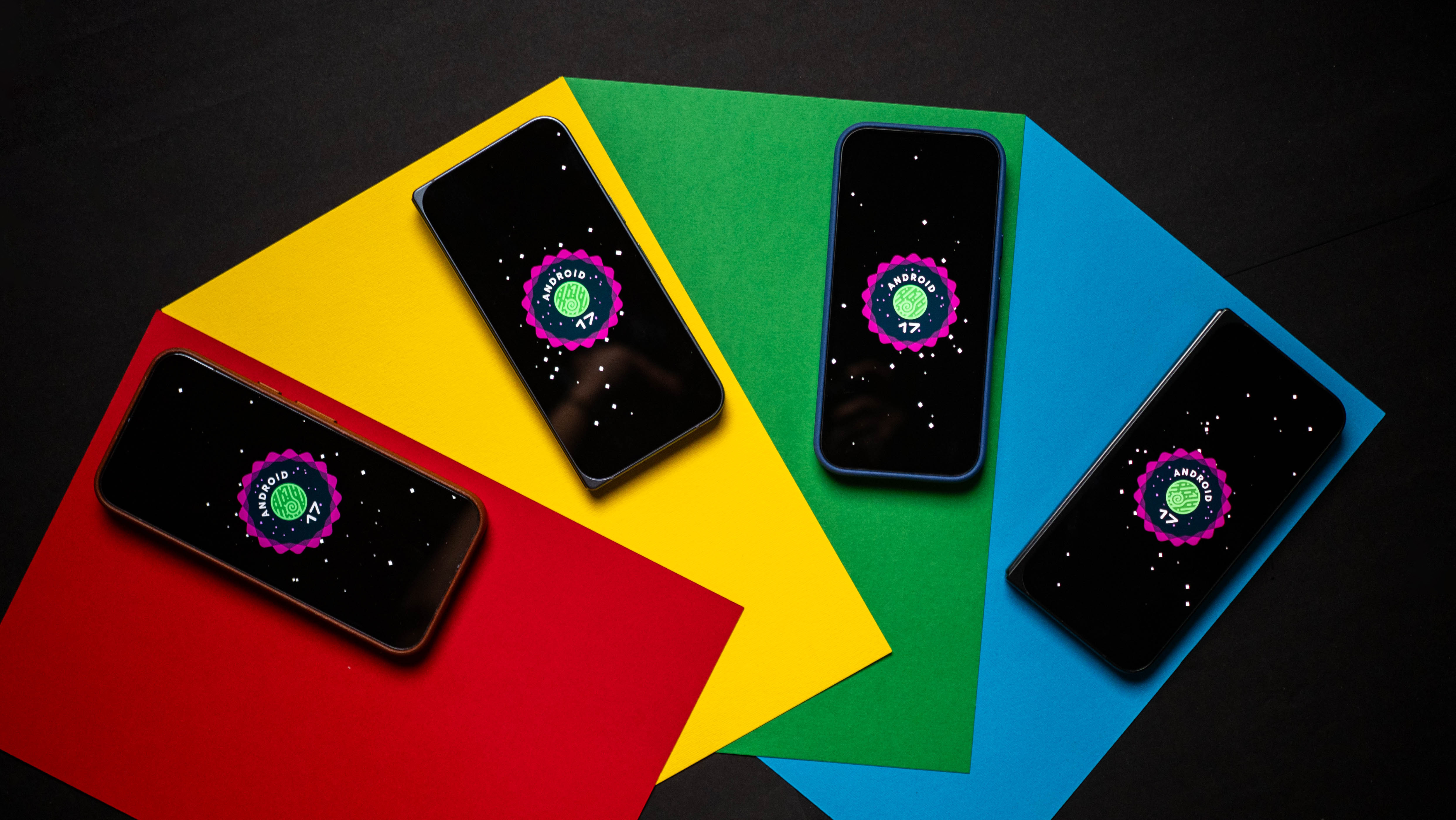
Google has officially released the fifth and final beta version of the upcoming Android 17 Quarterly Platform Release 2 (QPR2) for eligible Pixel devices. This latest software drop is designed to address a series of persistent bugs, optimize system stability, and smooth out user interface performance just as the operating system prepares for its public commercial rollout. Enrolled testers can now download the update over-the-air, with Google deploying tailored build numbers depending on the specific hardware generation.
The release of QPR2 Beta 5 marks a critical milestone in Google’s seasonal release cadence, signifying that the software is in its final maturation phase. As developers and early adopters install the update across supported Pixel phones, tablets, and foldable devices, the tech giant is focusing intensely on resolving corner-case issues identified during the broader testing cycle.
Breaking Down the Build Numbers and Eligible Hardware
Google continues to segment its beta distribution depending on the architecture and generation of its custom Tensor-powered and older hardware. For users operating a Pixel 6a, Pixel 7, Pixel 7 Pro, Pixel 7a, the original Pixel Fold, or the Pixel Tablet, the system update is designated under build version vCP41.260828.005.A6. Meanwhile, owners of newer or alternative eligible Pixel devices will receive build version vCP41.260828.004.A8.
The bifurcation of these build numbers reflects the underlying hardware differences and driver requirements across Google’s diverse hardware ecosystem. Despite the slight variation in build identifiers, the core set of patches, behavioral adjustments, and stability improvements remains consistent across all supported platforms.
Key Bug Fixes and Stability Improvements
Beta 5 arrives with a concentrated list of bug fixes aimed at eliminating user friction points that have accumulated throughout the QPR2 evaluation period. Among the most notable patches is a critical fix for system instability, which previously caused unexpected device reboots during continuous, rapid UI scrolling within media-heavy applications. For users browsing social media feeds, image galleries, or video platforms, this fix resolves a major headache that previously compromised the daily reliability of their devices.
Another prominent issue addressed in this release involves the physical volume control buttons. Users had widely reported that when casting media to external displays or smart speakers, pressing the hardware volume keys failed to trigger the on-screen volume slider user interface. Beta 5 restores this vital feedback loop, ensuring that volume adjustments remain intuitive and visible regardless of casting status.
Furthermore, the update tackles a frustrating camera bug concerning High Dynamic Range (HDR) processing. According to tracker reports, enhanced HDR was prone to remaining active in the background even after users toggled the feature off within their camera settings. Google’s latest patch ensures that user preferences are accurately respected, preventing unwanted processing artifacts and returning full creative control to photographers.
The Chronology of Android 17 QPR2 Development
The journey toward the final Android 17 QPR2 release has been methodical, adhering to Google’s rigorous software development lifecycle. The software entered a crucial phase in late August when Google officially declared that Android 17 QPR2 had reached Platform Stability. This benchmark freezes application programming interfaces (APIs) and internal behaviors, signaling to third-party app developers that they can safely finalize their own software compatibilities without fear of sudden breaking changes from the operating system level.
Throughout the beta lifecycle, Google has steadily chipped away at complex software anomalies. In August, prior iterations tackled recurring Bluetooth complications, including an aggravating glitch that erroneously routed active telephone call audio through the phone’s primary loudspeaker instead of connected wireless earbuds or hearing aids. Other previous updates resolved broken navigation gesture behaviors and intermittent, localized graphical freezes that hampered the fluidity of the Pixel launcher.
By systematically addressing these issues one by one, Google has refined the software architecture to meet the high performance expectations associated with its flagship hardware lineup.
The Evolution of the Android Beta Program
Google’s quarterly platform releases represent a modern strategy in mobile operating system development. Rather than waiting an entire year for a massive, monolithic annual upgrade, the company leverages QPRs to introduce intermediate features, foundational security patches, and targeted performance enhancements three times a year.
This model benefits both consumers and enterprise environments. For everyday users, it means quicker access to new capabilities—such as refined battery management routines, enhanced privacy controls, and updated interface elements—without waiting for the next major version number. For developers, it provides a predictable cadence to test application performance against evolving system frameworks.
The feedback loop facilitated by the Android Beta Program remains central to this process. Millions of enthusiasts and developers who opt into the over-the-air testing channel act as a massive diagnostic network, surfacing obscure bugs that might otherwise evade internal corporate testing environments. The Issue Tracker, where developers and power users log anomalies like the aforementioned HDR toggle malfunction, serves as the primary bridge between community observation and engineering resolution.
Broader Impact and Market Implications
As Android 17 QPR2 moves through its final testing stage and nears public release, the implications extend beyond mere bug fixes. The stability and polish of these intermediate updates directly influence consumer perception of Pixel hardware. With competition in the premium smartphone sector fiercer than ever, seamless software integration is a primary differentiator for Google’s ecosystem.
Reliability issues, such as unexpected reboots or broken casting controls, can disproportionately damage consumer trust. By proactively resolving these technical debt items before the stable code is pushed to the general public, Google demonstrates a commitment to long-term software health. This is particularly vital as the company expands its device portfolio to encompass diverse form factors, including standard slate phones, foldable devices like the Pixel Pro Fold, and dedicated tablet hardware, all of which must deliver a cohesive user experience.
Looking Ahead to the Public Release
With Beta 5 now live for registered testers, the window for major code alterations is effectively closed. Google’s engineering teams will spend the remaining days monitoring telemetry data from active beta devices to catch any unforeseen regression errors. If these final diagnostics pass without incident, the public build will be cleared for a wide rollout, reaching non-beta Pixel owners via a routine over-the-air system update in the near future.
For now, participants in the Android Beta Program are encouraged to install the latest build, verify that their preferred applications function as intended, and report any lingering anomalies through official channels. As the final stretch of the QPR2 development cycle concludes, Android 17 is shaping up to be one of Google’s most refined and stable software iterations to date.
Related posts: