Display Production Timelines for Standard iPhone 18 and iPhone Air 2 Leak Ahead of Spring Launch

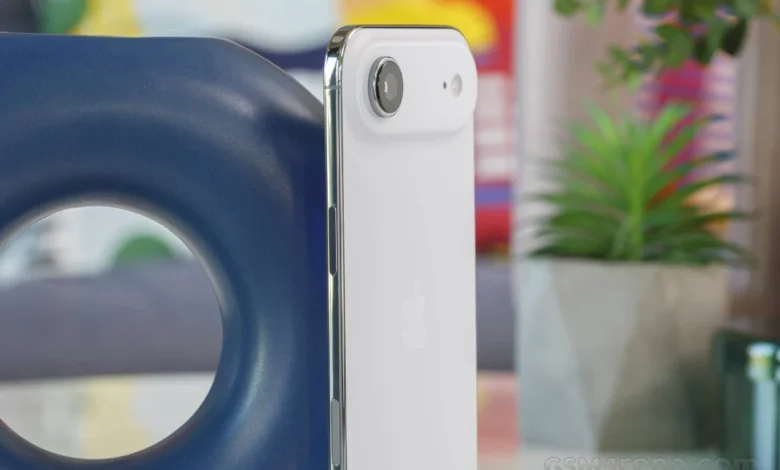
Apple’s product release strategy continues to unfold in distinct waves, with supply chain reports shedding light on the manufacturing schedule for its upcoming spring hardware lineup. Following the September debut of the premium iPhone 18 Pro, iPhone 18 Pro Max, and the innovative iPhone Duo, attention has now shifted toward the more accessible models in the ecosystem. According to fresh industry insights originating from South Korea, supply chain partners are actively scheduling the mass production phases for the displays destined for the standard iPhone 18 and the successor to the ultra-slim device, the iPhone Air 2.
The manufacturing roadmap highlights a strategic prioritization by major display suppliers, navigating varied market demands and component complexities. As anticipation builds for a projected March hardware event, industry analysts and supply chain watchers are examining what these production schedules mean for Apple’s broader market positioning, inventory management, and competitive edge in the high-end smartphone sector.
Manufacturing Schedules and Supplier Allocation
Insiders familiar with the supply chain operations of Apple’s primary component partners have revealed that display manufacturing for the upcoming spring devices is partitioned between LG Display and Samsung Display. LG Display is reportedly set to commence the mass production of organic light-emitting diode (OLED) panels for the standard iPhone 18 and the iPhone Air 2 late this year. Meanwhile, industry titan Samsung Display is scheduled to ramp up its own panel production lines in January.
The staggered production timelines reflect a calculated allocation of manufacturing resources within these key supplier facilities. Sources indicate that through the close of the calendar year, panel makers are concentrating their manufacturing capacities primarily on higher-value, high-demand devices—specifically the iPhone 18 Pro, iPhone 18 Pro Max, and the iPhone Duo. This heavy focus on the Pro tier is attributed to the intricate engineering and higher volume demands associated with Apple’s top-tier flagships. Conversely, the standard iPhone 18 and the iPhone Air 2 panels require lower manufacturing volumes and feature less complex assembly requirements, allowing production to safely occupy a secondary, yet precisely timed, window leading up to the spring launch.
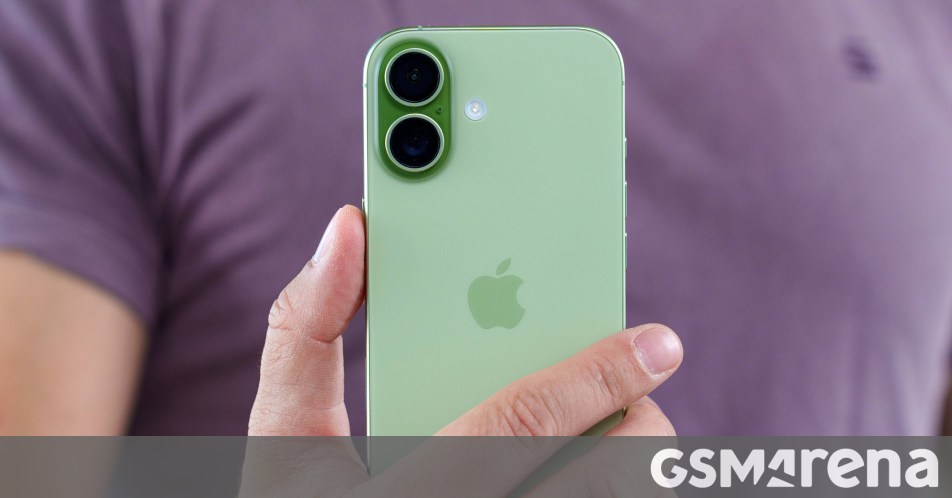
This dual-supplier approach for the standard iPhone 18 ensures that Apple maintains a robust and diversified supply chain, mitigating potential manufacturing bottlenecks. However, a different strategy is reportedly in play for the ultra-slim device segment. Samsung Display is slated to act as the exclusive OLED panel provider for the iPhone Air 2.
The Context of Market Response and Inventory Strategy
The decision to rely solely on Samsung Display for the iPhone Air 2 underscores a cautious approach by Apple regarding projected demand for its ultra-thin handset category. The market response to the original iPhone Air was characterized by industry observers as lukewarm. While the device drew considerable praise for its engineering marvel and extraordinarily slim profile, consumer purchasing trends ultimately favored the robust feature sets and battery capacities found on the standard and Pro configurations.
Consequently, Apple has reportedly elected to keep the display specifications of the iPhone Air 2 unchanged from its predecessor. This design choice is not merely an engineering constraint; it is a calculated inventory management strategy. By retaining the exact display specifications, Apple can make the fullest possible use of its existing panel inventory, thereby minimizing the need for massive new component orders. This restrained approach explains why a single supplier, Samsung, can comfortably manage the limited volume requirements for the Air 2 without straining global supply chains.
Historical Context and Product Chronology
To fully understand Apple’s current manufacturing cadence, it is necessary to examine the chronology of the company’s recent hardware cycles and leak patterns. Apple historically splits its smartphone announcements and releases to optimize manufacturing capacity and sustain consumer interest throughout the fiscal year.
In September, Apple officially took the wraps off its flagship tier, introducing the iPhone 18 Pro and iPhone 18 Pro Max, alongside the groundbreaking iPhone Duo. These devices immediately entered the global market, commanding the attention of early adopters and power users.
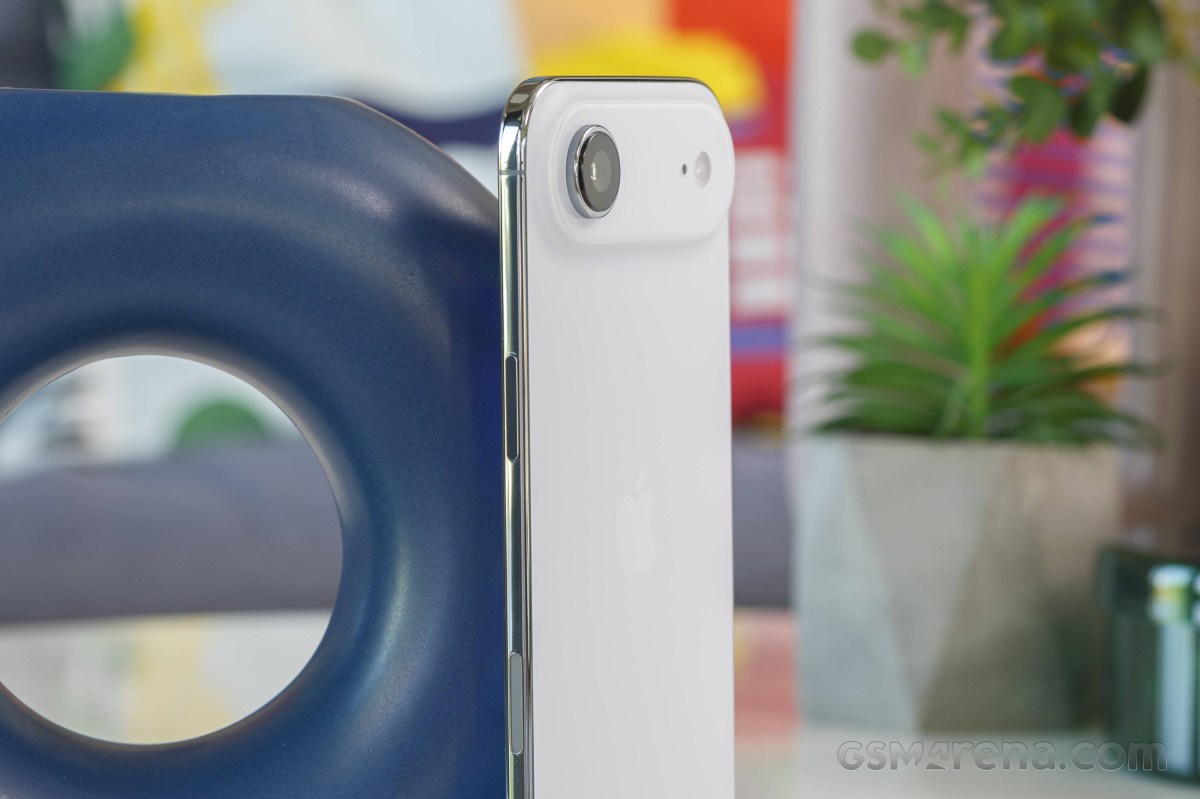
The upcoming spring window—projected for March—will mark the second phase of the iPhone 18 generation rollout. This timeline aligns closely with information leaked by a prominent tipster on Weibo late last year, who asserted that the standard iPhone 18 would make its formal market debut in March, potentially alongside the budget-conscious or alternative-tier iPhone 18e. The alignment of these display mass production schedules with a March retail launch demonstrates a synchronized effort between Apple and its manufacturing partners to ensure adequate stock levels upon announcement.
Sales Distribution and Market Dynamics
The strategic importance of the standard and Air models within Apple’s portfolio cannot be overstated. Industry data indicates that standard and slim-profile models historically account for more than 30 percent of total annual iPhone sales. Within this category, the standard model consistently outsells its ultra-slim counterpart by a comfortable margin.
The previous generation highlighted this dynamic vividly. Strong consumer demand for the base iPhone 17 played a pivotal role in driving the overall financial success of the lineup, balancing out the niche appeal of specialized form factors. Because the standard iPhone model acts as a volume driver, securing supply contracts for its components is fiercely contested among display manufacturers. It is precisely because of this high-volume sales potential that both Samsung Display and LG Display have positioned themselves to secure a lucrative share of the iPhone 18 display orders.
Strategic Implications for Apple and Its Suppliers
The unfolding production timeline carries several critical implications for the broader technology market, Apple’s financial trajectory, and its supply chain partners.
For Apple, the tiered manufacturing and launch strategy minimizes financial risk. By delaying the production of lower-volume standard and niche panels until the high-end Pro rush has peaked, the company optimizes factory utilization and reduces the risk of dead inventory. Furthermore, maintaining the display specifications of the iPhone Air 2 allows Apple to protect its profit margins on a form factor that has historically faced cooler consumer reception, while still offering a complete product ecosystem for every buyer persona.

For Samsung Display and LG Display, the partnership underscores the delicate balancing act required to serve a titan like Apple. While supplying the Pro models guarantees high revenue, participating in the standard iPhone 18 production run secures steady, high-volume output through the first quarter of the year.
As the calendar turns toward January and mass production hits full swing across both South Korean display giants, the stage is set for Apple to execute its spring hardware rollout. Whether the combination of the standard iPhone 18, the refreshed iPhone Air 2, and potential additions like the iPhone 18e can replicate or exceed the sales momentum of their predecessors will depend heavily on consumer reception when these devices officially break cover in the coming months.
Related posts: