Qobuz officially launches dedicated Apple TV application to elevate high-resolution home audio experiences

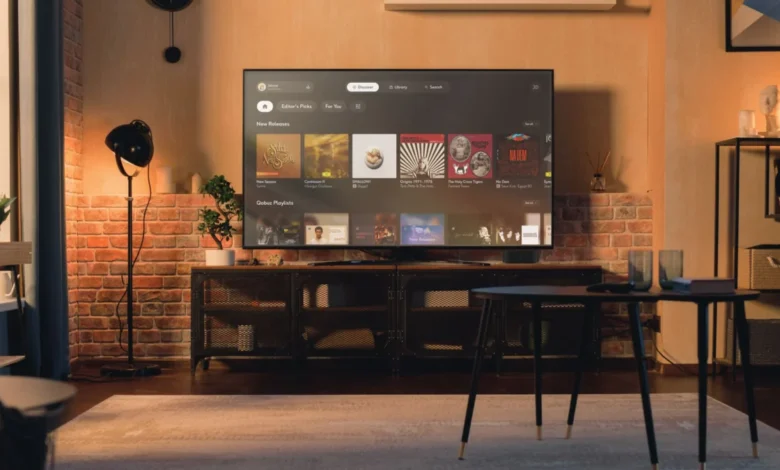
The landscape of high-fidelity home entertainment has shifted as Qobuz, the premium independent music streaming service renowned for its commitment to lossless audio quality, officially announced the launch of its dedicated application for Apple TV. This strategic expansion marks a significant milestone for the French-founded platform, which has long positioned itself as the sanctuary for audiophiles seeking an alternative to the compression-heavy standards of mainstream streaming competitors. By transitioning from mobile and desktop environments to the living room’s primary display, Qobuz is explicitly targeting the integration of high-resolution digital music into the high-end home cinema experience.
A New Chapter in Living-Room Listening
The newly released application is not merely a ported version of its mobile counterpart; rather, it has been architected specifically to leverage the expansive real estate of television displays and the acoustic capabilities of modern home theater setups. Historically, streaming high-resolution audio on a TV has often been compromised by hardware limitations or substandard software interfaces that prioritize simple playback over metadata richness. Qobuz addresses this by presenting an immersive, data-dense visual environment.
Users navigating the interface will find a comprehensive layout that displays album art, detailed tracklists, and production credits simultaneously. This side-by-side presentation addresses a long-standing demand among music enthusiasts to view technical metadata—such as recording engineers, studio locations, and session musicians—without needing to switch back and forth between a phone and the primary playback device. The inclusion of synchronized, on-screen lyrics further enhances the interactive nature of the application, transforming the television from a passive visual output into a dynamic participant in the listening session.
Technical Specifications and Hardware Compatibility
The arrival of Qobuz on Apple TV is underpinned by a nuanced approach to hardware performance. The app is compatible with all Apple TV models running tvOS 26 or later, though the fidelity of the output is strictly dependent on the specific generation of hardware being utilized.
At the top of the performance spectrum, the 2026 Apple TV 4K model supports playback up to 24-bit/192 kHz, providing the full, unadulterated resolution that Qobuz subscribers expect. Conversely, the 2022 iteration of the Apple TV 4K is capped at 24-bit/48 kHz. While this remains superior to the standard CD quality of 16-bit/44.1 kHz, it represents a technical bottleneck for users seeking the absolute highest fidelity in their library. This disparity highlights the importance of hardware parity in the high-fidelity ecosystem and suggests that as Apple continues to refine its set-top box hardware, third-party services like Qobuz will play an increasingly vital role in justifying the premium price point of such devices.
Chronology of Expansion
Qobuz’s journey to the living room follows a deliberate, multi-year strategy of platform diversification. Since its founding in 2007, the company has prioritized "human-led" curation over the algorithmic dominance seen in competitors like Spotify or Apple Music.
- 2007: Qobuz is established in France, focusing on high-quality digital music distribution.
- 2015: The service initiates its international expansion, bringing high-res streaming to broader European markets.
- 2019: Qobuz officially launches in the United States, positioning itself as a boutique alternative for critical listeners.
- 2021–2023: The company invests heavily in partnerships with hardware manufacturers, including collaborations with Sonos, Roon, and various high-end DAC (Digital-to-Analog Converter) manufacturers to ensure their streaming signal remains "bit-perfect."
- 2026: The launch of the Apple TV application signifies the completion of the "omnipresent listening" phase of the company’s roadmap, ensuring that subscribers can access their library seamlessly across mobile, desktop, and home cinema hardware.
Integration and The Qobuz Connect Ecosystem
Central to the utility of the new app is the integration of Qobuz Connect. This feature allows users to initiate playback on a smartphone or tablet and "beam" the signal directly to the Apple TV, provided both devices reside on the same Wi-Fi network. This functionality addresses the friction of discovery; users can browse the Qobuz catalogue, read editorial reviews, and consult "Qobuzissimes"—the service’s curated spotlight on emerging artists—on their mobile device while maintaining high-quality audio playback through the home theater system.
The synchronization is bidirectional. Any changes made to the user’s library on the Apple TV—such as adding a track to a playlist or marking an album as a favorite—are instantaneously mirrored across the account’s cloud ecosystem. This cross-platform consistency is essential for modern users who frequently switch between headphone-based listening on the go and high-fidelity speaker playback at home.
The Philosophy of Curated Discovery
In an era where streaming discovery is increasingly dominated by black-box algorithms, Qobuz has doubled down on its commitment to human-led curation. The Apple TV app emphasizes the "editorial" aspect of the service. By showcasing curated playlists and recommendations that reflect the human touch, Qobuz aims to foster a deeper connection between the listener and the artist.
Industry analysts suggest that this strategy is a response to the "paradox of choice" that plagues large-scale streaming platforms. By limiting the scope of recommendations to high-quality, editorially vetted content, Qobuz provides a more focused experience that caters to the "music-first" demographic. This philosophy is evident in the interface design, which elevates the album as a cohesive work of art rather than a collection of disparate tracks.
Broader Market Implications
The entry of a specialized high-resolution streaming service into the Apple TV ecosystem is a bellwether for the broader streaming market. As consumer electronics become increasingly capable of processing high-bitrate audio, the demand for content that justifies these hardware upgrades has grown.
For Apple, the partnership is mutually beneficial. By enabling high-fidelity streaming, Apple reinforces the status of its TV 4K box as a premium hub for all forms of media, not just video. For Qobuz, the move represents an effort to scale its user base beyond the niche "audiophile" segment and into the wider market of home entertainment enthusiasts who are increasingly becoming aware of the benefits of lossless audio.
However, challenges remain. The primary hurdle for mass adoption of high-resolution streaming is not just the software, but the consumer’s playback chain. While the Apple TV can process high-res audio, the sound quality is ultimately limited by the user’s soundbar, receiver, or speaker system. Qobuz’s marketing team has acknowledged this by providing educational resources within the app to help users optimize their hardware settings, effectively turning the app into an entry point for high-fidelity audio education.
Future Outlook and Strategic Direction
Looking ahead, the successful rollout of the Apple TV app suggests that Qobuz will continue to prioritize device-agnostic integration. As the boundaries between music and video content blur—exemplified by the rise of music documentaries and high-definition concert footage—the ability to provide a unified, high-quality audio-visual experience will be a key differentiator in the streaming wars.
Market experts predict that we will see further refinements to the Qobuz interface, potentially incorporating more integrated video content and expanded metadata features that bridge the gap between studio documentation and consumer streaming. As the industry moves toward a post-MP3 era, where bandwidth constraints are no longer a primary concern for the average home user, the focus will continue to shift toward the fidelity of the master and the depth of the user experience.
For the existing Qobuz subscriber, the Apple TV launch is a long-awaited convenience. For the broader industry, it is a reminder that in a world of automated, mass-market streaming, there remains a dedicated, growing, and influential segment of the audience that demands the highest possible standards of playback. Whether the average consumer will appreciate the difference between 24-bit/48 kHz and 24-bit/192 kHz may be a matter of debate, but the availability of these options on a platform as ubiquitous as the Apple TV ensures that the conversation about sound quality remains at the forefront of the digital music experience.