Parallels 27 Review: The Undisputed King of Mac Virtualization Lands with Apple Silicon Exclusivity and Advanced AI Capabilities

Apple workstations, spanning the versatile MacBook Pro and the compact Mac mini, have cultivated a fiercely loyal following among enterprise professionals, software developers, and creative directors alike. However, even the most dedicated macOS enthusiasts frequently encounter scenarios requiring a Windows environment—whether for rigorous software testing, running legacy enterprise platforms, or utilizing specialized professional software suites completely devoid of native Mac support. For years, virtualization software has bridged this operational divide, and the release of Parallels 27 solidifies its position as the premier solution for running guest operating systems on modern Apple hardware.
The latest iteration of the industry-leading hypervisor introduces profound changes to its underlying architecture, most notably a complete rewrite of its graphics pipeline built on Apple’s Metal API. Furthermore, Parallels 27 incorporates long-awaited OpenGL 4.3 support and transitions entirely to an Apple Silicon-only framework. While this definitive break from legacy hardware may frustrate owners of older Intel-based Macs, the software’s advanced performance enhancements, expanded feature set, and integration of modern artificial intelligence capabilities position it as an indispensable tool for power users.
Architectural Shifts and Apple Silicon Exclusivity
The most significant operational pivot in Parallels 27 is the complete deprecation of Intel-based Mac support. Developed in tandem with macOS 27—an operating system update that is exclusively engineered for Apple Silicon—Parallels has officially turned the page on its legacy codebase. Users clinging to older Intel hardware will be required to remain on Parallels 26, though the developer has committed to providing security and routine maintenance patches for the legacy version for the foreseeable future.
By shedding its legacy codebase, Parallels 27 optimizes performance specifically for Apple’s M-series architecture. The software natively utilizes Windows on Arm by default. Because Microsoft’s Arm-based operating system handles legacy x86 applications through emulation, users running older software must rely on the platform’s underlying translation layers. To address this, Parallels has introduced an early technology preview allowing users to import existing Intel x86-based Windows virtual machines (VMs). However, these legacy containers run significantly slower than native Windows on Arm configurations due to the intense computational overhead required to emulate the entire instruction pipeline.
To further capitalize on modern silicon, systems running Apple M4 chips or newer now feature native support for Scalable Matrix Extension (SME) instructions across both Windows and Linux environments. This hardware-level integration significantly accelerates artificial intelligence workloads and machine learning tasks within compatible host-guest configurations.
Graphics Enhancements and Professional Software Compatibility
Graphics performance has historically been a primary bottleneck for virtualized environments on macOS. Parallels 27 directly addresses this limitation by overhauling its graphics driver architecture to leverage Apple’s Metal API, introducing native support for OpenGL 4.3. This enhancement responds to one of the most frequently requested features across user support forums.
A vast array of professional, Windows-only engineering and design applications—including GIS mapping platforms like ArcGIS Pro and various complex Computer-Aided Design (CAD) suites—rely heavily on OpenGL 4.3 standards. Previous iterations of Parallels frequently struggled with these programs or failed to launch them altogether. With version 27, compatibility for these vital industry tools has vastly improved.
Nevertheless, certain graphical limitations persist. Parallels 27 remains capped at DirectX 11.1 support, meaning modern games and enterprise applications requiring DirectX 12 will not function within the virtual machine. Additionally, utilizing OpenGL 4.3 requires users to ensure they have installed the absolute latest version of Parallels Tools within their guest environment.
Comprehensive Pricing Structure and Licensing Tiers
Parallels 27 is distributed across four distinct licensing tiers tailored to varying consumer and enterprise needs: Standard, Pro, Business, and Enterprise.
The Standard tier is available via both an annual subscription model—priced at $99.99 (approximately £75 / AU$145)—and a one-time perpetual license purchase costing $219.99 (approximately £165 / AU$320). Consumers opting for the perpetual license should note that it does not include complimentary upgrades to future major software iterations, a benefit reserved for active subscribers. The Standard plan is capped at four virtual CPU cores (vCPUs) and 8GB of virtual RAM (vRAM), specifications that easily accommodate basic office productivity suites and general administrative applications.
Power users requiring heavier workloads must step up to the Pro tier, which mandates an annual subscription starting at $119.99 (approximately £90 / AU$175). The Pro plan expands resource allocations up to 32 vCPUs and 128GB of vRAM. It also unlocks advanced developer and system administration tools, including AI Agent Integration (MCP), integrated disk and memory cleaners, comprehensive system performance monitoring, and advanced screen recording utilities.
Enterprise and corporate environments are served by the Business and Enterprise tiers. The Business plan, priced at $149.99 annually per user (approximately £110 / AU$220), includes centralized license administration, automated CI/CD workflows for software developers, and automated deployment integrations with device management systems such as Jamf and Microsoft Intune. Enterprise-level clients must engage Parallels sales representatives directly to negotiate custom rates, which include advanced compliance visibility, strict policy enforcement tools, and robust corporate IT governance options.
While open-source virtualization alternatives exist within the market, they frequently require steep technical compromises and complex manual configurations. Furthermore, organizations deploying Windows virtual machines must factor in the recurring cost of individual Windows 11 licenses, an expense that scales rapidly across multi-device enterprise deployments regardless of the chosen hypervisor platform.
Setup, Usability, and Interface Integration
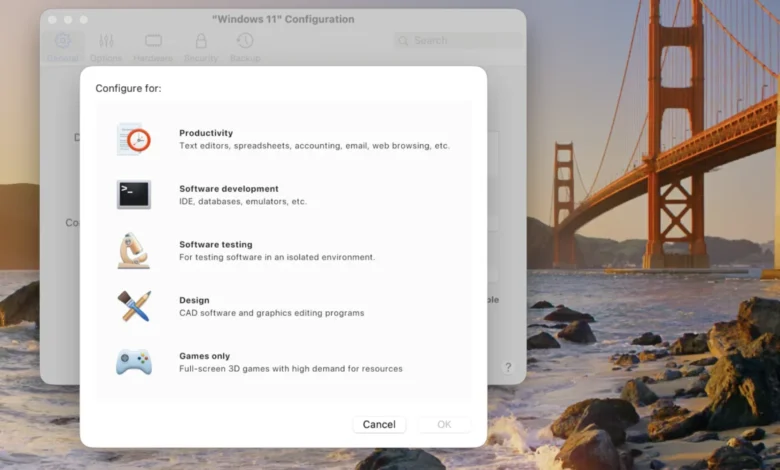
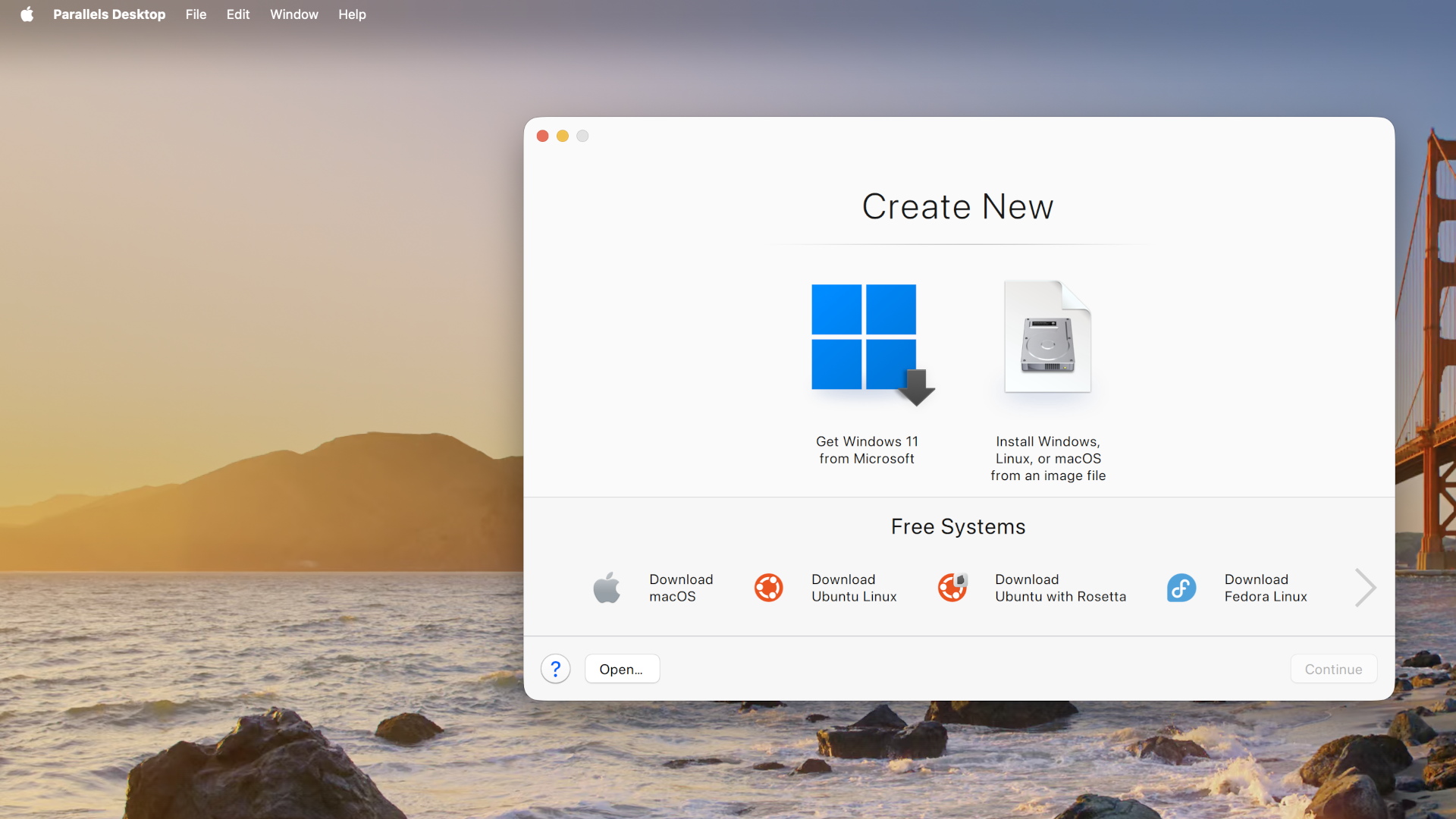
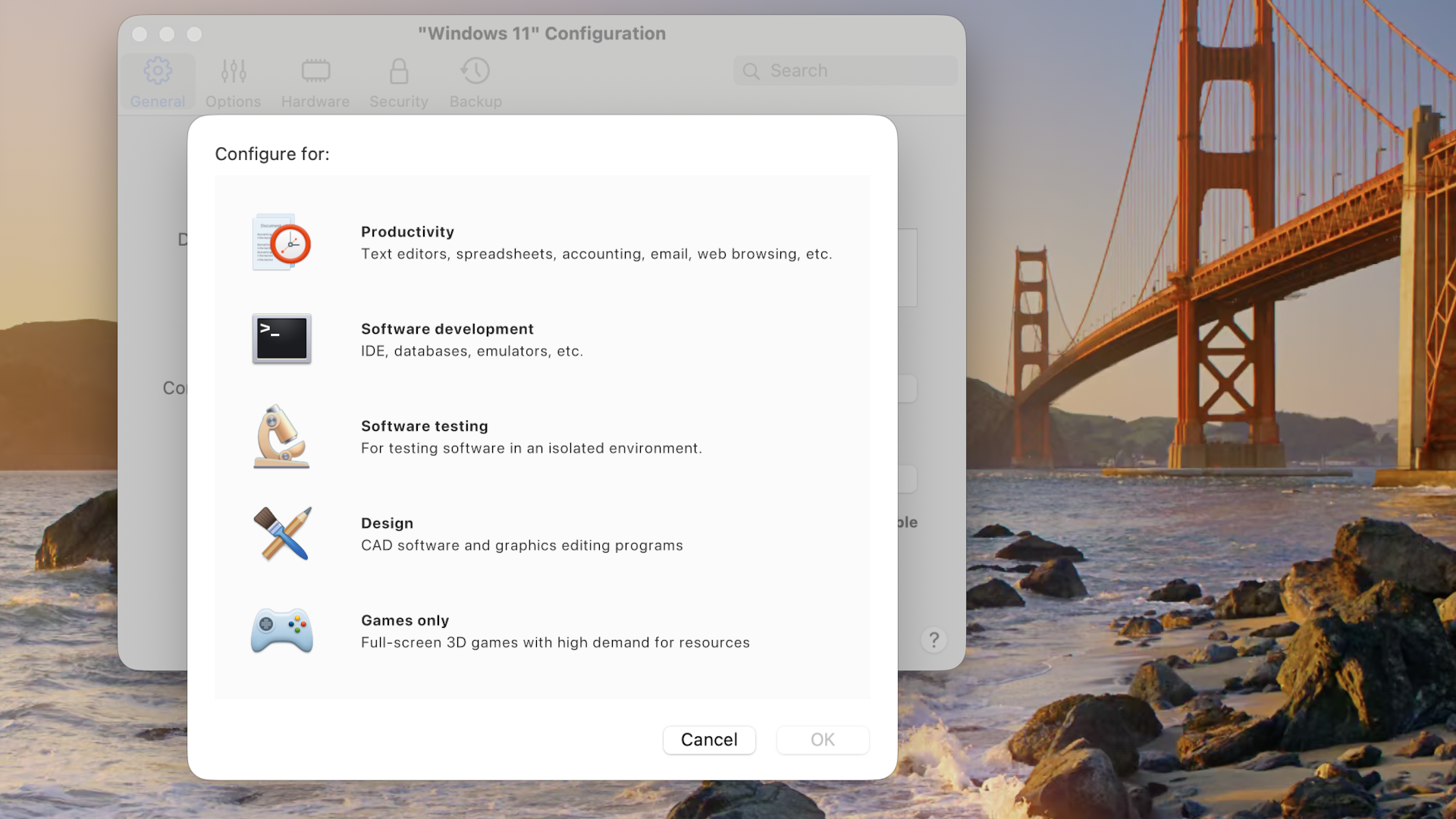
One of Parallels’ enduring competitive advantages is its exceptionally low barrier to entry. While configuring traditional virtual machines often demands advanced technical proficiency and tedious manual setup routines, deploying a guest operating system in Parallels requires only a few mouse clicks and approximately fifteen minutes of automated installation time.
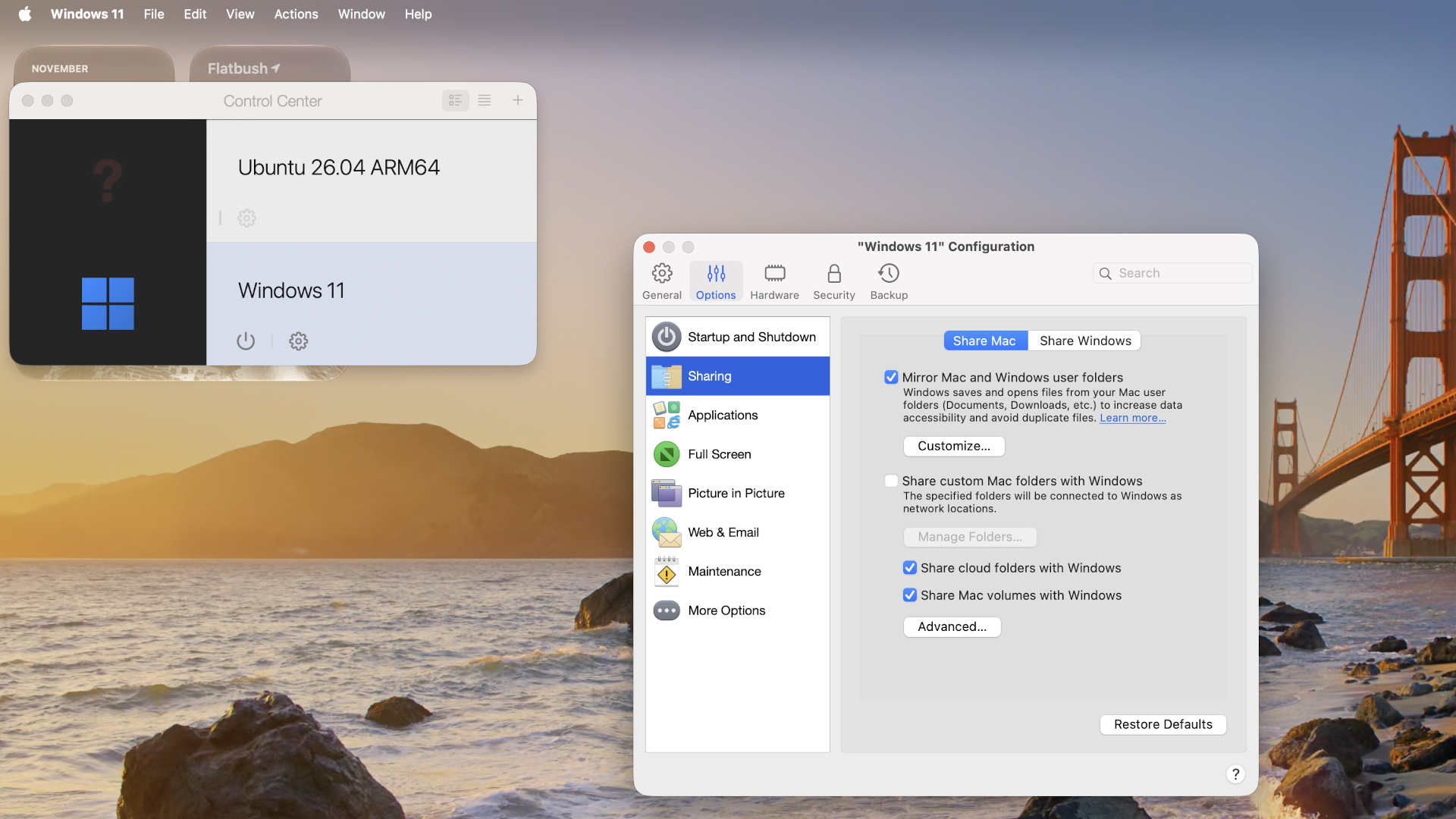
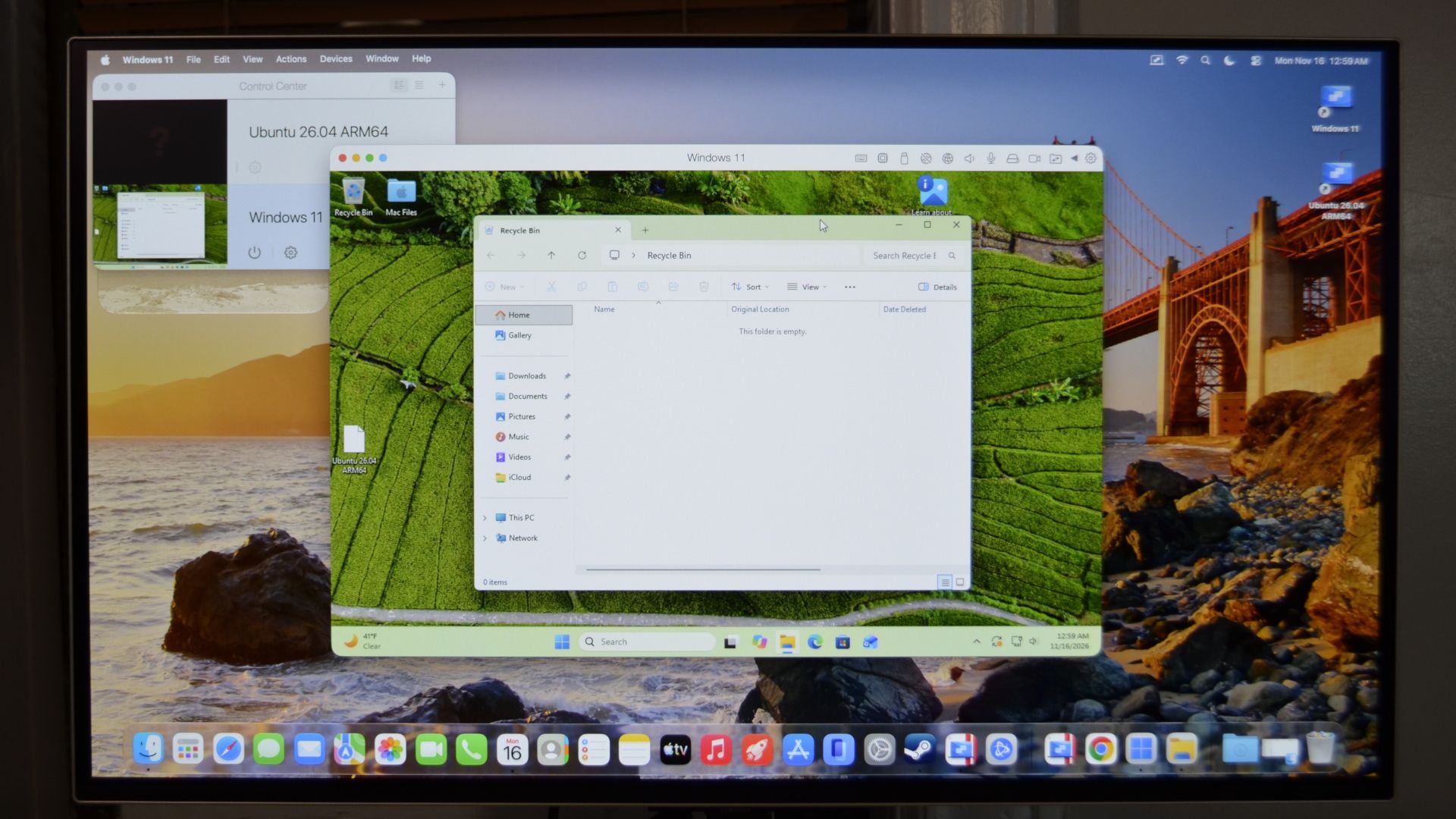
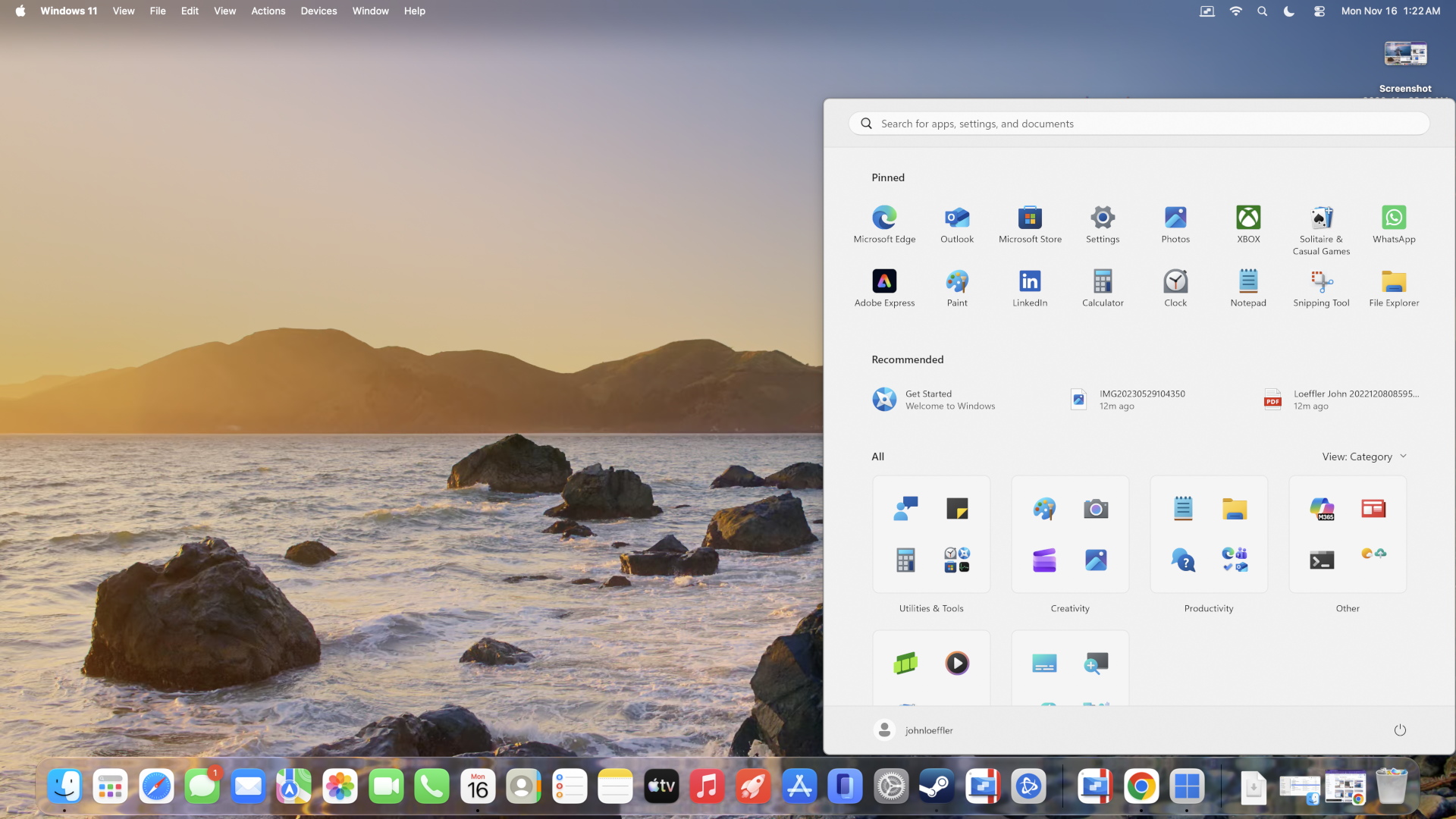
Once configured, Parallels operates with remarkable fluidity. Users can run their guest operating system inside a standard macOS window, dedicate an entire macOS Space to the virtual environment, or utilize "Coherence Mode." Coherence mode allows individual Windows or Linux applications to float seamlessly on the macOS desktop, functioning and appearing as though they were native Mac programs.
Furthermore, shared folder synchronization and drag-and-drop file transfers between the host and guest operating systems operate with absolute transparency. However, this level of seamless integration introduces specific administrative challenges. Because the virtual environment blends so effortlessly into the macOS desktop, corporate users handling sensitive data must carefully configure clipboard and directory-sharing permissions. Failing to establish strict isolation protocols can inadvertently expose internal corporate data or breach strict regulatory compliance policies.
Benchmark Performance and Operational Trade-Offs
Running a virtualized operating system inherently introduces performance sacrifices dictated by underlying hardware allocations. Benchmark evaluations of Parallels 27 demonstrate that single-core application performance remains remarkably strong, while multi-core multitasking capabilities scale directly in proportion to assigned resources.
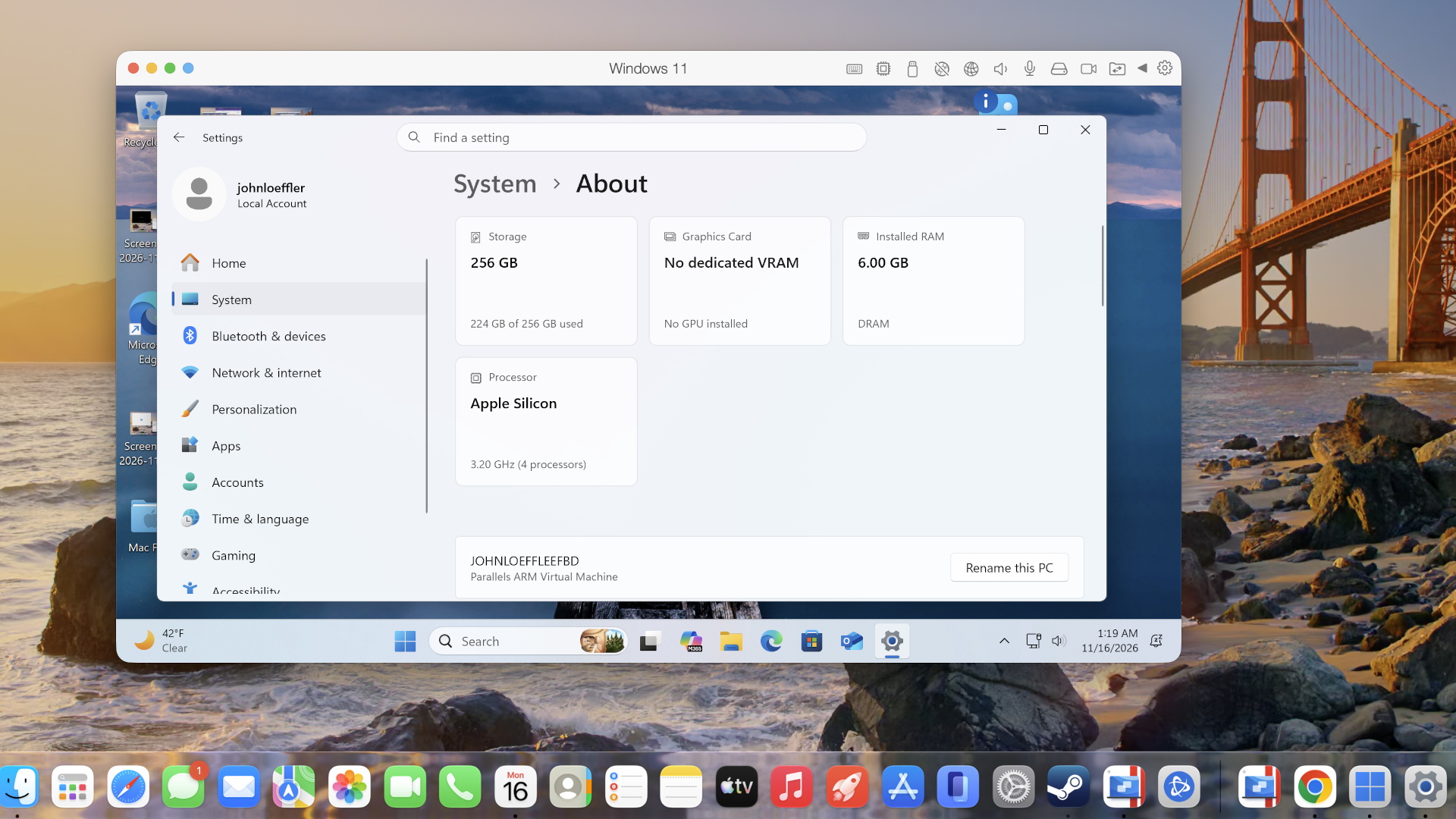
In Cinebench R24 evaluations conducted on an Apple M-series processor utilizing a robust 10-vCPU and 12-GB vRAM configuration, the software achieved a single-core score of 184—virtually identical to the score yielded by a restricted 4-vCPU and 8-GB vRAM Standard tier setup. However, multi-core performance dropped sharply based on core allocation, plunging from a score of 999 down to 601 when restricted to four vCPUs.
Geekbench metrics further illustrate this operational scaling. A 10-vCPU allocation yielded a single-core score of 3,495, trailing a native macOS run of 4,052 by a modest 16%. Conversely, the multi-core score for the 10-vCPU configuration hit 15,044—representing a roughly 32% performance deficit compared to native execution, while more restricted configurations suffered performance penalties exceeding 50%.
On the graphical front, performance varies widely depending on the application workload. Due to the lack of DirectX 12 support, modern graphics benchmarks like 3DMark Steel Nomad fail to launch. In older graphical APIs, however, the platform performs admirably. Unigine Heaven benchmarks running within a Windows VM even managed to marginally outperform native macOS execution in specific parameters, scoring 2,160 compared to the native average of 2,059.
Market Implications and Final Assessment
Parallels 27 successfully mitigates many of the historical friction points associated with running Windows environments on Apple Silicon hardware. Its streamlined installation process, robust single-core application performance, and long-awaited OpenGL 4.3 integration make it an indispensable utility for professionals who require cross-platform functionality without sacrificing the ergonomic benefits of macOS hardware.
While multi-core multitasking and complex graphical workloads still suffer minor performance penalties compared to native hardware execution—and the subscription-based pricing model may alienate casual users—Parallels 27 remains the definitive, unrivaled champion of desktop virtualization for the Apple ecosystem.