Google Is Replacing Gemini Gems With Modular Skills Starting October 5

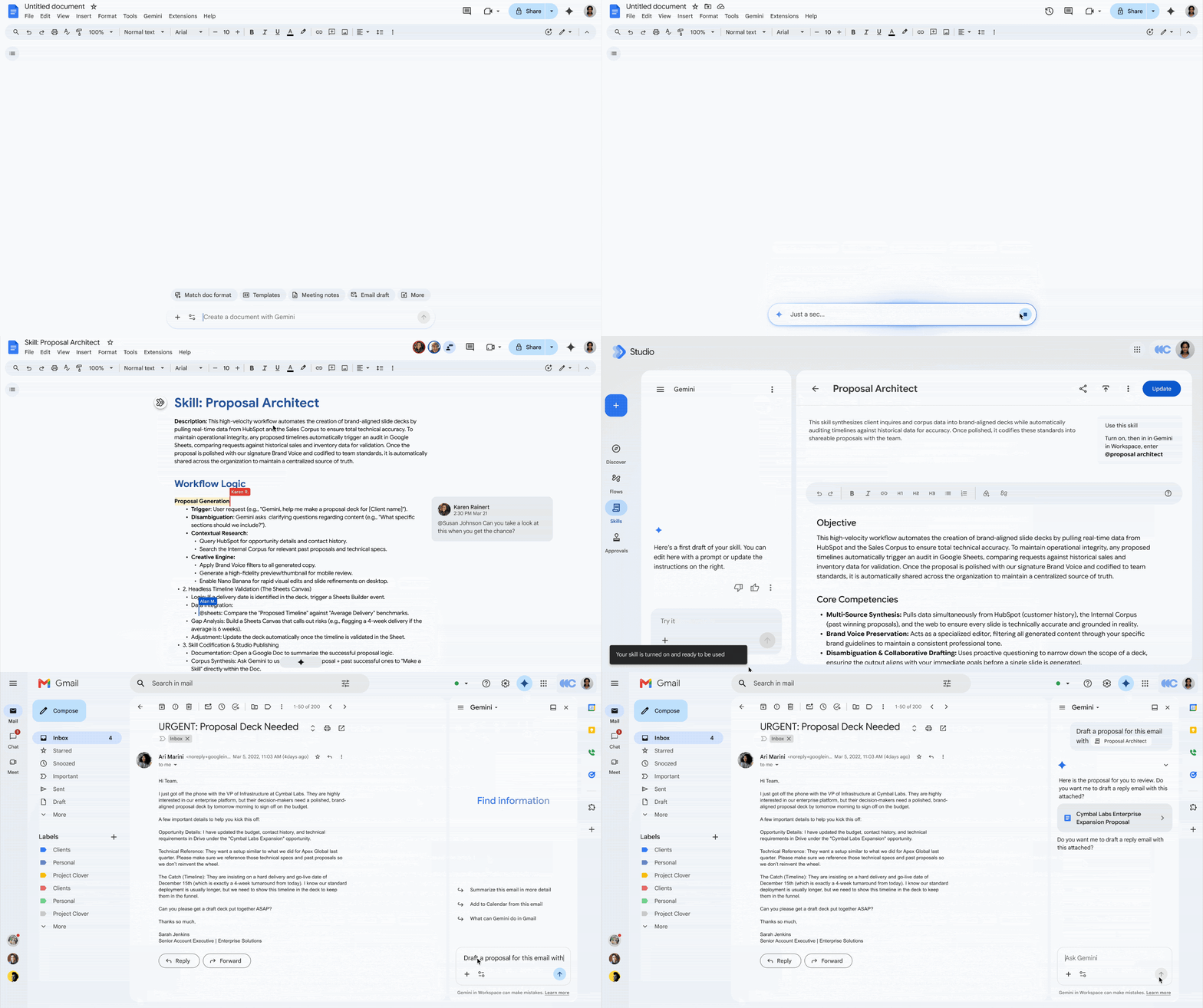
Google has announced a major restructuring of its artificial intelligence assistant ecosystem, officially confirming the retirement of its customizable "Gems" feature in favor of a more flexible, modular architecture known as "Skills." The transition marks a strategic pivot for the technology giant as it seeks to refine how everyday users and enterprise organizations tailor generative AI tools to specific workflows, templates, and brand requirements.
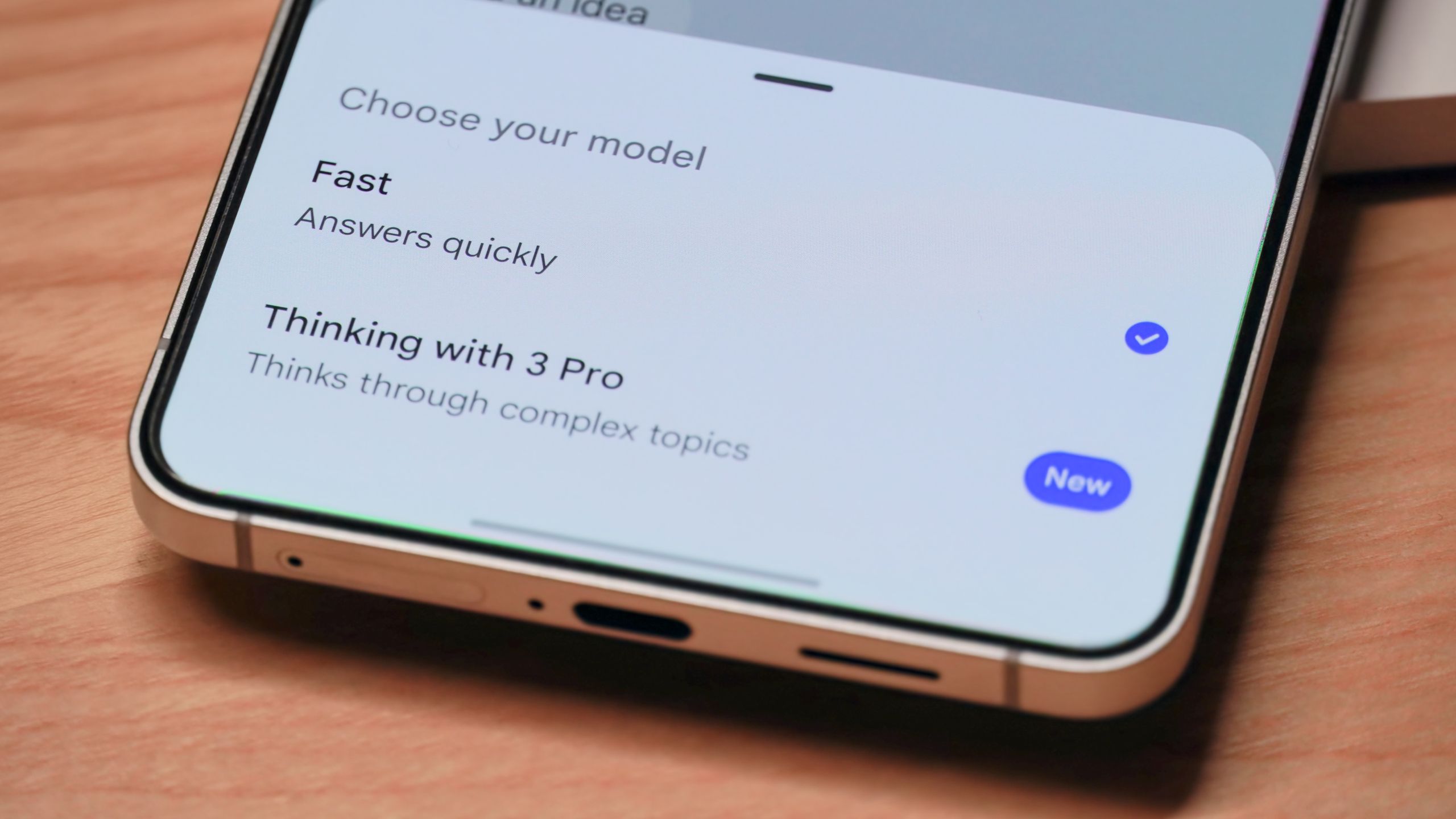
According to official roadmap details released by Google, the rollout of Skills will begin across Google Workspace accounts on October 5, followed by a broader release for the Gemini consumer mobile application on October 13. The transition signals the gradual phase-out of Gems, which were originally introduced as specialized, pre-configured versions of the Gemini model designed to handle niche tasks through static prompts.
Under the hood, Skills are designed to evolve beyond the capabilities of traditional custom chatbots by functioning as reusable, stackable building blocks. While Gems operated largely as isolated, singular custom assistants, the new Skills framework allows users to combine multiple directives simultaneously. For example, a content creator or corporate communications team might deploy one Skill dedicated to maintaining a specific corporate voice and tone, while simultaneously stacking a second Skill focused on newsletter formatting guidelines or search engine optimization parameters.
Furthermore, Google has integrated contextual intelligence into the system, enabling the Gemini application to automatically recognize when a specific Skill applies to an active user prompt. This eliminates the friction of manual selection, streamlining productivity for professionals who rely on recurring document generation, data analysis, and creative drafting within Google Workspace applications such as Google Docs, Gmail, and Google Slides.
The Mechanics of the SKILL.md Open Standard
A notable aspect of Google’s new approach is its foundation on open standards. Unlike the proprietary, closed configurations that governed Gems, Skills are constructed using the open SKILL.md format, which relies on standard Markdown text files. Industry analysts view this move as a strategic effort to align with open-source developer communities and enhance interoperability across diverse AI development environments.
By leveraging Markdown, Google intends to make Skills highly portable. Developers, administrators, and power users can draft, store, and edit their instructions in standard text formats, allowing for easier version control and sharing outside of the immediate Google ecosystem. However, this portability comes with a current usability caveat: Skills developed within the Gemini web and mobile interfaces will not automatically sync with instances created inside Google Workspace tools. Users who require identical custom functionalities across both domains will initially be required to recreate or import the respective SKILL.md files manually.
Structured Timeline and Phased Rollout Schedule
The deprecation of Gems and the adoption of Skills will occur across a carefully orchestrated timeline designed to give enterprise administrators and individual subscribers ample time to adapt their workflows.
The transition schedule breaks down across the following key milestones:
- October 5: Skills officially begin rolling out to Google Workspace corporate and enterprise accounts.
- October 13: Skills become available to general consumers using personal Google accounts within the Gemini application ecosystem.
- November 17: Existing Gems begin their official migration into Gemini’s core Settings menu, where they will remain accessible temporarily as legacy tools.
- March 1, 2027: Business and enterprise Google Workspace accounts will officially lose direct access to legacy Gems.
- June 1, 2027: Educational accounts will phase out remaining Gems.
Google has confirmed that any legacy Gems remaining in user accounts by the final sunset dates will be automatically converted into draft Skills, ensuring that historical instruction sets are not entirely lost during the data migration process.
Background Context: The Evolution of Custom AI Assistants
The shift from Gems to Skills reflects a broader maturation trend within the generative AI landscape. Throughout 2023 and 2024, major tech firms—including OpenAI with its custom GPTs, Microsoft with Copilot Agents, and Anthropic with specialized Claude Projects—rushed to introduce personalized AI personas. These early iterations largely focused on prompt engineering wrapped in friendly user interfaces, allowing users to save specific instructions, knowledge files, and behavioral constraints.
However, enterprise adopters quickly encountered limitations. Static custom personas often struggled with modularity, making it difficult to apply a single compliance rule or formatting guideline across multiple different projects without rewriting underlying instructions. By transitioning to a modular architecture of stackable Skills, Google is attempting to solve the scalability problem, moving the industry closer to an environment where AI tools operate like modular software plugins rather than monolithic chatbots.
Enterprise Implications and Workflow Integration

For enterprise organizations utilizing Google Workspace, the introduction of Skills represents both an opportunity for enhanced operational efficiency and a requirement for administrative oversight. Corporate IT departments will need to establish governance frameworks around who within an organization is authorized to create, share, and validate SKILL.md files, ensuring that proprietary reference materials, internal compliance guidelines, and confidential brand data are managed securely.
Industry analysts suggest that the ability to encapsulate institutional knowledge into portable, text-based modules will significantly reduce onboarding friction for new employees. Rather than training staff on complex document formatting or procedural documentation, organizations can embed these standards directly into the AI infrastructure, ensuring brand consistency across all written and analytical outputs generated via Gemini.
Market Reaction and Strategic Outlook
As artificial intelligence integration deepens within productivity suites, competition among tech giants increasingly hinges on ease of customization and workflow automation. Google’s decision to sunset a relatively new feature like Gems so soon after its introduction highlights the rapid pace of iteration in the consumer software market.
While some early adopters of Gems have expressed frustration regarding the migration process and the lack of automatic cross-platform syncing, the long-term outlook for the SKILL.md format has drawn praise from technical communities. By embracing open-format documentation, Google is positioning its AI toolset to be more adaptable to developer needs, potentially lowering the barrier to entry for automated enterprise workflows.
As the October rollout dates approach, enterprise IT teams and individual users alike are advised to review their existing custom configurations, prepare for the eventual migration of legacy assets, and explore how stackable, Markdown-based Skills can be integrated into their daily productivity routines.