RayNeo GT Smart Glasses Review: A Feature-Rich Contender Raises the Bar in the $300 AR Market

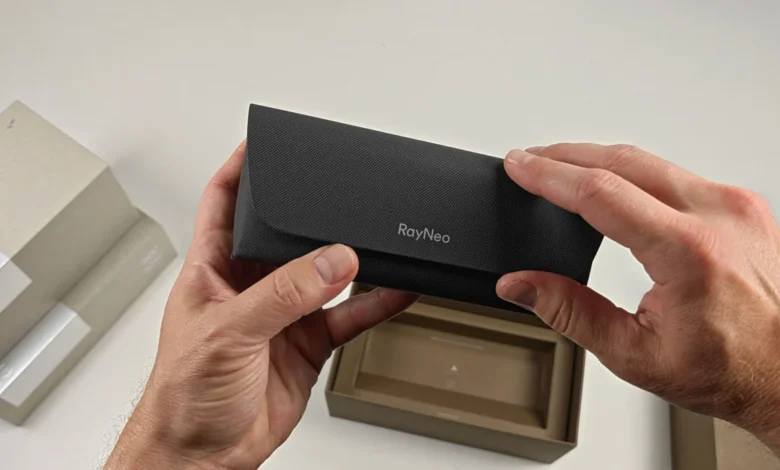
The consumer augmented reality (AR) and smart glasses landscape continues its rapid evolution, and manufacturers are increasingly locked in a fierce battle for dominance within the highly competitive $300 price bracket. RayNeo, a prominent player in the wearable technology sector, has returned with its latest offering: the RayNeo GT smart glasses. Launching closely on the heels of the company’s previous model, the Air 4 Pro, the RayNeo GT introduces a lighter frame, native spatial tracking capabilities, and advanced display technologies while maintaining an accessible $299 price point. As companies strive to make immersive personal displays practical for everyday commuting, media consumption, and mobile productivity, the RayNeo GT arrives as a notable entry designed to address several historical shortcomings of budget-friendly wearable displays.
Evolution of the Budget AR Market and Background Context
Over the past several years, heads-up display (HUD) and smart glasses technologies have transitioned from bulky, enterprise-oriented prototypes to sleek consumer accessories. Historically, prospective buyers faced a difficult compromise: invest upwards of $600 to $1,000 for advanced features like robust spatial tracking and high-end optics, or settle for entry-level sub-$300 models that lacked critical ergonomic adjustments and native processing capabilities.
RayNeo has strategically targeted this middle-to-budget tier, aiming to democratize high-end features. The introduction of the RayNeo GT highlights a broader industry trend where manufacturers are aggressively lowering production costs for micro-OLED panels and integrated sensors. By packing features traditionally reserved for premium models—such as dedicated chipsets for high-frequency pulse-width modulation (PWM) dimming and SDR-to-HDR conversion—into a $299 package, RayNeo aims to capture market share from established competitors including Xreal, Rokid, and Viture.
Design Innovations and Ergonomic Adjustments
One of the most persistent criticisms of early-generation smart glasses was their rigid, one-size-fits-all approach to facial geometry. Users with wider or narrower interpupillary distances (IPD) frequently experienced severe eye strain, double vision, or discomfort during extended viewing sessions.
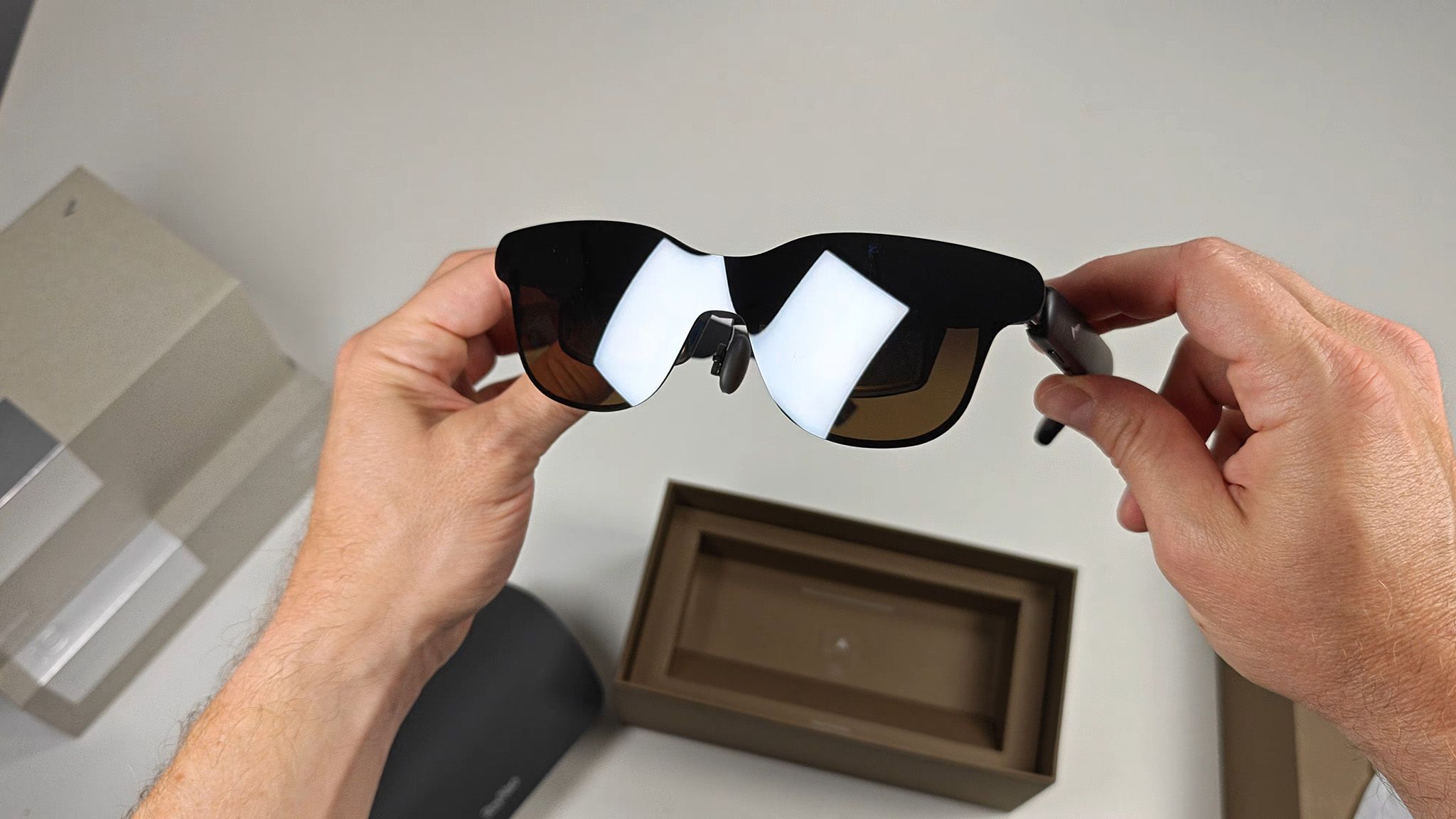
The RayNeo GT directly addresses this ergonomic hurdle by introducing three distinct IPD size variants at launch:
- Small: Engineered for users with an IPD of 63 or lower.
- Medium: Tailored for an IPD range of 64 to 67.
- Large: Designed for users with an IPD of 68 or higher.
This tiered sizing approach represents a significant departure from standard industry practices at this price point. Furthermore, the glasses are eight grams lighter than their predecessor, the Air 4 Pro. Comfort is further enhanced by adjustable nosepieces that allow users to center the display vertically, alongside included temple pads that distribute pressure evenly to prevent fatigue around the ears and temples. The physical design maintains a standard 47-degree Field of View (FoV), striking a balance between expansive virtual screen real estate and peripheral awareness.
Advanced Display Technology and Visual Performance
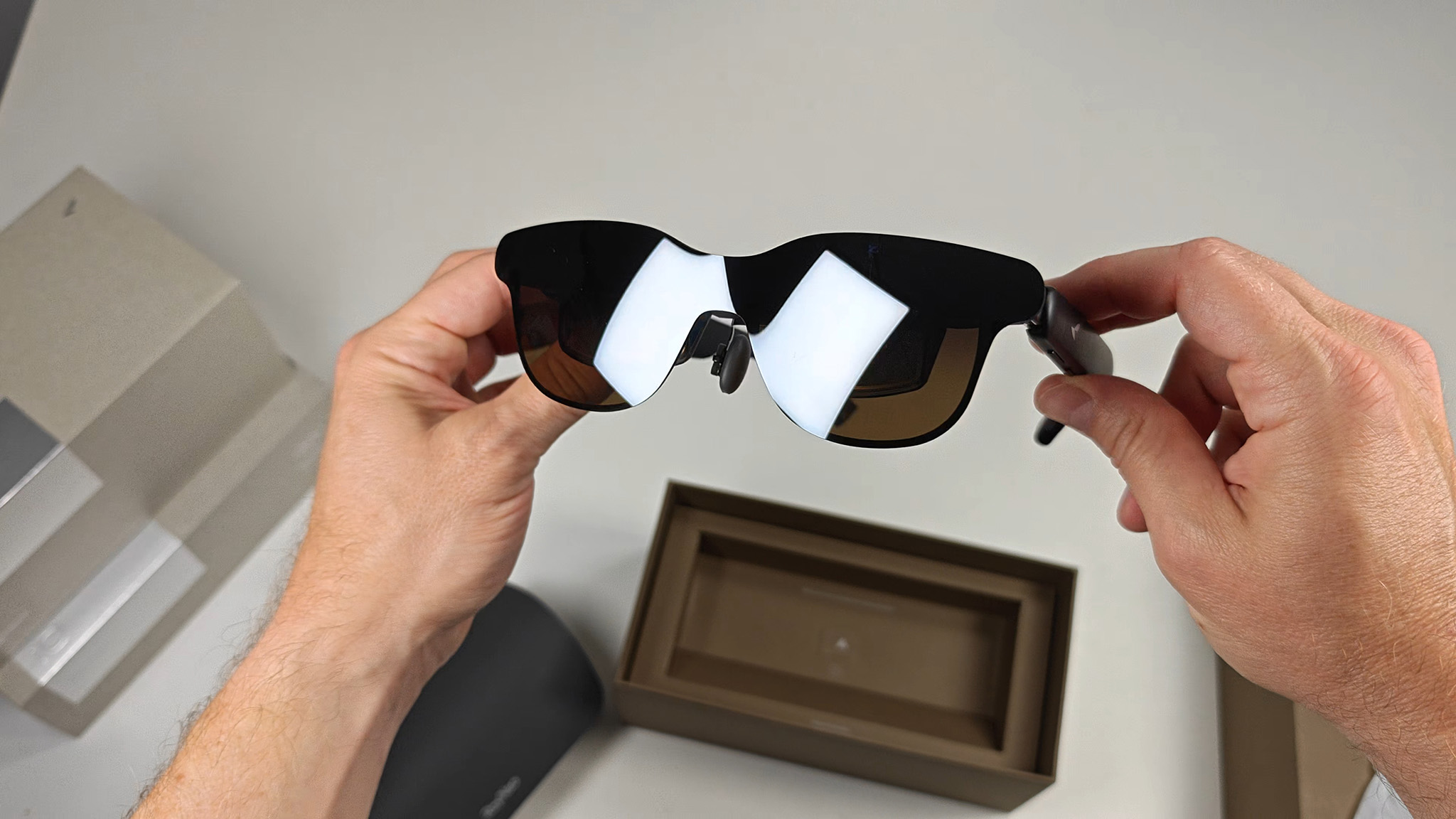
At the core of the RayNeo GT’s visual architecture is the Vision 4000 chipset, which enables several performance enhancements previously absent in lower-cost wearables. The device incorporates native 10-bit displays with software-level support for 12-bit Dolby Vision content, delivering superior color reproduction and dynamic range for cinematic viewing.
A standout technical specification of the RayNeo GT is its 3840Hz PWM dimming rate. High-frequency pulse-width modulation is critical in micro-OLED displays to reduce invisible screen flicker, a primary culprit behind digital eye strain, nausea, and headaches during prolonged use.
However, visual performance is not without limitations. A notable drawback of the RayNeo GT hardware is the lack of native tinting or electrochromic dimming. While the micro-OLED panels are exceptionally bright, ambient light from brightly lit environments can easily wash out the projected image. Industry analysts suggest that users operating the glasses outside of controlled environments, such as dim airplanes, will likely need to rely on physical lens covers to maintain optimal contrast and visibility.
Spatial Tracking and Ecosystem Integration
Navigation and display stability represent another major upgrade for the RayNeo GT. The glasses feature a native 3DoF (Degrees of Freedom) spatial tracking chip, allowing users to stabilize or anchor virtual screens in their physical environment.
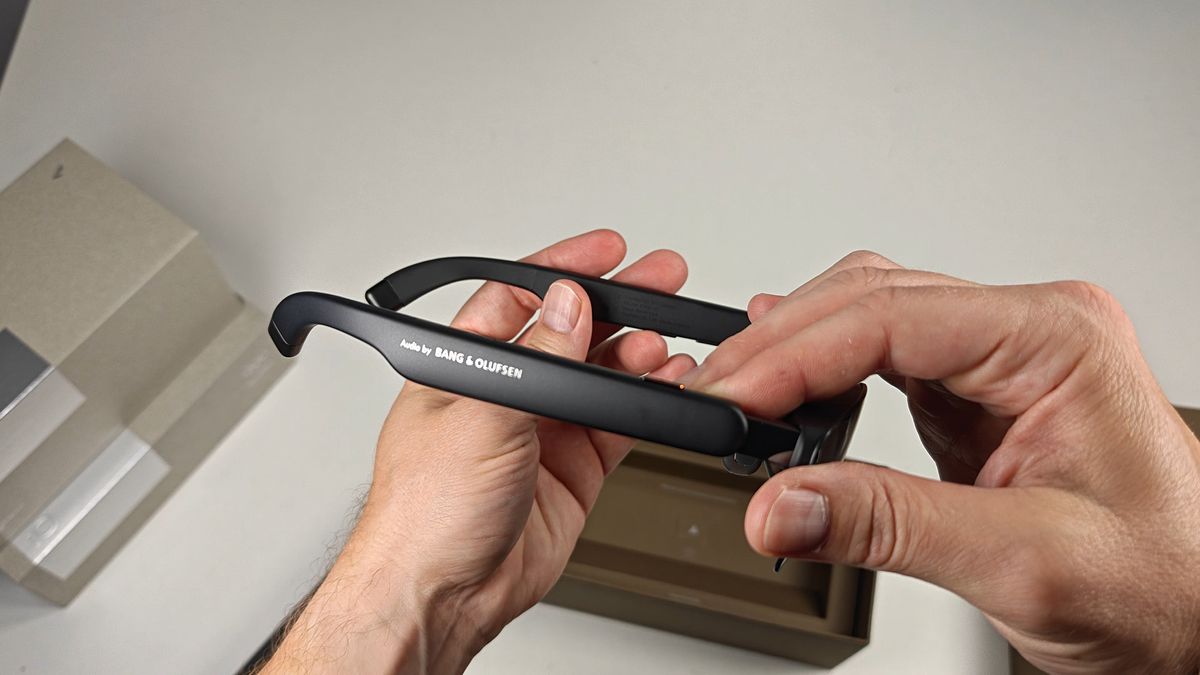
A physical button located on the top right temple allows users to seamlessly cycle through three distinct tracking modes:
- Steady Mode: Keeps the display locked in a fixed spatial position relative to the room.
- Anchor Mode: Stabilizes the view to minimize minor head movements.
- Follow Mode (0DoF): Locks the display directly to the user’s field of vision.
While 3DoF and spatial modes offer immersive multi-monitor setups, they introduce low-persistence flickering (black frame insertion) to maintain spatial stability. Users who are particularly sensitive to flicker may find the 0DoF Follow mode more comfortable for extended reading or video viewing.
To unlock the full capabilities of the glasses, RayNeo encourages pairing the device with its Pocket TV accessory—a compact, pocket-sized remote that transforms the smart glasses into a standalone Google TV streaming interface. While the Pocket TV functions smoothly for online streaming, reviews note limitations regarding offline file downloads, prompting suggestions that users may prefer routing content through their smartphones for offline media consumption.
Audio Engineering and Accessories
Audio performance in consumer smart glasses often suffers from tinny output or excessive sound leakage that disturbs people nearby. The RayNeo GT utilizes an open-ear, four-speaker audio architecture that delivers surprisingly robust volume and clarity without requiring direct contact with the ear canal.
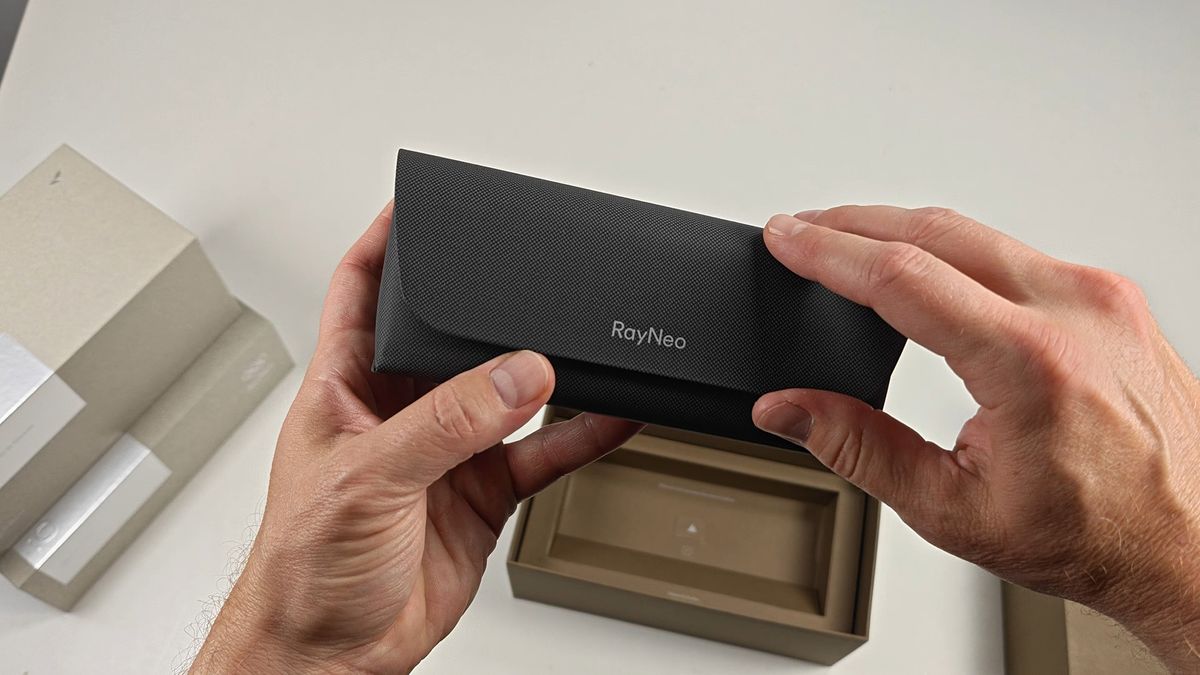
For users desiring a more private and direct acoustic experience, RayNeo offers modular sound tubes as a separate purchase, allowing individuals to customize how audio is delivered based on their environment.
Broader Market Implications and Industry Outlook
The release of the RayNeo GT underscores the rapid commodification of augmented reality hardware. By delivering native 3DoF tracking, high-frequency PWM dimming, and targeted ergonomic sizing at a sub-$300 price point, RayNeo is putting pressure on rival manufacturers to elevate the baseline specifications of entry-level wearables.
Competitors such as the modular Xreal XBX A01+ offer alternative value propositions centered on hardware customization, but the RayNeo GT positions itself as a streamlined, out-of-the-box media consumption device. As consumer demand for portable, private virtual displays grows—driven by remote work trends and the popularity of mobile gaming and streaming—devices like the RayNeo GT serve as a bridge toward mainstream AR adoption.
Ultimately, while challenges regarding ambient light interference and software ecosystem limitations remain, the RayNeo GT demonstrates that high-end optical comfort and advanced spatial features are no longer restricted to luxury price tiers.