The Internet of Things Podcast Signs Off After Eight Years, Concluding an Era of Smart Home Journalism

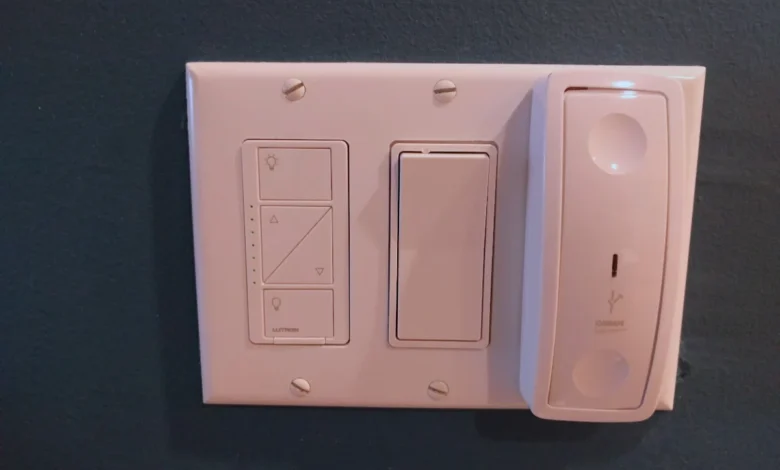
After an impressive eight-year run documenting the evolution of connected devices, smart home automation, and the broader industrial internet, Episode 437 of The Internet of Things Podcast marks the final broadcast for the pioneering audio program. Rather than diving into the usual cycle of breaking industry headlines—such as Arm’s high-profile planned initial public offering, Brilliant’s latest display options, or Leviton’s next-generation energy management circuit breakers—the hosts dedicated their swan song to reflecting on a transformative journey. The farewell episode outlines the personal and professional reasons for stepping back, maps out future trajectories for the creators, and curates an extensive resource guide for listeners seeking to stay informed on IoT developments. The bittersweet finale is capped by a special conversation with seasoned technology journalist Jennifer Pattison Tuohy of The Verge, addressing the current state of smart home ecosystems, the ongoing rollout of the Matter standard, and the elusive business models required to sustain connected residential technology.
A Decade of Technological Evolution: The Chronology of the Show
Launched full-time in 2016, the podcast grew alongside an industry that transitioned from novelty gadgets to ubiquitous household infrastructure. Over the course of 437 episodes, the show captured the rapid maturation of the Internet of Things (IoT), witnessing the shift from fragmented, proprietary ecosystems to interoperability-focused frameworks.
In its early years, the market was characterized by standalone smart bulbs, disparate hubs, and incompatible communication protocols that frequently frustrated consumers. The podcast meticulously charted these growing pains, documenting the arrival of voice assistants, the standardization battles of major tech conglomerates, and the gradual integration of artificial intelligence into everyday appliances. By the time the hosts decided to conclude the program in late 2023, the smart home landscape had evolved significantly, increasingly dominated by overarching connective standards like Matter and Thread, which aimed to unify disparate devices.
Reflecting on the decision to close this chapter, the hosts noted that running a specialized, high-cadence technical podcast for nearly a decade requires an immense allocation of resources and passion. The closing episode offered transparency regarding their personal motivations for stepping away, emphasizing that after years of round-the-clock coverage, testing mismatched switches, and analyzing firmware updates, it was time to pursue new professional horizons.
Curated Industry Resources for the IoT Community
Recognizing that loyal listeners would need alternative avenues to stay abreast of rapid developments in both consumer and industrial IoT sectors, the final episode served as a comprehensive clearinghouse for top-tier tech journalism, newsletters, and community forums.
For audio enthusiasts, the hosts recommended continuing their education through specialized shows such as the Mr. Beacon Show, which focuses on location-based technologies and automatic identification, and The IoT Podcast. Written journalism recommendations spanned several leading publications, including The Verge, TechHive, The Ambient, and the Journal of Innovation published quarterly by the Industrial IoT Consortium, which provides deep insights into enterprise-level deployments.
Community-driven platforms also received strong endorsements, with the hosts pointing listeners to Reddit communities like r/smarthome and r/homeautomation for troubleshooting and real-world consumer feedback. For industrial and enterprise IoT news, the coverage by James Blackman at RCR Wireless was highlighted as essential reading. Financial tracking and venture capital movements in the sector were linked to Dan Primack’s Axios Pro Rata newsletter, while Iskander Smit’s Target is New publication was recommended for forward-looking analyses at the intersection of IoT, artificial intelligence, and industrial design.
Expert Insights: Jennifer Pattison Tuohy on the State of Matter and Smart Home Economics
The final interview guest, Jennifer Pattison Tuohy of The Verge, brought nearly a decade of dedicated smart home reporting to the microphone. Having tested virtually every major consumer device brought to market over the past ten years, Tuohy offered a seasoned perspective on the architectural shifts currently defining the industry.
A central theme of the discussion was the ongoing maturation of the Connectivity Standards Alliance’s Matter protocol. Designed to eliminate walled gardens and ensure that devices from Apple, Google, Amazon, and independent manufacturers can communicate seamlessly over local networks, Matter has faced both high expectations and early adoption hurdles. Tuohy analyzed the current friction points, distinguishing between the marketing promises of universal compatibility and the gritty reality of firmware updates, edge-case bugs, and infrastructure upgrades.
The conversation further explored the fundamental tension in the connected home market: infrastructure versus individual devices. While consumers are often drawn to flashy end-user products—such as smart locks, color-changing lights, and interactive displays—long-term viability and true home automation depend heavily on robust, invisible infrastructure. This includes reliable local networking, smart electrical panels, and energy management systems that operate reliably without cloud dependencies.
Furthermore, Tuohy and the hosts tackled the persistent challenge of business models in the smart home sector. Hardware sales alone have historically proven insufficient to fund ongoing software maintenance, cloud infrastructure, and continuous security updates. Consequently, manufacturers have repeatedly experimented with subscription models, premium tier features, and integrated service bundles. The discussion evaluated which of these financial structures are most likely to endure as consumers grow increasingly resistant to recurring monthly fees for basic device functionalities.
Answering the Final Listener Questions
True to the community-centric ethos that defined the show’s eight-year run, Episode 437 concluded by addressing a final question submitted by a listener. The inquiry challenged the hosts to define what constitutes a truly "complete" smart home and to forecast the foundational innovations that will drive the industry forward over the next decade.
Rather than defining completeness by the sheer volume of connected gadgets, the hosts characterized a mature smart home by its invisibility and reliability. A complete system, in their view, anticipates user needs, reduces cognitive load, and operates with the silent dependability of traditional electrical and plumbing infrastructure. Security, privacy, and local-first execution were emphasized as non-negotiable pillars for future development.
Looking ahead, the conversation underscored that the next wave of IoT innovation will likely be driven by ambient computing and localized artificial intelligence. By moving processing power from remote cloud servers directly into edge devices within the home, future systems will deliver faster response times, enhanced data privacy, and uninterrupted functionality even during internet service outages.
Implications of the Show’s Conclusion for the IoT Media Landscape
The departure of The Internet of Things Podcast marks a symbolic milestone for technology journalism. Over the past decade, specialized vertical podcasts have served as vital connective tissue between engineers, product developers, enterprise adopters, and enthusiastic consumers.
The exit of such a prominent voice leaves a temporary void in deep-dive audio coverage of residential and commercial IoT. However, as the industry transitions from a speculative frontier into a mature, regulated utility market dominated by cross-industry standards, the nature of reporting is shifting accordingly. Future coverage is expected to focus heavily on cybersecurity compliance, energy grid integration, interoperability certification, and the ethical implications of data collection within private spaces.
As the final credits rolled on Episode 437, the overarching message to the listener base was one of gratitude and optimism. Although the podcasting chapter has drawn to a close, the foundational work documented over eight years has permanently altered how society interacts with physical environments. The legacy of the show remains embedded in the very fabric of the modern smart home—a space that, despite its ongoing complexities, is steadily becoming more unified, secure, and intuitive.