Are you the ultimate sci-fi movie buff? Put your knowledge to the test with our 30-question challenge.

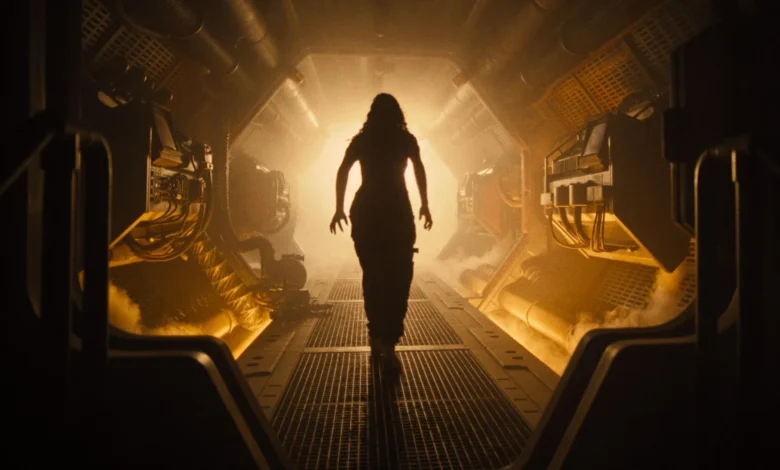
The intersection of high-fidelity home cinema systems and the science fiction genre has long been considered a cornerstone of the home entertainment industry. Enthusiasts who invest in high-end displays, surround-sound configurations, and optimized acoustic environments frequently turn to the sci-fi genre to calibrate and showcase the capabilities of their hardware. This symbiotic relationship between immersive visual storytelling and cutting-edge AV technology has created a dedicated subculture of cinephiles who value both the technical spectacle and the thematic depth of the genre.
In response to this sustained interest, a new comprehensive assessment tool has been launched to test the breadth of knowledge among aficionados of science fiction cinema. This 30-question quiz covers the vast spectrum of the genre, spanning early 20th-century black-and-white classics to the high-budget, CGI-heavy blockbusters that currently dominate the global box office. Unlike traditional trivia challenges that focus on obscure minutiae, this assessment prioritizes the breadth of exposure—rewarding individuals who have consumed a diverse range of titles rather than those who possess deep knowledge of a single franchise.
The Chronology of Science Fiction in Cinema
To understand the scope of this challenge, one must consider the evolution of the genre. Science fiction cinema has undergone radical transformations since its inception. The following timeline outlines the key eras covered within the scope of this cinematic assessment:
- The Foundational Era (1900–1950s): Characterized by pioneering works such as Georges Méliès’ A Trip to the Moon (1902) and the cautionary tales of the Cold War era, where technological anxiety was a central theme.
- The Space Age and Speculative Fiction (1960s–1970s): This period marked a shift toward high-concept storytelling and advanced practical effects, epitomized by Stanley Kubrick’s 2001: A Space Odyssey (1968) and the launch of the Star Wars franchise in 1977.
- The Digital Revolution (1980s–1990s): The emergence of cyberpunk aesthetics and the refinement of digital compositing allowed for more complex world-building, exemplified by films such as Blade Runner (1982) and The Matrix (1999).
- The Modern Spectacle (2000s–Present): A period defined by motion capture, massive scale, and the integration of IMAX and 4K HDR mastering, which has become the primary benchmark for home cinema enthusiast performance testing.
Technical Parameters and Assessment Methodology
The quiz utilizes a strictly timed format to ensure that results reflect genuine knowledge rather than external research or digital assistance. Participants are allotted exactly three minutes to complete the 30-question series. This temporal constraint acts as a psychological pressure point, designed to filter out casual viewers from those with an "ingrained" knowledge of the genre. By eliminating the ability to utilize external search engines, the integrity of the data collected—specifically the participant’s ability to recall information under pressure—is preserved.
The leaderboard functionality integrated into the platform provides a competitive layer, allowing for a quantitative comparison of performance across a global user base. This gamification element serves to drive engagement and creates a community-driven hierarchy based on cinematic literacy.
Market Context and Consumer Trends
Data from the home entertainment sector indicates that sci-fi remains one of the most profitable genres for physical media and high-end digital streaming services. According to annual reports from major industry analysts, science fiction titles consistently rank in the top three genres for 4K Ultra HD Blu-ray sales, trailing only behind action and fantasy. This correlation is largely attributed to the genre’s reliance on high-dynamic-range (HDR) visuals and complex sound mixing, which require high-performance hardware to appreciate fully.
Industry experts note that the "Home Cinema Effect"—the trend of consumers upgrading their living spaces to mimic professional theater environments—is heavily influenced by the release of major sci-fi tentpole films. When a significant sci-fi title is released, retailers often observe a corresponding spike in the sales of OLED displays and Dolby Atmos soundbar systems. Consequently, initiatives that promote genre knowledge, such as this quiz, serve to reinforce the cultural relevance of these films, thereby sustaining interest in the hardware required to view them.
Analysis of Genre Literacy
The move to assess "breadth" over "depth" is a calculated design choice. In a journalistic or cultural context, breadth of knowledge suggests an appreciation for the medium as a whole rather than an obsession with specific fan-service details. By requiring knowledge of the "A-Z" of the genre, the assessment forces participants to reconcile the differences between various sub-genres: space opera, dystopian fiction, body horror, and hard science fiction.
The implications of this are twofold. First, it encourages a more diverse viewing history. Second, it provides a metric for cultural literacy within the home cinema community. For the average enthusiast, the ability to recognize films from disparate decades and styles demonstrates a high level of engagement with the history of motion picture technology.
Official Perspectives on Digital Engagement
Representatives from platforms dedicated to AV education emphasize that these quizzes are more than mere entertainment. They function as a tool for "community calibration." By establishing a baseline of knowledge, enthusiasts can engage in more informed discussions regarding the artistic merits of new releases compared to their predecessors.
"The goal is to move the conversation beyond pixel peeping and technical specifications," said a representative from a leading AV publication. "While we celebrate the hardware—the cables, the displays, the receivers—the content is what gives that hardware purpose. Understanding the evolution of the sci-fi genre allows the viewer to better appreciate why a particular film deserves the treatment of a high-end home cinema setup."
Broader Impact and Future Implications
The integration of leaderboard systems and time-sensitive trivia has become a standard practice in digital journalism as a means to foster community interaction. However, when applied to niche interests like high-end home cinema, it serves a secondary purpose: the curation of a dedicated audience.
Looking forward, as the industry moves toward 8K resolution and advancements in immersive audio, the demand for content that justifies such investments will grow. The sci-fi genre is positioned to remain the primary vehicle for these technological leaps. As such, the individuals who score well on these assessments represent the core demographic for future industry innovations.
Participants who wish to test their standing are encouraged to approach the task with a focus on recall speed and broad familiarity. The leaderboard will serve as a live document of the community’s current proficiency, providing a clear snapshot of how deep the collective expertise of the sci-fi enthusiast population truly is. As the competition continues, the results may provide further insight into which eras of science fiction remain the most culturally resonant and which may be fading from the public consciousness.
In conclusion, the challenge serves as both a test of personal knowledge and a reflection of the enduring power of the science fiction genre. Whether one is a seasoned veteran of the genre or a newer enthusiast looking to broaden their cinematic horizons, the quiz offers a structured way to engage with the history of the medium. The results, while subjective in their nature, offer a tangible way to measure one’s place within the global community of home cinema enthusiasts, reinforcing the idea that for the true aficionado, the experience of the film is only complete when it is understood within the broader context of the genre’s storied history.