Apple iPhone Duo launch marred by widespread reports of premature display failure at the hinge


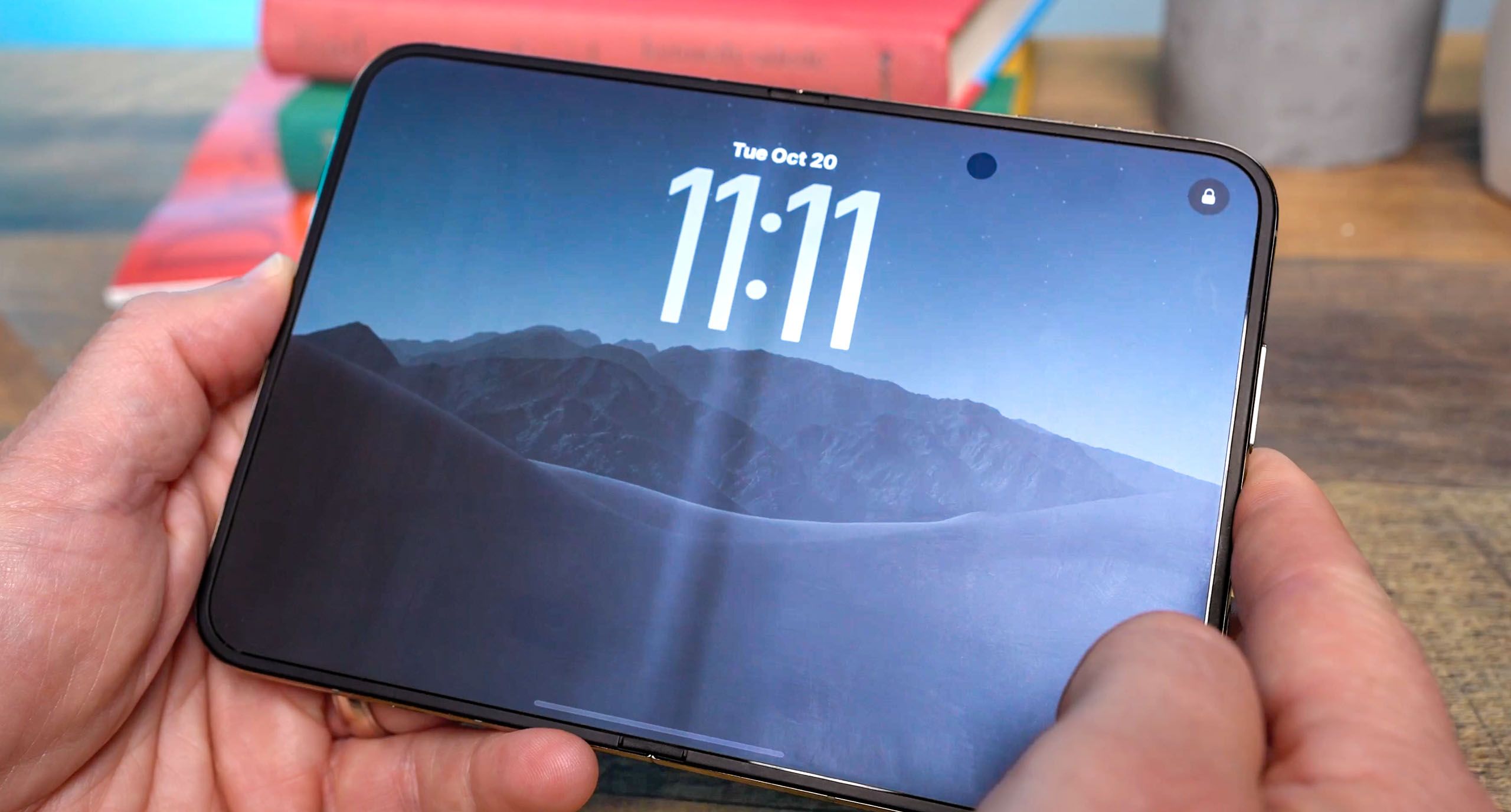
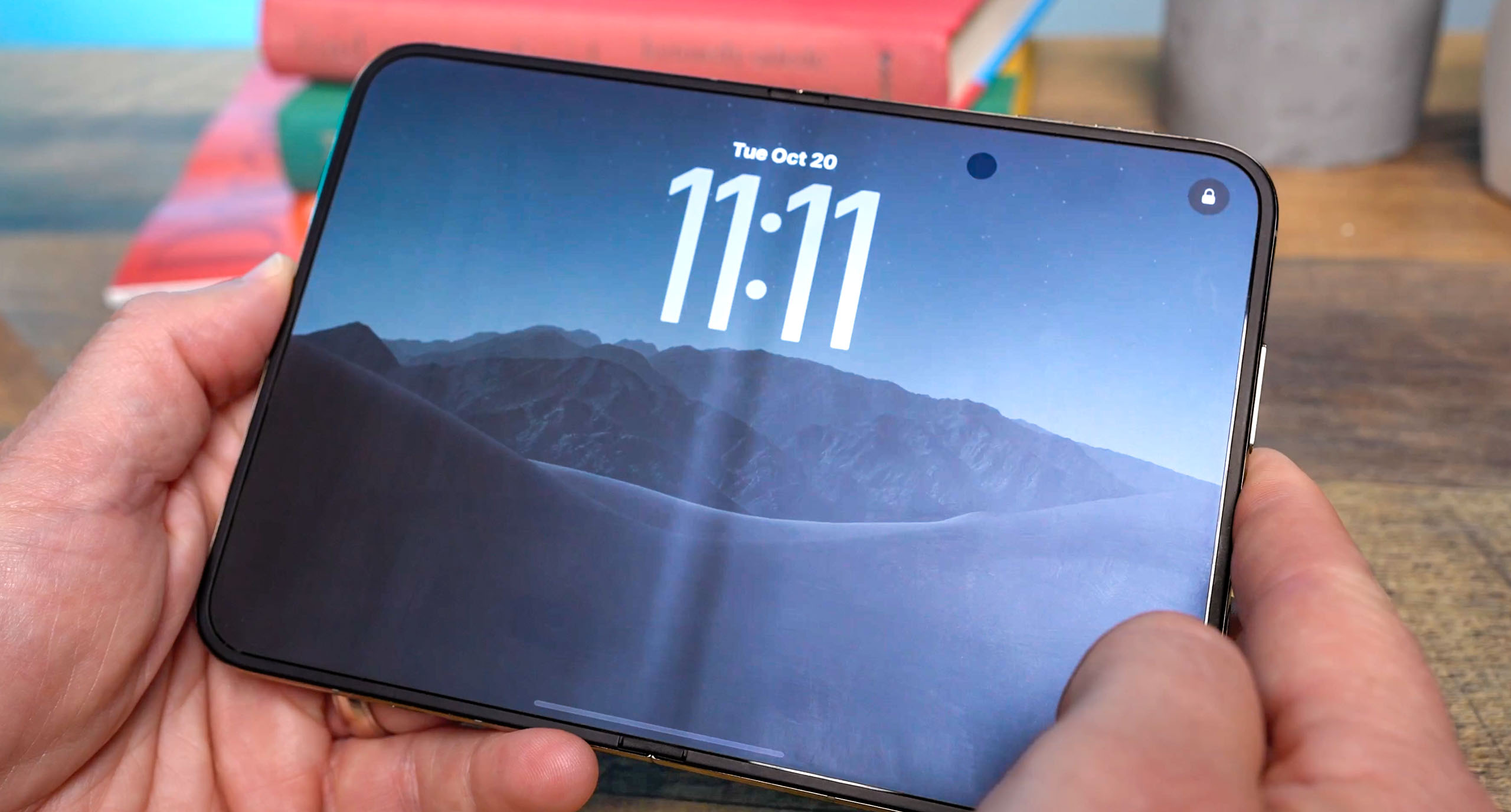
The highly anticipated launch of the Apple iPhone Duo, the company’s inaugural foray into the foldable smartphone market, has been overshadowed by an alarming wave of hardware failures reported by early adopters across the globe. Less than 24 hours after the device officially hit shelves, customers in the United States, China, and Australia began documenting catastrophic failures of the internal foldable display. These reports consistently describe a vertical crack emerging along the device’s central hinge, often accompanied by a persistent, bright white line of dead pixels. The widespread nature of these complaints suggests a potential systemic manufacturing or design flaw in the folding mechanism, raising significant questions about the long-term viability of Apple’s entry into this competitive product category.
A Chronology of Hardware Instability
The timeline of the iPhone Duo’s release has been swift and troubled. Following the highly publicized unveiling, the device was met with significant consumer interest, leading to rapid sell-throughs at major retail locations. However, the first reports of failure surfaced on social media platforms, most notably Reddit, within hours of the product reaching the hands of the public.
One Australian user reported that after only six hours of moderate use, during which the device was opened fewer than 20 times, they heard an "audible crack." Upon inspection, the internal OLED panel had fractured precisely along the crease. Similar anecdotes have since surfaced from diverse regions, indicating that the defect is not limited to a specific batch of devices or a localized supply chain. The consistency of the symptoms—a central fracture followed by a display-wide pixel malfunction—points toward a structural issue inherent to the hinge’s tension or the durability of the flexible glass polymer utilized by Apple.
Technical Analysis and Durability Testing
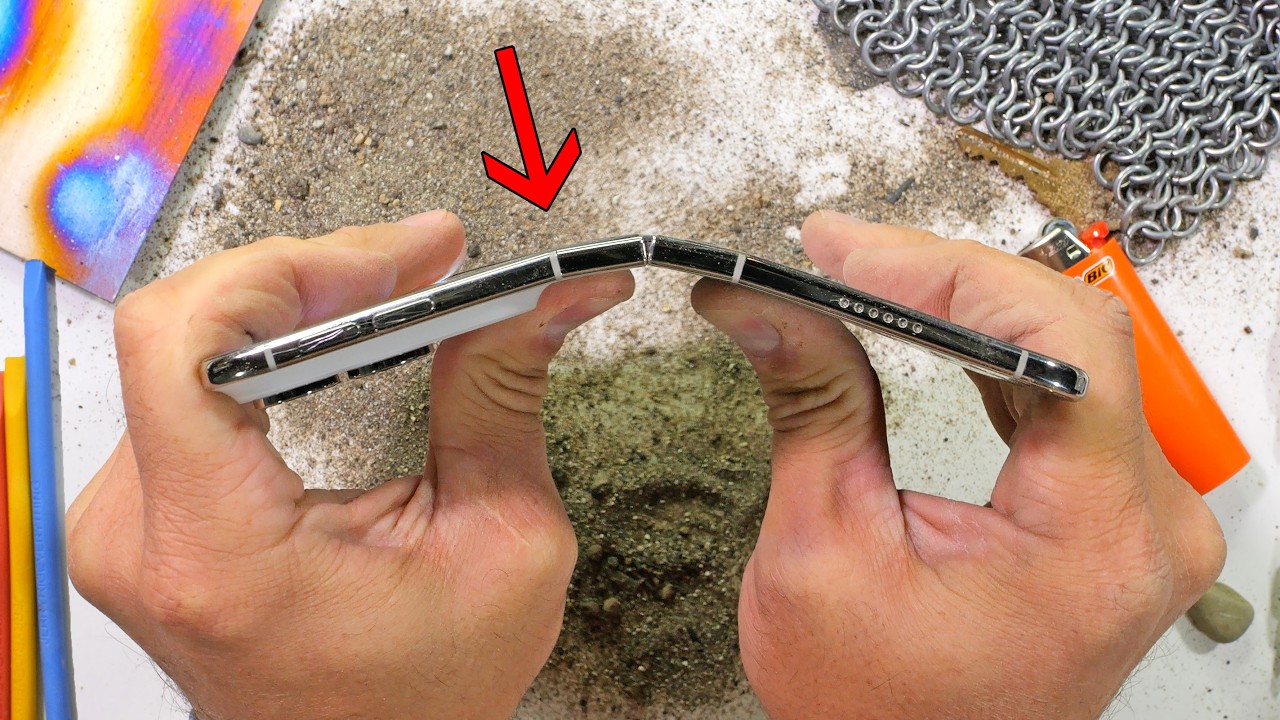
To better understand the failure points of the iPhone Duo, prominent technology reviewers have subjected the handset to rigorous stress tests. The findings from these independent analyses offer a grim perspective on the device’s durability. While Apple marketed the phone with an IP68 rating for water and dust resistance, real-world testing conducted by experts such as Zack Nelson of the YouTube channel JerryRigEverything suggests that the hinge mechanism is particularly vulnerable to environmental debris.
During these tests, it was observed that fine particulate matter could infiltrate the hinge housing, effectively bypassing the protective seals. These particles exert pressure on the internal display from the underside during the folding process, creating localized stress points that lead to cracking. Furthermore, the bend test revealed a significant lack of structural integrity when the device is under pressure; the screen suffered a permanent green line malfunction and complete digitizer failure shortly after the chassis was flexed.
While the exterior display, protected by Apple’s proprietary Ceramic Shield 2, performed as expected under standard scratch tests, the internal folding screen showed high susceptibility to damage. Even light contact, such as that from a fingernail, left lasting grooves on the panel. While the device features a matte nano-texture coating designed to mitigate the appearance of minor surface imperfections, this feature proved insufficient to protect the underlying display technology from structural failure.
The Financial and Logistical Impact
The financial implications for Apple are significant. Priced at a premium $2,000, the iPhone Duo is positioned as a luxury device for power users and tech enthusiasts. Customers at this price point expect a level of reliability consistent with Apple’s historical reputation for build quality. The current failure rate threatens to erode this consumer trust, particularly as the device is being marketed as a primary productivity tool.
The logistics of replacing these units have also proved challenging. Initial reports indicated that Apple’s customer support channels were requiring users to place a financial hold for the full cost of the device while awaiting an "express replacement." This policy, combined with the lack of an estimated delivery date for new units, created immediate frustration among the early-adopter community. However, in-person visits to Apple Stores have yielded different results, with store staff reportedly providing immediate replacements from current inventory. This suggests that Apple may have been prepared for a certain level of hardware return, though the volume of these incidents may soon outpace available replacement stock.
Broader Implications for the Foldable Market
The situation surrounding the iPhone Duo serves as a critical case study for the current state of foldable display technology. For years, manufacturers have struggled with the "crease" problem and the fragility of flexible screens. While competitors have made iterative improvements over several generations of hardware, Apple’s decision to enter the market with a brand-new, unproven form factor has highlighted the extreme difficulty of balancing portability with structural durability.
Industry analysts suggest that this event could force a shift in how foldable devices are marketed. If the current failure trend continues, Apple may need to adjust its warranty terms or implement a more robust public information campaign regarding the delicate nature of the hardware. Furthermore, there is growing concern regarding the long-term repairability of the iPhone Duo. Traditional smartphone repairs are becoming increasingly complex, and a foldable device with an integrated hinge and flexible screen represents the zenith of these challenges.
Corporate Response and Future Outlook
As of the time of this report, Apple has not issued an official, formal statement addressing the specific cause of the hinge-related fractures. Historically, when faced with widespread hardware issues—such as the "Bendgate" controversy of the iPhone 6 or early butterfly keyboard issues on the MacBook—Apple has eventually introduced internal revisions to the hardware or expanded its warranty coverage to include the affected components.
Consumers currently holding an affected device are encouraged to utilize Apple’s 14-day return window if they remain within the period, or to contact Apple Support for an official service request. The company’s one-year limited warranty theoretically covers manufacturing defects, though the definition of "normal use" versus "accidental damage" will likely become a point of contention between customers and repair technicians.
Moving forward, the success of the iPhone Duo will depend entirely on how Apple manages this crisis. Should the company acknowledge the flaw and provide a clear pathway for hardware revisions or extended coverage, it may be able to salvage the reputation of the product line. However, if the issues are indeed widespread and fundamental to the design, the company may face a costly recall or a significant delay in future production cycles.
For the average consumer, the current landscape of foldable smartphones remains a high-risk investment. The iPhone Duo, despite its high price and sophisticated software integration, currently serves as a reminder that bleeding-edge technology often carries a "beta" quality during its initial release phase. Potential buyers who have not yet purchased the device are advised to monitor the situation closely and wait for the release of subsequent hardware revisions, which will likely address the structural shortcomings identified in these first-generation units.
The situation remains fluid. As more units circulate in the hands of the general public, the statistical probability of further failures will be monitored by both market analysts and consumer advocacy groups. For now, the iPhone Duo stands as a cautionary tale in the rapid pursuit of hardware innovation at the expense of established structural reliability. Apple, a company known for its rigorous testing and design standards, is now facing the most significant hardware durability challenge of the last decade, and the industry is watching to see how the tech giant will pivot in response to this mounting pressure.