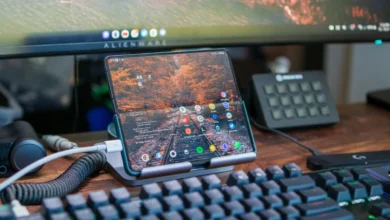
Belkin launches new semi-solid-state battery lineup for iPhone featuring advanced power density and premium aluminum architecture

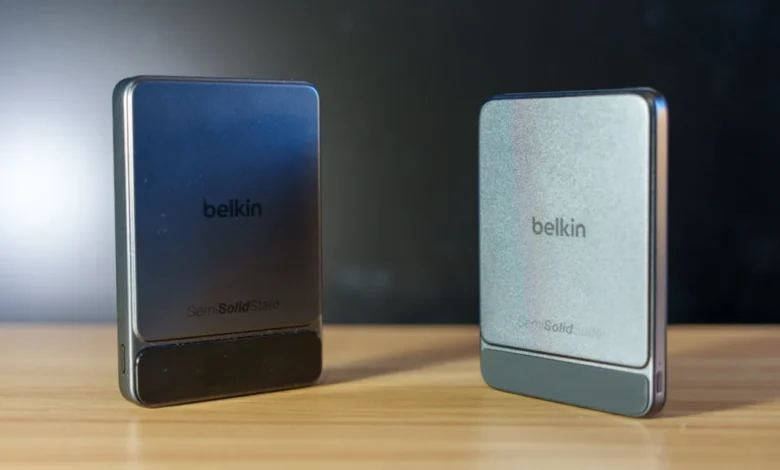
Belkin has officially expanded its portable power accessory ecosystem with the introduction of two new battery banks utilizing semi-solid-state battery technology. These new offerings, a 10,000mAh USB-C power bank and a 5,000mAh MagSafe-compatible unit, represent a significant shift in mobile charging hardware, focusing on weight reduction, increased energy density, and premium material integration. By transitioning from traditional liquid electrolyte lithium-ion cells to semi-solid-state alternatives, Belkin aims to address the long-standing consumer demand for thinner, lighter, and more durable power solutions for mobile devices.
Technological Advancements in Battery Architecture
The transition to semi-solid-state batteries is a critical development in the consumer electronics sector. Traditional lithium-ion batteries rely on liquid electrolytes, which require heavy casing to prevent leaks and thermal runaway. In contrast, semi-solid-state batteries use a hybrid approach that integrates a gel-like electrolyte or a solid-state separator. This architectural shift provides several tangible benefits: higher energy density, improved safety profiles due to reduced flammability, and the ability to utilize thinner, more flexible chassis designs.
The new Belkin units capitalize on this density by shedding the bulkiness associated with legacy power banks. The 10,000mAh model, for instance, weighs in at 220g—a notable reduction compared to the 240g to 300g range typical of conventional 10,000mAh portable chargers. This weight optimization is achieved without compromising structural integrity, as both devices feature high-grade aluminum shells that provide superior heat dissipation compared to plastic alternatives.
Chronology and Market Positioning
The mobile power market has undergone a rapid evolution over the last five years. Following the introduction of Apple’s MagSafe ecosystem in 2020, the demand for magnetic, wireless, and portable power solutions surged. Initially, the market was flooded with bulky, plastic-cased units that often suffered from thermal degradation.
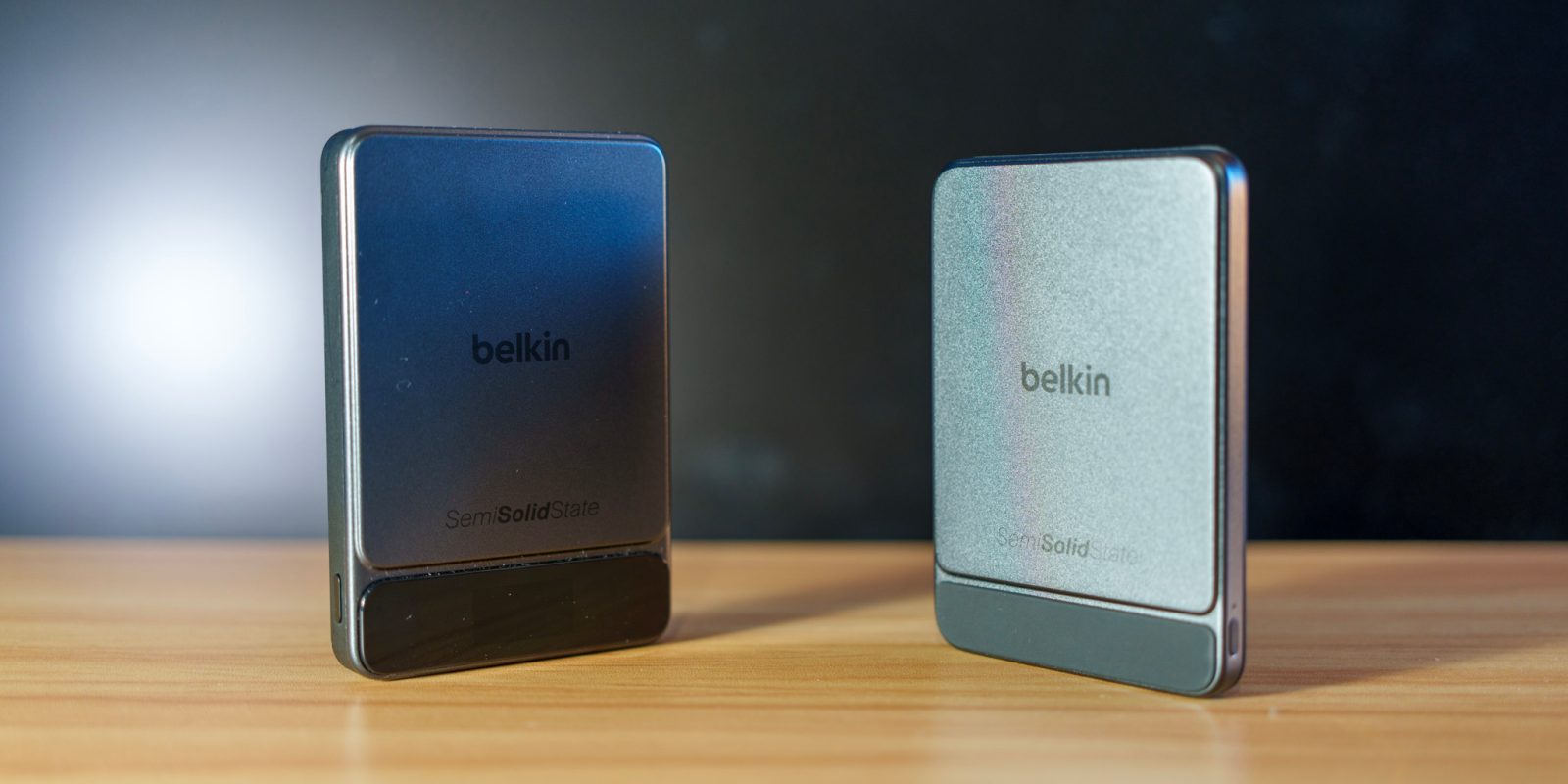
By late 2024 and throughout 2025, manufacturers began prioritizing "slim-line" form factors to match the aesthetic design of contemporary iPhones. Belkin’s latest release serves as a milestone in this timeline, marking the point where premium materials—specifically aluminum—have become a standard for mid-to-high-tier accessories rather than a luxury outlier. The inclusion of Qi2 wireless charging standards in the 5,000mAh model further aligns these products with the latest industry regulations and compatibility standards established by the Wireless Power Consortium.
Technical Specifications: 10K USB-C Power Bank
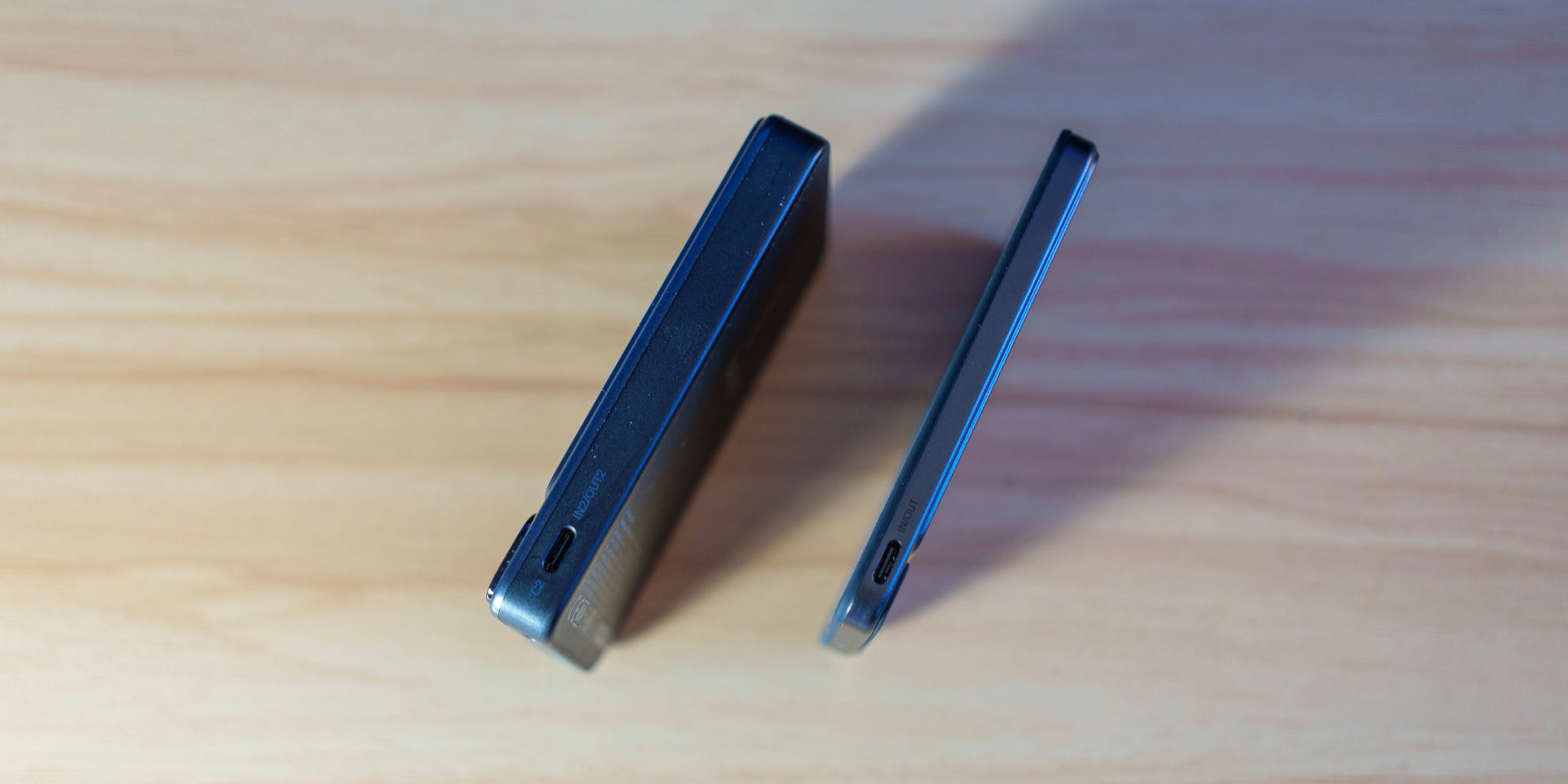
The 10,000mAh capacity unit is designed for users who prioritize rapid charging throughput over wireless convenience. Delivering up to 60W of power, the unit is capable of charging not just smartphones, but also tablets and compact laptops, making it a versatile tool for professionals.
Key features include:
- Capacity: 10,000mAh, sufficient for approximately two full charges for most modern flagship smartphones.
- Output: 60W USB-C Power Delivery, enabling fast charging for high-demand devices.
- User Interface: An integrated smart display that provides real-time battery percentage readouts, replacing the ambiguous LED dot indicators common in older models.
- Build: CNC-machined aluminum chassis, designed for durability and improved thermal management during high-wattage charging cycles.
Technical Specifications: 5,000mAh MagSafe Unit
The 5,000mAh model is engineered specifically for the iPhone user who prioritizes portability. By leveraging MagSafe magnetic alignment, this unit allows for seamless wireless charging while the phone is in use. It supports 15W Qi2 wireless charging, providing the maximum efficiency allowed for third-party magnetic charging accessories.
Despite its performance, the device is notably stripped of non-essential features, such as integrated kickstands, to maintain a minimalist profile. This design decision serves a specific segment of the market: the "minimalist user" who requires an emergency power boost without the added weight of mechanical hinges or complex displays.
Implications of Form Factor Constraints
A notable consideration for consumers is the physical footprint of these devices relative to current hardware iterations. As Apple has introduced larger device variations—specifically the "Duo" or "Max" series variants—the dimensions of magnetic accessories have come under scrutiny.
Belkin’s 5,000mAh unit, while optimized for standard iPhone dimensions, may result in slight overhang on certain models. This physical discrepancy highlights a broader industry trend where accessory manufacturers are constantly iterating to keep pace with the changing geometry of mobile phones. Industry analysts anticipate that as screen sizes and camera bump designs continue to shift, accessory manufacturers will likely pivot toward modular or size-adjustable magnetic charging solutions by the next iteration of major industry trade shows, such as CES.
Strategic Market Analysis and Future Outlook
The decision to market these batteries as "semi-solid-state" is a strategic move to differentiate Belkin from budget-tier competitors. In a market saturated with low-cost, high-capacity power banks that often fail to meet advertised efficiency standards, Belkin is positioning itself as the "premium reliable" choice.
The adoption of aluminum as a primary material is also an environmentally conscious choice in the context of recycling. Aluminum is infinitely recyclable, providing a better lifecycle profile than the composites used in cheaper, plastic-encased batteries. Furthermore, the longevity afforded by the semi-solid-state chemistry suggests a longer functional life for the products, potentially reducing electronic waste by extending the replacement cycle for the end-user.
From a macroeconomic perspective, the pricing of these units—$89.95 for the 10K model and $69.99 for the 5K model—reflects the current cost of high-density battery cells and premium manufacturing processes. As manufacturing scales and semi-solid-state technology becomes more ubiquitous, it is likely that these price points will stabilize, potentially driving the technology into lower-cost accessory tiers.

Official Stance and Consumer Guidance
While Belkin has not issued a formal press release regarding the specific supply chain for their semi-solid-state cells, the move signals a broader trend among Tier-1 accessory manufacturers to abandon traditional lithium-polymer (Li-Po) cells in favor of more efficient chemistry.
For the end-user, the shift towards these batteries represents an improvement in the "daily carry" experience. The reduced weight, combined with the cooling properties of aluminum, directly addresses the primary pain points of mobile power: the reluctance to carry a heavy, overheating brick in one’s pocket.
Conclusion
The launch of the new Belkin battery lineup underscores a maturation in the mobile accessory market. By focusing on material quality, advanced battery chemistry, and refined industrial design, the company is catering to a demographic that values reliability and aesthetic integration. As mobile devices continue to demand more energy for intensive tasks such as AI processing and high-resolution video capture, the role of efficient, portable power will only increase in importance. These latest offerings from Belkin demonstrate that the next generation of power banks will not just be about capacity, but about how effectively that power can be delivered in the most unobtrusive form factor possible.
As these products hit the market, consumer feedback regarding thermal performance and long-term capacity retention will be the ultimate litmus test for the viability of semi-solid-state technology in the consumer portable power space. For now, they represent a significant step forward in hardware design, setting a new benchmark for what users should expect from their mobile charging ecosystem.