The Best Gaming Laptops in 2025 Usher in a New Generation of GPUs, Led by Nvidia’s GeForce RTX 50 Series.

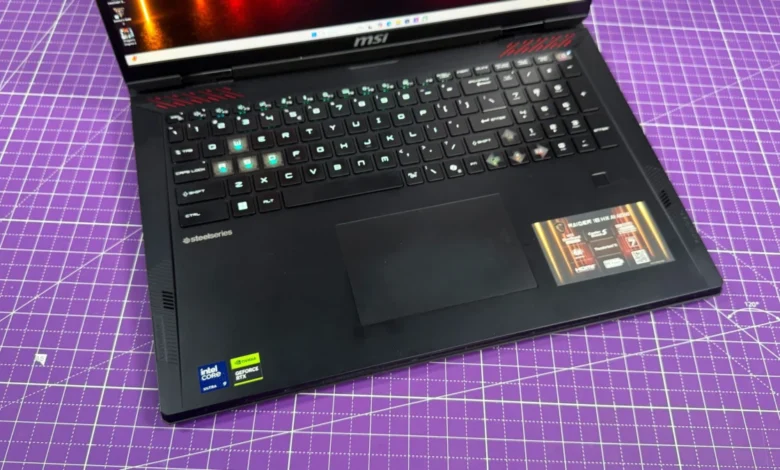
The landscape of high-performance portable computing is undergoing a significant transformation in 2025, driven primarily by the advent of Nvidia’s GeForce RTX 50 series GPUs. This new generation of graphics processing units is setting new benchmarks for speed, realism, and efficiency, fundamentally reshaping expectations for what a gaming laptop can achieve. While comprehensive testing across all models is still in progress, initial evaluations reveal several standout machines that are quickly establishing themselves as industry leaders. These cutting-edge devices are joining an already robust selection of RTX 40 series laptops that continue to offer formidable performance, ensuring a diverse and competitive market for enthusiasts and professionals alike.
Every gaming laptop featured in this evolving list is engineered to deliver an exceptional experience with the latest AAA titles, running them with remarkable fluidity. The ultimate visual fidelity and performance will naturally correlate with a user’s allocated budget, yet the overarching goal remains to guide consumers toward a machine that reliably and smoothly executes their preferred games. The rigorous evaluation process at Laptop Mag, honed over more than seven years and encompassing reviews of over 90 gaming laptops, ensures a deep understanding of each device’s strengths and weaknesses. Reviewers spend considerable time, often a week or more, in hands-on testing, moving beyond initial impressions to gauge long-term usability and value.
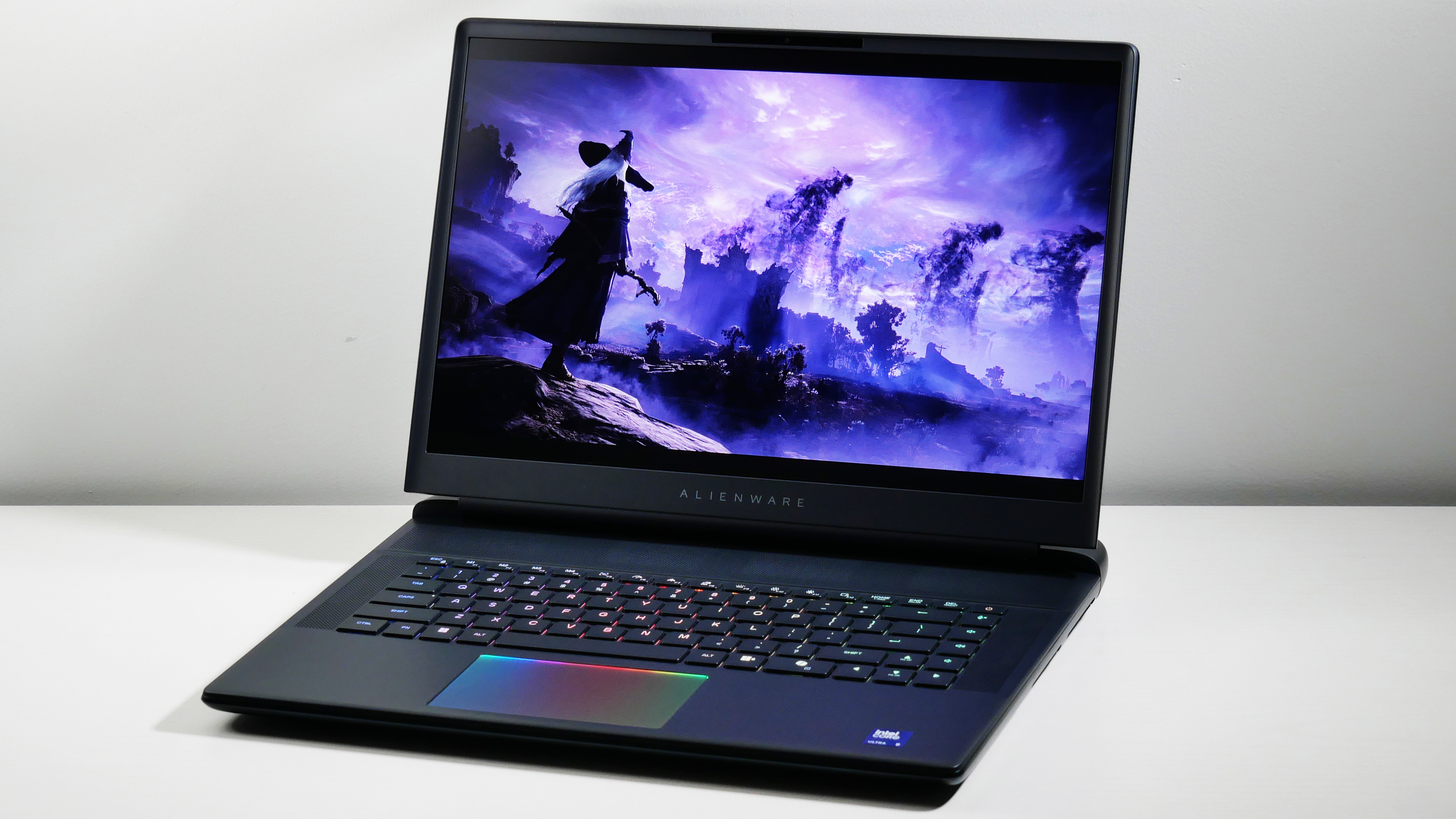
Beyond subjective expert assessment, a comprehensive suite of benchmarks underpins Laptop Mag‘s recommendations. Each laptop undergoes stringent tests evaluating raw performance, graphical capabilities, display quality, and crucial battery life. This meticulous approach accounts for the varying demands of modern gaming, from poorly optimized titles like Monster Hunter Wilds to graphically intensive experiences such as Cyberpunk 2077. The most resilient laptops are those that demonstrate superior performance across this challenging gauntlet. Furthermore, the evaluation extends to real-world usage scenarios, where reviewers integrate the laptops into their daily routines for gaming, work, and general computing. This holistic perspective ensures that aspects like thermal management, keyboard comfort, software stability, and webcam quality are thoroughly scrutinized, providing a complete picture of the user experience. This detailed methodology guarantees that whether a consumer is seeking a budget-friendly option, a premium powerhouse, or something in between, the recommendations are grounded in extensive, verifiable data. The market is also anticipating the imminent launch of more accessible RTX 50-series GPUs, such as the RTX 5060 and RTX 5050, which are expected to make next-generation performance available to a wider audience. The latest addition to the rankings, on June 4, 2025, is the Alienware 16 Area-51, recognized for its striking aesthetic design.
The Evolution of Gaming Laptop Technology: A 2025 Perspective
The year 2025 marks a pivotal moment in gaming laptop technology, characterized by significant advancements across several key components. The transition to Nvidia’s GeForce RTX 50 series GPUs is the most prominent development, promising enhanced ray tracing capabilities, superior AI acceleration through DLSS 4, and overall greater raw computational power. This generational leap isn’t just about faster frame rates; it’s about pushing the boundaries of visual realism and enabling more immersive gaming experiences than ever before.
Accompanying these powerful GPUs are equally impressive CPU advancements from both Intel and AMD. Intel’s Lunar Lake and Arrow Lake chips are demonstrating notable strides in both performance and power efficiency, challenging AMD’s traditionally strong position in mobile processors. AMD’s Ryzen 8000 series CPUs continue to impress with their balanced approach, delivering robust multi-core performance alongside excellent battery life, a critical factor for portable gaming machines.
Display technology has also seen remarkable evolution. While 1080p panels with high refresh rates remain a staple for competitive gaming, the mainstream adoption of 1440p displays offers a compelling sweet spot, balancing sharpness with high frame rates. Furthermore, the increasing availability of MiniLED and OLED displays, like those found in premium models, is elevating visual fidelity with deeper blacks, vibrant colors, and exceptional contrast, moving beyond traditional LED panels. Form factors are also shifting, with a growing emphasis on 14-inch and 16-inch laptops that strike a better balance between screen real estate and portability, and even 18-inch models for ultimate desktop replacement experiences. Crucially, battery life, long the Achilles’ heel of gaming laptops, is seeing significant improvements, with some models now offering endurance comparable to non-gaming notebooks, a testament to advancements in power management and component efficiency.
In-Depth Analysis of 2025’s Leading Gaming Laptops
The following selection represents the pinnacle of gaming laptop engineering in 2025, each meticulously tested and evaluated to provide unparalleled insights into their capabilities and suitability for different user needs.
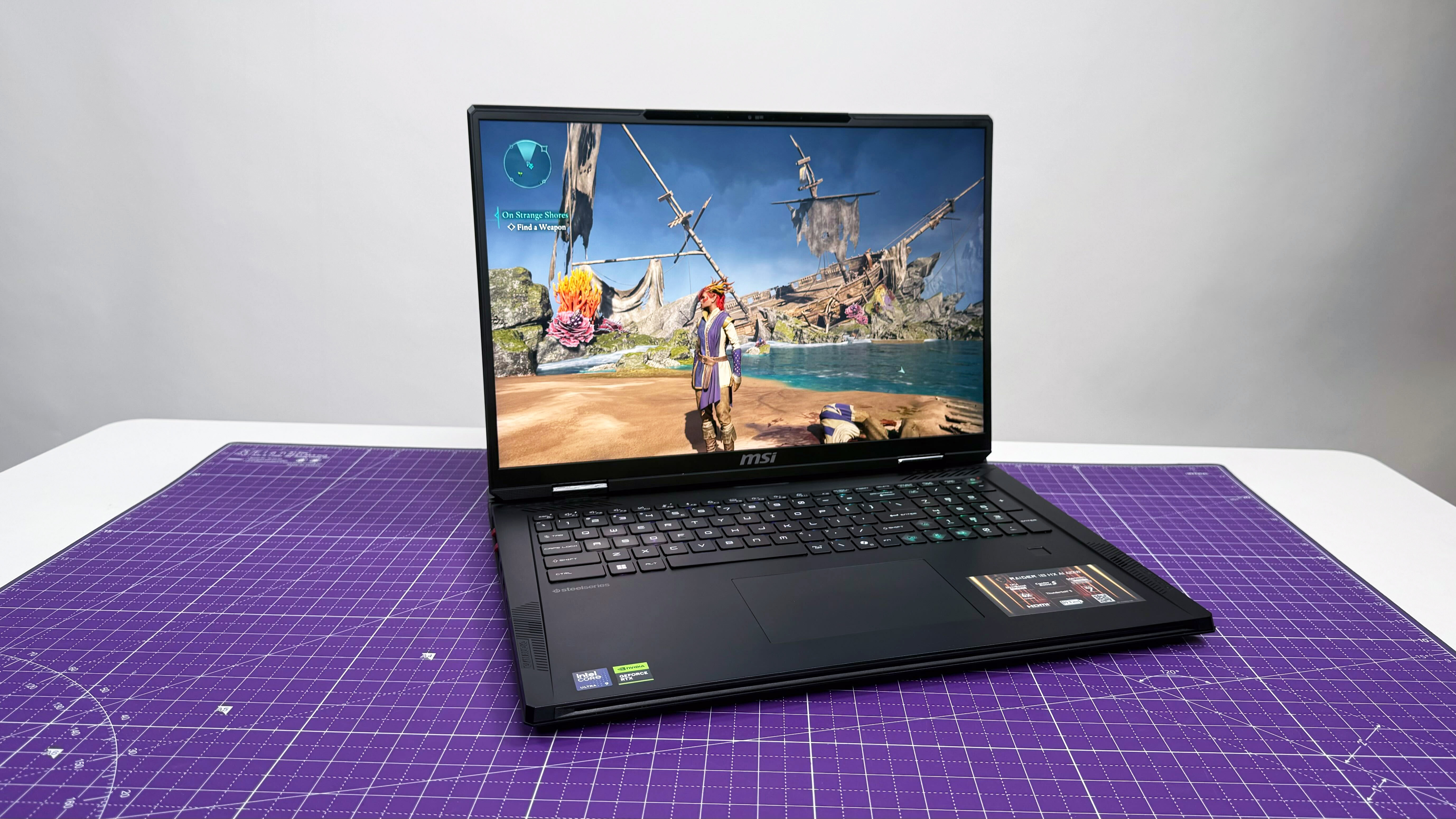
MSI Raider 18 HX AI: Unmatched Overall Performance
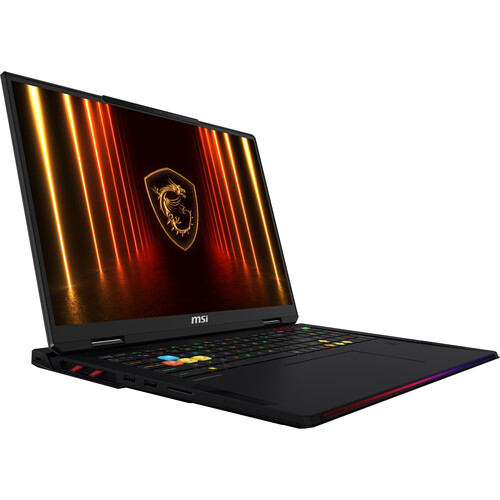
The MSI Raider 18 HX AI stands as the undisputed champion for overall performance, a true force of nature in the gaming laptop arena. While its premium price point positions it firmly in the high-end market, the sheer power of its RTX 5080 GPU, coupled with a stunning MiniLED display, a highly responsive keyboard, and high-fidelity audio, justifies its position at the top. The inclusion of an Intel Core Ultra 9 285HX CPU and 64GB of RAM ensures that this machine is not just for gaming but also for any demanding computational task.
Reviewer Madeline Ricchiuto notes, "For a premium desktop replacement laptop like the Raider, the miniLED panel is more than just a utility feature; it’s a key selling point," highlighting the visual splendor. In gaming benchmarks, the Raider 18 HX AI consistently delivers elite-tier performance. It achieved an impressive 153 frames per second (fps) in Assassin’s Creed: Mirage at Ultra settings, 1080p, significantly outperforming competitors like the Razer Blade 16 (120 fps) and Gigabyte Aorus Master 16 (145 fps). Even in the notoriously demanding Cyberpunk 2077 (Ultra, 1080p), the Raider maintained a smooth 64 fps, showcasing its ability to handle the most graphically intense titles.
The 18-inch, 4K, 120Hz MiniLED display is a visual marvel, covering 83.1% of the DCI-P3 color gamut and boasting an average brightness of 668 nits. This exceptional brightness and color accuracy provide a truly immersive experience, crucial for navigating dark in-game environments or enjoying vibrant open worlds. The full-size keyboard, with its "bouncy" and well-spaced keys, offers a pleasant and responsive typing experience, a critical feature for long gaming sessions. However, the Raider’s formidable power comes with trade-offs. Its cooling fans can be notably loud under load, and despite their efforts, the laptop can still generate significant heat. Furthermore, its battery life is a modest 2 hours and 33 minutes in general use, underscoring its role as a desktop replacement that thrives when plugged in.
Dell G16 (7630): Premium Features on a Budget
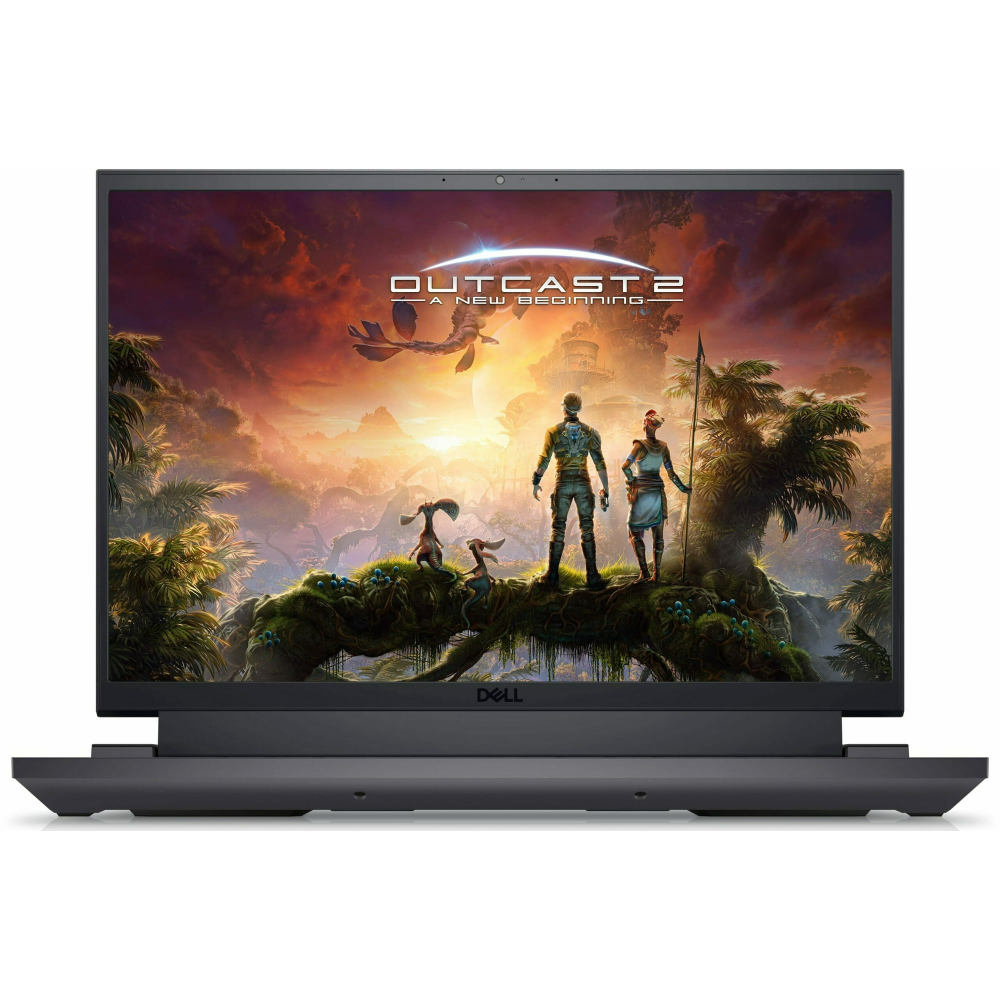
In an era where affordable gaming laptops are becoming increasingly rare, the Dell G16 (7630) emerges as a remarkable exception, delivering premium features at a sub-$1,000 price point. It defies expectations by offering a vibrant display and a mechanical keyboard, elements typically reserved for much more expensive machines. Powered by an Intel Core i7-1365HX CPU and an Nvidia GeForce RTX 4060 8GB GPU, it provides competitive performance for its category.
Rami Tabari states, "If I wanted to jump into battle with my friends on a budget, this is the gaming laptop I’d take with me," reflecting its exceptional value. The RTX 4060 GPU ensures solid performance, managing 33 fps in Cyberpunk 2077 (Ultra, 1080p), surpassing the Asus TUF Gaming A14 (30 fps) and Acer Predator Helios Neo 16 (32 fps). It also achieved 88 fps in Assassin’s Creed Mirage (Ultra, 1080p), matching the Helios Neo 16.
The 16-inch, 2560 x 1600, 240Hz display is a standout feature, covering an impressive 114% of the DCI-P3 color gamut. While its brightness of 310 nits is moderate, it’s more than adequate for indoor gaming. The integrated Cherry MX tactile mechanical keyboard is a significant highlight, offering a satisfyingly clicky and responsive experience that is rare in this price bracket. Battery life is also respectable for a gaming laptop, lasting 5 hours and 4 minutes in web surfing tests. However, the Dell G16 isn’t without its compromises. The speakers produce a hollow and harsh sound, making a gaming headset almost essential. Additionally, the touchpad is notably small, which can hinder general use, though most gamers will opt for an external mouse anyway.
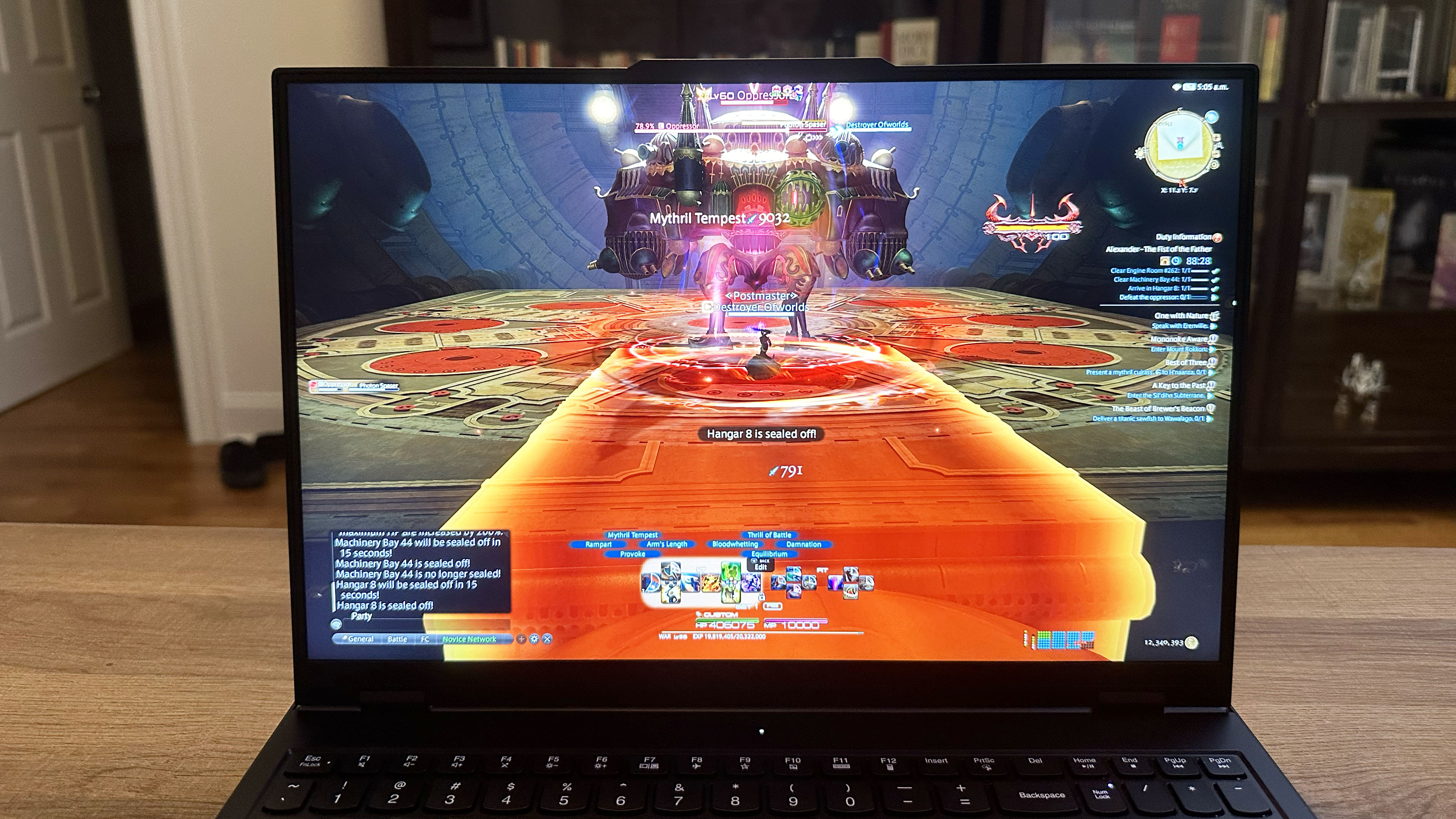
Lenovo Legion Pro 7i (Gen 9): The Pinnacle of the RTX 40-Series
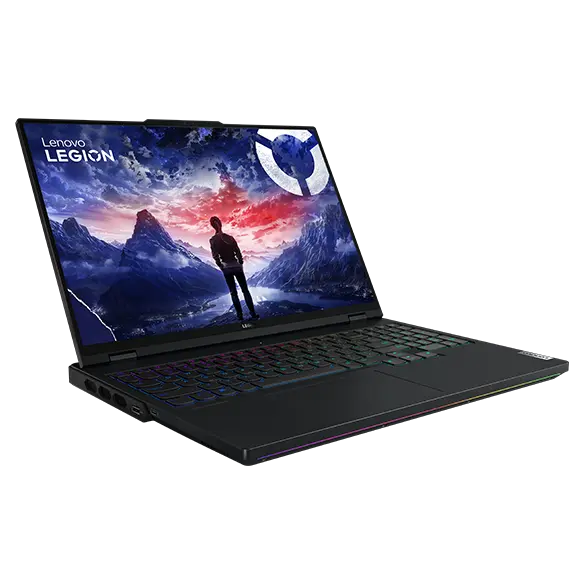
The Lenovo Legion Pro 7i (Gen 9) represents the zenith of the previous generation of gaming laptops, offering a superb balance of powerful performance and relative affordability. Equipped with an Intel Core i9-14900HX processor and an Nvidia GeForce RTX 4080 GPU with 12GB of VRAM, it remains a highly capable machine even amidst the arrival of the RTX 50 series. Its vivid display, robust audio, and satisfying keyboard round out a truly excellent package.
Madeline Ricchiuto aptly describes it as "a gamer’s gaming laptop," emphasizing its dedication to the core gaming experience. Performance benchmarks reinforce its prowess; the Legion Pro 7i averaged 105 fps in Far Cry 6 (Ultra, 1080p) and 96 fps in Red Dead Redemption 2 (Medium, 1080p), consistently delivering smooth gameplay.
The 16-inch, 2560 x 1600, 240Hz display is a visual treat, registering 108.7% of the DCI-P3 color gamut and a bright 456 nits, ensuring vibrant and immersive visuals. The keyboard features widely spaced keys with a crisp, springy actuation, providing a comfortable and effective typing experience without requiring mechanical switches. The Harman Super Linear Speaker System, comprising two woofers and two tweeters, delivers big, immersive sound, reducing the immediate need for a headset. Despite its strengths, the Legion Pro 7i is a heavier laptop, weighing 5.76 pounds, and its battery life of 4 hours and 29 minutes is below the ideal for portable use. Nevertheless, for those seeking top-tier RTX 40-series performance, the Legion Pro 7i remains an outstanding choice.
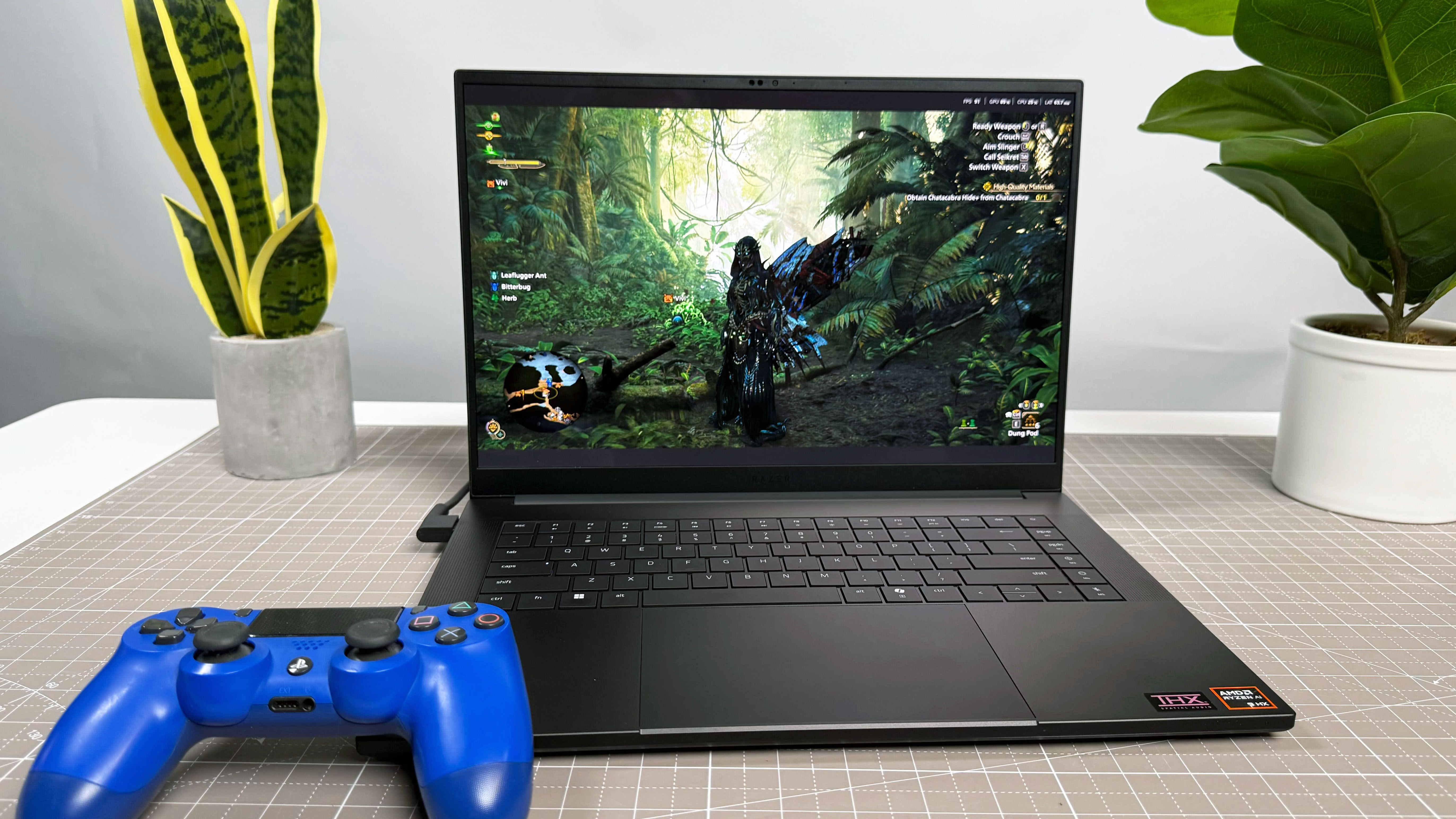
Razer Blade 16 (2025): Power in a Portable Form Factor
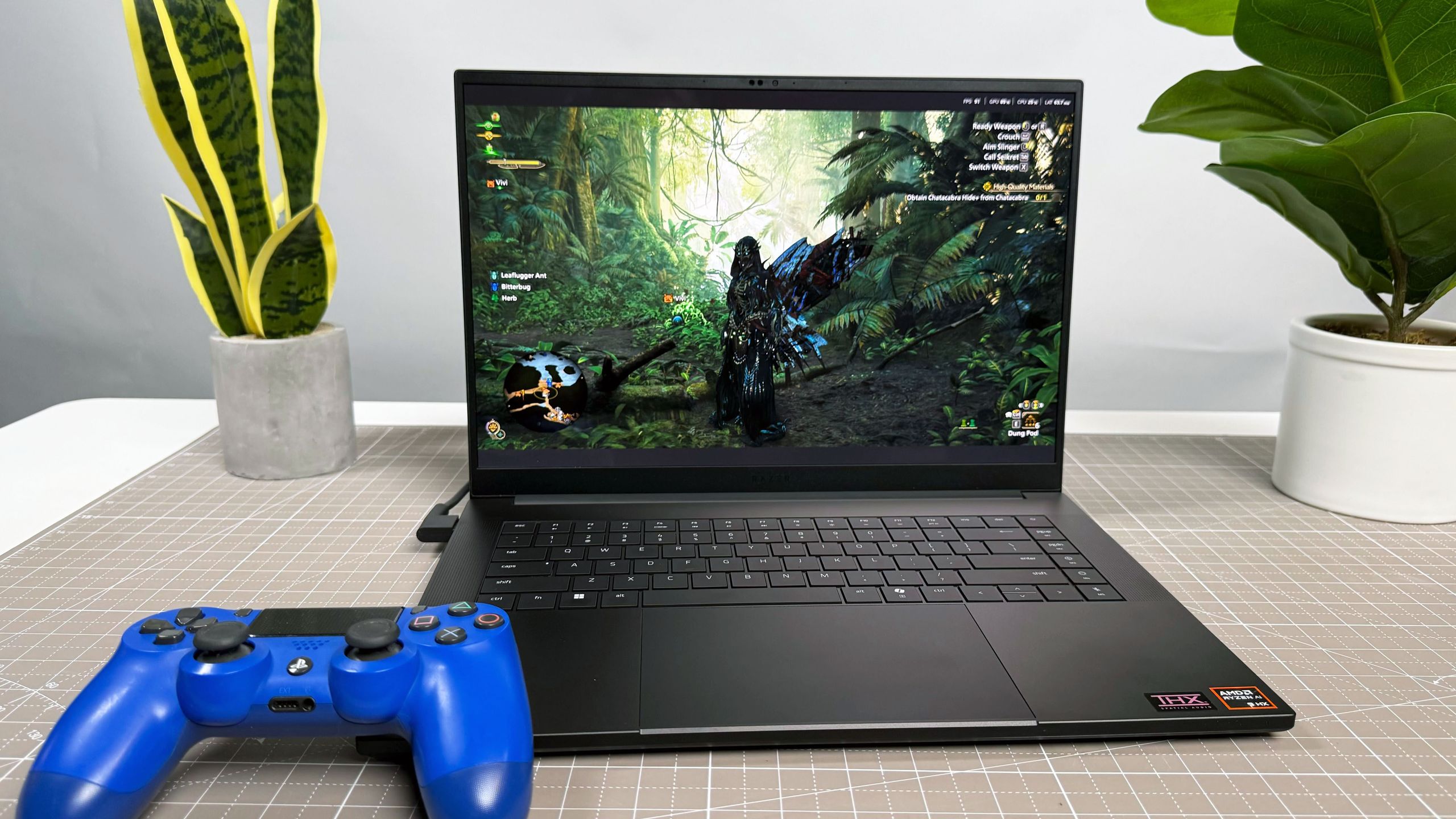
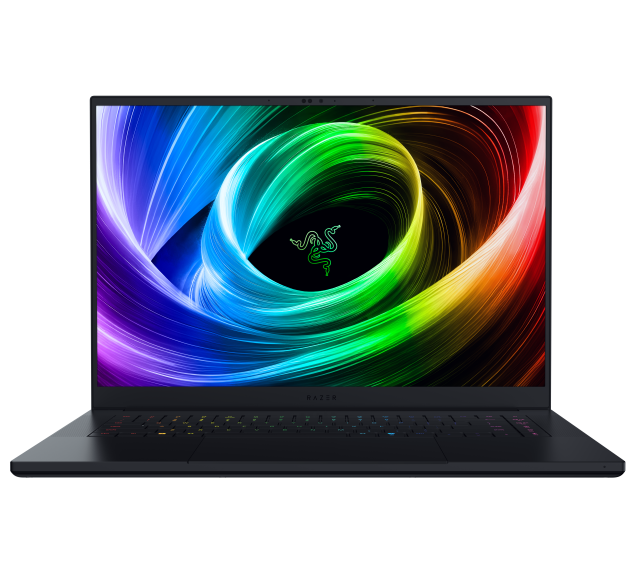
Razer continues its tradition of crafting premium, thin-and-light gaming machines with the Razer Blade 16 (2025), which now leads the charge with Nvidia’s cutting-edge RTX 50-series GPUs. Positioned at a premium price point, this laptop delivers an absolute powerhouse experience in a surprisingly sleek chassis, making it the ideal choice for gamers who prioritize both performance and portability. Featuring an AMD Ryzen AI 9 HX 370 CPU and an Nvidia RTX 5090 with a massive 24GB of VRAM, the Blade 16 is designed for uncompromising performance.
Madeline Ricchiuto’s review highlights its comprehensive strengths: "The Blade 16 is a fantastic laptop, offering a gorgeous OLED display, impactful audio, over 7 hours of web surfing battery life, a bouncy keyboard, and plenty of ports while weighing just 4.6 pounds." The RTX 5090 GPU enables exceptional frame rates, evidenced by 87 fps in Red Dead Redemption II (Ultra, 1080p), significantly surpassing its RTX 4090 predecessor (61 fps) and other competitors. Its AMD Ryzen AI 9 HX 370 CPU and 32GB of RAM ensure strong overall performance, and the 2TB SSD achieves a blistering 1,730 MBps file transfer rate.
Remarkably, the Razer Blade 16 achieves an impressive battery life of 7 hours and 22 minutes during web surfing, and 2 hours and 28 minutes in PCMark 10 gaming tests – an unprecedented feat for a laptop with a max-tier GPU, greatly enhancing its portability. The 16-inch, 2560 x 1600 OLED display, with a 240Hz refresh rate, offers stunning visuals, covering 144.6% of the DCI-P3 color gamut and reaching 372 nits of brightness. This OLED panel delivers incredible immersion with deep blacks and vibrant colors. The main drawbacks are its high price and the fact that it can run quite hot under heavy load, a common trade-off for such powerful components in a thin chassis.
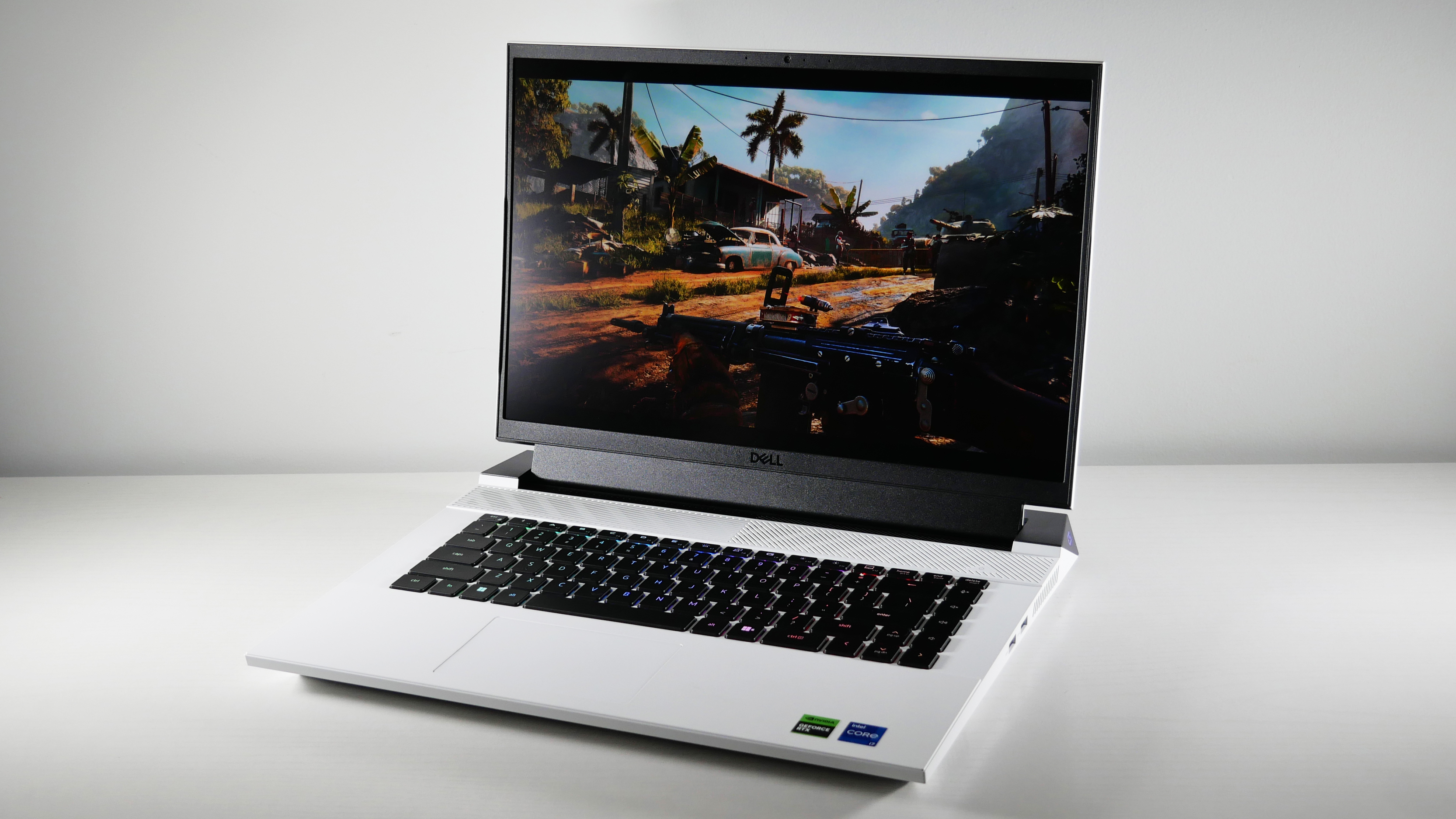
Alienware 16 Area-51: The Apex of Gaming Style
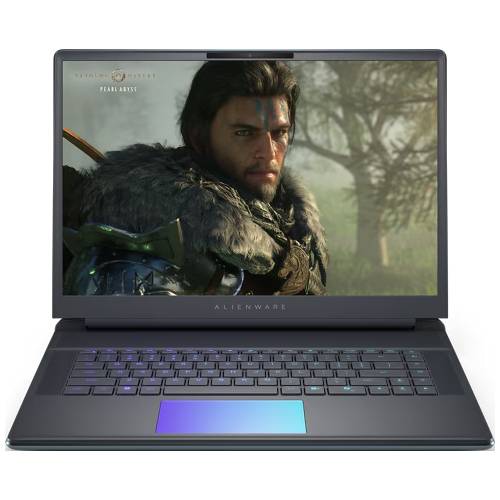
Alienware has consistently pushed the boundaries of gaming laptop design, and the Alienware 16 Area-51 elevates this reputation to a new level, setting a new standard for aesthetic appeal. This model also incorporates the latest RTX 50-series GPU, offering potent performance at a more accessible price point than some of its direct competitors, often available for around $3,000.
Rami Tabari enthusiastically remarks, "This thing looks like it’s about to blast the thrusters and head to outer space," perfectly capturing its futuristic, sci-fi aesthetic. The design is accentuated by a mesmerizing light bar on the hinge, evoking an aurora borealis, alongside RGB lighting on the touchpad and fans. A transparent glass window on the underside offers a glimpse into its internal architecture, adding to its allure. However, its substantial 7.13-pound chassis, while contributing to its robust feel, impacts portability.
Performance-wise, the Area-51, equipped with an Intel Core Ultra 9 275HX processor and an Nvidia GeForce RTX 5080 16GB GPU, demonstrates exceptional power. It achieved 149 fps in Assassin’s Creed Mirage, outperforming even some RTX 5090 models like the HP Omen Max (137 fps) and Razer Blade 16 (120 fps). In Far Cry 6, it scored 121 fps, again leading its class. The laptop also excelled in general performance, being the only one in its comparison group to break the 20,000 mark in Geekbench 6. Its 1TB SSD provided over 1 GBps transfer speeds, though not as fast as the Razer Blade.
The 16-inch, 2560 x 1600, 240Hz LED display is exceptionally bright at 516 nits, ensuring clear visuals in various lighting conditions. However, its color reproduction, at 81.6% of the DCI-P3 gamut, is not as vibrant as an OLED panel, a potential consideration for users prioritizing color accuracy. Battery life is a moderate 4 hours and 10 minutes in general use, and approximately 1 hour and 50 minutes during gaming, which is typical for a high-performance desktop replacement.
Asus TUF Gaming A14: Unprecedented Battery Life
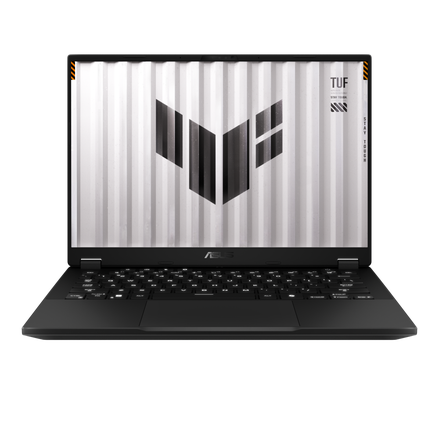
The Asus TUF Gaming A14 defies the conventional wisdom that gaming laptops must have short battery lives. This 14-inch machine, powered by an AMD Ryzen 7 8845HS CPU and an Nvidia GeForce RTX 4060 GPU, achieved an astounding 10 hours and 4 minutes on Laptop Mag‘s battery test, an industry-leading figure that dramatically enhances its versatility.

Claire Tabari describes it as "a sturdy, lightweight miracle designed to withstand accidental drops and extreme conditions," highlighting its robust build and exceptional portability. Despite its focus on endurance, the TUF Gaming A14 delivers solid gaming performance. It comfortably runs most AAA titles at or above 60 fps, including Assassin’s Creed Mirage (87 fps), Far Cry 6 (77 fps), and Red Dead Redemption 2 (61 fps). Even Cyberpunk 2077 managed a playable 30 fps.
The 14-inch, 2560 x 1600, IPS, 165Hz display is another pleasant surprise, covering 82% of the DCI-P3 color gamut and averaging 411 nits of brightness. This combination ensures an immersive visual experience that belies its affordable price point and impressive battery life. Weighing only 3.2 pounds and measuring a compact 12.24 x 8.94 x 0.67~0.78 inches, the TUF A14 is exceptionally portable, making it an ideal choice for students, professionals, or anyone needing a gaming laptop on the go. The main drawback is a sluggish touchpad, which offers too much resistance, making an external gaming mouse highly recommended for optimal use. Its unparalleled battery life makes it an excellent candidate for coding, programming, or professional work where sustained unplugged operation is crucial.
Key Considerations When Purchasing a Gaming Laptop
Navigating the diverse market of gaming laptops requires careful consideration of several factors. Understanding these elements will help potential buyers make an informed decision tailored to their specific needs and budget.
Budget Allocation: The cost of gaming laptops has seen an upward trend. While finding quality options under $1,000 is challenging, aiming for at least $1,300 provides access to capable machines. Mainstream gaming laptops typically range from $1,500 to $2,000, offering a significant jump in performance. Premium systems, exceeding $2,000, come equipped with top-tier specifications and advanced features. It is crucial to align the budget with the types of games intended to be played and the desired graphical settings, as higher-tier GPUs significantly impact price.
Screen Size and Form Factor: The market has largely shifted away from 13-inch and 17-inch laptops, with 14-inch and 16-inch models now dominating due to their balanced blend of screen real estate and portability. The emergence of 18-inch models caters to those seeking a true desktop replacement experience, albeit at the cost of mobility. For users prioritizing portability and longer battery life for school or work, 14-inch laptops are an excellent fit. Sixteen-inch models offer a larger display without becoming unwieldy, while 18-inch beasts are best suited for static setups where maximum power is the priority.
Display Resolution: The choice of display resolution involves a trade-off between frame rates, visual detail, and battery life. While 1080p (Full HD) remains the baseline, often paired with high refresh rates for competitive gaming, 4K displays offer superior detail for immersive single-player experiences, typically at 120Hz. The increasingly popular 1440p (QHD) resolution strikes an optimal balance, providing sharp visuals and high refresh rates without the extreme performance demands or battery drain of 4K.
Refresh Rate: For competitive gamers, a high refresh rate is paramount for enhanced accuracy and smoother visuals. While 60Hz is now considered insufficient for dedicated gaming laptops, a minimum of 120Hz is recommended. Panels with 240Hz, 360Hz, or even higher refresh rates are becoming more common, offering a tangible advantage in fast-paced games. It is essential to ensure that the chosen GPU can consistently drive games at high frame rates to fully leverage a high refresh rate display.
Processor Choice (Intel vs. AMD): Both Intel and AMD offer highly competitive CPUs for gaming laptops. AMD’s Ryzen processors, particularly the 8000 series, are lauded for their excellent balance of multi-core performance and power efficiency, contributing to longer battery life. Intel’s latest Lunar Lake and Arrow Lake chips are rapidly closing the gap, delivering robust performance and improved efficiency. The choice often comes down to specific model availability and pricing, as both manufacturers provide top-tier options capable of handling modern games and demanding applications.
Battery Life Expectations: Historically a weak point, gaming laptop battery life has significantly improved. While intense gaming still necessitates being plugged in, many modern models now offer 5.5 hours or more for general use, with some reaching double-digit figures. For users who intend to use their gaming laptop for productivity or school on the go, prioritizing models with extended battery life is crucial.
Minimum Specifications: To ensure a satisfactory gaming experience, certain minimum specifications are advisable. This includes at least an Intel Core i5 or AMD Ryzen 5 CPU, 16GB of RAM, a 512GB SSD, and a 1080p display. For more demanding games or higher graphical settings, upgrading to a Core i7/Ryzen 7, 32GB RAM, and a 1TB SSD is recommended. The GPU, however, remains the most critical component for gaming performance, with an RTX 4060 or equivalent being a strong starting point for AAA titles.
Frequently Asked Questions
Do I really need an RTX 4070 / RTX 4080 / RTX 4090?
The necessity of a high-end RTX 40-series GPU (or the newer 50-series) depends entirely on your gaming preferences and resolution targets. For casual gamers or those content with playing AAA titles at lower settings on a 1080p display, an RTX 4060 is often sufficient. This GPU can still achieve 60+ fps in many AAA games at Ultra settings, 1080p. However, as gaming laptops increasingly feature higher resolution displays (1440p or 4K), an RTX 4070 becomes a more suitable choice for reliable frame rates. For uncompromised 4K gaming at Ultra settings and high frame rates, an RTX 4080 or RTX 4090 (or their 50-series counterparts) is essential.
Should I get an RTX 50-series gaming laptop instead of a 40-series?
The decision to opt for an RTX 50-series laptop hinges on a balance of cutting-edge technology and budget. RTX 50-series GPUs, with advancements like DLSS 4, offer superior performance, efficiency, and future-proofing. If you desire the absolute latest in graphics technology and the best possible performance, particularly for demanding new titles, then a 50-series laptop is the ideal choice. However, the introduction of the 50-series will likely lead to price reductions for excellent RTX 40-series laptops. If saving money while still acquiring a highly capable gaming rig is a priority, then keeping an eye on deals for 40-series models is a smart strategy.
Gaming laptop vs. desktop: Which is better?
The choice between a gaming laptop and a gaming desktop depends on individual circumstances and priorities. Gaming desktops generally offer better performance for the price, easier upgradability, and superior cooling, leading to potentially longer component lifespans. They are ideal for users with a dedicated gaming space who prioritize raw power and future-proofing. Gaming laptops, conversely, excel in portability, offering an all-in-one solution that can be used anywhere. While typically more expensive for equivalent performance and less upgradable, modern gaming laptops have significantly closed the performance gap and offer impressive capabilities in a compact form. The best choice is dictated by whether portability or maximum power and upgradability are the primary concern.
Can I use a gaming laptop for school or work?
Absolutely. Many gaming laptops are perfectly suitable for school or work, often outperforming standard productivity laptops in processing power. The Asus TUF Gaming A14, with its exceptional 10+ hour battery life and relatively lightweight design (3.2 pounds), is an excellent example of a gaming laptop that excels in a student or professional environment. For work settings, especially those requiring a minimalist aesthetic, removing gaming-specific stickers and disabling RGB lighting can make a gaming laptop blend in seamlessly. While powerful, users in highly professional client-facing roles might still consider a dedicated business laptop for its often more understated design and specialized security features.
Our Rigorous Testing Methodology
At Laptop Mag, our commitment to providing accurate and comprehensive reviews is unwavering. Every laptop that enters our lab undergoes a meticulous evaluation process designed to mirror real-world usage. Beyond industry-standard benchmarks such as Geekbench and 3DMark, we heavily rely on our proprietary in-house tests that simulate everyday tasks and extreme demands.
Our endurance testing involves the Laptop Mag Battery test, which continuously surfs the web at 150 nits of brightness until the battery depletes. To assess pure processing power, we utilize a custom spreadsheet macro matching 65,000 names with addresses, alongside a video transcoder that converts 4K video to 1080p, and the Geekbench 5/6 synthetic tests.
For graphical performance, we elevate our 3DMark testing to include Fire Strike Ultra and Time Spy Extreme, which specifically gauge a laptop’s handling of DX11 and DX12 4K graphics workloads. Laptops equipped with DirectX ray-tracing capabilities are subjected to the 2560 x 1440 Port Royal test. For the most high-end systems, we also run Speed Way, which pushes the limits of DX12 Ultimate features. All gaming benchmarks are conducted in full-screen mode with vertical sync disabled, at both 1920 x 1080 (1080p) and the laptop’s native resolution. Our extensive suite of games includes Red Dead Redemption 2, Assassin’s Creed Mirage, Shadow of the Tomb Raider, Borderlands 3, Far Cry 6, and more, ensuring a diverse representation of modern gaming demands. It is important to note that even small differences in frame rates can indicate significant underlying performance variations between seemingly similar GPU configurations.
Beyond synthetic and gaming benchmarks, we employ specialized instruments to measure screen brightness, color gamut (using a colorimeter), keyboard key travel, and ambient heat distribution. Following this rigorous lab testing, each laptop is then entrusted to our expert reviewers for extensive hands-on evaluation. Reviewers integrate the laptop into their daily workflow for several days, gaining a thorough understanding of its real-world performance, software experience, and overall usability. This blended approach, combining objective lab data with subjective expert experience, allows Laptop Mag to deliver transparent, comprehensive, and trustworthy reviews for every laptop we assess. With over two decades of experience and reviewing more than 150 models annually, Laptop Mag consistently provides authoritative comparisons against direct competitors and the broader market.