Apple Announces Apple Watch Series 12 and Watch Ultra 4 Featuring the S11 Chip, Enhanced Health Sensors, and Expanded Battery Life

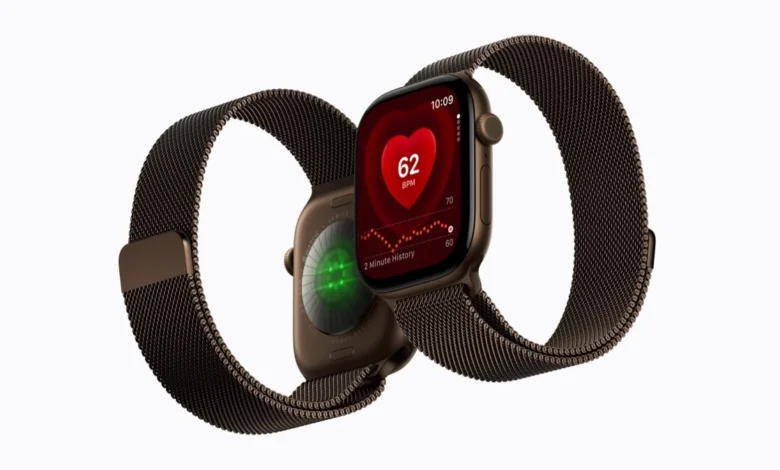
Apple Inc. has officially introduced its latest generation of wearable technology, expanding its market-leading ecosystem with the launch of the Apple Watch Series 12 and the rugged Apple Watch Ultra 4. Unveiled during the company’s annual autumn hardware presentation, the new devices introduce a suite of advanced internal components, including the custom-engineered S11 processor, significantly upgraded optical and electrical heart rate sensors, and a redesigned Health Sensing System.
The hardware refresh arrives as the global smartwatch market faces increasing competition from specialized fitness brands and multi-sport wearable manufacturers. By focusing heavily on granular biometric tracking, sustainable manufacturing processes, and extended power efficiency, Apple aims to reinforce its dominance in both consumer lifestyle tracking and high-performance athletic analytics. Both models are available for pre-order immediately, with official retail availability scheduled for September 18. The Apple Watch Series 12 starts at $399 (€449), while the premium Apple Watch Ultra 4 starts at $799 (€899).
Evolution of the Silicon: The S11 Chip and Core Performance Architecture
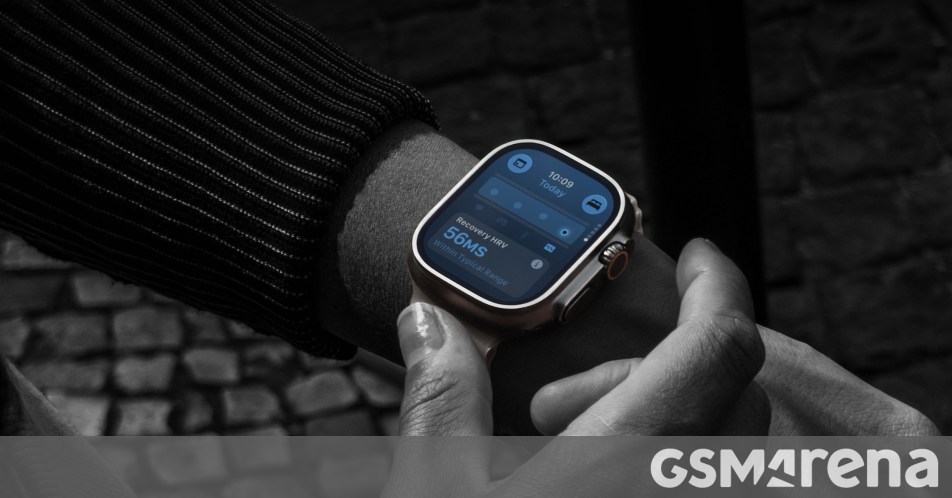
At the heart of both the Apple Watch Series 12 and the Apple Watch Ultra 4 is the new S11 silicon architecture. While previous iterations of Apple’s wearable chips have focused primarily on energy efficiency and smooth user interface navigation, the S11 has been optimized specifically to handle heavy, real-time machine learning computations required for continuous biometric monitoring.
Industry analysts note that as smartwatches transition from passive notification screens to active medical and fitness diagnostic tools, local processing power becomes paramount. The S11 chip allows both devices to process complex cardiovascular, sleep, and recovery metrics directly on the device, ensuring user data privacy while maintaining fluid responsiveness. This computational leap is what enables the new hardware to sample and analyze physiological data at frequencies previously reserved for clinical-grade hardware.
Clinical-Grade Biometrics and High-Frequency Monitoring
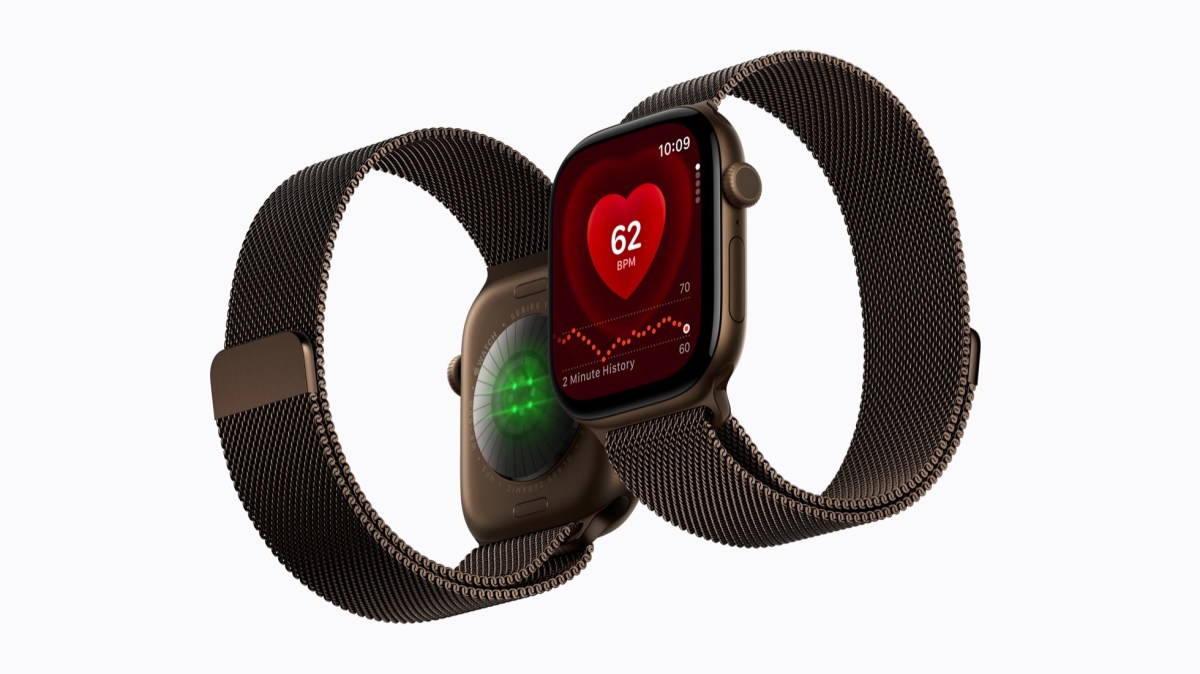
Apple has made bold claims regarding the measurement accuracy of its latest hardware. According to the company, the Series 12 and Ultra 4 feature the most accurate heart rate sensing capabilities available in a consumer wearable device today. To substantiate these claims, Apple conducted extensive internal validation studies involving more than 1,000 participants, benchmarking the performance of the new sensors against established industry-leading clinical competitors across various dynamic activities.
The technical specifications supporting this claim are robust. Both the Series 12 and the Ultra 4 are engineered to measure a user’s heart rate continuously every 5 seconds. Furthermore, heart rate variability (HRV)—a critical metric used to assess autonomic nervous system balance and recovery—is now sampled at a rate 24 times more frequently than on preceding hardware generations.
This dramatic increase in data point collection feeds directly into the newly introduced "Readiness Score." Ranging from a scale of 0 to 10, the Readiness Score synthesizes high-frequency cardiovascular data, recent training loads, and sleep architecture to provide users with an actionable daily gauge of their physical preparedness for strenuous exercise or rest.
Introducing Health Age and the New Longevity Tab
Accompanying the physical hardware improvements is a comprehensive software update within the redesigned Health application, headlined by a new Longevity tab and the introduction of a metric known as "Health Age."
Health Age is designed to translate complex physiological biomarkers into a digestible comparative age. By cross-referencing metrics such as VO2 max (maximal oxygen consumption), resting heart rate, heart rate variability, and comprehensive sleep stage data, the system calculates whether an individual’s physiological capacity trends younger or older than their chronological age.
In a consumer-friendly move, Apple has confirmed that Health Age will not remain exclusive to the newly announced Series 12 and Ultra 4. The feature is scheduled to roll out to compatible older Apple Watch models via a software update later in the year, with an initial rollout prioritized for users in the United States. Healthcare analysts suggest that introducing longevity-focused metrics represents a strategic shift toward preventative health and long-term wellness tracking, aligning with broader trends in digital health therapeutics.
Battery Longevity and Power Efficiency Improvements
Battery life has historically been a primary constraint for advanced smartwatches equipped with bright displays and power-hungry cellular radios. With the Apple Watch Ultra 4, the engineering team has focused heavily on extending operational endurance.
The Apple Watch Ultra 4 delivers up to 50 hours of normal, everyday use on a single charge—representing an 8-hour, or 19%, improvement over its predecessor, the Ultra 3. For expeditions, ultra-endurance events, or situations where recharging is impractical, the Ultra 4 extends this capability up to 84 hours when operating in Low Power Mode, marking a 12-hour increase over the previous generation.
Meanwhile, the Apple Watch Series 12 maintains its baseline rating of up to 24 hours of normal use and 38 hours in Low Power Mode, aligning with the performance of the Series 11. However, outdoor workout battery life on the Series 12 has seen a notable 25% performance bump, now rated at up to 10 hours of continuous GPS and biometric tracking.
Material Innovation, Sustainable Manufacturing, and Case Finishes
Apple continues to emphasize environmental sustainability and premium material science across its wearable portfolio. Both the aluminum and titanium variants of the new watches are manufactured using 100% recycled metals.
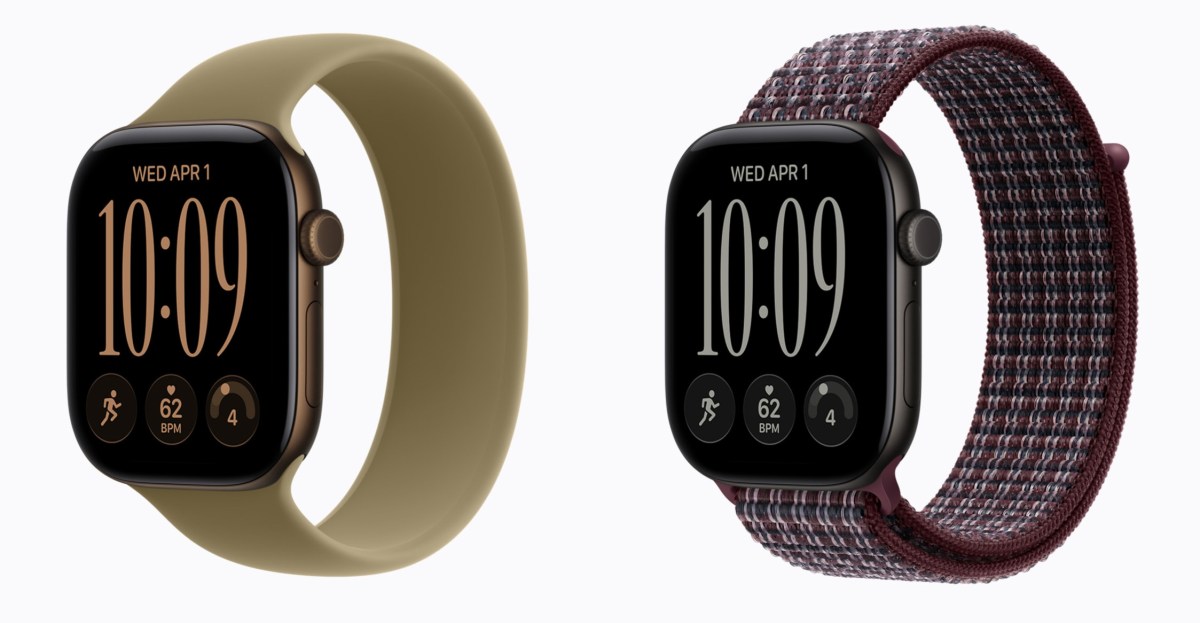
The Apple Watch Series 12 is offered in two case sizes—42mm and 46mm—across three distinct material categories and eight unique finishes:
- Aluminum Models: Available in Dark Bronze, Black, Light Gold (all of which are newly introduced finishes), and Space Grey. The aluminum variants are protected by Ceramic Shield 2 glass, which Apple claims is 60% tougher than traditional Ion-X glass.
- Titanium Models: Featuring a 3D-printed chassis composed of 100% recycled titanium, available in Natural Titanium and the newly introduced Radiant Gold.
- Ceramic Models: Marking a notable return of ceramic to the mainstream lineup, the Series 12 will be offered in Pearl White and Night Blue ceramic finishes.
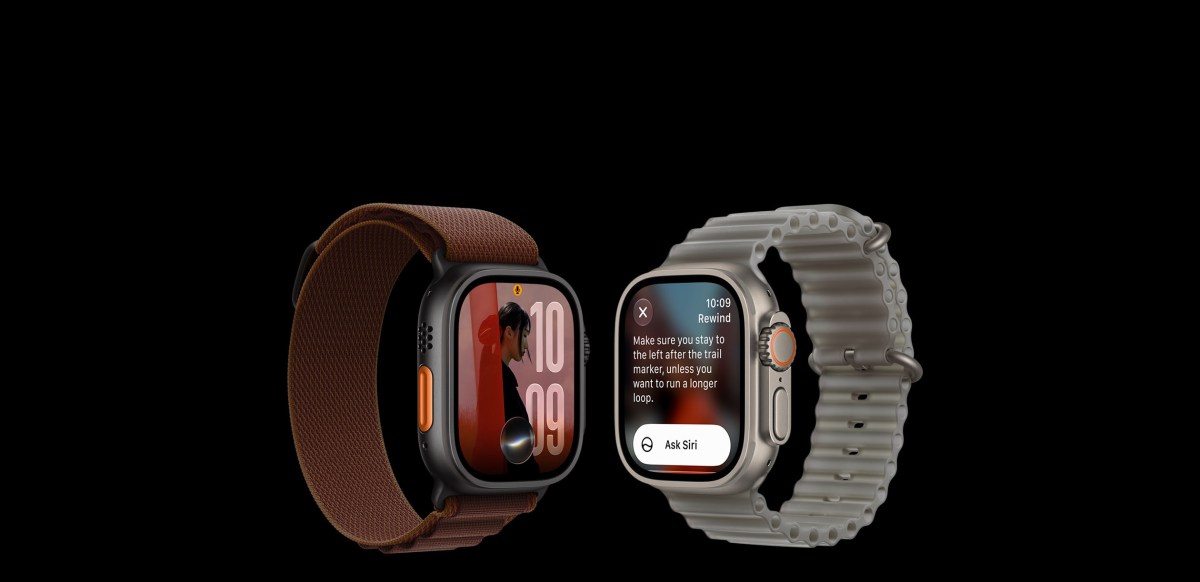
The rugged Apple Watch Ultra 4 is constructed from aerospace-grade Grade 5 titanium and is available in two distinct aesthetic choices: Natural Titanium and Black Titanium.
Redesigned Accessory Ecosystem: Bands and Loops
To complement the updated chassis options, Apple has refreshed its band lineup with new colorways and material treatments across its most popular strap families:
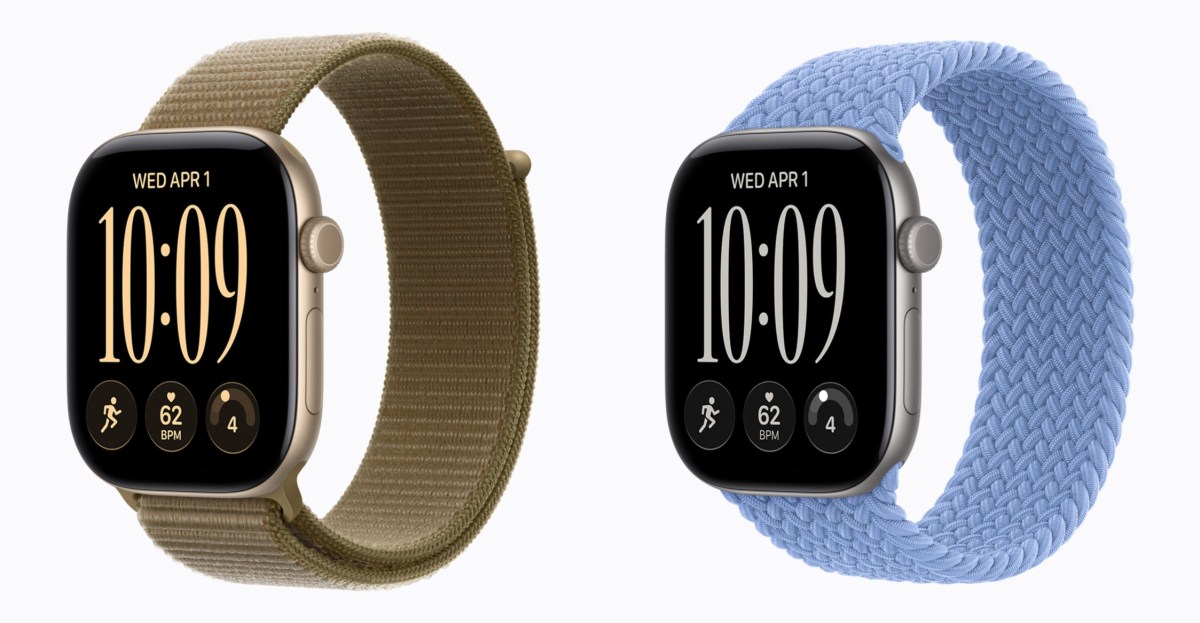
- Trail Loop: Now available in Dark Umber, Sand, and Burgundy.
- Alpine Loop: Offered in Desert, Dark Olive, and Burgundy.
- Ocean Band: Redesigned with a contemporary translucent finish, available in Translucent Gray, Translucent Kelp, and Translucent Black.
Market Implications and Competitive Landscape
The simultaneous launch of the Apple Watch Series 12 and the Ultra 4 arrives at a pivotal juncture for the wearable technology sector. Competitors ranging from specialized sports watch manufacturers to major consumer electronics conglomerates have steadily closed the gap in fitness tracking and battery performance.
By integrating ultra-frequent biometric sampling, introducing clinical-grade validation studies involving over 1,000 subjects, and deploying preventive longevity tools like Health Age, Apple is attempting to solidify its position as both a lifestyle accessory and a serious health monitoring platform.
Market analysts observe that the inclusion of advanced health features in older devices via software updates, combined with competitive entry-level pricing starting at $399 for the Series 12 and $799 for the Ultra 4, demonstrates Apple’s intent to capture both first-time buyers and loyal upgraders. As pre-orders open globally, the performance of these devices in the consumer market will serve as an indicator of consumer appetite for deeper, software-driven health diagnostics in everyday wearables.