Apple has increased the out-of-warranty battery replacement price for the iPhone 18 Pro and iPhone 18 Pro Max to $129.

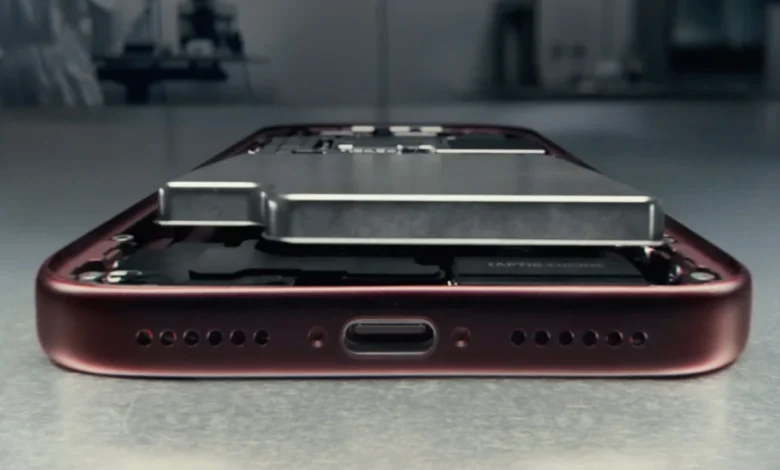
This recent adjustment, reflected on Apple’s official "Service and Repair for iPhone" support page, marks a $10 increase compared to the $119 fee associated with the preceding iPhone 16 and iPhone 17 Pro series. As consumers increasingly rely on their smartphones for longer periods, the cost of long-term maintenance has become a significant factor in the total cost of ownership. This shift in pricing strategy accompanies the release of the iPhone 18 lineup, which introduces substantial hardware changes, including higher-capacity battery cells that necessitate more complex repair procedures.
Chronology of Battery Service Pricing
Apple’s approach to battery service fees has undergone several transitions over the past decade. Historically, the company offered battery replacements at a standard rate for out-of-warranty devices, but these costs have steadily climbed alongside advancements in display technology, integrated circuitry, and internal design architectures.
Following the widely publicized "Batterygate" controversy in 2017, where Apple was found to be throttling the performance of older iPhones to manage degraded battery health, the company launched a highly publicized battery replacement program that lowered costs to $29 for a limited period. Since the conclusion of that program, Apple has gradually normalized its pricing structure to reflect the increased manufacturing costs and the complexity of modern internal layouts.
In the years leading up to the iPhone 18, the out-of-warranty replacement fee saw incremental adjustments. With the launch of the iPhone 14, 15, 16, and 17 series, the pricing plateaued at $119 for Pro models. The move to $129 with the iPhone 18 represents the first upward shift for the premium tier in several product cycles, signaling a potential shift in how the company prices post-purchase maintenance for its flagship hardware.
Supporting Data: Capacity and Design
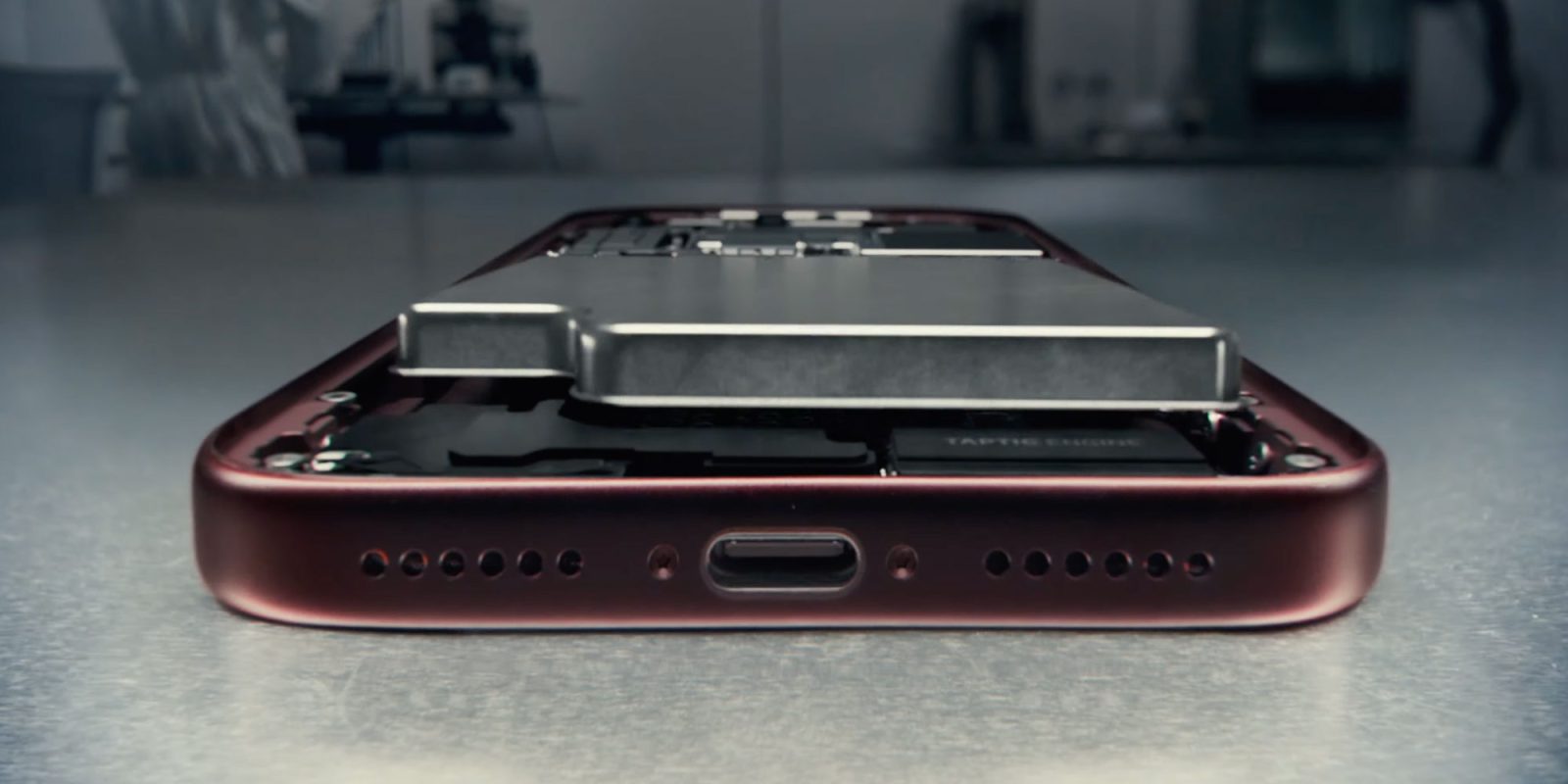
The pricing update is directly correlated with the physical specifications of the new internal power units. According to technical documentation released by Apple for the European Union market, the iPhone 18 Pro is equipped with a 4,056 mAh battery, while the iPhone 18 Pro Max features a 5,391 mAh cell.
For comparison, the iPhone 17 Pro utilized a 3,988 mAh battery, and the iPhone 17 Pro Max housed a 4,823 mAh unit. The jump in capacity—particularly the significant increase in the Pro Max model—suggests a higher density of lithium-ion material and potentially more intricate adhesive and mounting configurations. As battery capacities increase to support more demanding processors and brighter, higher-refresh-rate displays, the logistics of handling, shipping, and installing these components safely have become more specialized.
The $129 fee is categorized under "out-of-warranty" service. Apple’s policy remains that it will perform a preliminary diagnostic test on any device brought in for service. If the battery is found to be defective due to a manufacturing issue and the device is still within its one-year limited warranty or covered by AppleCare+, the replacement is provided at no additional cost. The $129 charge is specifically reserved for devices that have aged beyond their warranty period or have suffered damage that renders the battery performance suboptimal.
Analysis of Implications for Consumers
The increase in service fees reflects a broader trend in the consumer electronics industry: the commodification of repairability versus the reality of manufacturing complexity. As smartphones become increasingly sealed to maintain water and dust resistance (IP68 ratings), the process of replacing a battery is no longer a simple "pop-out" procedure. It requires specialized heating equipment to soften internal adhesives, precision tools to navigate sensitive internal components, and professional calibration to ensure the battery management system (BMS) recognizes the new component.
For the average consumer, this $10 increase may seem marginal in the context of a premium device that retails for over $1,000. However, it represents an inflationary trend in post-sales support. Critics of such pricing point out that as Apple pushes for environmental sustainability through its "Apple Trade In" and "Self Service Repair" programs, higher service costs could inadvertently encourage users to upgrade to new handsets rather than refurbishing their current ones, potentially conflicting with the company’s stated environmental goals.

Conversely, supporters of Apple’s current model argue that the professional installation provided at an Apple Store or an Apple Authorized Service Provider (AASP) includes the peace of mind that the device’s integrity will remain intact. When a battery is replaced, the water-resistant seals must be reapplied; if not handled correctly, the device may lose its protection against the elements. The service fee, therefore, is not merely for the battery cell itself, but for the labor and the restoration of the device’s original specifications.
The Role of AppleCare+
Apple continues to incentivize the purchase of AppleCare+ as a buffer against these rising costs. Devices covered by an active AppleCare+ plan are eligible for battery replacements at no cost if the battery health drops below 80% of its original capacity. Given that the standard out-of-warranty fee has reached $129, the long-term value proposition of AppleCare+ is effectively strengthened.
Consumers who anticipate keeping their iPhone 18 Pro for three years or longer are now statistically more likely to benefit from the upfront cost of an AppleCare+ subscription. By offloading the risk of battery degradation to the insurance plan, the user avoids the $129 out-of-pocket expense, which could potentially occur multiple times over the device’s lifespan.
Industry Context and Sustainability
The tech industry is currently navigating a regulatory environment that increasingly favors the "Right to Repair." Legislative bodies in the United States, the European Union, and other jurisdictions are pushing for more transparency regarding parts, tools, and manuals. Apple has responded by expanding its Self Service Repair program, which allows users to purchase genuine parts and rent the necessary tools to perform their own repairs.
While the $129 fee applies to the service performed by Apple technicians, the existence of the Self Service Repair program provides an alternative. However, the complexity of the iPhone 18’s internal design suggests that for many users, the "Do It Yourself" route remains a daunting prospect. The specialized nature of the battery replacement—requiring specific tools to handle the high-density lithium-ion cells safely—means that the professional service fee will likely remain the standard for the vast majority of users.

Conclusion
The adjustment of the iPhone 18 Pro and Pro Max battery service fee to $129 serves as a reminder of the evolving costs of maintaining high-performance mobile technology. As hardware becomes more advanced, the physical components that power these devices require more specialized handling. While a $10 increase is relatively modest, it serves as a barometer for the rising costs of repair in an era of sophisticated, tightly integrated hardware.
Apple users looking to determine their specific service options are encouraged to utilize the company’s online repair portal, where they can input their device serial number to receive a personalized estimate based on their specific region and warranty status. As the iPhone 18 Pro enters the market, the repair ecosystem will continue to adapt to these changes, balancing the needs of high-end performance with the realities of long-term maintenance and hardware durability.