Apple iPhone 18 Series Launch Analysis Highlights Market Uncertainty and Potential for the New iPhone Duo Form Factor


The global technology market is currently scrutinizing the release of Apple’s latest smartphone lineup, as the introduction of the iPhone 18 series—and specifically the novel iPhone Duo—triggers a reassessment of the company’s growth trajectory. In a recent investor note issued by GF Securities, analyst Jeff Pu provided a comprehensive evaluation of the launch, noting that while the pricing strategy for the flagship Pro models was more favorable than market consensus, there remains significant skepticism regarding the overall health of the product cycle. As Apple navigates a period of hardware refinement rather than radical internal upgrades, the iPhone Duo has emerged as the critical variable in determining the company’s success for the remainder of the 2026 calendar year.
Pricing Strategies and Market Expectations
Heading into the September 2026 launch, market analysts had largely priced in a aggressive valuation strategy from Apple. Expectations for the iPhone 18 Pro series suggested a premium price hike in the range of $200 to $250, reflecting rising component costs, specifically in advanced semiconductor lithography and memory modules. However, when the devices were officially unveiled, the $100 price increase came in well below these projections.
While this moderated pricing strategy is a boon for consumers, it has raised alarms among investors regarding Apple’s profit margins. Analysts at GF Securities, led by Jeff Pu, have expressed concern that the iPhone 18 series will face structural margin pressure. This apprehension is compounded by a perceived lack of transformative hardware upgrades in the standard Pro lineup. For shareholders, the challenge is clear: Apple must balance the need to maintain its high-margin profile with the necessity of keeping hardware accessible in a cooling global consumer electronics market.
The iPhone Duo: A Strategic Pivot
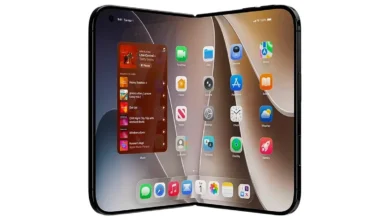
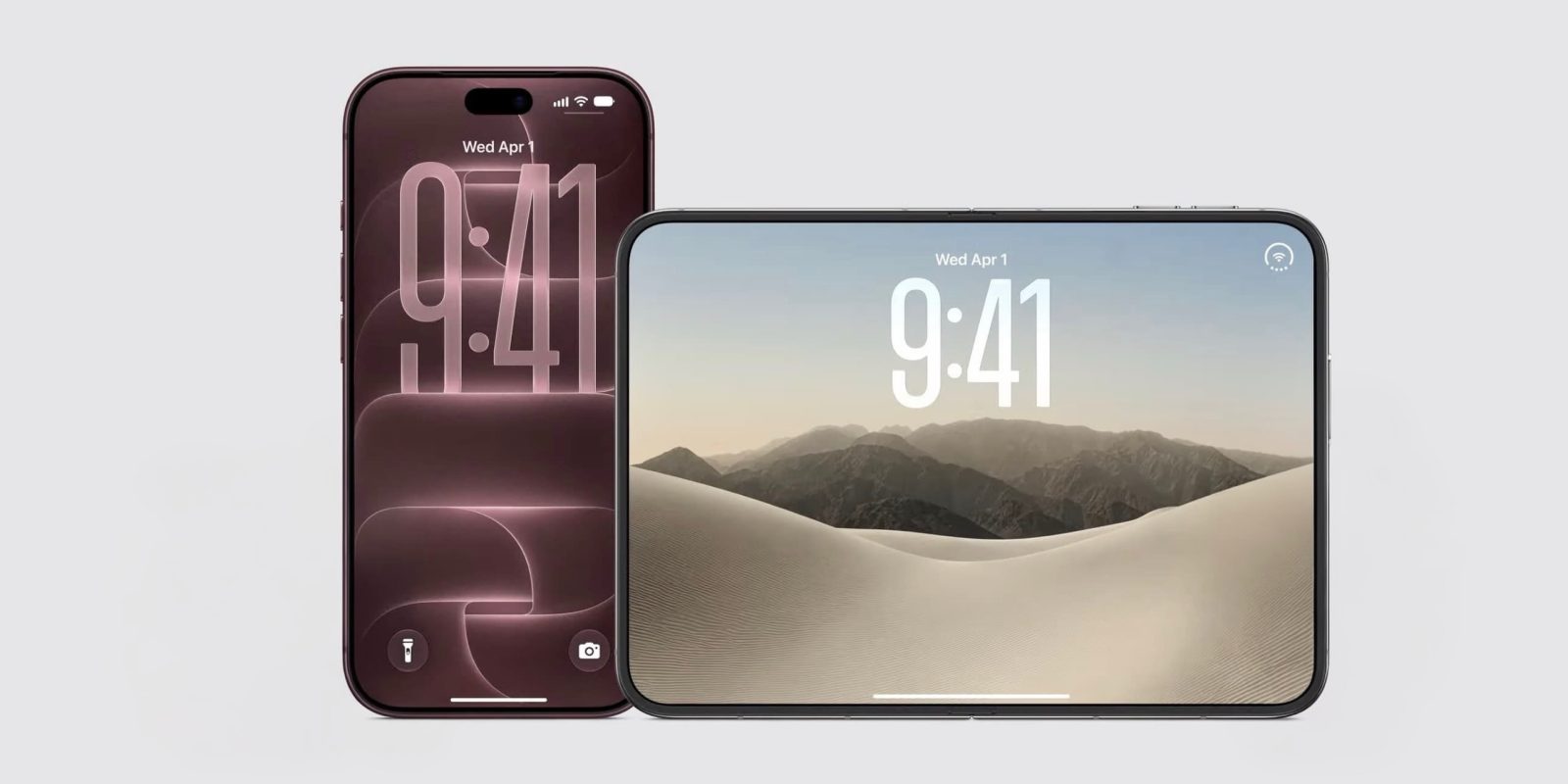
The focal point of the current cycle is undoubtedly the iPhone Duo. Representing Apple’s first significant departure from the standard slate form factor in years, the device is positioned as a differentiated large-screen experience. Priced at $1,999, the iPhone Duo entered the market at the lower end of the projected $2,000 to $2,500 estimate.
Early consumer engagement data suggests that the gamble on a new form factor may be paying off. Pu estimates that Apple is on track to ship approximately 7 million units of the iPhone Duo by the conclusion of the fourth quarter of 2026. This performance is expected to serve as the primary demand driver for the entire iPhone 18 family. The device is being viewed not merely as a high-end niche product, but as a catalyst for consumers who have been waiting for a hardware paradigm shift. Whether this demand will sustain into early 2027 remains the subject of ongoing scrutiny, with supply chain lead times and manufacturing capacity being the primary indicators to watch in the coming months.
Chronology of the 2026 iPhone Cycle
The road to the current launch has been characterized by intense speculation and significant supply chain adjustments. The timeline of the 2026 cycle underscores the complexity of Apple’s current operational strategy:
- Early Q1 2026: Initial reports regarding the development of a "foldable-adjacent" or "dual-screen" device began to circulate within industry supply chain circles.
- Q2 2026: Market analysts began adjusting their quarterly revenue projections, anticipating that the high cost of new, proprietary displays would necessitate a significant retail price hike.
- July 2026: Supplier concerns regarding component yield rates for the iPhone Duo emerged, leading to speculation about limited initial availability.
- September 2026: Apple officially unveiled the iPhone 18 series, confirming the $100 price increase for the Pro models and setting the $1,999 price point for the iPhone Duo.
- Late September 2026: Initial post-launch analysis suggests that while the Pro series is experiencing a muted reception, the iPhone Duo is seeing higher-than-expected early interest.
Data Projections and Supply Chain Forecasts
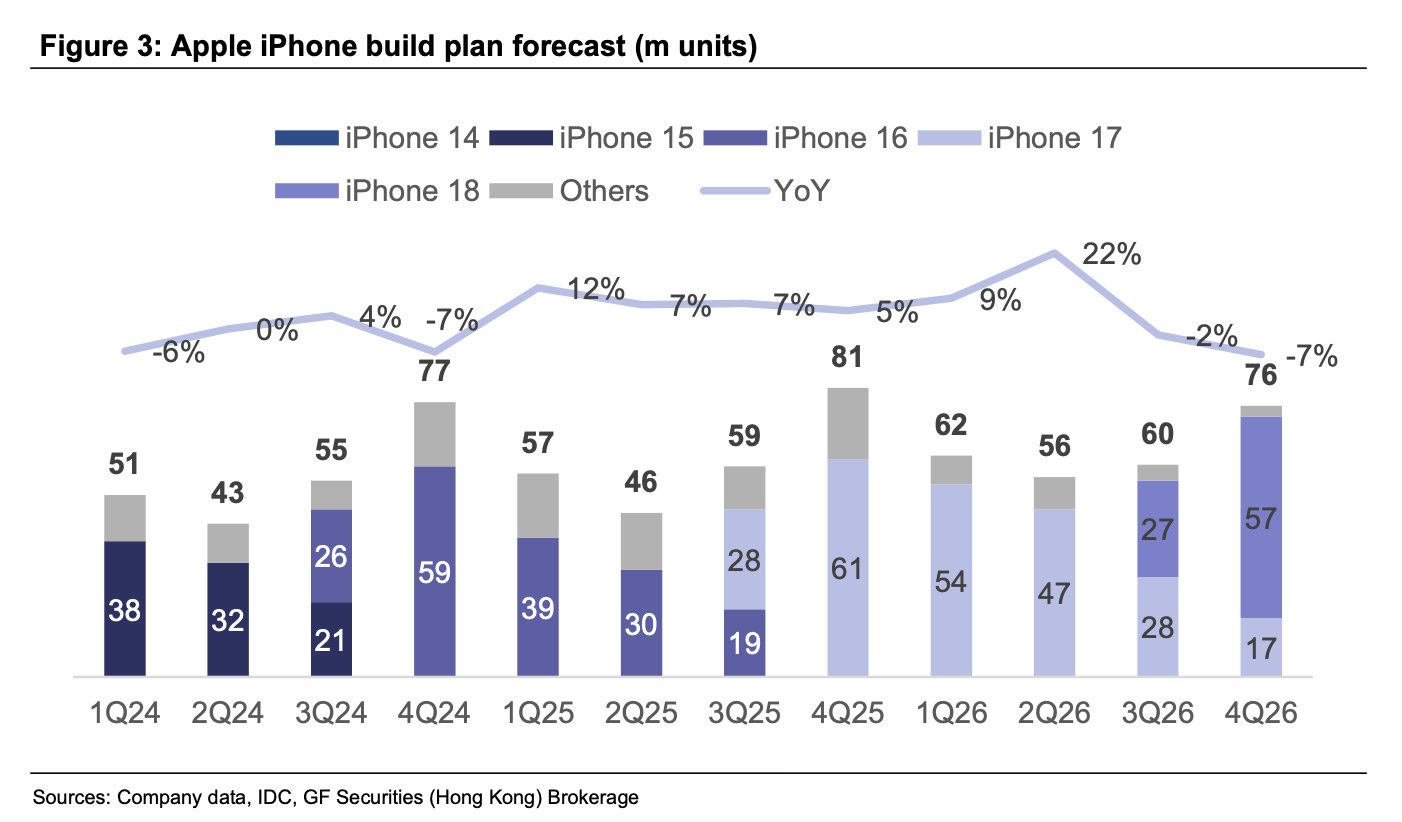
The financial implications of the current product cycle are reflected in the build forecasts for the final quarter of 2026. GF Securities has projected a total of 57 million units for the iPhone 18 series, contributing to a total quarterly iPhone production figure of 76 million units. Compared to the same period in 2025, this represents a 7% decline.
This contraction is not entirely unexpected in the broader context of the smartphone industry, which is currently experiencing a maturation phase characterized by longer replacement cycles. The data suggests that while the iPhone 18 series is not expected to reach the record-breaking volumes of previous years, it remains a critical anchor for Apple’s service-oriented ecosystem. The "Hold" recommendation from GF Securities, which implies a relative stock performance of between -10% and +10%, reflects this balanced view—acknowledging the strength of the iPhone Duo while remaining wary of the broader, potentially stagnant, smartphone market.

Broader Implications for the Smartphone Industry
The shift toward the iPhone Duo marks a significant inflection point for the mobile industry. For nearly a decade, the "slab" design has remained the standard, with improvements focused primarily on camera modules, processor efficiency, and display refresh rates. By introducing a new form factor, Apple is attempting to reinvigorate a stagnant market segment.
However, this transition is not without risk. The margin pressure mentioned by analysts is a direct result of the high research and development costs associated with new form factors. If Apple fails to scale the manufacturing of the iPhone Duo efficiently, the financial burden could weigh heavily on its quarterly earnings reports. Conversely, if the device succeeds, it could set a new standard for the next half-decade of mobile hardware development.
Furthermore, the impact of these developments on the supply chain is profound. Suppliers are currently being asked to pivot away from traditional assembly lines toward more complex, multi-component integration, which in itself is a massive capital undertaking. Monitoring "build revisions" and "supply-chain shifts" will be essential for observers to determine if the iPhone Duo is merely a novelty or a long-term strategic success.

Analyst Consensus and Future Outlook
The current sentiment among market analysts remains divided. On one side are the proponents of Apple’s long-term strategy, who argue that the company is effectively navigating a transition period, leveraging the iPhone Duo to sustain interest while it develops more advanced AI-integrated services. On the other side are those who, like Jeff Pu, see a "modest cycle" defined by limited hardware innovation and potential margin erosion.
The next critical phase for Apple will be the holiday shopping season. During this period, the company will have to prove that the iPhone Duo is capable of driving sustained volume beyond the initial wave of "early adopter" sales. If the device achieves high penetration among Apple’s existing user base, it may alleviate the concerns regarding the performance of the standard Pro models.
Ultimately, the iPhone 18 series represents a period of adaptation. While the hardware upgrades might seem incremental to the average user, the strategic inclusion of the iPhone Duo indicates that Apple is cognizant of the need to differentiate its product offerings in a crowded and highly competitive global market. Whether this approach proves sufficient to satisfy investor expectations remains to be seen, but for now, the focus remains firmly on the early data surrounding the iPhone Duo’s adoption rates and the company’s ability to maintain its profitability amidst the rising costs of innovation. As the fourth quarter of 2026 progresses, the tech industry will continue to monitor these developments as a bellwether for the future of mobile consumer electronics.