Apple WatchOS 27 Software Update Introduces Three Major New Applications: Siri, Find My, and Readiness

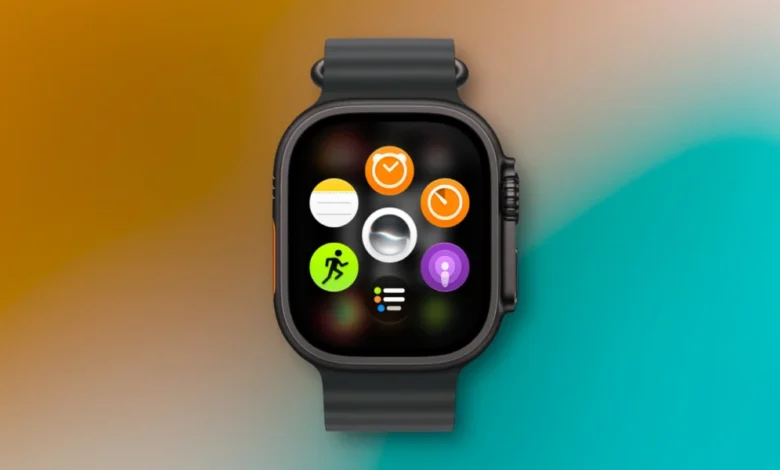
The rollout of Apple’s latest major operating system update for the wearable ecosystem, watchOS 27, marks a significant turning point in how users interact with their wrists. Alongside a broader suite of ecosystem-wide enhancements, the software introduces three standout applications designed to elevate productivity, tracking, and artificial intelligence integration: a redesigned Siri interface, a consolidated Find My application, and an exclusive health-tracking tool known as Readiness.
For a device originally conceived as a companion accessory for notifications and basic fitness tracking, watchOS 27 transforms the Apple Watch into a much more autonomous, context-aware hub. Industry analysts note that these additions reflect a deliberate hardware-software synergy, particularly for newer device tiers capable of handling advanced biometric processing and on-device machine learning models.

The Evolution of Conversational AI: The New Siri Application
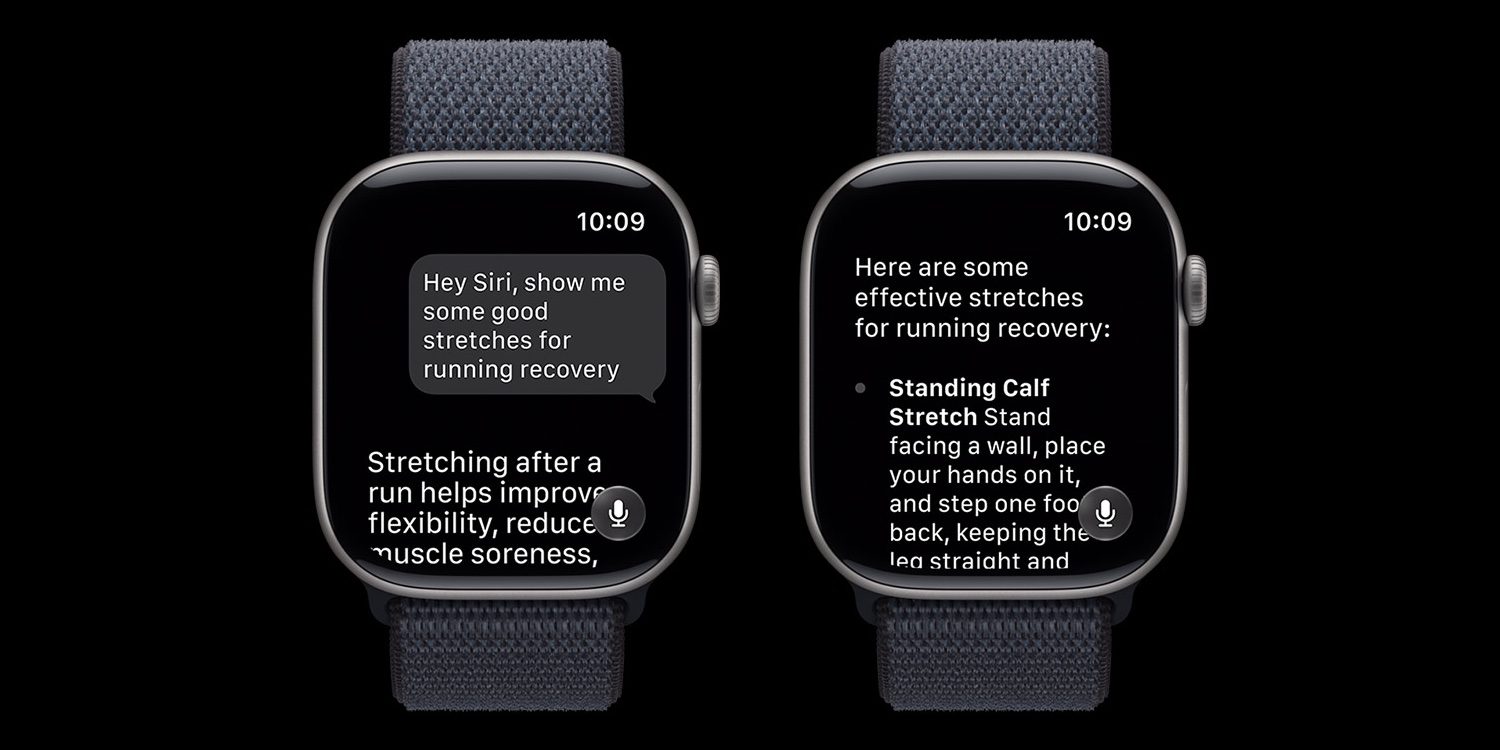
At the core of the watchOS 27 release is a substantial overhaul of Apple’s digital assistant, powered by next-generation artificial intelligence. While users can still trigger Siri using the physical Digital Crown or the traditional voice wake word, watchOS 27 debuts a dedicated Siri application.
This application is part of a cross-platform deployment spanning the iPhone, iPad, Mac, Apple Vision Pro, and Apple Watch. Its primary utility on the wrist extends beyond merely executing voice commands; it acts as a centralized historical archive for ongoing dialogues. Because the updated Siri architecture features deep contextual awareness and cross-device synchronization, queries and responses are no longer siloed to a single piece of hardware.
If a user initiates a multi-part research query or scheduling task on their MacBook or iPhone, that conversational thread is accessible and reviewable directly from the Apple Watch Siri app. This continuity addresses historical complaints regarding the fragmented nature of voice assistants across multiple devices, offering a unified assistant experience that adapts to whichever screen the user happens to be looking at.
Streamlining the Ecosystem: The Unified Find My App
Localization and tracking features have also undergone a radical simplification. In the preceding watchOS 26 iteration, Apple’s tracking tools were divided into three distinct, standalone applications: Find Devices, Find Items, and Find People. While functional, navigating multiple applications on a compact watch display often felt cumbersome.
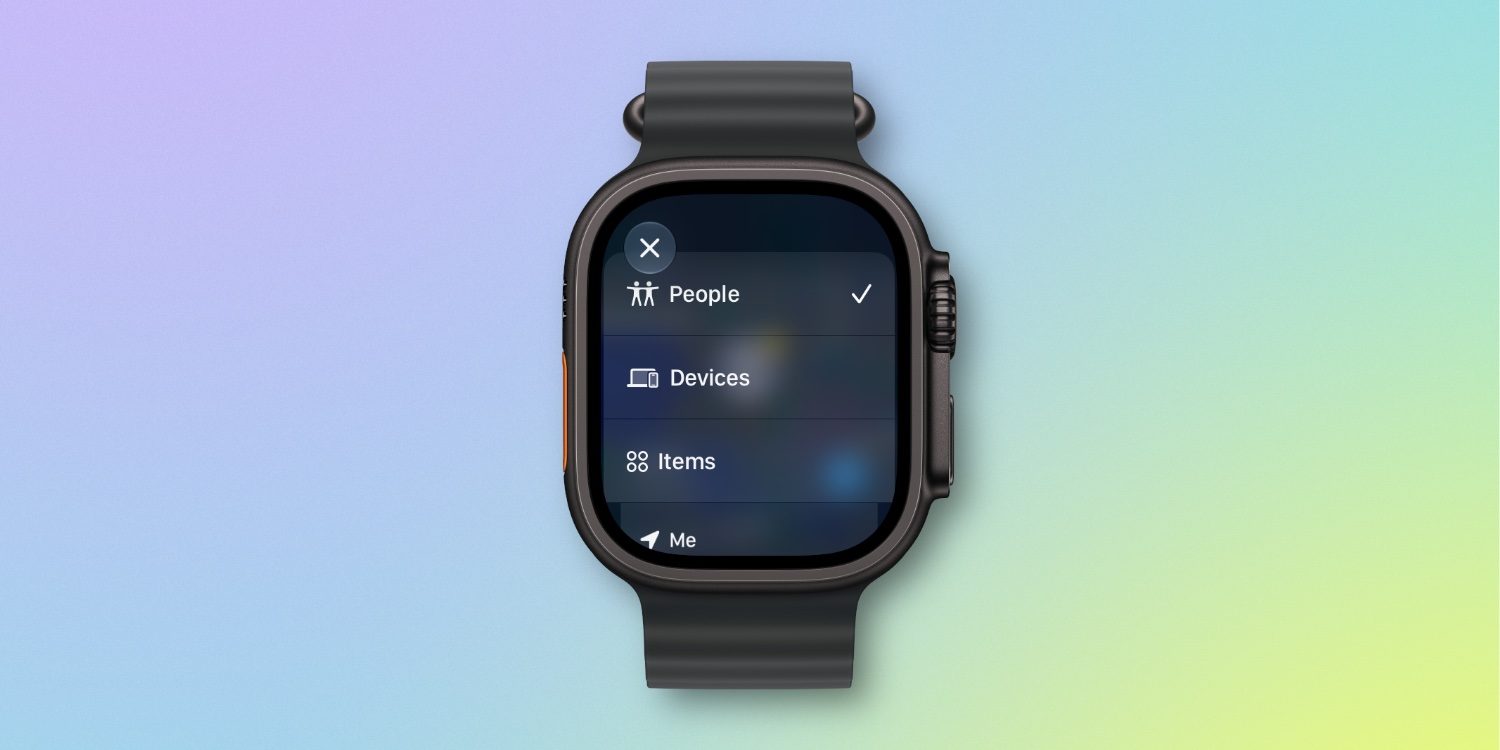
With watchOS 27, Apple has restructured the user experience by merging these capabilities into a single, cohesive Find My application. This consolidation mirrors parallel design shifts seen in iOS 27. The newly redesigned app presents a map-centric interface that aggregates all tracking metrics into one place.
Users can seamlessly toggle between tracking personal devices, AirTag-equipped items, and friends or family members using a streamlined menu located in the top-left corner of the display. By reducing the friction of switching between disparate applications, Apple has made rapid device and personal localization significantly more efficient during emergency scenarios or daily commutes.
Biometric Insights and Recovery Tracking: The Readiness App
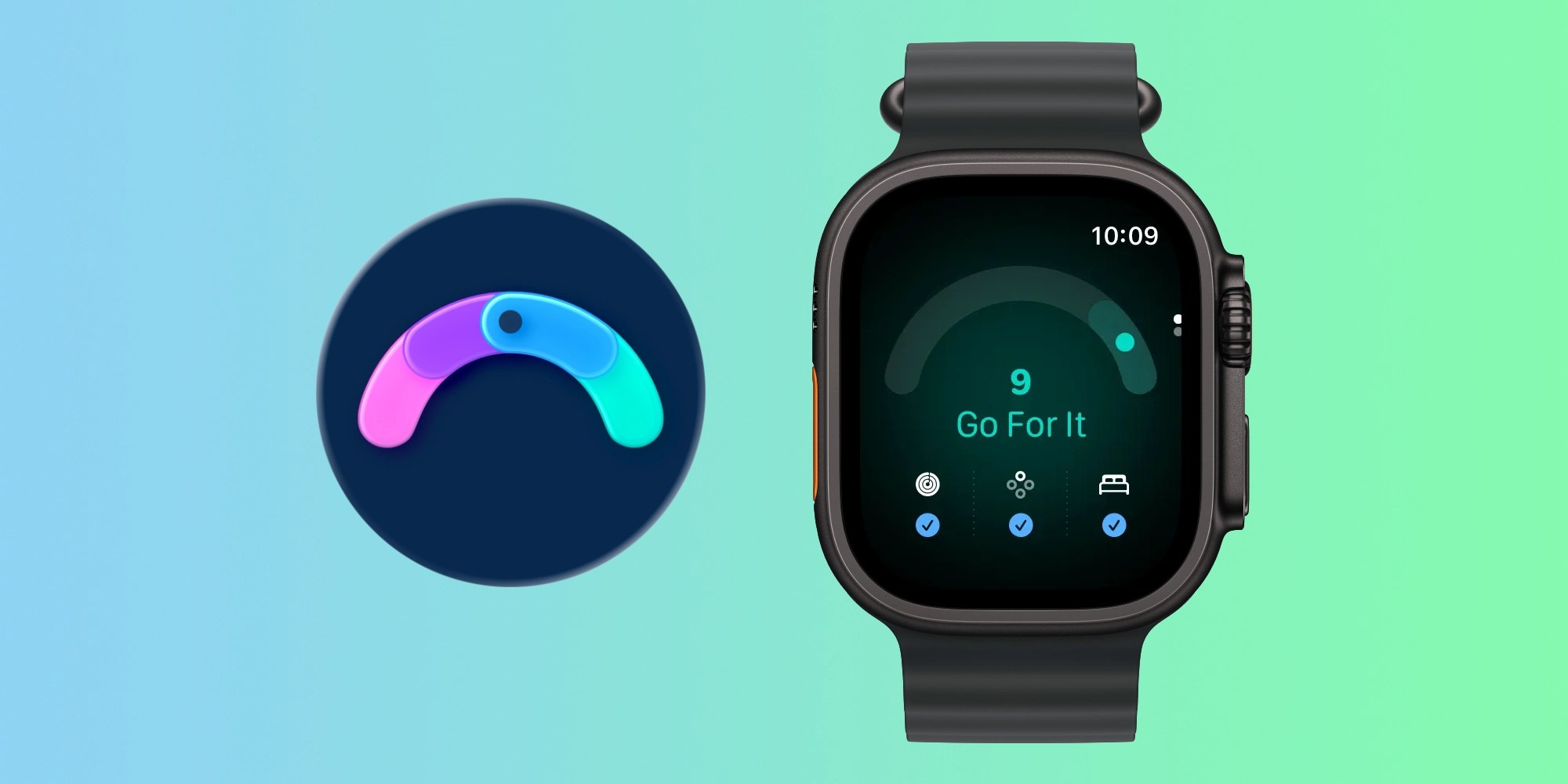
Perhaps the most hardware-dependent addition in watchOS 27 is the introduction of the Readiness application. Exclusive to owners of the Apple Watch Series 12 and Apple Watch Ultra 4, this tool addresses a long-standing demand within the fitness community for native recovery and strain metrics—features popularized by dedicated wellness competitors like Oura and Whoop.
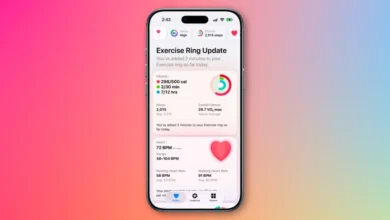
According to official specifications detailed via the App Store, the Readiness app functions by synthesizing a comprehensive array of physiological and behavioral metrics. The software continuously evaluates recent physical activity logs, underlying vital signs, and sleep architecture to evaluate a user’s capacity to handle physical and mental stress on any given day.
Rather than merely encouraging users to close their daily activity rings, the Readiness app introduces a nuanced scoring framework. By factoring in overnight resting heart rate, respiratory rate, blood oxygen levels, and sleep duration, the algorithm delivers a synthesized score designed to help users determine whether to push forward with an intense workout or prioritize active recovery and rest. This shift toward holistic bodily readiness signifies Apple’s broader strategic pivot into proactive, preventative health analytics.
Background Context and Industry Implications
The release of watchOS 27 follows a predictable annual development cycle for Apple’s wearable software, which typically debuts as a developer preview at the Worldwide Developers Conference (WWDC) in June before arriving on consumer devices in the autumn. However, the depth of the integration seen in watchOS 27 underscores a fierce competitive landscape in both wearable health tech and consumer AI.
Competitors in the smartwatch and smart-ring markets have increasingly staked their value propositions on recovery scoring and algorithmic wellness insights. By introducing the Readiness app—albeit gated behind the newest hardware generations—Apple is directly answering consumer demands for native recovery metrics that do not require third-party subscriptions.
Furthermore, the expansion of cross-device AI via the Siri app highlights Apple’s ongoing commitment to building a fluid, ambient computing environment. Analysts suggest that unifying user histories across the Apple ecosystem reduces friction and increases user retention within the company’s hardware and service loops.

Reception and Availability
Early user feedback from beta testers and early adopters has been largely positive, particularly regarding the cleaner interface of the unified Find My app and the conversational fluidity of the updated Siri. Fitness enthusiasts have praised the inclusion of native recovery analytics, though some owners of older Apple Watch models have expressed frustration over the hardware limitations restricting the Readiness app to the Series 12 and Ultra 4 lineups.
As watchOS 27 continues its global rollout, it reinforces the Apple Watch’s status as an indispensable health and productivity terminal. Whether these software features will drive a significant hardware upgrade cycle among existing users remains to be seen, but they undeniably establish a new technological baseline for the future of wearable computing.