Sony’s Unwavering Commitment to Imaging Excellence: A Deep Dive into Three Flagship Cameras Redefining Professional Photography

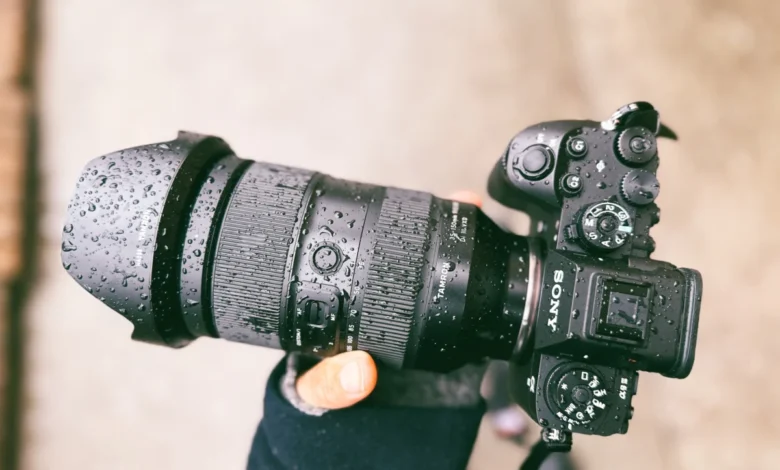
Sony cameras have long stood as a benchmark for innovation and reliability in the professional photography landscape, fundamentally altering how images are captured and perceived. For photographers seeking unparalleled performance and unwavering dependability, Sony continues to offer a compelling lineup. This in-depth exploration delves into three of the brand’s most distinguished models: the Sony a1 II, the Sony a9 III, and the Sony a7R IV, examining their advanced features, intended applications, and the impact they have on modern photographic workflows.
The Pinnacle of Resolution and Speed: Sony a1 II
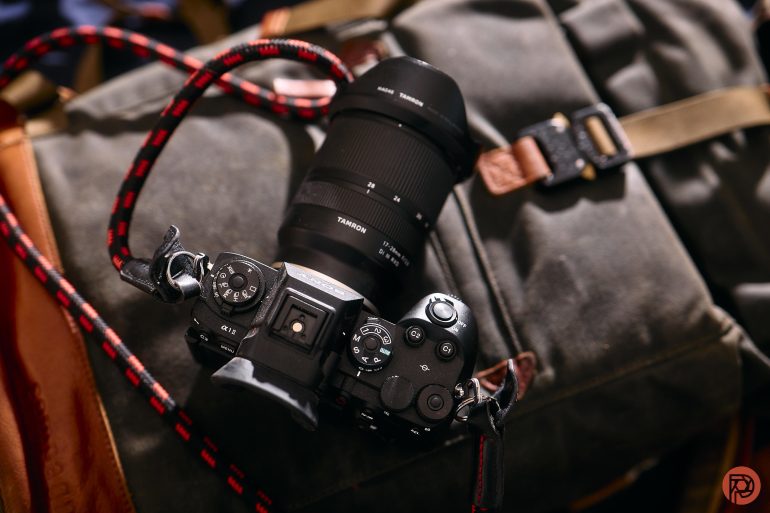
The Sony a1 II represents a significant leap forward in the realm of high-resolution, high-speed digital imaging. This camera is engineered to meet the demanding needs of professionals across a wide spectrum of disciplines, from sports and wildlife to portraiture and demanding commercial applications. Its standout feature is its exceptionally high resolution, allowing for immense detail capture that translates into large, printable images and provides considerable flexibility for cropping in post-production.
Advanced Autofocus and Subject Tracking: A cornerstone of the a1 II’s prowess is its sophisticated Real-time Recognition AF+ system, further enhanced by Preset Focus capabilities. This technology enables the camera to meticulously track a vast array of subjects with remarkable accuracy. Notably, the a1 II excels in its ability to maintain focus on people of color, even in challenging low-light conditions. This capability is a game-changer for sports photographers capturing fast-paced action under stadium lights or event photographers documenting diverse celebrations where lighting can be unpredictable. The precision in tracking extends to avian subjects as well, making it a formidable tool for wildlife enthusiasts.
Image Quality and Versatility: The a1 II’s ability to capture exquisite detail is evident in both its JPEG and RAW outputs. JPEGs are rendered with such clarity and fidelity that they are often ready for immediate online publication, saving valuable time in demanding editorial environments. For those requiring maximum post-production control, the RAW files offer extensive latitude to recover details in both the brightest highlights and the deepest shadows, ensuring that no nuance of the scene is lost. The color science of the a1 II is consistently praised for its accuracy and pleasing aesthetic, producing vibrant and lifelike tones. Crucially, this stellar performance is not limited to Sony’s native E-mount lenses. The camera demonstrates exceptional compatibility and image quality when paired with third-party optics from manufacturers like Sigma and Tamron, offering photographers a broader range of creative choices and cost-effective solutions.

Durability and Environmental Resilience: Beyond its imaging capabilities, the a1 II is built to withstand the rigors of professional use. Its robust weather sealing provides a critical layer of protection against dust and moisture, allowing photographers to confidently pursue their craft in adverse weather conditions, a factor that can be paramount for outdoor and adventure photographers. This combination of cutting-edge technology and rugged construction solidifies the a1 II’s position as a top-tier professional tool.
Revolutionizing Speed with the Global Shutter: Sony a9 III
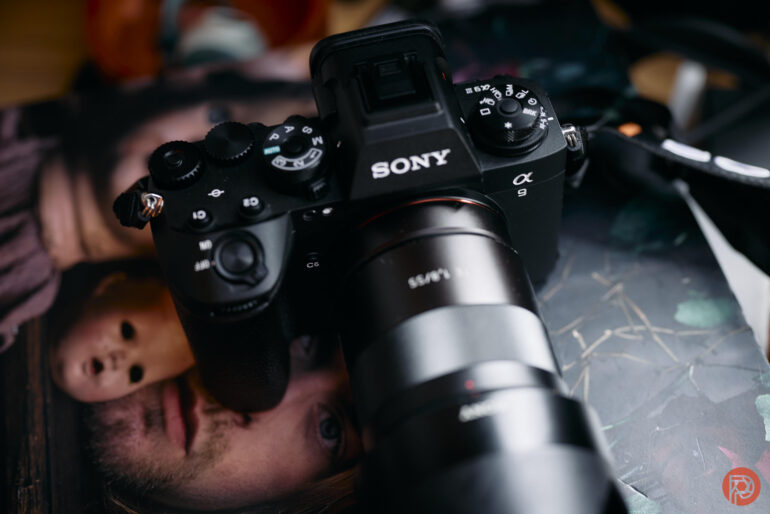
The Sony a9 III marks a paradigm shift in the world of high-speed photography, primarily due to its groundbreaking inclusion of a global shutter. This technological marvel fundamentally alters how images are captured, particularly in scenarios involving fast motion and artificial lighting.
The Impact of the Global Shutter: Traditionally, cameras employ a rolling shutter, where the sensor is exposed line by line. This can lead to distortion artifacts, such as the "jello effect" with fast-moving subjects or skewed straight lines when panning. The a9 III’s global shutter, however, exposes the entire sensor simultaneously. This eliminates rolling shutter distortion entirely, making it an invaluable asset for sports photographers, photojournalists, and anyone shooting in environments with high-speed strobes or flickering artificial lights. The ability to synchronize flash at any shutter speed, up to the camera’s maximum, unlocks unprecedented creative possibilities and simplifies lighting setups in complex situations.
Autofocus Performance and User Guidance: While the a9 III features a 24MP sensor, its true strength lies in its speed and focusing system. The autofocus is exceptionally quick and adept at locking onto subjects. The camera demonstrates impressive performance in focusing on people, with its Real-time Eye AF system being highly responsive. However, for optimal results, especially in dynamic situations, users are advised to utilize specific autofocusing spots rather than relying solely on the camera’s automatic wide setting. This slight adjustment in user technique allows the photographer to guide the camera’s powerful AF system more precisely, ensuring critical focus on the intended subject.
Build Quality and Ergonomics: Complementing its advanced internal technology, the a9 III boasts an impressive build quality. The camera feels solid and well-constructed, designed to endure the demands of professional shooting. Its ergonomics are refined, providing comfortable handling and intuitive access to essential controls, which is crucial for photographers who spend long hours with their gear. The a9 III is a testament to Sony’s dedication to pushing the boundaries of speed and synchronization in digital photography.
Uncompromising Detail and Dynamic Range: Sony a7R IV
The Sony a7R IV continues to be a celebrated workhorse for photographers who prioritize resolution and image fidelity above all else. This camera is a powerhouse for landscape artists, studio professionals, and anyone requiring the highest possible level of detail in their images.
High-Resolution Sensor and Dynamic Range: At the heart of the a7R IV lies a 61MP back-illuminated Exmor R sensor. This high-resolution sensor captures an astonishing amount of detail, enabling photographers to produce incredibly large prints and to crop images extensively without significant loss of quality. Furthermore, the camera boasts a remarkable dynamic range of 15 stops. This means it can capture a vast tonal range within a single exposure, preserving detail in both the brightest skies and the deepest shadows. This capability is particularly advantageous for landscape photographers working in high-contrast scenes or for portrait photographers who need to retain subtle skin tones and background information.
Ergonomics and Advanced Autofocus: The a7R IV is lauded for its excellent ergonomics. The grip is comfortable and secure, and the button layout is logical and user-friendly, facilitating efficient operation. Sony’s renowned Face & Eye AF technology continues to be a standout feature, offering some of the most responsive and accurate subject detection available. The "Real-time tracking functionality" is a significant asset, allowing the camera to lock onto and follow fast-moving subjects with remarkable tenacity, reducing the effort required to achieve sharp focus. This makes the a7R IV a versatile tool, capable of handling not only static subjects but also dynamic ones with impressive ease.
Low-Light Performance and Reliability: Despite its high megapixel count, which can sometimes compromise low-light performance, the a7R IV delivers commendable results in dimly lit environments. Its back-illuminated sensor design helps to improve light-gathering capabilities, allowing for cleaner images at higher ISO settings than might be expected from a sensor of its resolution. This reliability in various lighting conditions, coupled with its robust autofocus and exceptional detail capture, makes the a7R IV a camera that photographers can consistently depend on for critical assignments.
Sony’s Enduring Legacy in Professional Imaging
Sony has consistently demonstrated an unwavering commitment to advancing the field of digital photography. Through continuous innovation and a deep understanding of professional photographers’ needs, the company has produced a range of cameras that not only meet but often exceed expectations. The a1 II, a9 III, and a7R IV represent distinct yet complementary pillars of Sony’s professional lineup, each offering unique strengths that cater to specialized photographic demands.
The Sony a1 II redefines the all-around professional camera, merging extreme resolution with unparalleled speed and autofocus capabilities, making it ideal for those who need a single tool for almost any conceivable photographic challenge. The Sony a9 III pushes the boundaries of speed and flash synchronization with its revolutionary global shutter, making it an indispensable choice for sports and action photographers. The Sony a7R IV remains a champion of detail and dynamic range, offering immense creative freedom for landscape, studio, and fine art photographers.
For professionals who demand the utmost in image quality, performance, and reliability, these Sony cameras offer a compelling proposition. Their advanced features, robust build quality, and intuitive operation empower photographers to capture their vision with confidence, solidifying Sony’s position as a leader in the professional imaging market. As technology continues to evolve, Sony’s dedication to refining its camera systems ensures that photographers will have access to tools that not only capture the moment but also elevate the art of photography itself.