Apple expands Tap to Pay on iPhone to eight Latin American countries to modernize regional commerce

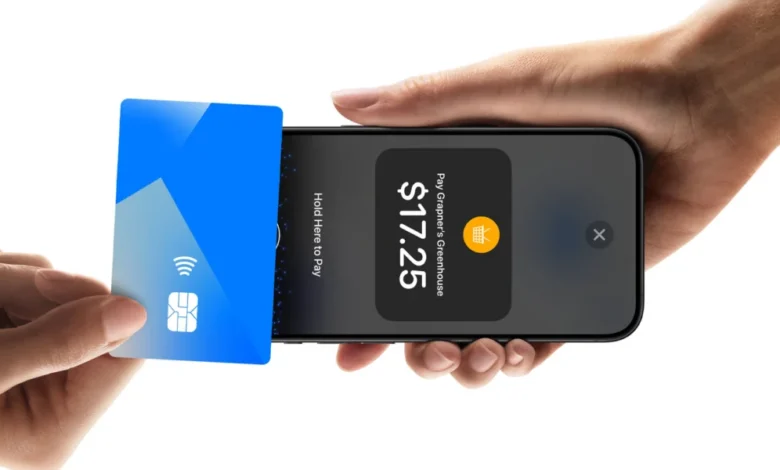
Apple has officially announced a significant expansion of its Tap to Pay on iPhone service, bringing contactless payment capabilities to eight additional nations across Latin America and the Caribbean. This rollout marks a major milestone in the company’s ongoing strategy to digitize retail infrastructure in emerging markets, allowing merchants to bypass traditional, cumbersome hardware in favor of a streamlined, software-based solution. The countries now included in this expansion are Argentina, Colombia, Costa Rica, the Dominican Republic, Guatemala, Honduras, Panama, and Peru.
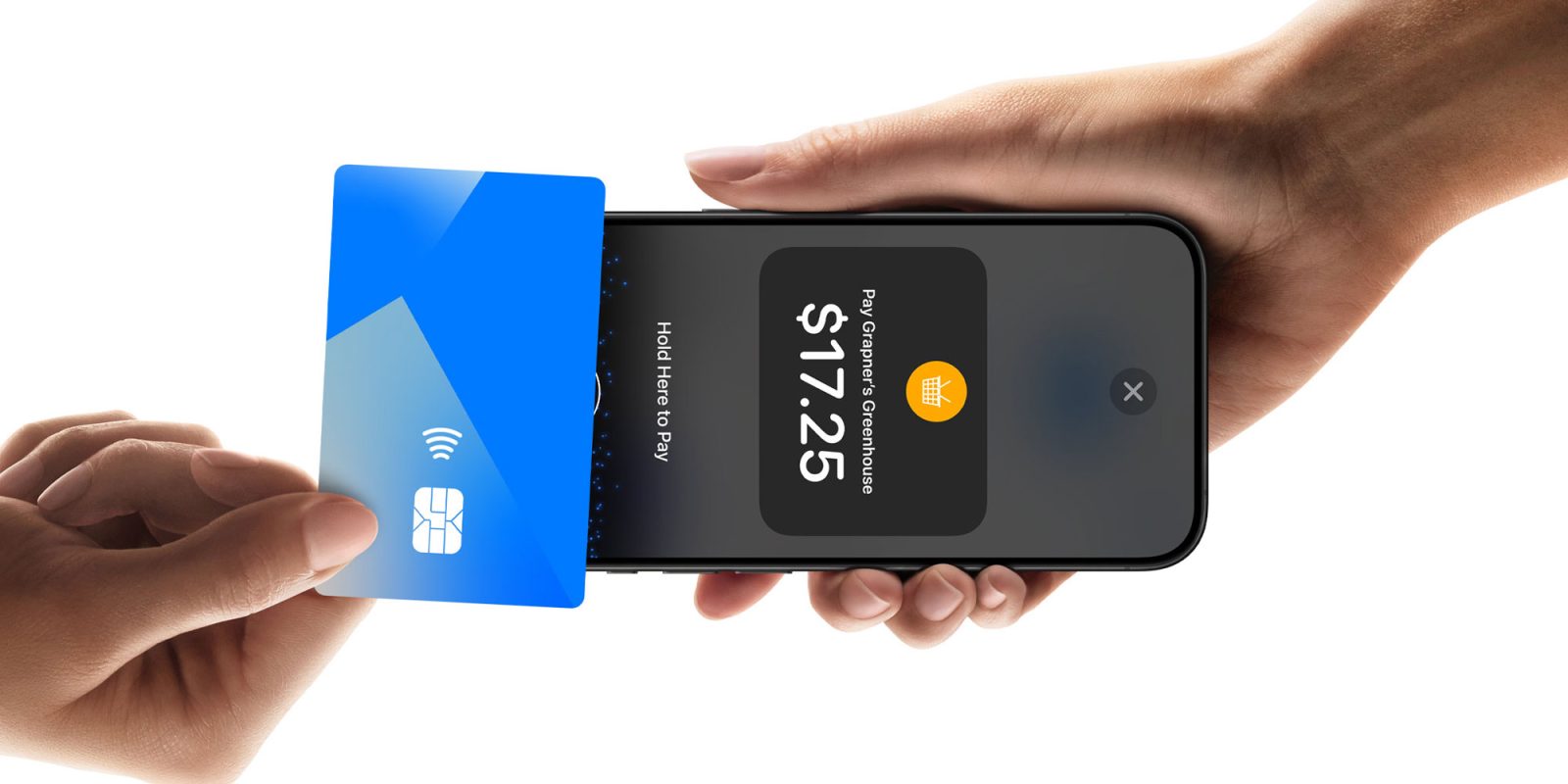
By leveraging the Near Field Communication (NFC) technology inherent in modern iPhone hardware, this service allows business owners to accept contactless credit and debit cards, as well as digital wallets, simply by holding a customer’s device or card near their own iPhone. This transition represents a shift away from the legacy requirement for external, battery-powered payment terminals, which have historically presented barriers to entry for small businesses and mobile vendors in the region.
The Technological Evolution of Point-of-Sale Systems
The fundamental utility of Tap to Pay on iPhone lies in its integration of hardware and software security. When a transaction occurs, the data is encrypted and processed through Apple’s Secure Element, ensuring that the merchant’s device never stores the actual card numbers or transaction details. For small and medium-sized enterprises (SMEs) in Latin America, where the cost of procuring and maintaining physical Point-of-Sale (POS) terminals can be prohibitive, this solution lowers the barrier to entry significantly.
The service is compatible with a wide array of contactless payment networks, most notably American Express, Mastercard, and Visa. This broad support ensures that local merchants can cater to both domestic customers and international travelers without needing to configure different systems for various banking protocols. By utilizing existing iPhone hardware, Apple is effectively turning every merchant into a mobile payment hub, fostering greater financial inclusion in regions where cash has historically dominated the transaction landscape.
A Chronology of Global Deployment
To understand the scale of this latest announcement, one must look back at the trajectory of Apple’s financial technology roadmap. The service was first unveiled on February 8, 2022, when Apple introduced the feature for the United States market, with Stripe serving as the inaugural payment platform. At the time, the announcement was met with considerable interest from the retail sector, as it signaled Apple’s intent to compete directly with companies like Block (formerly Square), which had long dominated the mobile card reader market.
Following the initial US rollout, Apple maintained a steady, calculated pace of expansion. Throughout 2023 and 2024, the company systematically introduced the feature to major European, Asian, and North American markets. By mid-2025, the service had reached nearly 50 countries, bolstered by partnerships with over 100 global payment service providers. This latest expansion into eight Latin American countries demonstrates that Apple is prioritizing regions with high mobile penetration rates, where the shift from cash-based to digital-first economies is accelerating rapidly.
Strategic Implications for Latin American Markets
The economic implications of this rollout are multifaceted. In many of the newly supported countries, the informal economy remains a significant portion of the total GDP. Small vendors—ranging from street-side artisans to local grocery shops—often struggle with the transaction fees and technical overhead associated with traditional banking infrastructure. By enabling contactless payments through a device that many business owners already possess, Apple is facilitating a transition that could increase transaction transparency and simplify tax compliance, while simultaneously reducing the risks associated with handling large amounts of physical currency.
Furthermore, the participation of six local payment platforms indicates that Apple has successfully navigated the complex regulatory environments of these eight nations. Financial technology (fintech) in Latin America is a highly competitive sector, with numerous local startups and international giants vying for dominance. By acting as a platform provider rather than a direct merchant acquirer, Apple allows these local payment processors to integrate Tap to Pay into their existing ecosystems, thereby enhancing the value proposition of those platforms for their merchant clients.
Industry Analysis and Market Reception
Industry analysts have noted that this move is a classic example of Apple’s "walled garden" strategy, where the integration of hardware, software, and services creates an ecosystem that is difficult for competitors to replicate. While Android devices have supported similar NFC-based payment solutions for years, Apple’s focus on privacy, ease of setup, and brand trust gives it a distinct advantage among small business owners who may be wary of third-party hardware security.

"The expansion into Latin America is a strategic necessity for Apple’s growth," says a retail technology consultant familiar with the region. "In markets like Colombia and Peru, mobile adoption is surging, but the infrastructure for digital payments has lagged behind. By making the iPhone the terminal, Apple is essentially leapfrogging the generation of legacy card readers."
The official response from regional partners and banking institutions has been overwhelmingly positive. Many of the supported payment platforms have already begun marketing campaigns aimed at small businesses, emphasizing the ease of installation: download the app, sign up, and start accepting payments within minutes. This speed is a critical differentiator in a market where traditional banking applications can take weeks to process a merchant account.
Operational Requirements and Security Standards
For merchants to utilize this feature, they must have an iPhone XS or later, running the latest version of iOS. The device must be registered with a supported payment platform, which acts as the intermediary between the merchant’s bank account and the customer’s financial institution. Apple’s role is that of a technology provider, ensuring that the Secure Element remains isolated from other applications on the phone, thus mitigating the risk of malware or unauthorized data access.
The security protocol involves a "tokenization" process, where sensitive card information is replaced with a unique digital identifier. Even if a device were compromised, the stolen token would be useless to a malicious actor. This focus on security is a cornerstone of Apple’s branding in the financial sector, and it is a requirement that the company has maintained strictly as it has moved into new international markets.
Future Outlook and Expansion Potential
With this latest update, the total number of countries supporting Tap to Pay on iPhone now exceeds 60, with the list of payment providers growing to over 100. The rapid pace of this expansion suggests that Apple is not finished with its efforts to globalize the service. Market observers expect the next phase of deployment to focus on Southeast Asia and potentially further expansion in the African market, where mobile money platforms are already deeply embedded in the consumer experience.

For the eight countries included in this week’s announcement, the change is expected to be gradual but transformative. As more merchants adopt the technology, consumers will likely become more accustomed to using their own iPhones or contactless cards for everyday purchases, further reducing the reliance on cash. This shift is expected to have a positive impact on the overall digital maturity of these economies, providing businesses with better data for inventory management, sales forecasting, and access to formal credit markets.
Conclusion
The integration of Tap to Pay on iPhone into the Latin American retail landscape marks a significant step forward in the global adoption of mobile-first payment solutions. By eliminating the hardware barrier and leveraging the ubiquity of the iPhone, Apple is providing a scalable, secure, and efficient tool for commerce. As these eight nations—Argentina, Colombia, Costa Rica, the Dominican Republic, Guatemala, Honduras, Panama, and Peru—begin to integrate this technology into their daily business operations, the broader implications for the region’s economic digitalization will likely become more apparent.
The success of this rollout will depend on the continued collaboration between Apple and local payment platforms, as well as the ability of small businesses to navigate the transition from traditional, cash-based workflows to a digital-native model. However, given the company’s track record in other international markets, it is highly probable that Tap to Pay on iPhone will quickly become a standard feature of the retail environment in Latin America, mirroring the success it has already achieved in North America, Europe, and parts of Asia. As the fintech landscape continues to evolve, the ability to accept payments seamlessly remains one of the most critical components of modern commerce, and Apple is clearly positioning itself at the center of that evolution.