Why the Apple Watch Series 12 and iOS 27 Finally Convinced Me to Leave WHOOP Behind

The wearable technology landscape has long been divided between screen-free fitness bands focused on continuous recovery tracking and smartwatches that prioritize daily notifications, communication utilities, and broader health metrics. For years, dedicated athletes and wellness enthusiasts often found themselves wearing both or abandoning smartwatches altogether in favor of specialized recovery platforms. However, the introduction of the Apple Watch Series 12, paired with the comprehensive software overhaul delivered by iOS 27’s redesigned Apple Health application, represents a fundamental shift in how Apple approaches deep physiological monitoring. This evolution has prompted a reevaluation of dedicated recovery bands, bridging the gap between comprehensive daily utility and high-frequency health telemetry.
The Evolution of Continuous Health Monitoring
To understand the significance of the Apple Watch Series 12, one must examine the historical limitations that pushed users toward specialized alternatives like the WHOOP band. For generations of Apple Watch users, health tracking was characterized by periodic sampling rather than continuous, high-density data collection. Heart rate monitoring, a foundational metric for assessing cardiovascular strain and autonomic nervous system balance, traditionally occurred at intervals of roughly every five minutes during periods of rest or low activity. While sufficient for general fitness tracking and detecting sudden anomalies, this sparse data collection fell short for users seeking granular insights into overnight recovery, stress fluctuations, and subtle physiological changes.

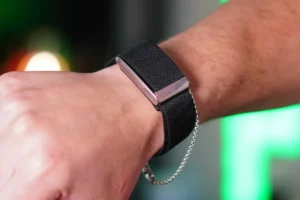
Conversely, dedicated recovery wearables operated on a different philosophy, sampling biometric data multiple times per second to construct a precise, uninterrupted picture of the body’s strain and recovery cycles. This disparity in data density was the primary catalyst for many longtime Apple Watch users to adopt secondary hardware, accepting the inconvenience of wearing multiple devices or sacrificing the immediate utility of a smartwatch screen to gain access to advanced recovery metrics.
Hardware and Software Synergy: What Changes with Series 12
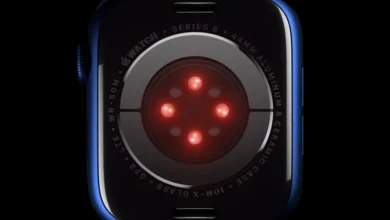
The launch of the Apple Watch Series 12 introduces hardware-level enhancements designed to address these historical data gaps directly. Most notably, the Series 12 elevates its biometric polling frequency, capturing heart rate data once every five seconds. While still distinct from the continuous, multi-hertz sampling found in some screenless dedicated fitness bands, this tenfold increase in sampling frequency represents a major leap forward for a mainstream smartwatch, providing the temporal resolution necessary to accurately track physiological shifts without imposing an unsustainable burden on battery life.
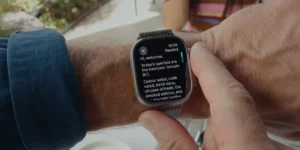
Simultaneously, the introduction of the new Readiness app directly on the Apple Watch provides users with a standardized 1-to-10 health and recovery score. Calculated using heart rate variability (HRV), resting heart rate, and other foundational biometric indicators, this metric directly mirrors the recovery scores popularized by dedicated wellness ecosystems. Historically, Apple’s native sleep tracking offered rudimentary duration and stage metrics, occasionally awarding high scores simply for prolonged periods in bed, regardless of sleep disruption or elevated physiological stress. The Series 12’s Readiness metric refines this approach, offering actionable insight into whether a user’s body is primed for strenuous exertion or requires active recovery.
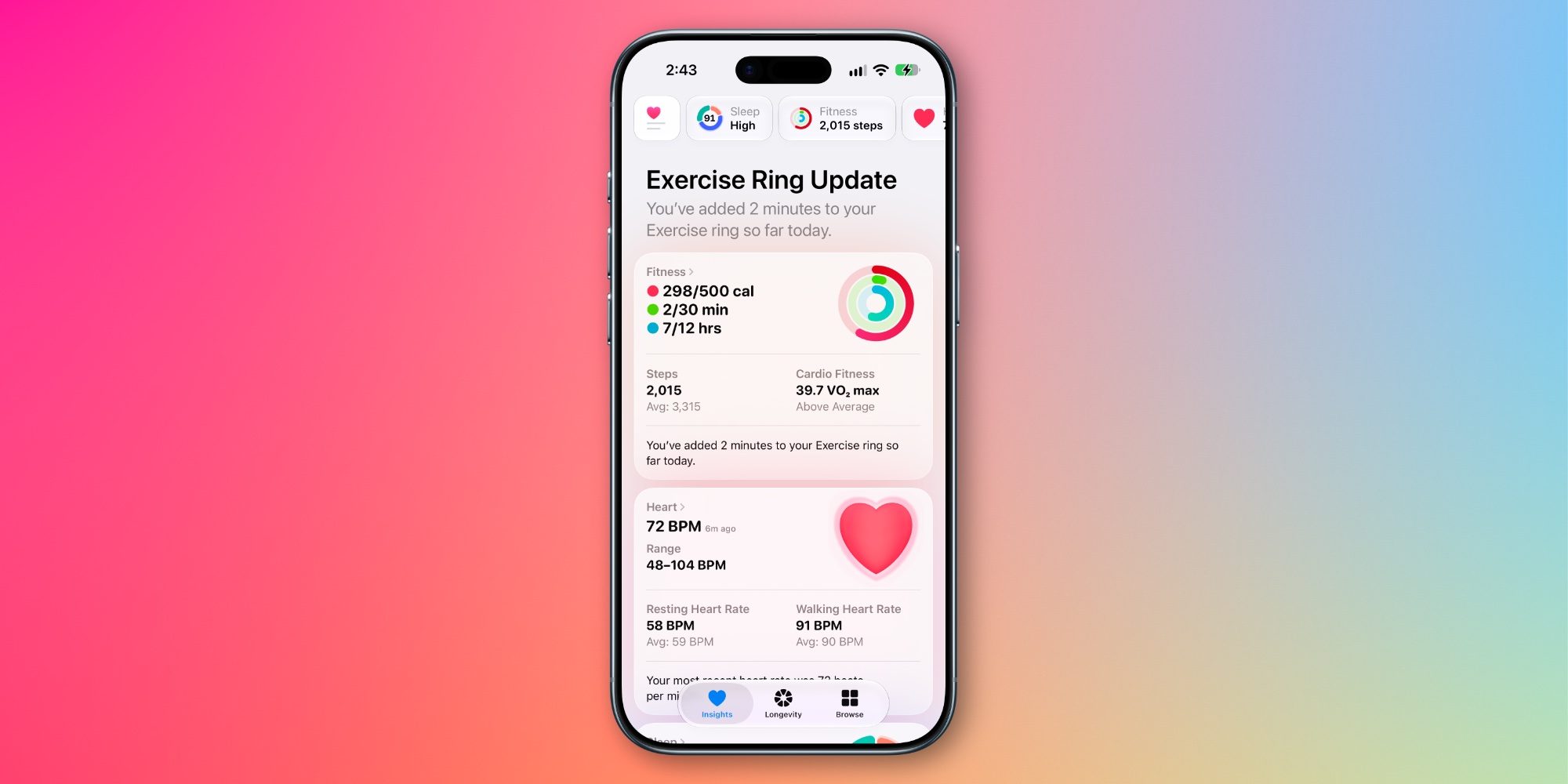
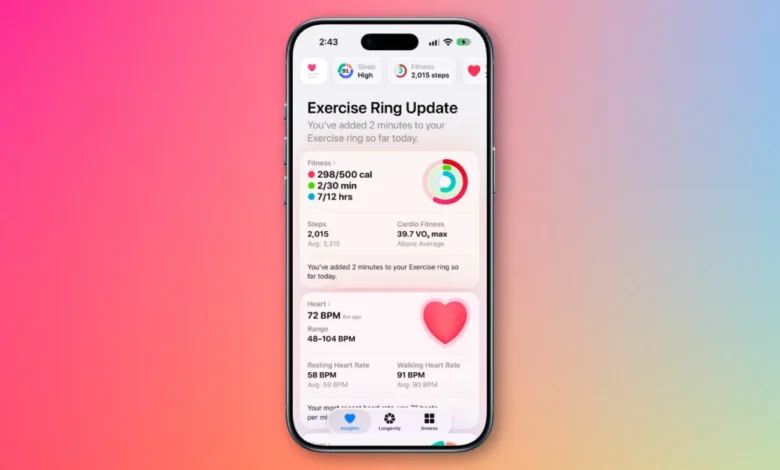
Crucially, these hardware advancements are anchored by the rollout of iOS 27, which features a ground-up redesign of the native Apple Health application. The updated interface reorganizes complex physiological data streams into a cleaner, more digestible layout, significantly reducing the cognitive friction associated with interpreting long-term health trends. By presenting complex metrics through intuitive visualizations, Apple has addressed the software-side usability hurdles that previously drove users toward third-party analytics platforms.
The Value Proposition of Smartwatch Utility
Despite the compelling nature of dedicated fitness bands, the retention of a smartwatch interface remains a compelling factor for consumers navigating the wearables market. Screenless bands offer deep physiological data but require users to consult a smartphone application to view even basic information such as the time of day, incoming messages, or immediate workout metrics. For professionals and active individuals alike, the Apple Watch maintains a distinct advantage through its dual role as both a health monitor and a communication hub.
By upgrading internal sensors and refining software telemetry to rival dedicated recovery platforms, the Apple Watch Series 12 eliminates the traditional compromise between deep health analytics and everyday wrist-based utility. Users no longer need to choose between continuous physiological tracking and the convenience of managing notifications, executing quick replies, or checking transit passes directly from their wrist.

Industry Implications and Market Outlook
The competitive landscape of the wearable technology sector has grown increasingly converged. As smartwatch manufacturers incorporate advanced recovery diagnostics, continuous biometric sampling, and readiness scoring, specialized fitness bands face mounting pressure to justify their dedicated hardware ecosystems. Conversely, traditional watchmakers and tech giants are validating the demand for actionable recovery insights, moving past simple step-counting and calorie estimation toward clinical-grade wellness profiling.
While long-term studies and real-world deployment will ultimately determine whether the Apple Watch Series 12 completely alters consumer habits, the convergence of high-frequency data collection, advanced readiness scoring, and a redesigned health interface signals a mature phase in consumer health tech. For consumers who previously maintained a dual-ecosystem approach—utilizing a smartwatch for daily tasks and a specialized band for recovery tracking—the latest hardware and software iteration offers a cohesive alternative that consolidates wrist real estate without sacrificing analytical depth.