Apple Releases watchOS 27.2 with Major Siri AI Upgrades and Apple Music Redesign Alongside visionOS 27.2

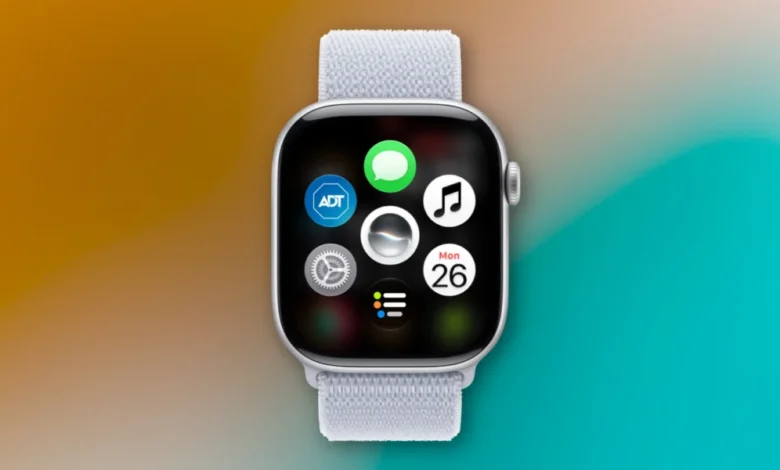
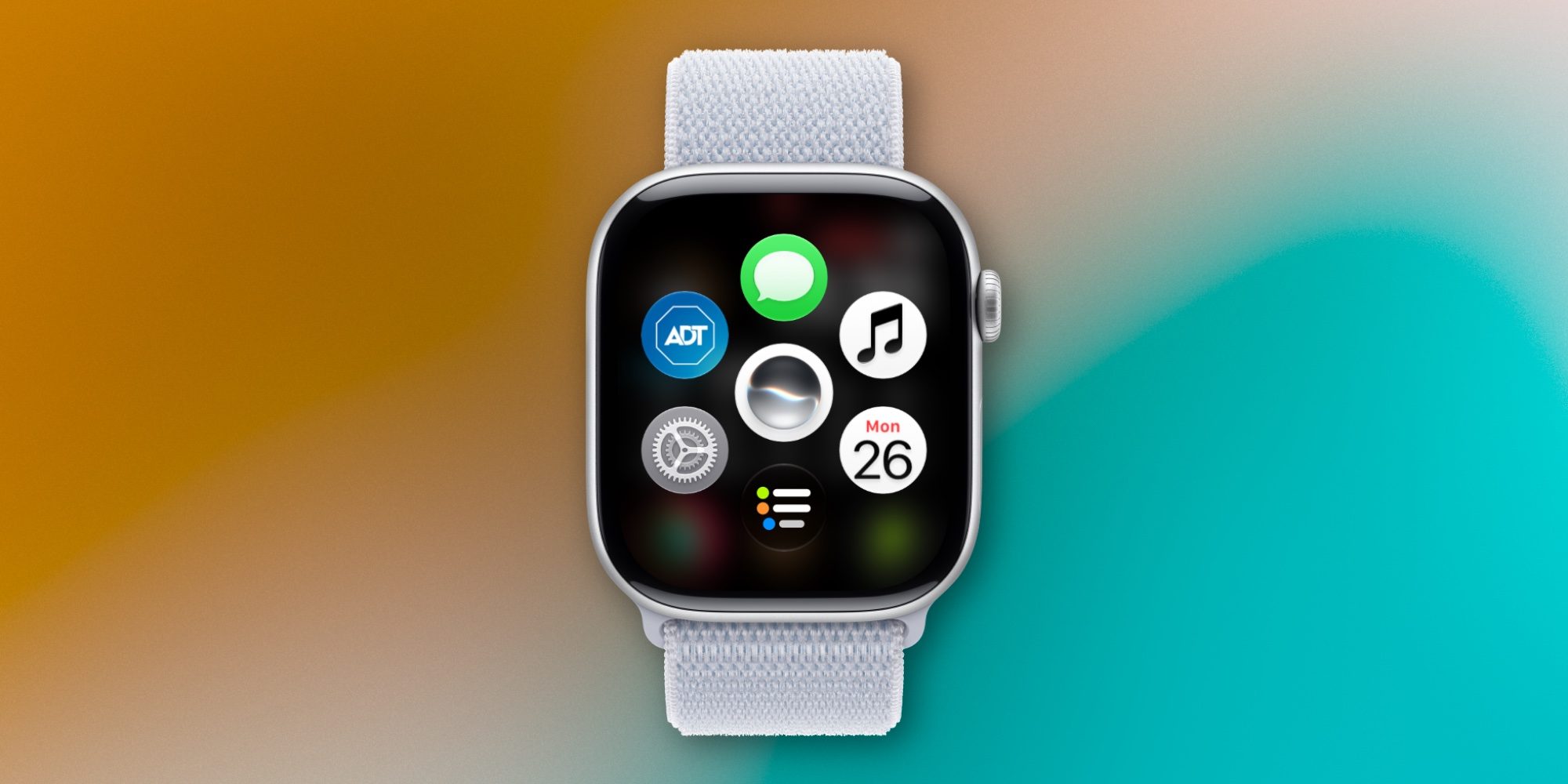
Apple has officially commenced the rollout of watchOS 27.2 to compatible Apple Watch models worldwide, arriving concurrently with visionOS 27.2 for the Apple Vision Pro spatial computing headset and a broader ecosystem-wide software refresh. This latest minor point release focuses heavily on artificial intelligence enhancements, notably expanding the linguistic capabilities of Siri AI to a diverse array of global markets. Additionally, the update delivers a striking visual overhaul to the Apple Music application, aligning the wearable platform with Apple’s newly established corporate branding and design guidelines for its streaming service.
Users seeking to install the update can access it through the dedicated Apple Watch application on their paired iPhone running iOS 27.2—the installation of which serves as a mandatory prerequisite for the watchOS upgrade. As Apple continues to weave advanced machine learning frameworks deeper into its hardware ecosystem, watchOS 27.2 marks a critical milestone in making on-device intelligence accessible to a truly international user base.
Expanding Siri AI: Bridging the Global Language Gap
When Apple initially introduced the next-generation Siri AI capabilities in watchOS 27.0, availability was strictly constrained to users operating in United States English. This limitation left millions of international customers unable to leverage the advanced contextual awareness, conversational fluidity, and predictive task management that Apple has heavily marketed as a core selling point for its recent wearable generations, including the Apple Watch Series 12 and the Apple Watch Ultra 4.
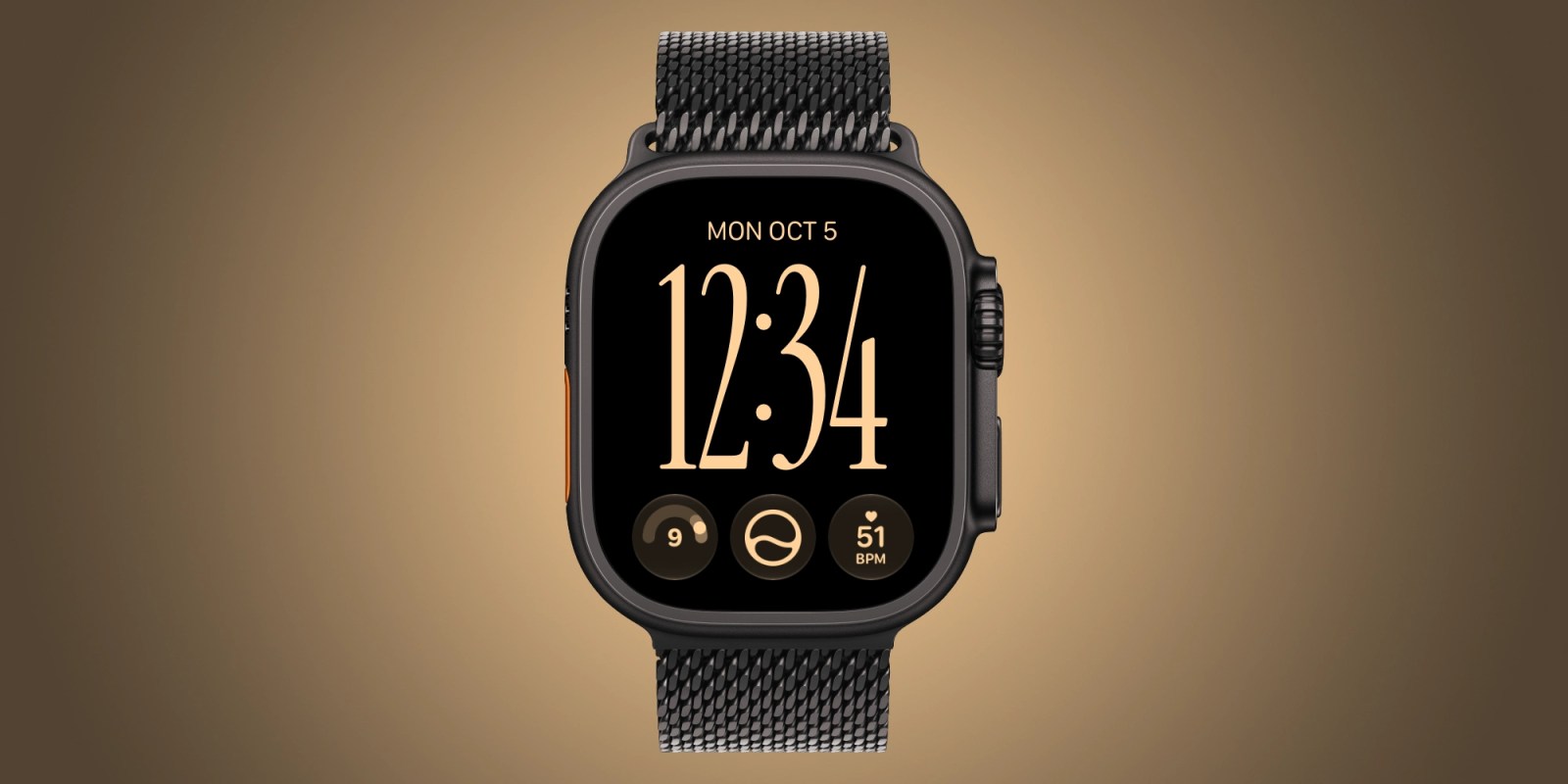
With the deployment of watchOS 27.2, those regional barriers are beginning to dissolve. Following a parallel rollout strategy seen in iOS 27.2, Apple has dramatically expanded Siri AI language compatibility. While initial deployment notes from Apple highlight a phased rollout depending on regional server activation, the update sets the structural foundation for comprehensive multilingual support across major markets in Europe, Asia, and the Americas. Industry analysts note that this rapid expansion is critical for Apple as it competes directly with rival smart assistant ecosystems from Google and Samsung, both of which have faced mounting consumer pressure to deliver localized AI capabilities without prolonged delays.
The decision to fast-track these language additions underscores Apple’s commitment to closing the gap between its domestic and international software offerings. By bringing advanced Siri AI to wrists globally, Apple aims to drive higher engagement metrics for voice-driven tasks, health logging, and smart home automation directly from the wrist.
Apple Music Undergoes a Monochrome Rebrand
Beyond intelligence updates, watchOS 27.2 introduces a notable aesthetic shift for music enthusiasts. The Apple Music application on the Apple Watch has discarded its traditional, vibrant red app icon in favor of a sleek, minimalist black-and-white visual identity. This change is not isolated to the icon alone; subtle monochrome design updates permeate the entire user interface of the watchOS app, streamlining the visual hierarchy and placing a greater emphasis on album artwork and typography.
This design pivot directly follows Apple’s recent unveiling of a comprehensive visual rebrand for Apple Music. Industry insiders report that the updated identity—described by the company as being crafted around the fundamental visual representation of sound—aims to unify the service’s presence across iOS, iPadOS, macOS, visionOS, and watchOS. By stripping away extraneous color accents within the application chrome, Apple has created a more immersive playback environment that reduces visual clutter on smaller screens like the Apple Watch display.
Simultaneous Rollout of visionOS 27.2
In tandem with the watchOS release, Apple has also deployed visionOS 27.2 to Apple Vision Pro users globally. Mirroring the changes seen on the wrist, visionOS 27.2 incorporates the expanded suite of Siri AI language capabilities and adopts the new black-and-white Apple Music app icon and associated monochrome interface adjustments.
The synchronized deployment of updates across disparate product lines highlights Apple’s increasingly modular and cohesive operating system architecture. By synchronizing feature sets—particularly regarding artificial intelligence and media branding—across watchOS and visionOS, Apple ensures a consistent cross-device experience for power users who transition frequently between their spatial computing headsets, iPhones, and smartwatches.
Technical Prerequisites and Installation Guidelines
For users preparing to update their devices, Apple has outlined a strict installation hierarchy. Because watchOS 27.2 relies on frameworks introduced in the latest iPhone software generation, users must first update their paired iPhone to iOS 27.2. Once the host device is running the current software, the Apple Watch update can be initiated by navigating to the Apple Watch app on the iPhone, selecting General, and proceeding to Software Update.

Apple recommends that the smartwatch be connected to its magnetic charger and maintain a battery charge of at least 50 percent during the installation process to prevent unexpected interruptions. Depending on network conditions and the specific Apple Watch model being updated, the download and installation procedure can take anywhere from fifteen minutes to an hour.
Market Implications and Future Outlook
The release of watchOS 27.2 arrives at a pivotal time for the wearable technology market. As competition intensifies around health tracking, biometric sensing, and on-device machine learning, software agility has become a primary differentiator for consumers selecting a smartwatch platform. By addressing the initial regional limitations of Siri AI and refreshing core application aesthetics, Apple is maintaining momentum ahead of the traditional holiday shopping season.
Furthermore, the alignment of Apple Music’s visual identity across all platforms demonstrates a rigorous approach to brand cohesion. While minor interface adjustments and language expansions may not represent a complete hardware reinvention, cumulative software updates like watchOS 27.2 play an essential role in sustaining user satisfaction, enhancing device longevity, and cementing the integration of artificial intelligence into daily consumer workflows.
As users continue to download watchOS 27.2 and explore its refined interface and expanded linguistic tools, tech industry observers will be monitoring adoption rates and gathering user feedback to gauge the effectiveness of Apple’s accelerated AI deployment strategy.
Related posts: