AMVR BS1 Head Strap Upgrade Review and Analysis for Meta Quest 3 and Quest 3S

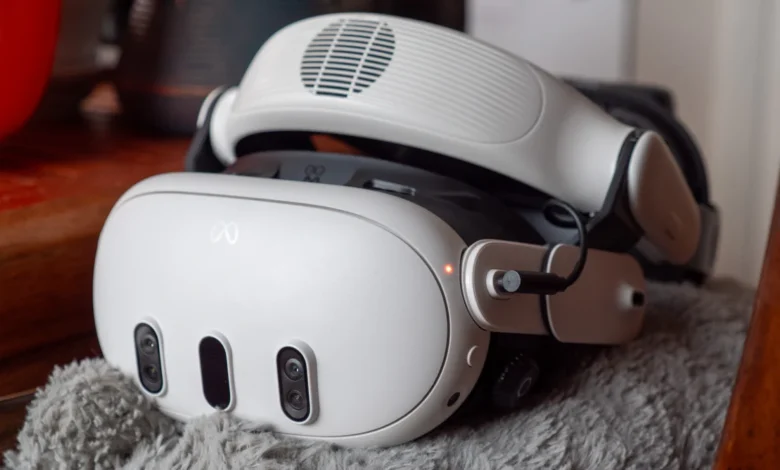
The release of the upgraded AMVR BS1 head strap for the Meta Quest 3 and Quest 3S represents a significant development in the burgeoning third-party virtual reality accessory ecosystem. Designed to address common user complaints regarding comfort, weight distribution, and thermal management, the BS1 integrates an active cooling system with a modular battery architecture. As Meta’s standalone headsets continue to dominate the consumer VR market, the demand for ergonomic enhancements has surged, positioning manufacturers like AMVR and its contemporaries at the forefront of the hardware refinement sector.
Evolution of VR Ergonomics and Market Context
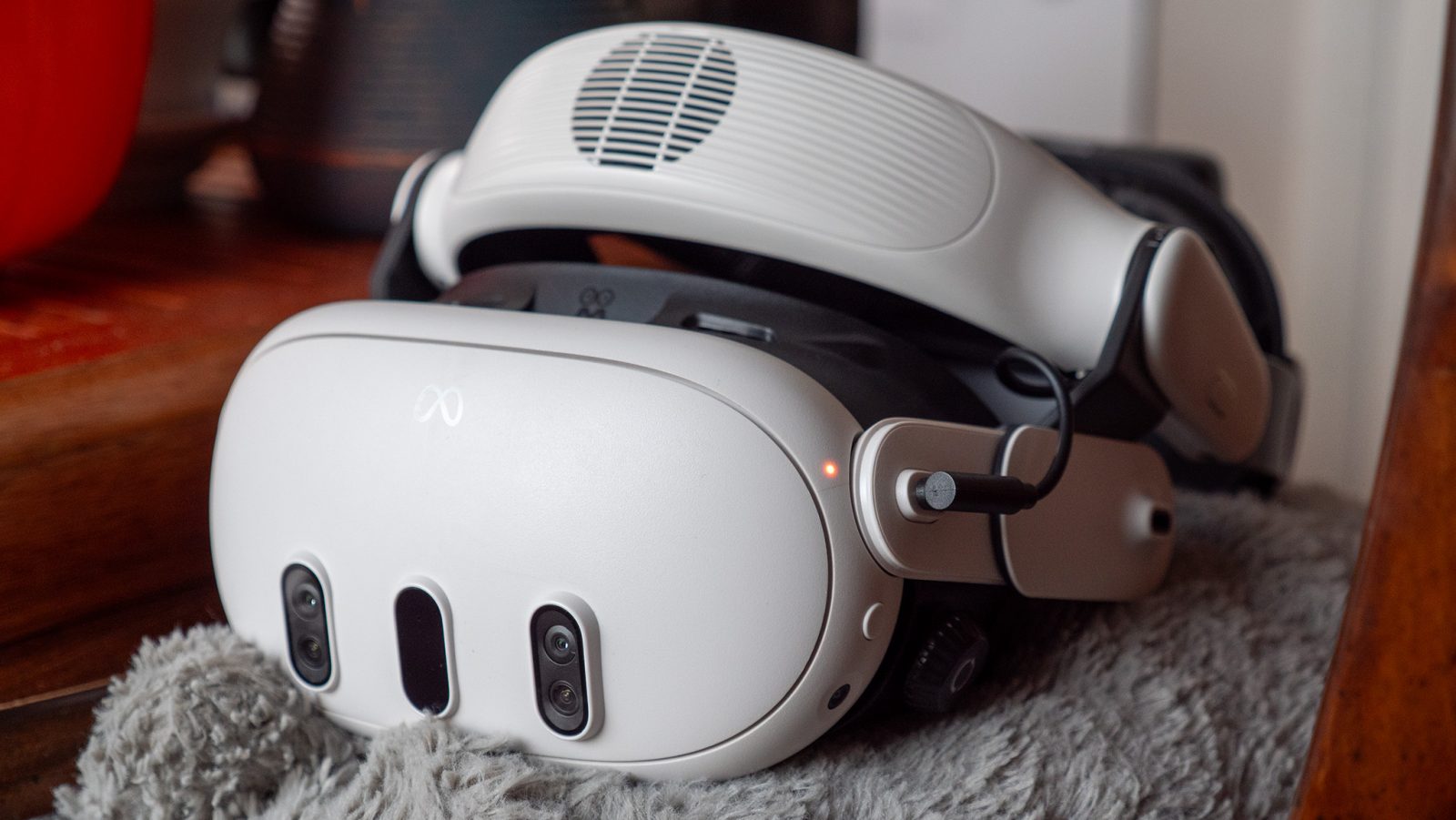
Since the release of the Meta Quest 3, users have frequently cited the standard fabric head strap—included in the base package—as a primary barrier to extended play sessions. The device, while technologically impressive, is front-heavy, leading to pressure points on the forehead and cheeks. This ergonomic deficiency has spawned a secondary market focused on "halo-style" straps. These designs shift the center of gravity by utilizing a rigid crown support and a rear-mounted battery pack, which acts as a counterweight to the optical assembly.
The history of VR accessories is marked by a rapid transition from basic silicone covers to complex mechanical solutions. Early adopters of the original Quest and Quest 2 relied on third-party "franken-quest" mods, but with the maturation of the Quest 3 and 3S, manufacturers have shifted toward integrated solutions that combine power delivery with active cooling. The AMVR BS1 is a manifestation of this design philosophy, aiming to solve the two biggest hurdles for VR immersion: physical fatigue and heat-induced lens fogging.
Technical Specifications and Functional Design
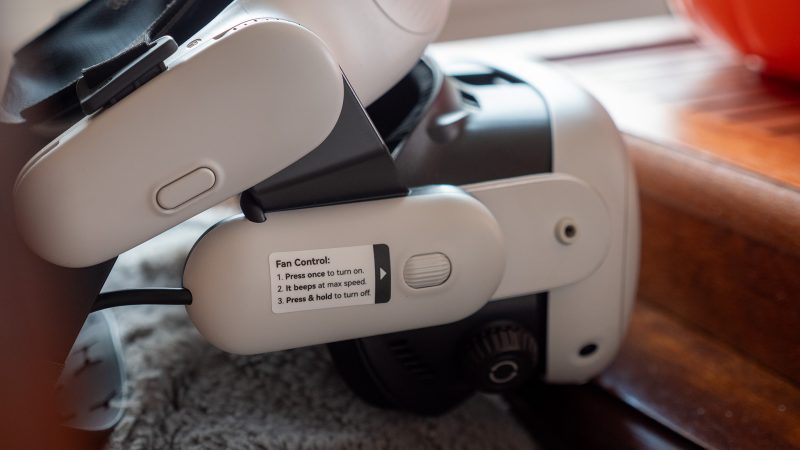
The AMVR BS1 is engineered with a multifaceted approach to user comfort. At its core is an adjustable-speed active fan unit integrated directly into the forehead support. This component is specifically designed to circulate air, which mitigates the buildup of perspiration during high-intensity fitness applications and prevents the condensation—or "fogging"—that occurs on the internal lenses when the temperature differential between the user’s face and the headset optics becomes too great.
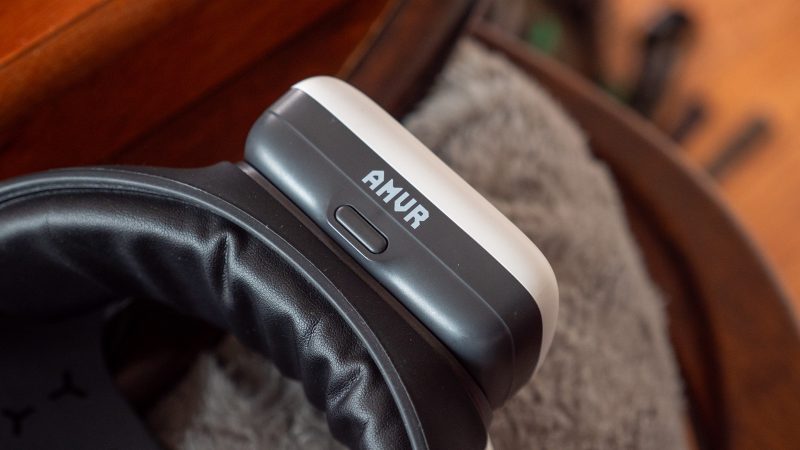
The system is powered by a magnetically detachable, rechargeable 8,800mAh battery pack. Positioned at the rear of the strap, this battery serves a dual purpose: providing an estimated four additional hours of gameplay and acting as a necessary counterweight to the Quest’s front-heavy chassis. The magnetic attachment mechanism allows for rapid hot-swapping, enabling users to switch to a fully charged unit without interrupting their immersion in a VR application.
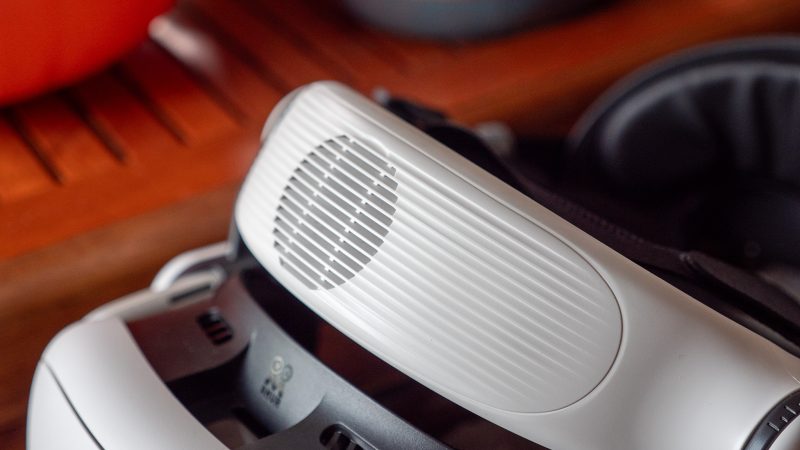
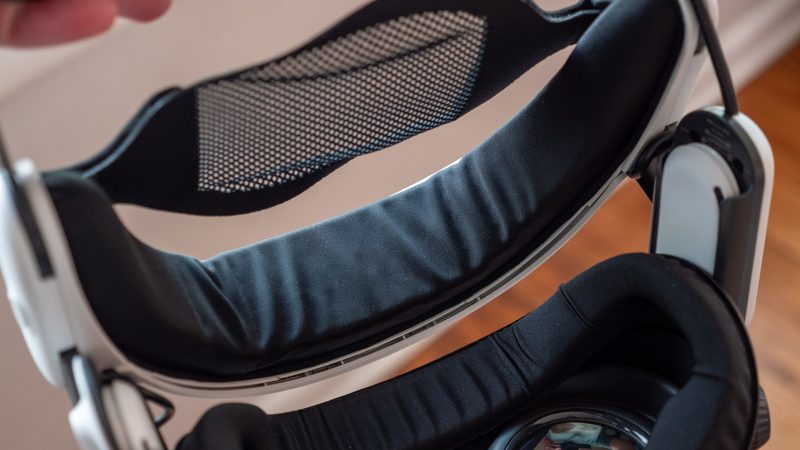
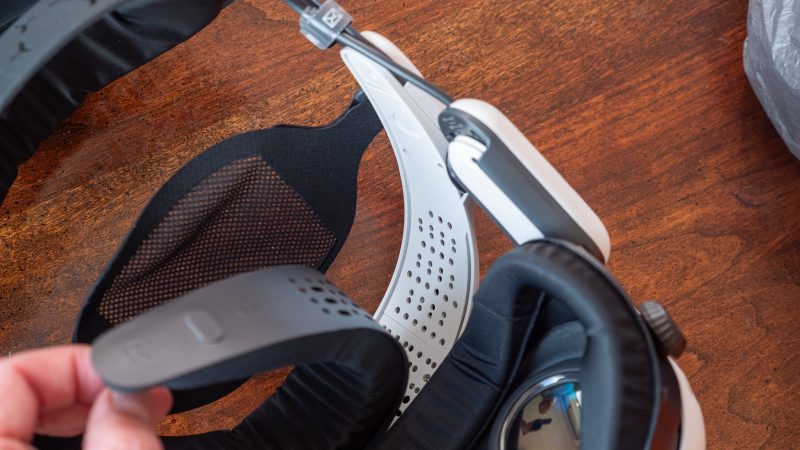
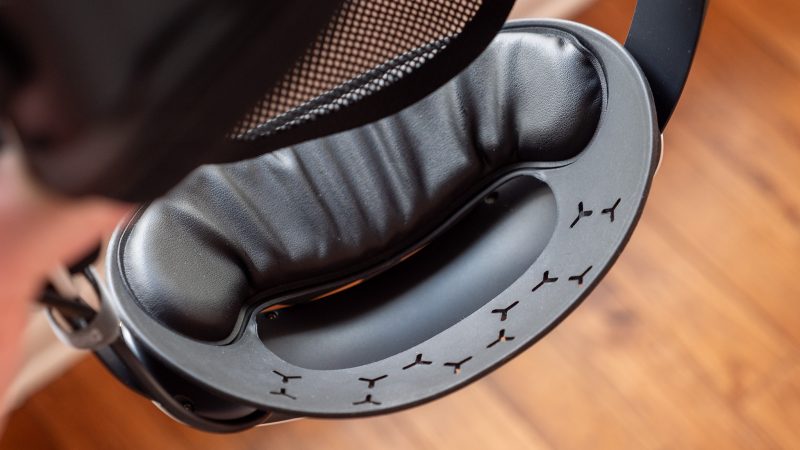
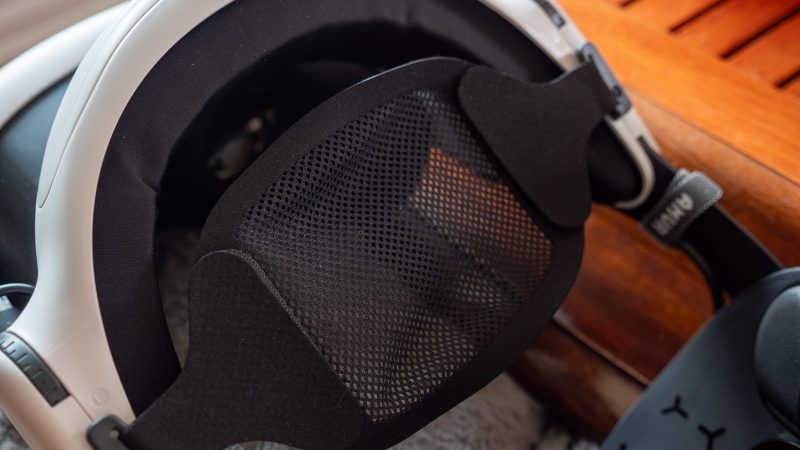
Furthermore, the strap utilizes a combination of materials intended for long-term wear. The contact points feature a mix of soft, cushioned padding and grippy silicone. This dual-material construction is designed to prevent the headset from slipping during vigorous movement, while the breathable mesh top support distributes the vertical load across the crown of the head. All contact pads are modular, facilitating easy removal for cleaning or replacement, a necessity for users who utilize the device for calorie-burning fitness games.
Chronology of Accessory Development
The trajectory of VR accessory design has accelerated significantly since late 2023.
- Late 2023: Initial launch of the Meta Quest 3 highlighted the need for improved strap ergonomics.
- Early 2024: Market saturation of basic rigid straps; focus shifts toward battery-integrated solutions.
- Mid-2024: Introduction of active ventilation as a premium feature in head straps.
- Late 2026: Release of the refined AMVR BS1, incorporating feedback regarding noise reduction, weight optimization, and ease of battery maintenance.
This timeline illustrates the industry’s shift from "do-it-yourself" modifications to highly polished, integrated hardware ecosystems. By standardizing connections and focusing on weight balance, manufacturers have successfully standardized the "premium" VR experience for the average consumer.
Competitive Landscape and Economic Implications
The market for VR head straps is highly competitive, with firms such as BoboVR and AMVR frequently iterating on their designs. A comparison between the AMVR BS1 and the BoboVR M3 Pro+ reveals distinct design priorities. While the BoboVR M3 Pro+ is often cited for its highly effective hybrid suspension system and competitive pricing—often retailing at a lower price point than the BS1—it lacks the active cooling mechanism found in the AMVR unit.
This creates a clear consumer segmentation:
- The Performance User: Likely to prioritize the AMVR BS1 for its active fan, which is essential for high-movement scenarios like Supernatural or Beat Saber.
- The Casual User: May favor the BoboVR M3 Pro+ for its comfort-to-cost ratio, provided they do not require active thermal management.
The inclusion of the AMVR FC4M face pad, which utilizes a magnetic attachment system, further underscores the industry move toward modularity. By allowing users to swap out facial interfaces based on the activity (e.g., a breathable interface for exercise versus a plush interface for media consumption), manufacturers are increasing the utility of the hardware.
Broader Impact on the VR Ecosystem
The success of high-quality third-party accessories has profound implications for Meta’s business model. By allowing an open market for head straps and facial interfaces, Meta can maintain a lower entry price for their headsets while offloading the burden of ergonomic customization to specialized third-party firms. This symbiotic relationship ensures that users who require professional-grade comfort can obtain it, while those who are satisfied with the base experience are not forced to pay a premium for hardware they might not use.
However, there are risks associated with this fragmentation. As the market becomes flooded with various battery-integrated straps, quality control regarding lithium-ion battery safety and charging protocols becomes paramount. The AMVR BS1’s reliance on magnetic connections and modular batteries requires a high standard of manufacturing to ensure longevity and safety.
Future Outlook
Looking forward, the integration of biometric sensors into head straps is the next logical step in the evolution of VR hardware. Future iterations of products like the BS1 may incorporate heart-rate monitors or more sophisticated thermal regulation that automatically adjusts fan speed based on real-time skin temperature sensors.
For now, the AMVR BS1 serves as a benchmark for what consumers can expect from premium accessories. By addressing the fundamental physical constraints of the Quest 3—weight, heat, and power—the device significantly lowers the friction of using VR for extended periods. As the industry moves toward lighter, more powerful headsets, the role of these accessories will continue to transition from "optional add-ons" to "essential components" of the VR stack.
In summary, the AMVR BS1 is a calculated response to the persistent ergonomic challenges of the Meta Quest 3/3S. Through its synthesis of active cooling, high-capacity modular power, and user-centric material design, it provides a comprehensive solution for users seeking to maximize the utility of their standalone VR equipment. While the market remains crowded with alternatives, the specific focus on thermal management distinguishes the BS1 as a specialized tool for the most active segment of the virtual reality user base. Whether this level of hardware sophistication will eventually be integrated into base models by headset manufacturers remains an open question, but for the present, the third-party market continues to define the standard for comfort and performance in the virtual space.
Related posts: