Elon Musk says it would be an honor to hire Jensen Huang amid Nvidia turmoil


The technology sector is reeling following reports that the board of directors at Nvidia is actively deliberating the removal of long-time CEO Jensen Huang. The potential ouster, which has sent shockwaves through global markets, follows a series of revelations regarding Huang’s personal conduct. As the Silicon Valley giant faces a period of unprecedented leadership uncertainty, Elon Musk has publicly signaled his interest in the embattled executive, stating on the social media platform X that it would be an "honor" to bring Huang into the fold of one of his various enterprises.
The crisis at Nvidia reached a fever pitch this week as the board convened to evaluate the future of the company’s leadership. The discussions were precipitated by reports in the Wall Street Journal and the New York Times detailing two separate extramarital relationships involving Huang. Most concerning to investors and stakeholders are allegations that one of these relationships, involving Singapore-based businesswoman Alice Huang, may have ties to Chinese intelligence services. U.S. officials have reportedly expressed concerns that the association could compromise the security of sensitive semiconductor technology. While Huang issued a memo to employees this past Sunday admitting to infidelity, he stopped short of addressing the specific allegations regarding foreign influence or confirming the details of his departure.
A Corporate Governance Crisis
Under Nvidia’s current corporate bylaws, the board of directors possesses the authority to terminate the CEO with or without cause by a simple majority vote. With 11 members currently serving on the board, internal deliberations have reportedly become intense. Sources familiar with the matter indicate that the board has already engaged an external consulting firm to explore potential successors. Financial analysts have identified Chief Financial Officer Colette Kress as the leading candidate to serve as an interim CEO should the board move forward with a termination.

The market reaction was immediate and severe. Following the reports, Nvidia shares plummeted more than 8 percent in extended trading. The timing is particularly precarious for the company, as it is scheduled to release its quarterly earnings report on November 17. The potential removal of a figure as synonymous with his company’s success as Jensen Huang creates a significant vacuum in investor confidence, especially given the company’s pivotal role in the global AI infrastructure supply chain.
The Strategic Bond Between Musk and Huang
The public exchange between Elon Musk and a prominent financial account on X underscores the deep, complex relationship between the two tech titans. Musk’s willingness to offer a lifeline to Huang is not merely professional courtesy; it is a calculated acknowledgment of their intertwined business interests.

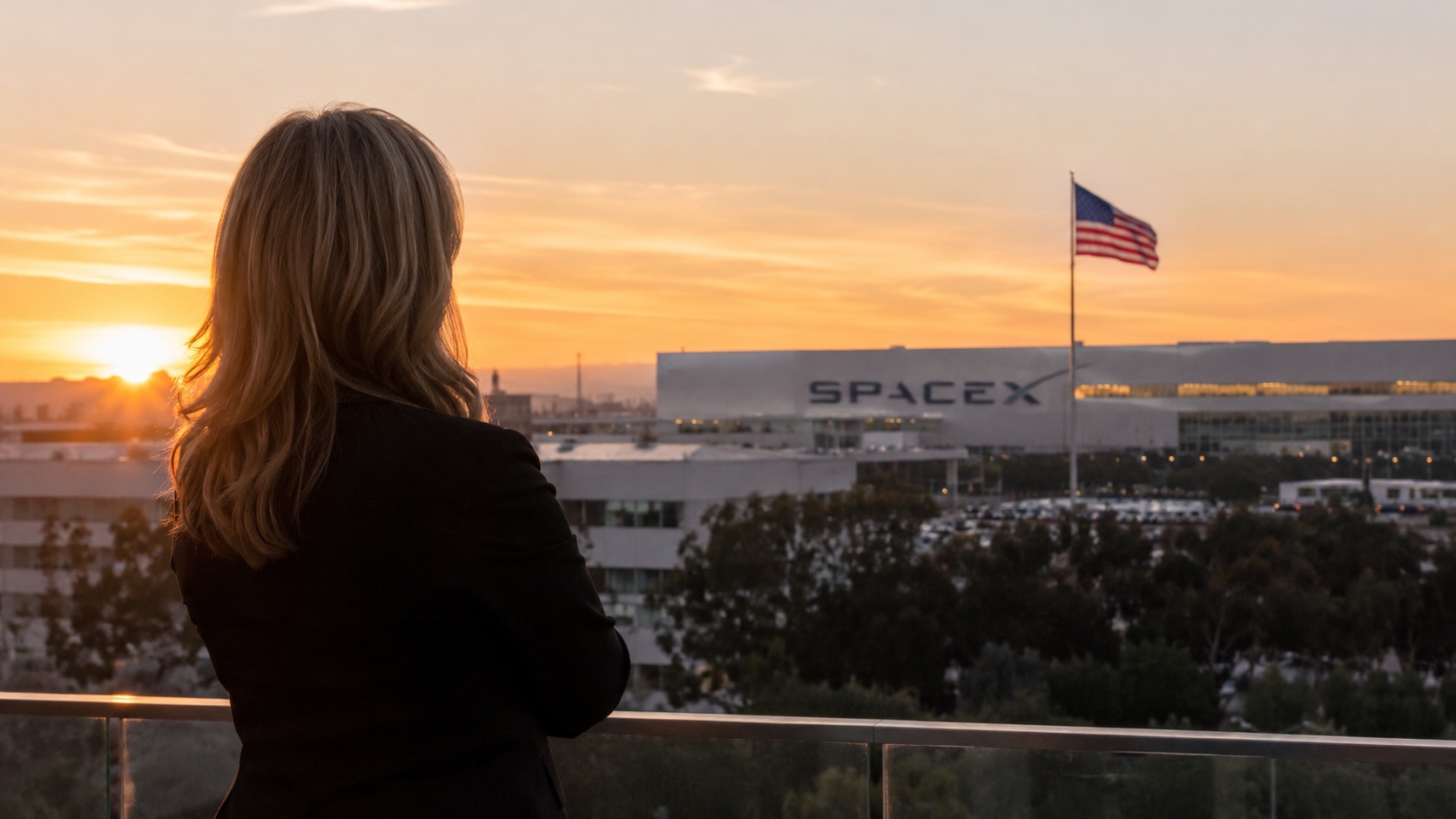
Musk’s dependence on Nvidia’s high-performance hardware has grown exponentially over the last two years. During the SpaceX earnings call in August 2026—the company’s first as a publicly traded entity—Musk explicitly stated that SpaceX would standardize its AI infrastructure exclusively on Nvidia’s Vera Rubin architecture. This hardware is considered the backbone of SpaceX’s future projects, including the "Starmind" orbital AI constellation. In October, the company solidified this commitment with a binding $40 billion lease agreement for Nvidia GPUs, with equipment delivery slated for the first half of 2027.
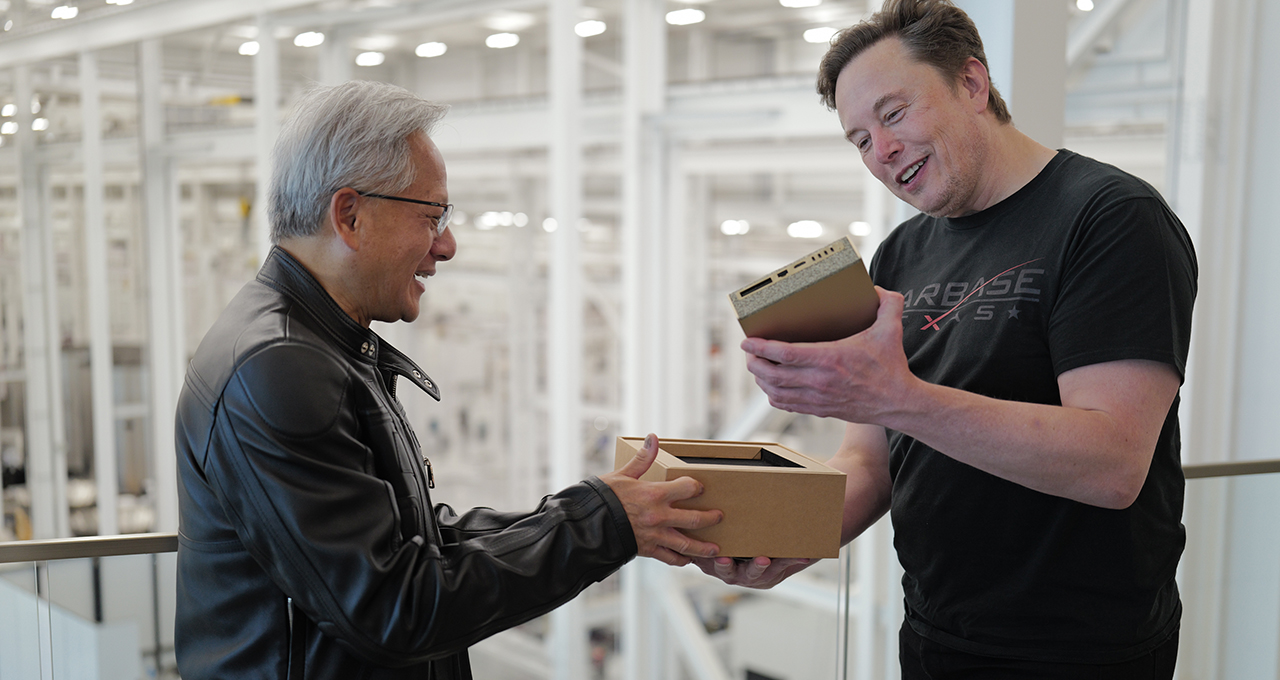
The partnership is anchored in a long history of mutual support. Huang has frequently recounted the 2016 anecdote in which he personally delivered the first DGX-1 AI supercomputer to Musk, at a time when the broader industry was skeptical of the potential for AI hardware. "Nobody wanted to be part of it, except for Elon," Huang noted during an appearance on the Joe Rogan Experience last year. Given that Nvidia represents the primary compute engine for Musk’s ambitions in both AI and space exploration, the potential instability at the top of the semiconductor giant represents a strategic risk for the entirety of the Musk corporate ecosystem.

Scaling the Compute Infrastructure
The scale of Nvidia’s hardware integration into SpaceX’s operations is massive. Recent internal reports suggest that SpaceX is currently commissioning between 200,000 and 220,000 Nvidia GB300 GPUs every month. By the end of 2026, the company expects to reach a "nameplate" compute capacity of 2.5 to 3 gigawatts. This infrastructure is central to the development of the $24 billion supercomputer campus at Starbase, Texas, which is currently undergoing rigorous regulatory review.
The Starbase project, which involves a massive natural gas power plant to feed the supercomputing facility, has become a lightning rod for environmental and economic debate. While the project is essential for Musk’s goal of achieving a 10-gigawatt compute capacity by 2027, it faces significant hurdles. These include local environmental protests, grid regulation shifts in Texas, and the political uncertainty following the recent electoral shift in the state’s gubernatorial office. Governor-elect Gina Hinojosa has indicated a more restrictive stance on data center approvals, potentially complicating the power-intensive development that necessitates such a heavy reliance on Nvidia’s chips.
Broader Implications for the Tech Landscape
The prospect of Jensen Huang leaving Nvidia raises fundamental questions about the stability of the global AI supply chain. As the primary provider of the processors fueling the AI revolution, Nvidia’s leadership transition is not just a corporate matter—it is a geopolitical concern. The reported connection to foreign intelligence services adds a layer of national security scrutiny that could invite intervention from federal regulators.
While Musk’s tweet has fueled speculation about a potential collaboration, the logistics of such a transition are fraught with complexity. Huang remains a significant shareholder, owning approximately 3.6 percent of Nvidia’s equity. His departure, if forced, could lead to a protracted legal or corporate battle, and any move to a new company would require him to navigate strict non-compete agreements and fiduciary duties.

For the moment, the tech industry remains in a state of suspended animation. The upcoming earnings call on November 17 will serve as a critical indicator of whether the company can maintain stability in the absence of clear leadership. For Musk, the situation serves as a stark reminder of the fragility of the supply chains upon which his most ambitious, multi-billion-dollar projects rely. Whether the "honor" of hiring Huang manifests as a formal offer remains to be seen, but the offer itself highlights a growing consolidation of influence among the world’s most powerful technological architects during a time of immense, and often turbulent, transition.
As the situation develops, industry experts will be watching the Nvidia board’s next moves closely. Any decision to replace Huang will likely trigger a re-evaluation of the entire AI hardware sector, potentially accelerating the trend toward vertical integration where companies like SpaceX seek to own more of their own computing destiny, or at least solidify the leadership of those who provide the critical infrastructure that defines the modern era of artificial intelligence.
Related posts: