Apple Expands Its True Apple Watch Story Campaign With New Testimonials Highlighting Life-Saving Health Alerts and Personal Fitness Transformations

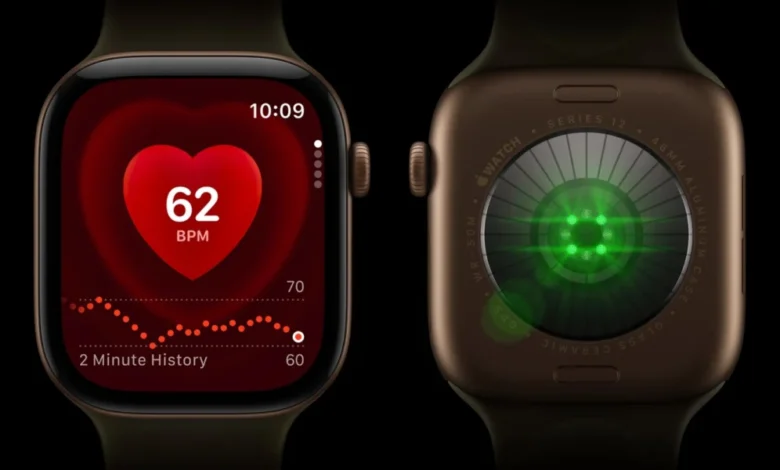
Apple has officially added two new gripping narratives to its ongoing promotional initiative, the True Apple Watch Story campaign. Released on the company’s primary YouTube channel, the latest installments focus on the tangible, real-world impact of the wearable device, emphasizing critical medical interventions and profound lifestyle overhauls. While consumer electronics marketing typically revolves around processor speeds, display metrics, and aesthetic redesigns, Apple continues to lean heavily into human-interest storytelling to underscore the practical utility of its hardware ecosystem.
The first of the newly published mini-documentaries centers on a user named Josh, who successfully navigated a monumental weight-loss journey from an initial baseline of approximately 340 pounds. The second narrative highlights Morgan, whose life was ostensibly saved when her device detected dangerous physiological anomalies, prompting medical evaluations that caught a severe, life-threatening infection before it proved fatal. These releases serve as the latest chapters in a rapidly expanding digital library of verified accounts where technology intersects with human survival and wellness.
The Evolution of Apple’s Human-Centric Marketing Strategy
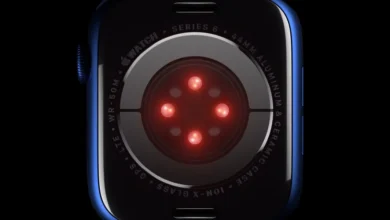
For years, Apple positioned the Apple Watch primarily as an extension of the iPhone—a convenient hub for notifications, messaging, and basic activity tracking. However, as the hardware evolved to incorporate increasingly sophisticated biometric sensors, the company’s marketing narrative shifted dramatically. The incorporation of optical heart rate sensors, electrocardiogram (ECG) capabilities, blood oxygen monitoring, and advanced accelerometer hardware fundamentally altered how consumers and medical professionals viewed the product.
This shift became particularly pronounced during major hardware announcements, most notably through the introduction of the "Dear Apple" video segments. Originally conceived as light-hearted presentations during keynote events where CEO Tim Cook would read letters from grateful customers, these segments quickly demonstrated profound resonance with audiences. Recognizing the emotional and commercial power of authentic consumer testimonials, Apple formalized the concept into dedicated promotional campaigns.

The strategy is not confined to Western markets. Earlier this year, Apple deployed a specialized campaign across China that similarly spotlighted emergency rescue stories and cardiac health interventions, complete with dedicated podcast tie-ins. By moving beyond traditional advertising and documenting genuine medical saves, Apple has successfully repositioned the smartwatch from a luxury gadget to an essential, preventative health tool.
Detailed Case Studies: Josh and Morgan
The newly released videos provide granular looks at two very different use cases: chronic health management and acute medical emergency response.
In the first video, Josh details his struggles with severe obesity, noting that his starting weight of 340 pounds presented substantial long-term risks to his cardiovascular and metabolic health. Rather than relying on drastic medical interventions immediately, Josh utilized the Apple Watch’s Activity Rings feature—a gamified system designed to encourage users to move, exercise, and stand throughout the day—to establish sustainable, incremental fitness habits. Over time, the constant feedback loop provided by the wearable acted as a behavioral catalyst, helping him regain control of his physical well-being.
Conversely, Morgan’s account highlights the life-saving capabilities of passive biometric monitoring. While feeling generally unwell, Morgan received high heart rate notifications from her Apple Watch. These persistent alerts prompted her to seek professional medical evaluation. Upon arrival at a healthcare facility, physicians diagnosed her with a severe kidney infection that had rapidly progressed to septic shock—a medical emergency characterized by a dangerously low blood pressure drop that can lead to multiple organ failure and death. Because the notification alerted her to internal physiological distress before outward symptoms became catastrophic, medical personnel were able to intervene in time.
These accounts mirror a growing body of documented incidents involving the Apple Watch. Previous installments in the True Apple Watch Story series include Connor’s cardiac health emergency and Amanda’s early detection of a rare form of cancer. Furthermore, technology journalists and casual users alike have frequently documented personal encounters with the device’s irregular rhythm notifications, often leading to diagnoses of atrial fibrillation (AFib) that might otherwise have gone unnoticed for years.

Broader Impact and Implications for Digital Health
The expansion of Apple’s testimonial campaign arrives at a critical juncture for the consumer wearable industry. As smartwatches and fitness trackers become increasingly sophisticated, the boundary between consumer electronics and medical devices continues to blur.
Medical researchers and cardiologists have increasingly acknowledged the utility of consumer-grade wearables in preliminary health screening. While regulatory bodies such as the U.S. Food and Drug Administration (FDA) classify features like the ECG app and irregular rhythm notifications as over-the-counter software functions rather than diagnostic tools, the real-world utility is undeniable. Millions of wrist-worn devices act as a continuous, passive surveillance network for millions of people, capturing transient physiological data that traditional episodic clinical visits frequently miss.
However, this technological shift brings notable challenges and responsibilities. Healthcare systems globally are grappling with the influx of patient data generated by consumer wearables. Physicians have expressed concerns regarding "alert fatigue," where false positives or benign anomalies generate unnecessary anxiety and flood emergency rooms with patients seeking reassurance. Conversely, as stories like Morgan’s demonstrate, the technology possesses a genuine capacity to bridge the gap between silent pathology and life-saving medical intervention.
By continuing to curate and broadcast these real-life narratives, Apple achieves multiple corporate objectives. From a marketing perspective, emotional testimonials build profound brand loyalty and consumer trust in a way traditional spec sheets cannot replicate. From a sociological standpoint, the campaign normalizes the integration of biometric monitoring into daily life, encouraging preventative health awareness among demographics that might otherwise neglect routine clinical screenings.
As the technology advances toward non-invasive glucose monitoring, blood pressure tracking, and deeper mental health analytics, the role of the smartwatch in personal healthcare will only expand. For now, campaigns like the True Apple Watch Story serve as a potent reminder that beneath the silicon chips, aluminum casings, and software updates lie life-altering consequences for individual users worldwide.