Google Pixel Watch gets step-by-step workout guidance with the November Pixel Drop

Evolution of the Google Fitness Ecosystem
Google’s foray into sophisticated health tracking has been characterized by a transition from basic activity logging to AI-assisted coaching. Over the past several months, the tech giant has aggressively integrated its proprietary Gemini AI model into the Google Health platform. The primary goal of this integration has been the creation of the Gemini-powered Google Health Coach, a tool capable of synthesizing a user’s recovery data, long-term fitness objectives, and daily scheduling to curate highly personalized exercise routines.
Historically, smartwatches have excelled at passive tracking—counting steps, monitoring heart rates, and estimating calories burned. However, the active management of complex lifting or circuit-training routines often forced users to reach for their phones to check the next set or log specific metrics. The new update shifts the center of gravity for these interactions back to the wrist, acknowledging that for most athletes, the watch is the primary interface during exercise.

Implementation of Step-by-Step Guidance
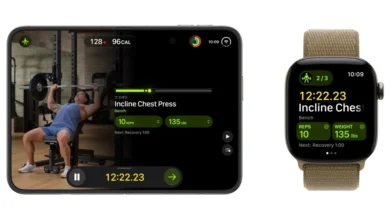
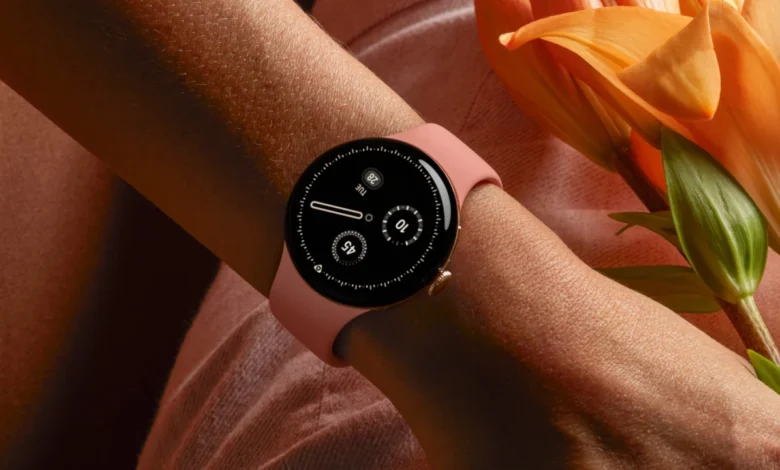
The new step-by-step workout feature is designed to act as a digital personal trainer. Users who have established custom workout routines via natural language prompts in the Google Health app will now find those same routines mirrored on their Pixel Watch.
When a user initiates a workout, the watch screen displays granular instructions for each movement. This includes real-time tracking of repetitions, sets, and weights, allowing for an uninterrupted flow. By removing the need to pivot between a handheld device and the watch, Google is aiming to improve the "time under tension" and overall efficiency of a user’s workout. These live metrics are synchronized across both the wearable and the paired smartphone, ensuring that data logging is consistent and immediate.
This functionality is currently being rolled out to the Pixel Watch 3 and subsequent models. While Google has not yet confirmed whether this feature will be gated behind a Google Health Premium subscription, industry analysts suggest that such advanced AI-driven coaching features typically align with the company’s tiered service model, which often reserves more robust data analytics for paying members.

Broader Software Enhancements and Future Integration
The November Pixel Drop serves as a broader consolidation of Google’s hardware capabilities. Beyond fitness, the update introduces "Gemini Call Screen" for the Pixel Watch 5. This feature leverages on-device AI to handle incoming communications by screening calls in real-time, providing the user with a brief summary of the caller’s intent before they choose to accept or decline. Initially, this feature is restricted to the United States market, reflecting the regulatory complexities involved in automated telephony services.
Furthermore, Google has outlined a roadmap for additional quality-of-life updates. Two notable features on the horizon include AI-powered Notification Summaries and "Phone to Watch Unlock." The former, expected to arrive with Wear OS 7.1, will utilize large language models to condense long, complex notification threads into digestible bullet points, preventing the "wrist clutter" often associated with modern messaging apps.
The "Phone to Watch Unlock" feature addresses the cumbersome process of entering PIN codes on a small touchscreen. By utilizing Ultra-Wideband (UWB) technology, the watch will be able to detect the proximity of a trusted, paired smartphone and automatically unlock, provided the user is in the vicinity. This feature, while highly convenient, will be subject to regional regulations governing UWB frequencies, potentially limiting its global rollout compared to software-only updates.

Industry Context and Competitive Landscape
The timing of these updates is significant. The wearable market has shifted from a focus on hardware aesthetics to a focus on software intelligence. Competitors such as Apple and Samsung have similarly been investing in "coaching" algorithms that move beyond simple data reporting to provide actionable, forward-looking advice.
The integration of Gemini into the wearable space represents Google’s attempt to leverage its massive AI infrastructure to create a "moat" around its product line. By offering a cohesive experience where the watch, the phone, and the cloud-based AI work in concert, Google is attempting to lock users into its ecosystem. The success of these features will likely depend on the reliability of the natural language processing (NLP) in noisy, high-activity environments, such as gyms or outdoor running tracks.
Analysis of Implications
The shift toward on-watch AI guidance has profound implications for both user behavior and data collection. As users become more reliant on the watch for specific instruction, the volume of high-quality, labeled exercise data flowing into Google’s servers will increase. This data is invaluable for training future iterations of health-focused machine learning models.

However, there are challenges. Battery life remains the perennial enemy of advanced wearable features. Processing complex AI summaries and providing real-time, persistent workout guidance requires significant computational power. Google’s ability to manage the power consumption of these new features on the Pixel Watch 3 and 5 will be a key metric for user satisfaction. If the watch dies before the workout ends, the utility of the new software will be severely undermined.
Furthermore, the introduction of features like "Phone to Watch Unlock" demonstrates a growing trend of "passive authentication." As users demand faster access to their devices, the security architecture must become more robust. The reliance on UWB for proximity sensing is a sophisticated approach, but it creates a hardware dependency that may alienate users with older, non-UWB-capable hardware.
Looking Ahead
As Google moves into the next phase of its wearable strategy, the focus will likely remain on reducing the "interaction cost" of using smart devices. The ultimate goal is a form of "ambient computing" where the technology disappears into the background of the user’s life, providing assistance only when requested or when data trends suggest it is needed.

For the fitness-conscious consumer, the November update is a clear signal that Google views the Pixel Watch not just as a health tracker, but as a proactive assistant. Whether it is through the precise logging of a bench press or the intelligent filtering of notifications during a commute, the company is betting that the most valuable wearable is the one that minimizes the cognitive load on the user.
As these features continue to proliferate, the distinction between a "smartwatch" and a "personal assistant on the wrist" will continue to blur. For the current user base, the immediate benefit is a more streamlined workout experience, but for Google, the rollout is a critical step in proving that its AI-first vision for hardware is not only viable but superior to the legacy systems of its competitors. As always, the success of these integrations will hinge on the balance between high-end features and the core requirement of any wearable: reliability, battery efficiency, and ease of use.