Apple Watch Series 12 and Apple Watch Ultra 4 Set to Receive Transformative Audio Intelligence Features via watchOS 27.3

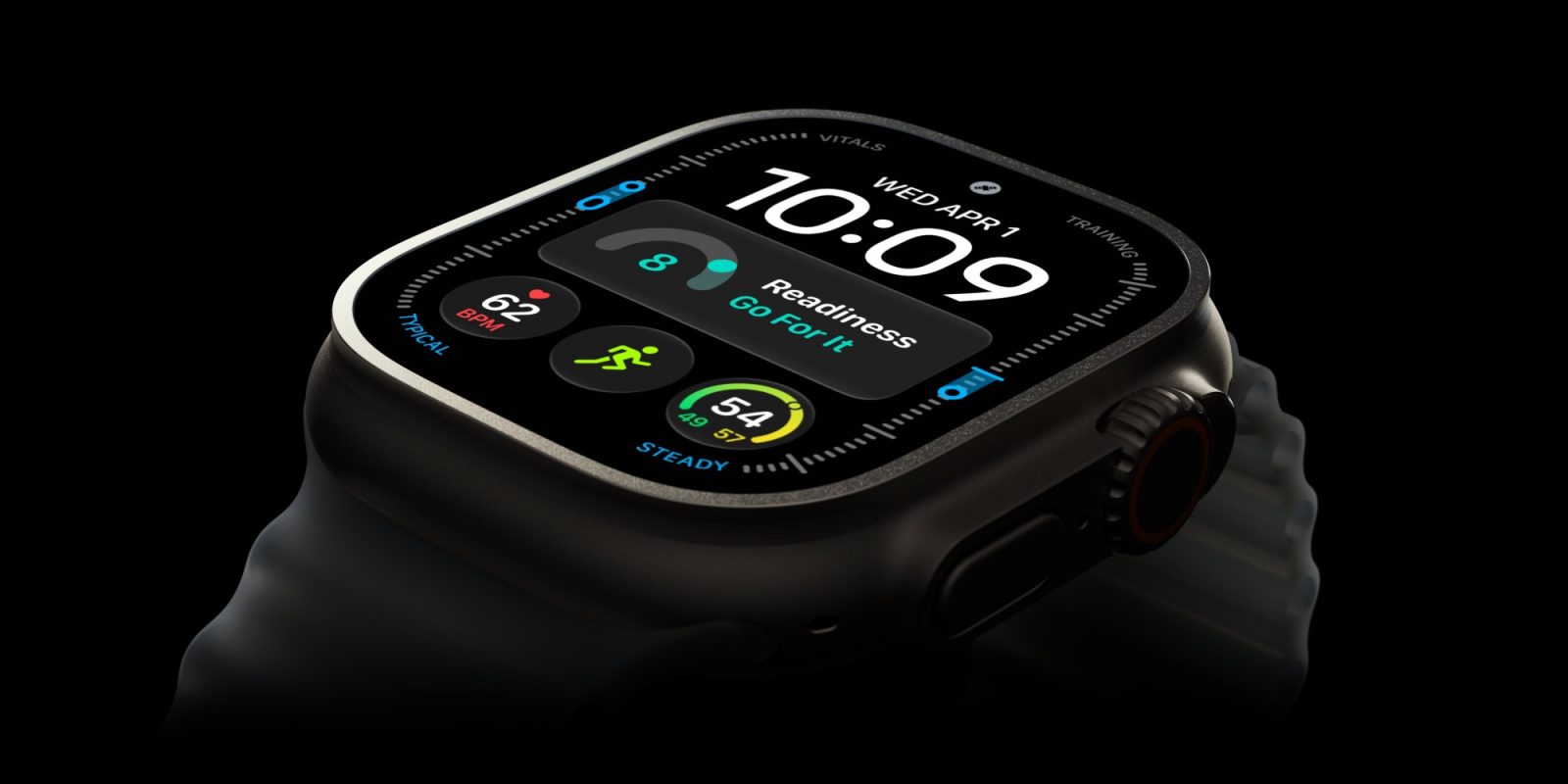
The landscape of wearable technology is undergoing a paradigm shift as artificial intelligence permeates devices previously reserved for basic notifications and fitness tracking. Apple Inc. has officially rolled out its flagship hardware for the season, the Apple Watch Series 12 and the rugged Apple Watch Ultra 4. While the initial hardware launches brought incremental improvements to display technology, battery life, and durability, the true generational leap is scheduled to arrive later this year via software. Cupertino has announced that a forthcoming update, widely anticipated to be watchOS 27.3, will introduce two revolutionary "Audio Intelligence" capabilities: Siri Recap and Live Rewind. These tools leverage on-device machine learning to fundamentally alter how users interact with spoken conversations, meetings, and fast-paced environments directly from their wrists.
Main Facts and Technological Overview
The integration of advanced artificial intelligence into the watchOS ecosystem represents a strategic pivot for Apple, moving the smartwatch from a passive health monitor to an active cognitive assistant. The two marquee features—Siri Recap and Live Rewind—utilize the enhanced neural processing units (NPUs) embedded within the S-series processors of the Apple Watch Series 12 and the Apple Watch Ultra 4.
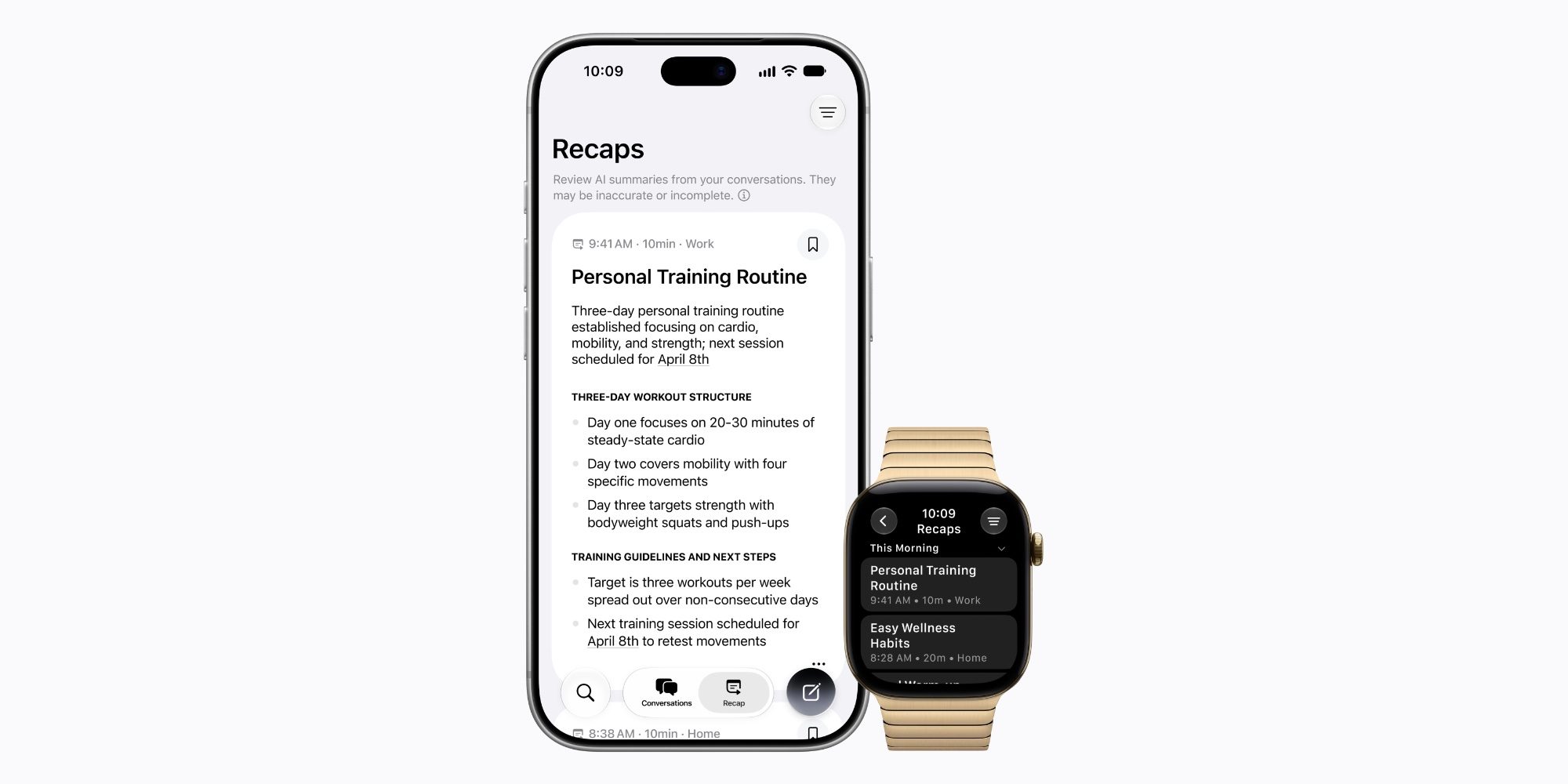
Siri Recap is designed to function as an ambient note-taker throughout the user’s day. Operating discreetly in the background, the feature listens to and processes daily conversations, distilling them into high-level, Apple Intelligence-generated summaries. These summaries are intended to serve as memory joggers, allowing professionals, students, and busy individuals to stay mentally present in ongoing interactions without the anxiety
of forgetting critical details. To address mounting consumer anxieties regarding data privacy, Apple has instituted a strict retention policy: all generated summaries auto-delete after seven days unless the user explicitly chooses to save them.
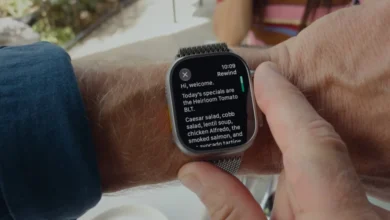
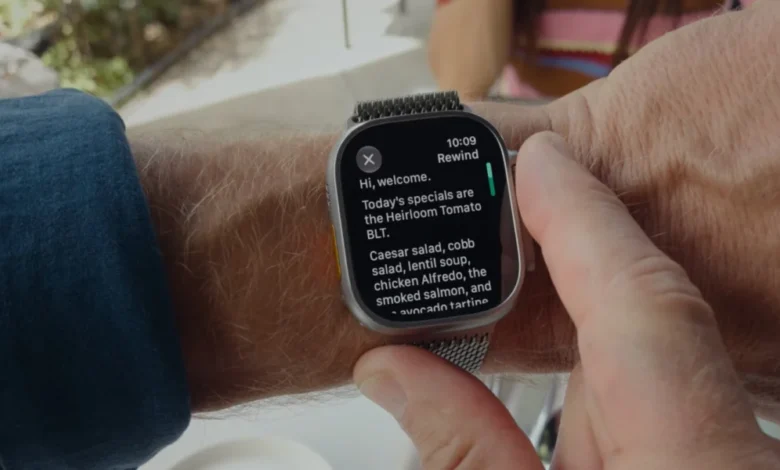
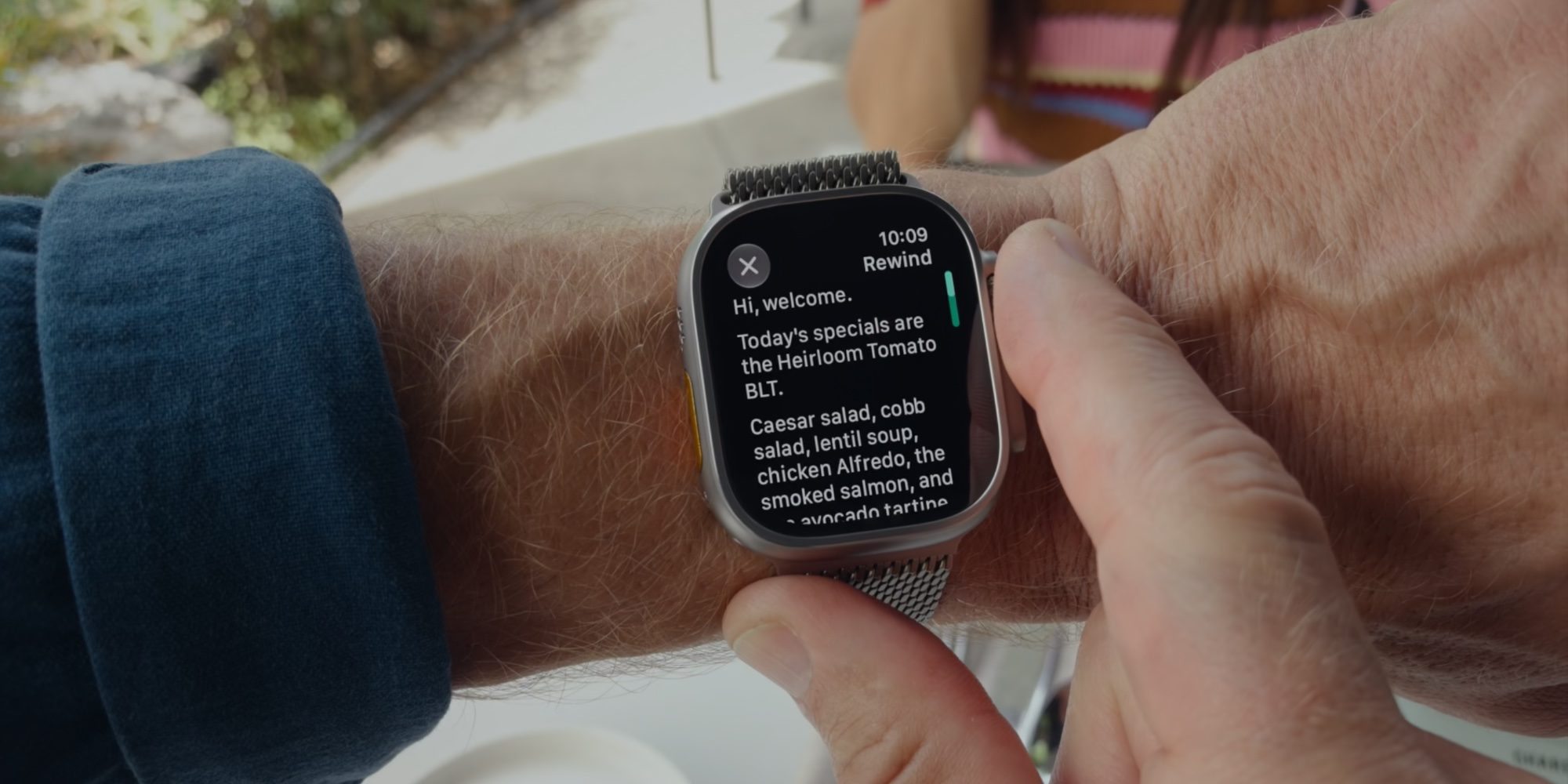
Complementing Siri Recap is Live Rewind, a tool tailored for immediate, short-term context recovery. When a user experiences a momentary lapse in attention—whether in a bustling boardroom, a crowded lecture hall, or a noisy street—a simple double-press of the Digital Crown summons a text snippet displaying the audio captured over the preceding 15 seconds. Users can immediately read the missed information, query Siri regarding the content of the snippet, or archive the text directly into the native Siri application for future reference.
Chronology and Release Timeline
The deployment of these features follows Apple’s meticulous, multi-phase release schedule for its annual software ecosystems. The foundational hardware, featuring the Apple Watch Series 12 and Apple Watch Ultra 4, made its official market debut in September, establishing the physical infrastructure required to handle complex on-device audio processing.
Following the hardware launch, Apple integrated broader Siri AI capabilities as a central tentpole of the watchOS 27 rollout. However, the more complex audio intelligence features, specifically Siri Recap and Live Rewind, were intentionally held back for a subsequent point release to ensure stability, hardware optimization, and rigorous privacy auditing. Industry analysts expect Apple to distribute the watchOS 27.3 beta to developers and public testers imminently, with a stable, public-facing release slated for late autumn. This timeline mirrors Apple’s historical precedent of rolling out marquee artificial intelligence capabilities incrementally rather than all at once during the initial operating system launch.
Supporting Data and Privacy Architecture
The introduction of ambient audio capture devices on the human body inevitably raises significant privacy concerns. Recognizing that continuous ambient listening could be perceived as invasive, Apple has proactively released a comprehensive technical white paper detailing the security architecture underpinning Siri Recap and Live Rewind.
According to Apple’s documentation, the processing required for both features occurs almost entirely on-device, utilizing localized neural networks rather than transmitting raw audio streams to cloud servers. This on-device processing paradigm ensures that personal conversations remain encrypted and localized to the user’s hardware. Furthermore, by enforcing a hard seven-day deletion limit on Siri Recap logs, Apple attempts to mitigate the risk of accumulated digital surveillance profiles. Industry security experts have noted that while the local processing model sets a high standard for consumer privacy, public adoption will heavily depend on consumer trust in Apple’s cryptographic safeguards and clear, transparent user controls.
Official Responses and Industry Context
While Apple has not yet hosted a dedicated developer panel specifically for these watch-centric audio tools, the corporation’s software engineering leadership has repeatedly emphasized that the overarching goal of Apple Intelligence is contextual utility combined with absolute privacy. Support documentation published concurrently with the hardware release highlights the company’s positioning of these tools as accessibility and productivity enhancers rather than mere novelty software.
Competitors in the wearable technology sector, including Samsung, Google, and Garmin, have increasingly experimented with health metrics and basic AI coaching routines. However, Apple’s aggressive push into real-time audio intelligence and conversational summarization on a form factor as constrained as a smartwatch establishes a distinct technological lead. Analysts suggest that if Siri Recap and Live Rewind prove reliable in real-world testing, competing ecosystems will be forced to accelerate their own ambient computing roadmaps to match consumer expectations.

Broader Impact and Industry Implications
The rollout of Siri Recap and Live Rewind on the Apple Watch Series 12 and Apple Watch Ultra 4 signals a broader cultural and technological transition toward ambient computing. By placing conversational memory tools directly on the wrist, Apple is bridging the gap between human memory and digital record-keeping.
For professionals in fast-paced industries, journalists, researchers, and individuals with cognitive or auditory accessibility needs, these tools offer profound practical utility. Meetings can be absorbed more naturally, fleeting instructions can be recovered instantly, and complex dialogues can be reviewed without the friction of pulling out a smartphone or launching a dedicated recording app.
Nevertheless, the societal implications of widespread ambient listening devices cannot be ignored. Questions regarding social etiquette, consent in private conversations, and the psychological impact of living in an environment where casual dialogue is routinely summarized by an algorithm will undoubtedly dominate public discourse as the watchOS 27.3 update reaches millions of users worldwide. As beta testing commences, the tech community will closely monitor how these features perform in noisy, unpredictable real-world environments, setting the stage for the next major evolution in personal wearable technology.
Related posts: