Prominent IoT Journalist Stacey Higginbotham Announces Hiatus from Weekly Content Production, Shifts Focus to Consumer Advocacy

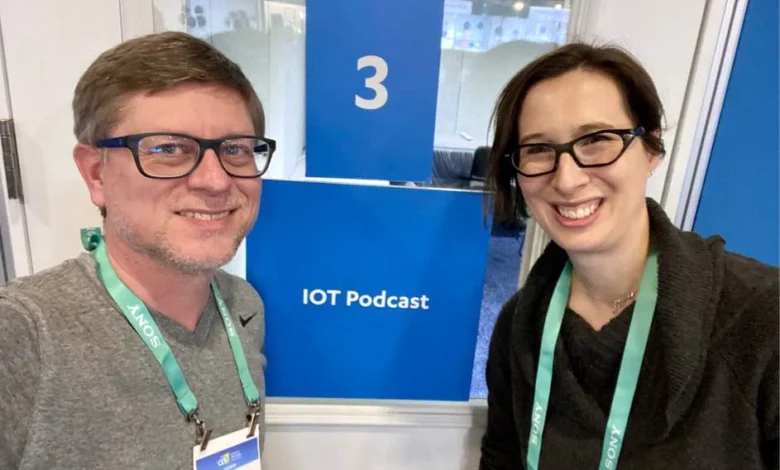
Industry veteran Stacey Higginbotham, a leading voice in the Internet of Things (IoT) landscape, has announced her decision to step back from producing her long-running weekly IoT podcast and accompanying newsletter, effective August 18, 2023. This strategic pivot, while marking the end of a consistent weekly output that has informed thousands of readers and listeners since 2016, is not a complete departure from the tech discourse. Higginbotham intends to maintain an active presence on platforms like Bluesky and may issue occasional newsletters when compelled by particularly significant developments. Crucially, her transition includes taking on a consulting role with the Consumer Reports Innovation Lab, where she will concentrate on the critical cybersecurity and privacy challenges inherent in connected devices, signaling a deeper dive into the ethical implications she has consistently highlighted throughout her career.
Higginbotham’s decision stems from a candid acknowledgment of burnout and increasing cynicism regarding the current trajectory of technological innovation, despite her fundamental love for technology and belief in its problem-solving potential. Her move reflects a broader sentiment among long-time tech observers grappling with the rapid pace of development, the complex ethical dilemmas it presents, and the challenges of maintaining objective enthusiasm in an often-hyped industry.
A Decade of Dedicated IoT Coverage: From Fortune to Independent Authority
Stacey Higginbotham’s journey into the heart of the Internet of Things began long before the term became a mainstream buzzword. Her professional career as a journalist spans over two decades, characterized by an acute focus on technology and its societal impact. In 2016, Higginbotham made a pivotal decision, departing from her role as senior editor at Fortune to embark on an independent venture dedicated exclusively to the burgeoning field of IoT. This move was met with skepticism by some, who questioned the wisdom of leaving an established publication for the uncertain path of independent media. However, Higginbotham was driven by a clear vision: to "really dig into the issues that would arise when we added computing to everything, be it technological or social."
Her independent platform, "Stacey on IoT," quickly became a respected resource, offering in-depth analysis, interviews, and critical commentary through its weekly newsletter and podcast. The venture flourished, attracting thousands of dedicated readers and listeners, alongside crucial support from sponsors. This success underscored the growing demand for nuanced, expert analysis in a field that was rapidly expanding but often lacked accessible, critical insight. Higginbotham’s ability to demystify complex technological concepts while simultaneously exploring their broader implications earned her a reputation as an indispensable guide for professionals and enthusiasts navigating the intricate world of connected devices. Her work provided a valuable counter-narrative to the often uncritical optimism surrounding new technologies, consistently foregrounding user experience, privacy, and security concerns.
The Evolution of IoT: Unpacking Promise and Peril
Higginbotham’s coverage of IoT effectively chronicled its evolution from nascent concept to pervasive reality. She began covering the smart home in 2012, an era when connected devices were largely seen as novelties promising convenience. From these early days, she recognized the inherent dualities: while smart devices offered tangible benefits, they also introduced new layers of complexity and potential risks.
The timeline of IoT development, as observed through her reporting, reveals a rapid acceleration:
- Early 2010s (2010-2014): Initial consumer smart home products emerge (e.g., Nest thermostat, early smart lights). Industrial IoT (IIoT) begins to gain traction in specific sectors like manufacturing and logistics. Focus is on connectivity and basic automation.
- Mid-2010s (2015-2018): Market expansion with a proliferation of smart speakers (Amazon Echo, Google Home), wearables, and connected appliances. The concept of a "smart city" gains momentum. Concerns about data privacy and security start to become more prominent as more devices collect personal information. Higginbotham’s independent platform launched during this period, perfectly positioned to analyze this explosive growth.
- Late 2010s to Early 2020s (2019-Present): IoT matures, moving beyond just consumer gadgets to deeply integrate into critical infrastructure, healthcare, and enterprise operations. Edge computing and AI integration become key trends. The ethical implications of ubiquitous sensing, algorithmic decision-making, and large-scale data aggregation become central to the discourse. This is the period where Higginbotham’s critical perspective became even more vital, as the "potential risk of government or corporate surveillance" she foresaw became more concrete.
Throughout this period, Higginbotham meticulously documented how the business models underpinning connected devices began "toggling between pricey subscriptions and rampant data grabs." This observation highlights a fundamental tension: companies often sought to monetize user data, raising questions about data ownership, consent, and the true cost of "free" or low-cost smart devices. The implications extended beyond the home, as new technologies were increasingly deployed in workplaces to monitor employees, often pushing them "to their absolute limits while optimizing mostly for the bottom line." This raised significant ethical questions about worker surveillance, algorithmic management, and the erosion of privacy in professional environments.
Supporting Data: The Expanding IoT Landscape and Its Challenges
The growth of the Internet of Things has been exponential, validating Higginbotham’s early commitment to the sector. According to various industry reports, the global IoT market size, valued at hundreds of billions of dollars in the early 2020s, is projected to reach several trillion dollars by the end of the decade, with the number of connected devices expected to exceed 50 billion globally. This proliferation spans smart homes, smart cities, connected vehicles, industrial automation, and healthcare.
However, this growth is not without its significant challenges, many of which Higginbotham has tirelessly illuminated:
- Privacy Concerns: A 2023 survey by Statista indicated that over 60% of consumers are concerned about the privacy of their data collected by smart devices. Each connected device, from smart thermostats to security cameras, collects a wealth of personal information, creating a vast attack surface for data breaches and potential misuse.
- Cybersecurity Risks: The sheer volume and diversity of IoT devices make them difficult to secure, often leading to vulnerabilities that can be exploited by malicious actors. High-profile incidents of smart devices being compromised for botnets or unauthorized access to homes underscore the critical need for robust security standards.
- Ethical Implications of Data Usage: Beyond explicit breaches, the aggregated data from IoT devices can reveal intimate details about individuals’ lives, habits, and preferences. This raises concerns about targeted advertising, discriminatory practices, and the potential for surveillance by both corporations and state actors.
- Environmental and Social Governance (ESG): While corporations increasingly invest in technology for carbon reduction and efficiency as part of ESG initiatives, Higginbotham expressed skepticism, fearing it often amounts to "too little, or a way to greenwash activities that we shouldn’t be doing in the first place." This points to the need for deeper systemic change rather than superficial technological fixes in addressing pressing environmental and social issues.
- User Experience Complexity: Despite promises of simplicity, many smart devices add complexity to users’ lives due to interoperability issues, frequent updates, and often unintuitive interfaces. This friction undermines the value proposition and leads to consumer frustration.
The Toll of Scrutiny: Burnout and the Search for Renewed Enthusiasm
Higginbotham’s decision to step back is deeply personal, rooted in the emotional and intellectual toll of continuously dissecting a field laden with such complexities. "I’m burned out, and increasingly cynical when it comes to new startups or research," she stated. This sentiment, while personal, resonates with a broader trend among journalists and analysts immersed in fast-paced technological sectors. The relentless cycle of product launches, venture capital funding, and market hype, often juxtaposed against persistent ethical failures and a slow pace of regulatory response, can lead to disillusionment.
Her love for technology and human ingenuity remains unwavering, but the constant exposure to its darker implications—from privacy invasions to exploitative labor practices enabled by IoT—has dulled her ability to "get excited about the truly good ideas out there." This burnout is not merely fatigue; it is a critical disengagement that prevents her from fully appreciating the innovative potential that still exists. The hiatus, therefore, is a strategic pause designed to allow for reflection, rejuvenation, and a renewed perspective that might enable her to once again see stories she "cannot wait to explain and share with everyone."
A New Chapter: Advocating for a Safer, More Secure IoT with Consumer Reports
The shift in Higginbotham’s professional focus is not a retreat from the challenges of IoT but rather a strategic realignment towards direct advocacy. Her new consulting role with the Consumer Reports Innovation Lab is a logical progression of her long-standing commitment to consumer welfare, privacy, and security in the connected world. Consumer Reports, a venerable non-profit organization, has a distinguished history of providing independent product testing, investigative journalism, and consumer advocacy. By joining their Innovation Lab, Higginbotham will leverage her unparalleled expertise to directly influence the development of safer, more secure, and more privacy-respecting connected devices.
In this capacity, she will focus specifically on cybersecurity and privacy issues associated with connected devices. This involves researching vulnerabilities, evaluating company data practices, advocating for stronger industry standards, and informing policy recommendations that protect consumers. Her deep understanding of the IoT ecosystem, from its technological underpinnings to its market dynamics and societal impacts, will be invaluable in shaping Consumer Reports’ initiatives in this critical area. This move underscores a growing recognition that independent reporting alone, while crucial, must be complemented by active engagement with organizations dedicated to systemic change and consumer protection.
Broader Implications: For the IoT Community and Independent Journalism
Higginbotham’s hiatus marks a significant moment for the IoT community. The loss of her weekly, consistent critical voice will undoubtedly leave a void. Her platform was a vital forum for nuanced discussion, often providing a counterpoint to industry narratives and highlighting overlooked concerns. Her transition reflects a maturing industry where the conversation needs to move beyond simply "what can be connected" to "how can it be connected responsibly and ethically."
For the landscape of independent tech journalism, her journey serves as both an inspiration and a cautionary tale. Her success in building a thriving, self-sustaining media venture demonstrated the power of niche expertise and direct audience engagement. However, her eventual burnout also highlights the immense pressures and mental toll involved in maintaining a critical, independent perspective in a rapidly evolving, often overwhelming, technological environment. It underscores the need for sustainable models for independent media that allow for both deep dives and personal well-being.
Ultimately, Stacey Higginbotham’s transition signals a broader shift in how society is grappling with the pervasive nature of IoT. As connected devices become integral to daily life, the focus must move from pure innovation to ensuring these technologies serve humanity’s best interests, protecting fundamental rights like privacy and security. Her continued engagement, albeit in a different capacity, ensures that her invaluable insights will still contribute to shaping a more responsible and equitable future for the Internet of Things. She remains eager to hear from stakeholders and individuals about their experiences, inviting ongoing collaboration via [email protected], as the collective effort to make connected devices safer, more secure, and better for everyone continues.