Transport giant buys Australia’s first solar-powered battery-electric refrigeration unit after 1,671 km freight trial

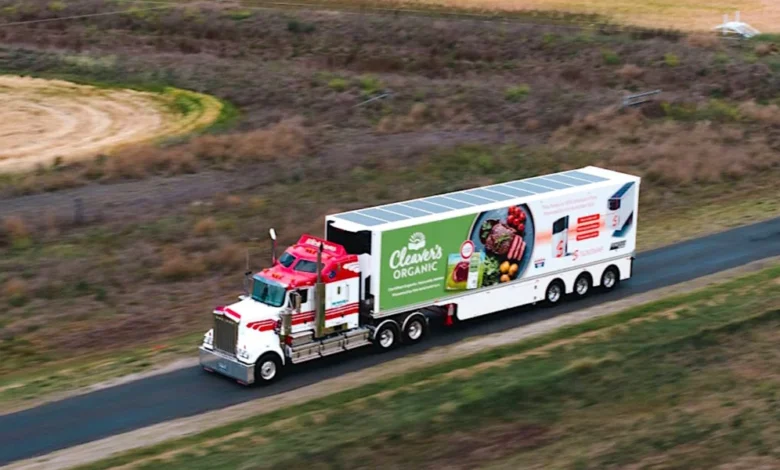
The transition toward sustainable commercial logistics in the Southern Hemisphere has reached a significant milestone with the commercial deployment of Australia’s first regular-production, solar-powered, battery-electric trailer refrigeration unit (TRU). Family-owned transport and logistics leader Wickham Freight Lines has officially integrated the revolutionary technology into its active fleet following a rigorous, cross-country trial. This development addresses one of the most stubborn environmental challenges in the heavy transport sector: the heavy reliance on auxiliary fossil-fuel generators to maintain cold-chain integrity for perishable goods.
Traditional refrigerated transport, commonly known as the "reefer" sector, has long operated as a major contributor to urban and rural air pollution. While the primary mover—the semi-truck itself—has seen progressive advancements toward hybridization and full electrification, the trailers they tow typically rely on independent, diesel-powered generator sets. These auxiliary units frequently burn high-sulfur, red-dye diesel continuously over multi-day journeys, operating around the clock regardless of whether the main vehicle is in motion or parked. Consequently, these generators emit significant quantities of carbon dioxide (CO2), particulate matter, and nitrogen oxides (NOx) directly into sensitive distribution hubs, loading docks, and residential neighborhoods. Furthermore, the constant mechanical hum of diesel engines generates substantial noise pollution, an issue drawing increasing scrutiny from municipal regulators worldwide.
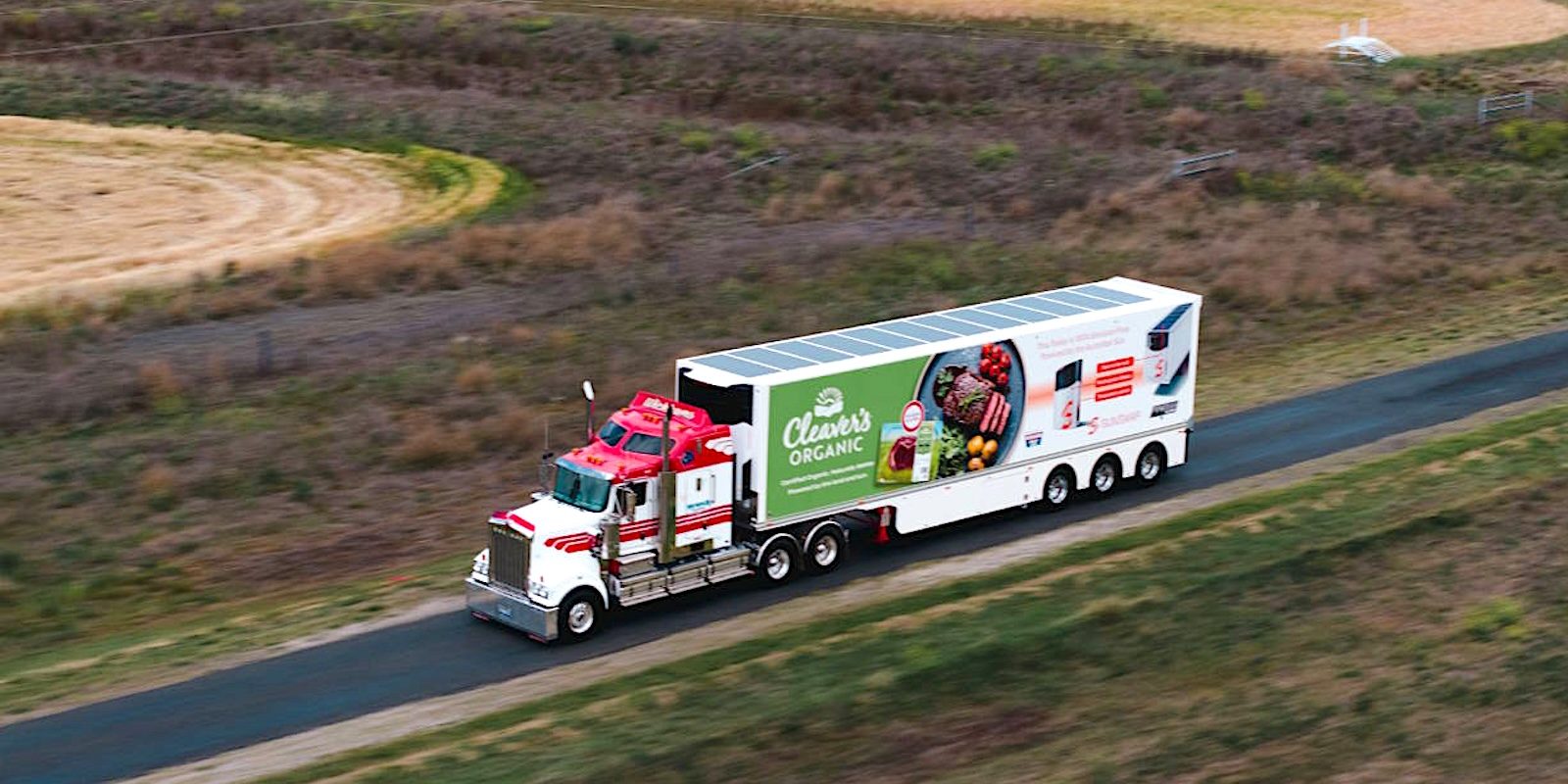
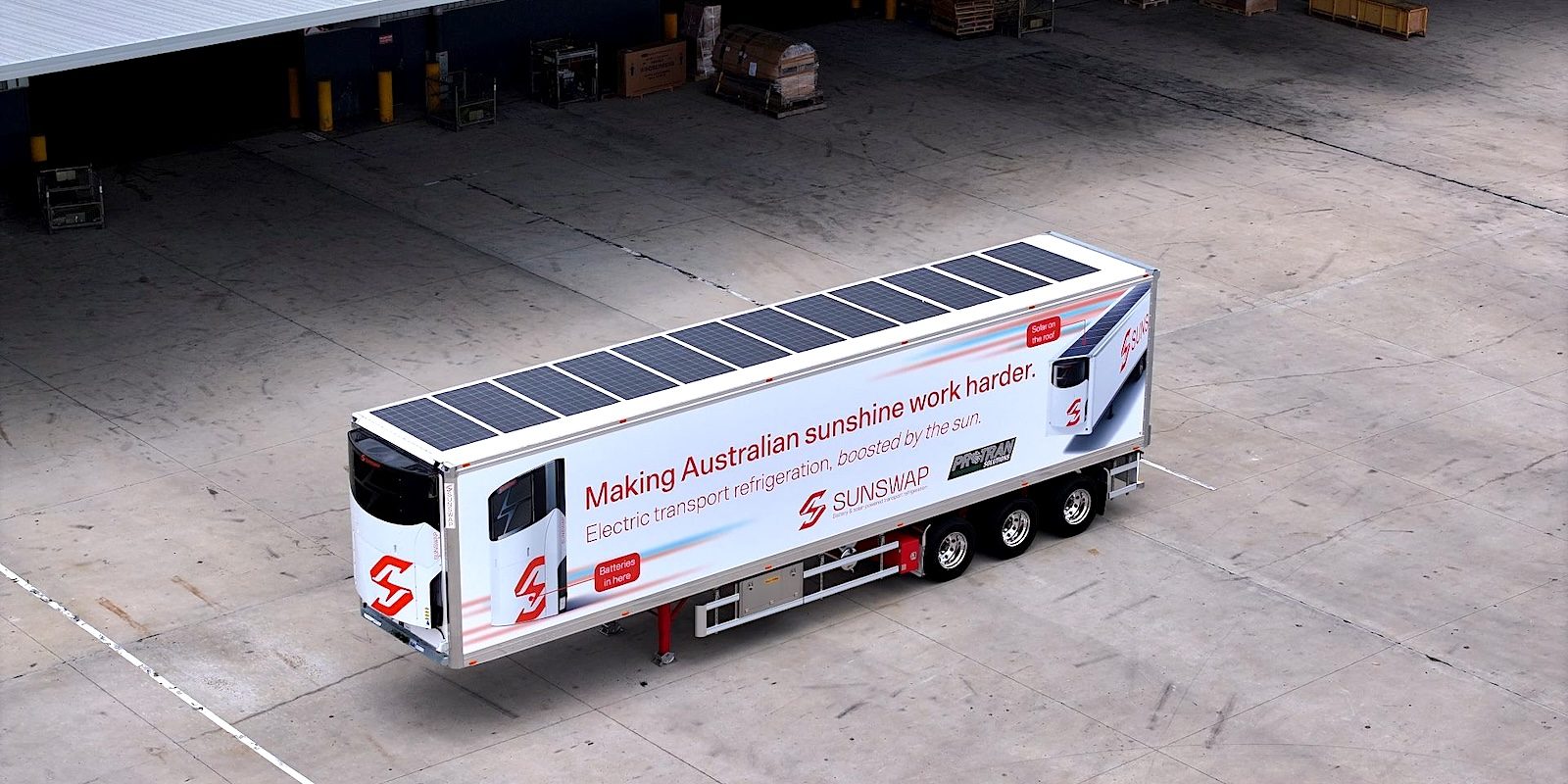
The introduction of the Sunswap Endurance system offers a viable technological antidote to this environmental dilemma. Engineered to harness solar energy and store it via high-capacity onboard battery systems, the Endurance unit is capable of maintaining precise temperature controls for sensitive cargo—such as fresh produce, meat, and pharmaceuticals—without burning a single drop of diesel fuel.
Rigorous Field Testing Sets the Stage
The path to commercial adoption for Wickham Freight Lines involved a comprehensive testing phase designed to push the hardware to its operational limits. To evaluate the resilience and reliability of the Sunswap Endurance, the transport company deployed the unit on a grueling 1,670-kilometer (approximately 1,040-mile) round-trip route between Sydney and Brisbane during the height of the Australian summer.
Spanning more than 30 hours of continuous driving and variable weather conditions, the trial was structured to replicate the worst-case operational scenarios typical of the nation’s demanding east coast freight corridors. Transport executives challenged the technical crew and the hardware to handle standard workloads without concessions. To the surprise of fleet operators, the solar-electric refrigeration unit completed the demanding multi-day transit with more than 65 percent of its primary battery capacity still intact, demonstrating exceptional energy harvesting capabilities and thermal efficiency.
Graham Keogh, Director at Wickham Freight Lines, noted the pragmatic approach taken during the evaluation. "I put the Sunswap Endurance into the fleet and told the team to stretch it—treat it as a normal unit," Keogh stated following the successful conclusion of the trial. "We were genuinely impressed. I’m a true believer. I love the technology, and I’m not a true tech person whatsoever. You can just see that it’s a winner… the performance, reliability, and operational savings were beyond what we expected."
Industry Evolution and Technological Origins
The commercial debut of the Sunswap Endurance in the Australian market follows its formal public introduction at the HVIA TruckShowX event held in the Hunter Valley. The showcase brought national attention to the device’s deceptively simple yet highly sophisticated architecture. By combining high-efficiency photovoltaic panels integrated directly onto the roof of the trailer with a robust battery-electric powertrain, the system continuously replenishes its reserves using ambient sunlight while operating.
For a prominent enterprise like Wickham Freight Lines, which manages an extensive heavy-vehicle fleet dedicated to cold-chain logistics across Australia’s eastern seaboard, the financial and operational calculations extended far beyond simple environmental stewardship. The enterprise-level decision to invest in the technology underscores a growing corporate alignment between economic viability and sustainability. As fuel volatility and maintenance overhead associated with small combustion engines continue to impact profit margins, electrified alternatives present a compelling economic case.

Broader Implications for the Cold Chain Industry
The deployment of Australia’s first solar-powered reefer signals a broader transformation within the international logistics landscape. Regulatory bodies across various jurisdictions are steadily tightening emissions standards, introducing low-emission zones in major metropolitan centers, and penalizing excessive idling and auxiliary engine use. Transport operators face mounting pressure to decarbonize every component of their supply chains, making auxiliary power units a primary target for emission reductions.
Beyond emissions compliance, the operational shift toward solar-electric TRUs delivers distinct advantages in maintenance simplicity. Traditional diesel refrigeration units feature complex internal combustion engines requiring frequent oil changes, filter replacements, and mechanical servicing. Electric alternatives, conversely, feature significantly fewer moving parts, drastically reducing lifecycle maintenance expenditures and minimizing unexpected roadside downtime.
The successful completion of the Sydney-to-Brisbane trial and the subsequent commercial purchase by Wickham Freight Lines establish a clear precedent for other fleet operators in the region. As supply chain stakeholders seek out resilient technologies capable of withstanding harsh geographic and climatic conditions, innovations like the Sunswap Endurance are poised to transition from experimental novelties to industry standards, fundamentally redefining how temperature-sensitive freight is transported across vast distances.