Xbox Black Friday deals offer significant savings on games and peripherals despite console price stagnation


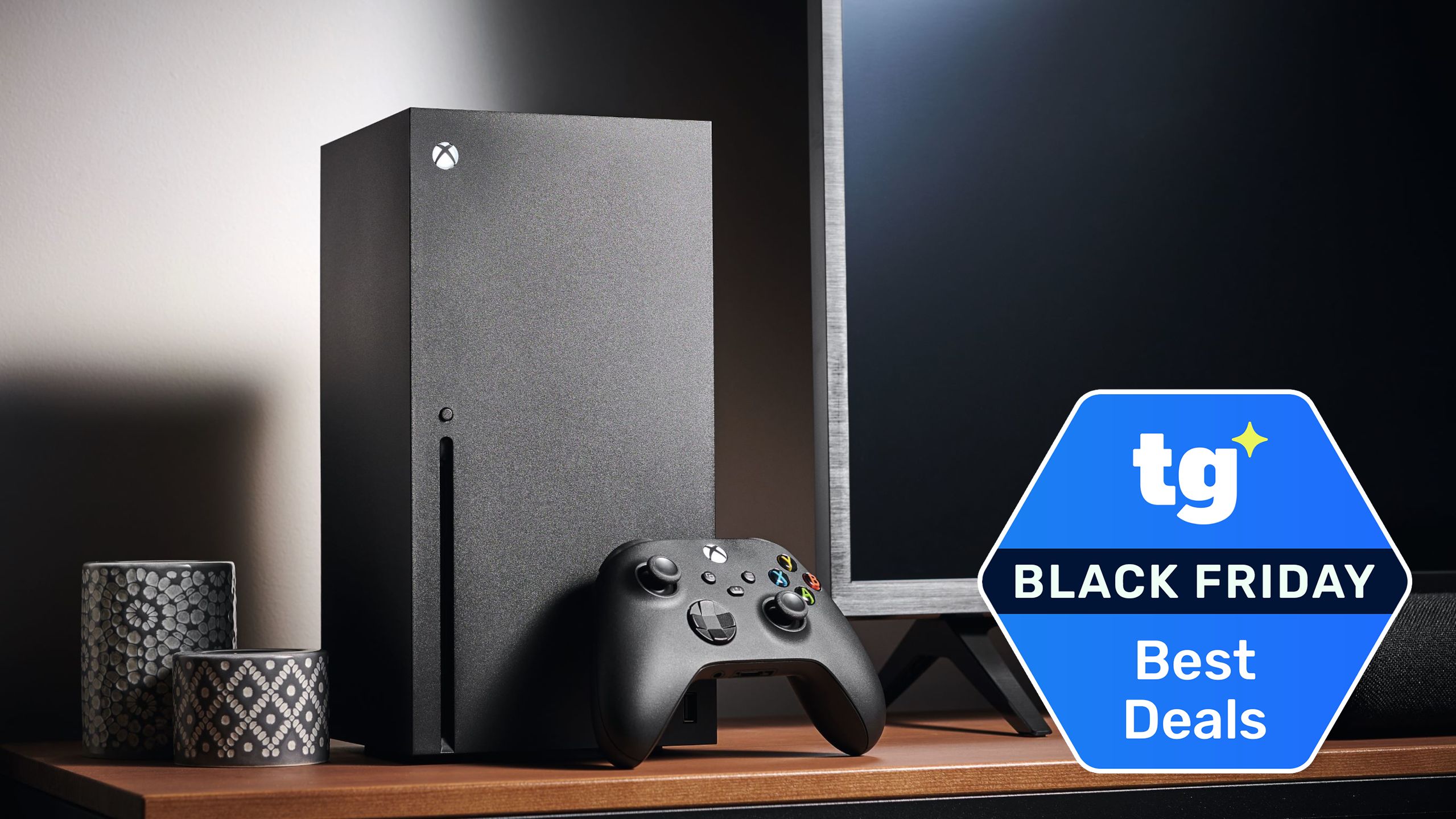
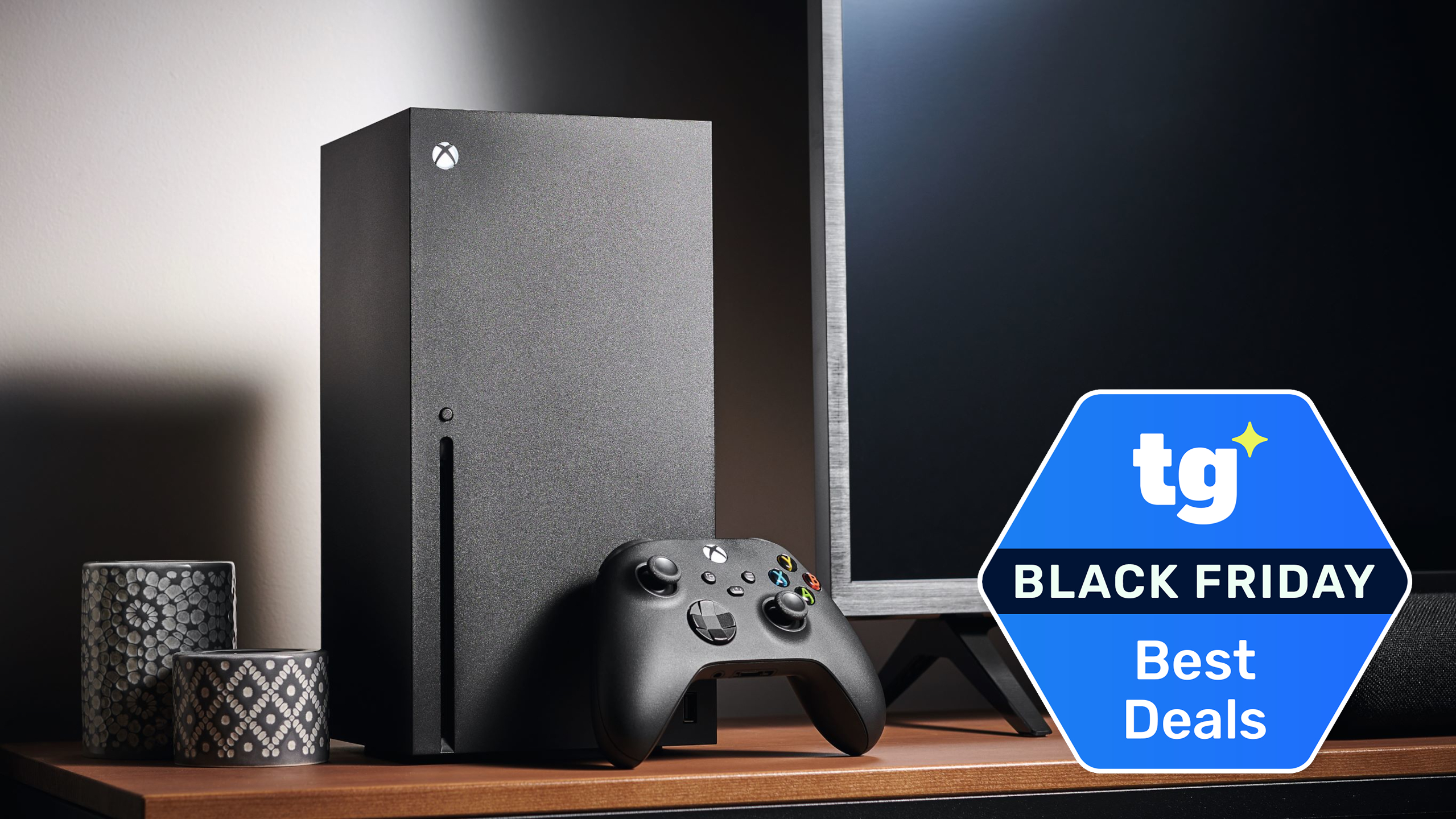
Black Friday 2024 has officially arrived, bringing with it the annual surge of consumer electronics promotions that define the holiday shopping season. For the gaming community, this period typically serves as the primary window for retailers to clear inventory and incentivize new hardware adoption. However, the current retail landscape for Microsoft’s Xbox ecosystem presents a unique dichotomy: while software and accessory prices have plummeted, the primary hardware—the Xbox Series X and Series S consoles—has remained conspicuously absent from the steep discounts often expected during this promotional window.
This anomaly is largely attributed to the ongoing "RAMageddon" crisis of 2026, a global supply chain disruption impacting the production of high-performance memory modules. As semiconductor fabrication plants struggle to meet demand for AI-driven infrastructure and mobile technology, the cost of the specialized RAM required for high-end gaming consoles has spiked, forcing manufacturers to hold prices steady to protect razor-thin profit margins on hardware units. Consequently, the focus for Xbox enthusiasts this Black Friday has shifted decisively toward digital libraries, physical game copies, and peripheral upgrades.
The Landscape of Current Promotions
Retailers such as Amazon, Target, and Best Buy have pivoted their marketing strategies to emphasize value-added bundles and direct discounts on non-semiconductor-heavy items. Consumers looking to enhance their existing setups are finding significant price reductions on essential hardware accessories.
Current market data indicates that the standard Xbox Wireless Controller, a staple for both console and PC users, has seen a price reduction of approximately $20. Similarly, the premium audio segment is seeing competitive activity, with the SteelSeries Arctis Nova 5X headset currently retailing for $99. These peripherals, which rely less on the high-cost memory chips currently creating supply bottlenecks, remain the primary vehicle for holiday-driven hardware sales.
Software, the most fluid segment of the market, is experiencing its most aggressive pricing of the year. High-profile titles, including The Game Awards nominees and critical successes like Resident Evil: Requiem, have dropped to $39. Capcom’s Pragmata has also seen a $20 reduction, reflecting a broader trend where publishers utilize the Black Friday window to drive player acquisition numbers for titles that may have plateaued in their initial launch phase. Additionally, subscriptions such as the 12-month Xbox Game Pass Ultimate have seen marginal but welcome price adjustments, reflecting Microsoft’s continued strategy of prioritizing service-based revenue over hardware-based margins.
Chronology of the 2026 Retail Cycle
The current retail cycle did not emerge in a vacuum. The trajectory of the 2026 shopping season was established throughout the preceding three quarters:
- Q1-Q2 2026: Initial reports of the RAM supply crisis began to surface, with industry analysts predicting a 15-20% increase in component costs.
- Q3 2026: Major hardware manufacturers, including Microsoft and Sony, adjusted their supply chain logistics to prioritize enterprise and AI-focused hardware, resulting in a tightening of supply for consumer gaming consoles.
- October 2026: Retailers began signaling that "doorbuster" deals on consoles would be limited or non-existent, preparing consumers for a shift in promotional focus.
- November 2026 (Black Friday Week): The current promotional structure solidified, with discounts concentrated on software, controllers, and audio equipment, confirming the industry’s pivot away from hardware-loss-leader strategies.
The Impact of the RAMageddon Crisis
The term "RAMageddon" refers to a perfect storm of factors: a surge in demand for High Bandwidth Memory (HBM) by data center operators and a strategic realignment of manufacturing capacity toward higher-margin silicon. For the average consumer, this translates to a period of "hardware stagnation."
In previous years, Black Friday was synonymous with console bundles that included free games or significant cash discounts. This year, the lack of such deals is an indicator that Microsoft and its retail partners have determined that the current cost of manufacturing makes discounting hardware untenable. By maintaining the MSRP on the Xbox Series X and S, manufacturers are attempting to avoid the fiscal damage of selling units at a loss during a period of high component inflation.
Economic analysts suggest that this strategy is a rational response to current market conditions. By maintaining hardware prices, companies protect their balance sheets while simultaneously using deep discounts on software and accessories to maintain consumer engagement. This keeps the user base within the ecosystem, ensuring that when the supply chain eventually stabilizes, the installed base of console owners remains primed to purchase hardware upgrades or future high-margin titles.
Strategic Implications for the Gaming Sector
The focus on software and accessories has broader implications for the gaming industry’s business model. There is a clear shift toward "Service-as-a-Product" (SaaP) and ecosystem retention. By offering discounts on Game Pass subscriptions and standalone games, Microsoft is effectively lowering the barrier to entry for the software side of the business, even as the hardware barrier remains high.
For the consumer, this creates a "wait-and-see" environment. Many prospective buyers who were holding out for a console deal may now opt to delay their purchase until the first quarter of 2027, provided that the supply chain constraints ease. However, for those already in the ecosystem, the current sales represent a rare opportunity to complete their gaming library and upgrade their peripherals at a lower total cost of ownership.
Industry and Expert Perspectives
While official statements from major console manufacturers have been sparse regarding the specifics of the supply chain, industry analysts have been vocal about the implications.
"The industry is currently in a defensive posture," noted a senior analyst at a leading retail research firm. "When you cannot discount the core product, you lean into the periphery. The goal is to ensure that the customer remains invested in the ecosystem. If they can’t buy a new console today, they should at least be playing a new game on their old one."
From the perspective of third-party publishers, the aggressive discounting of software during this window is vital. With the market saturated with content, the Black Friday period provides the necessary visibility for titles to reach a wider audience. The $20 off mark for titles like Pragmata is a calculated maneuver to move units in volume, offsetting the lower per-unit profit with increased market penetration.
Future Outlook and Recommendations
As we look toward the remainder of the holiday season and into 2027, the market is expected to remain constrained by the same supply-side factors. Consumers should not expect a sudden return to the $100+ discounts on hardware that characterized the late 2010s. Instead, the "new normal" for gaming retail appears to be high-frequency, high-depth discounting on software and services, coupled with stable, premium-tier pricing for hardware.
For those planning to make purchases during this cycle, the recommendation from retail experts is to prioritize "future-proofing" accessories. Investing in high-quality headsets, extra controllers, and storage solutions—which are currently seeing some of the best discounts in years—is a sound strategy. For those in the market for a new console, if the hardware is not strictly necessary for immediate use, waiting until the supply chain for memory modules normalizes may be the most prudent financial decision.
As this, and future updates to the current retail landscape develop, consumers are encouraged to monitor retail aggregators and official manufacturer channels for shifts in availability. The gaming market is currently navigating a complex transition, and while the "traditional" Black Friday console deal may be absent, the opportunities for value in other sectors of the gaming experience remain robust. The resilience of the gaming sector in the face of these supply challenges demonstrates the enduring demand for interactive entertainment, even when the underlying hardware infrastructure faces unprecedented pressure.