Apple AirPods 5 Review: The New Benchmark for Affordable Audio Performance


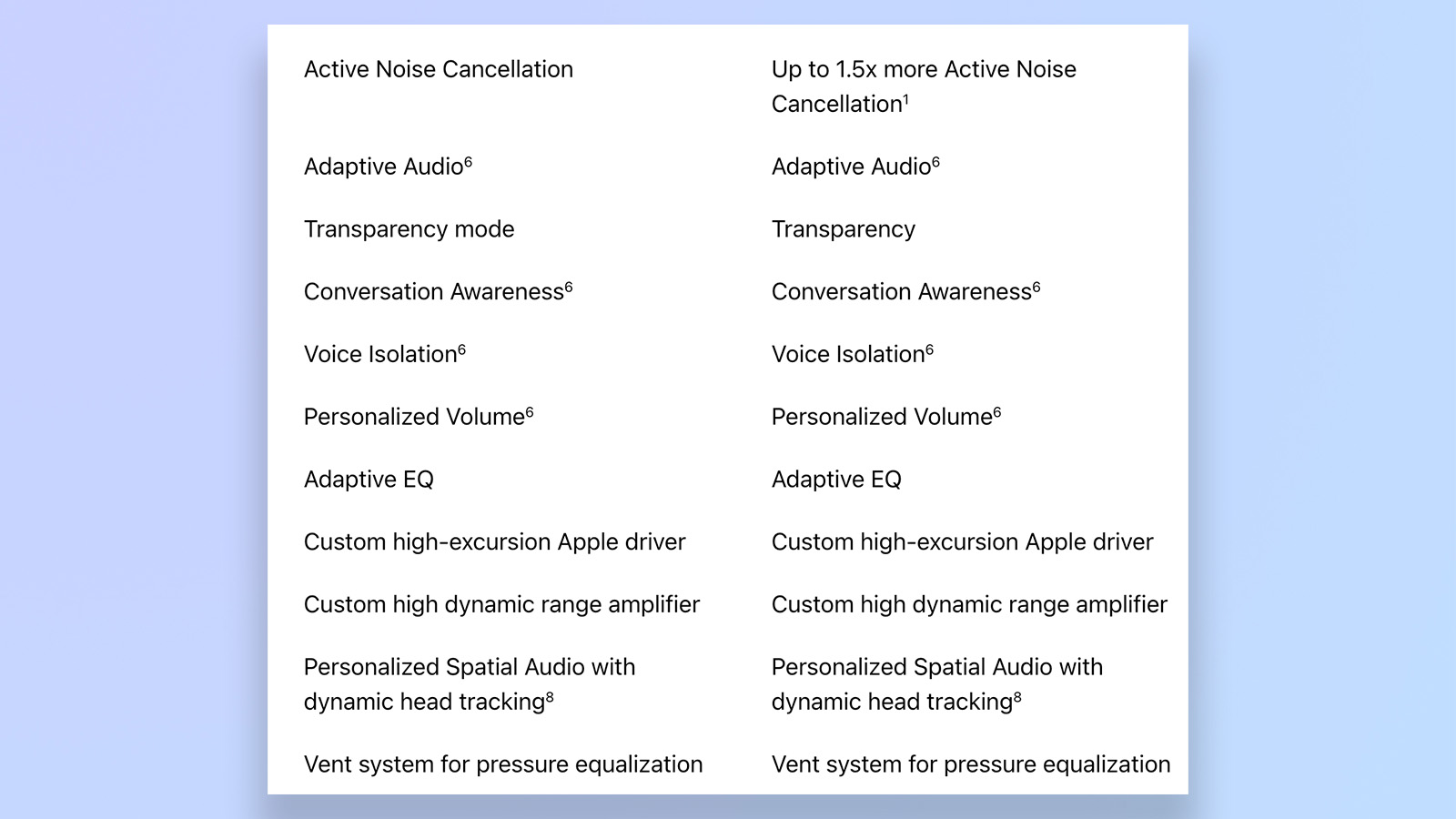
The Apple AirPods 5 represent a significant pivot in Apple’s audio strategy, marking the first time the company has offered active noise cancellation (ANC) in its most accessible, entry-level earbud tier. With a starting price of $124, these earbuds are not only the most affordable model Apple has ever produced but also signal a shift in how the tech giant positions its hardware against an increasingly competitive market of mid-range audio devices. By incorporating the H2 chip—previously reserved for premium models—Apple has effectively democratized high-fidelity audio processing for the budget-conscious consumer.
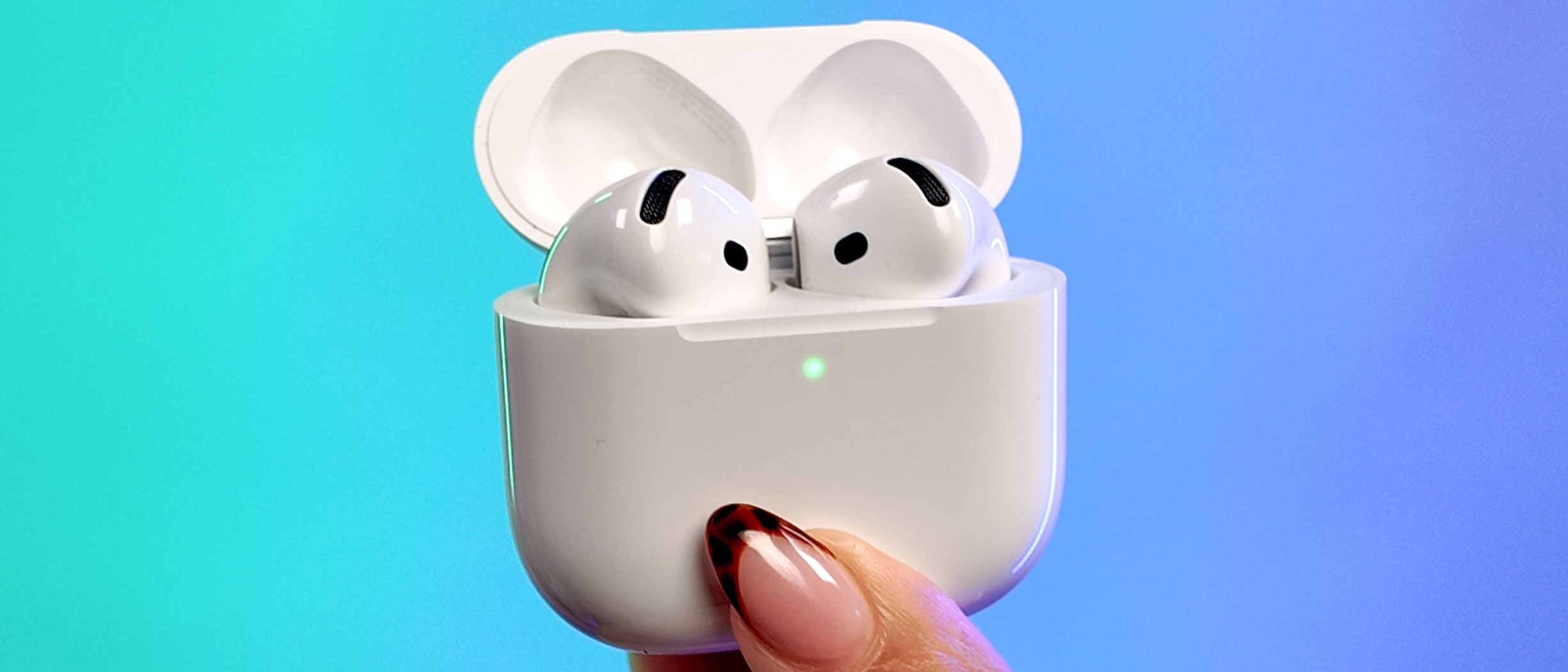
The release of the AirPods 5 follows a clear trajectory of iterative design and feature-set expansion. Since the original AirPods debuted in 2016 at a $159 price point, Apple has navigated the complex balance of maintaining its ecosystem "walled garden" while responding to consumer demand for more robust hardware features. The AirPods 4, released in 2024, set the stage for this transition, though they left a gap in the market by relegating ANC to a higher-priced tier. The AirPods 5 bridge this gap, offering a unified feature set that includes advanced ANC, improved sound architecture, and seamless cross-device integration at a lower entry price than its predecessors.
Technical Specifications and Market Positioning
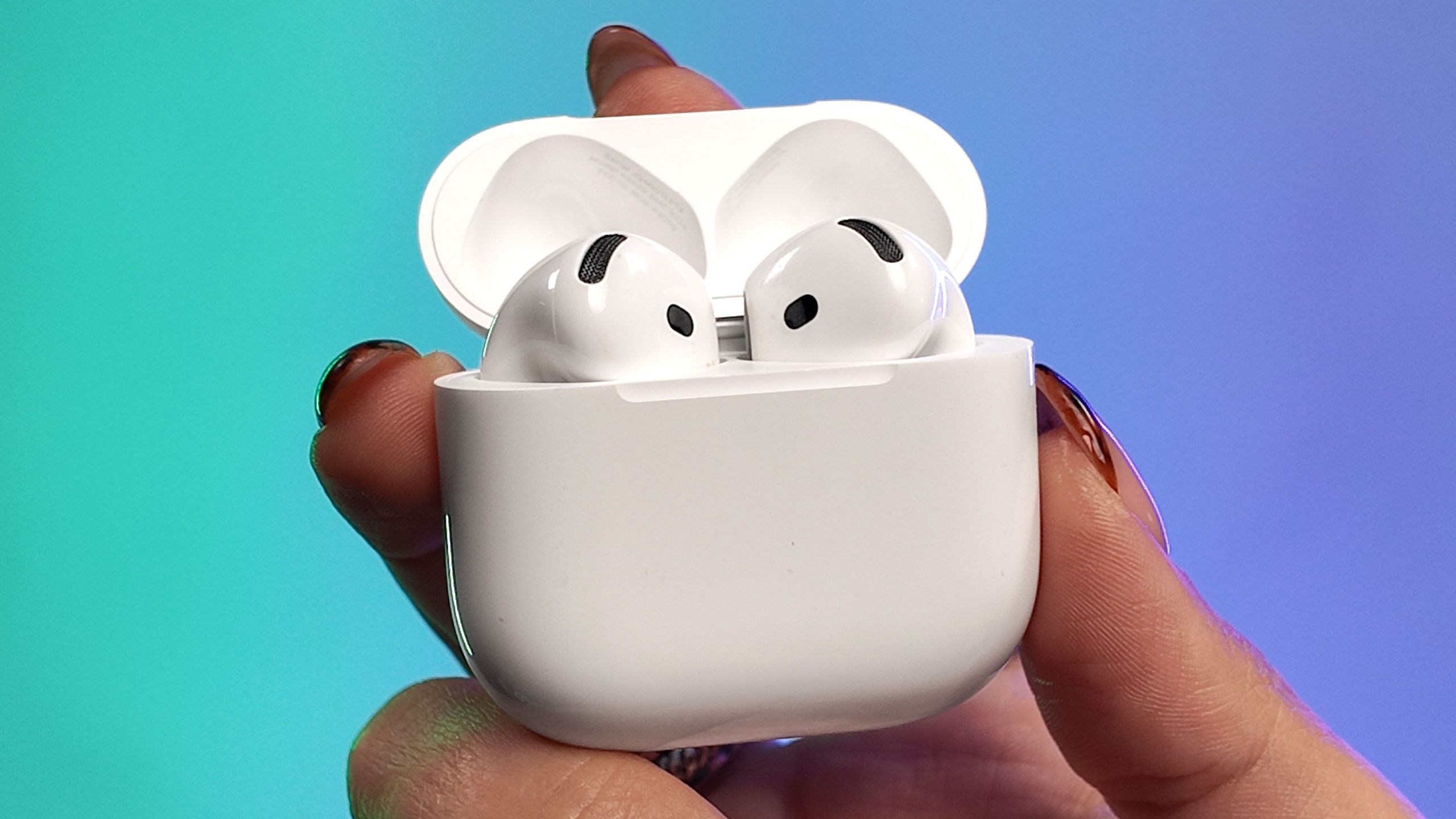
At their core, the AirPods 5 are engineered with proprietary drivers and a frequency response range of 20Hz to 20kHz, consistent with industry standards for high-fidelity personal audio. The devices utilize Bluetooth 5.3 for connectivity, a choice that has drawn scrutiny from analysts who note the rise of Bluetooth 6.1 in competing devices. However, Apple justifies this choice by highlighting the efficiency and stability of the H2 chip, which manages power consumption and signal processing in a way that minimizes the need for the latest Bluetooth protocols in day-to-day use.
The product is available in two distinct configurations: a standard model priced at $124 and a version featuring a wireless charging case priced at $149. The internal hardware remains identical across both models, ensuring that sound quality, ANC performance, and call clarity are consistent. The inclusion of an IP57 water and dust resistance rating provides a durability standard that exceeds many similarly priced competitors, making these earbuds viable for athletic use.

The Shift Toward Value-Driven Hardware
The strategic pricing of the AirPods 5 reflects a broader trend in the consumer electronics sector, where established brands are increasingly forced to defend their market share against "budget-premium" manufacturers like EarFun and CMF by Nothing. While these competitors often offer similar technical specifications at a lower cost, Apple relies on the strength of its ecosystem. The ability to automatically switch audio between an iPhone, MacBook, and iPad remains a unique selling point that continues to drive consumer loyalty.
Industry analysts observe that by pricing the base model at $124, Apple has effectively undercut competitors such as the Samsung Galaxy Buds 4, which launched at $179. This aggressive pricing strategy is intended to capture the "on-ramp" consumer—individuals who are invested in the Apple ecosystem but have previously been deterred by the high cost of Pro-level audio hardware.
Design Philosophy and Ergonomics
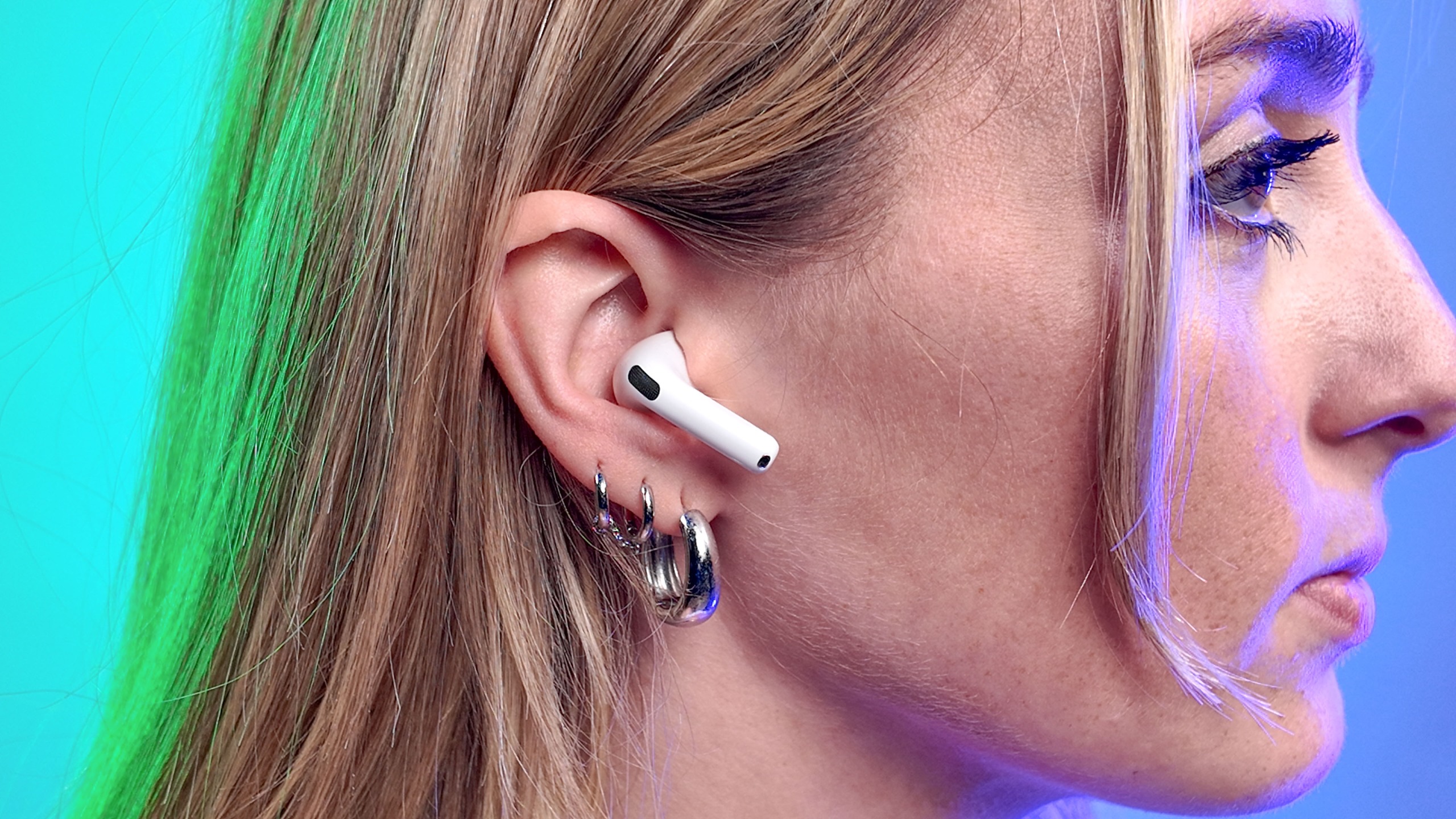
The physical design of the AirPods 5 retains the iconic, stem-based aesthetic that has become synonymous with the brand. By eschewing silicone ear tips in favor of an open-fit design, Apple caters to a specific demographic of users who find the pressure seal of in-ear monitors uncomfortable or irritating. This design choice, while polarizing for audiophiles seeking maximum passive isolation, ensures that the earbuds can be worn for extended periods without fatigue.
The case, which measures 0.8 inches in thickness and slightly under 2 inches in width, remains one of the most compact charging solutions in the industry. The integration of volume swipe controls on the stem of the wireless-charging variant represents a significant quality-of-life improvement, allowing for intuitive adjustments without requiring the user to interact with their paired device.

Performance Metrics: Sound and Noise Cancellation
In testing, the AirPods 5 demonstrate a marked improvement in audio reproduction compared to the fourth generation. The sound profile is characterized by a balanced mid-range and controlled bass, avoiding the "tinny" quality that plagued previous entry-level iterations. The implementation of the H2 chip allows for sophisticated digital signal processing, which keeps complex audio layers distinct even during high-volume playback.

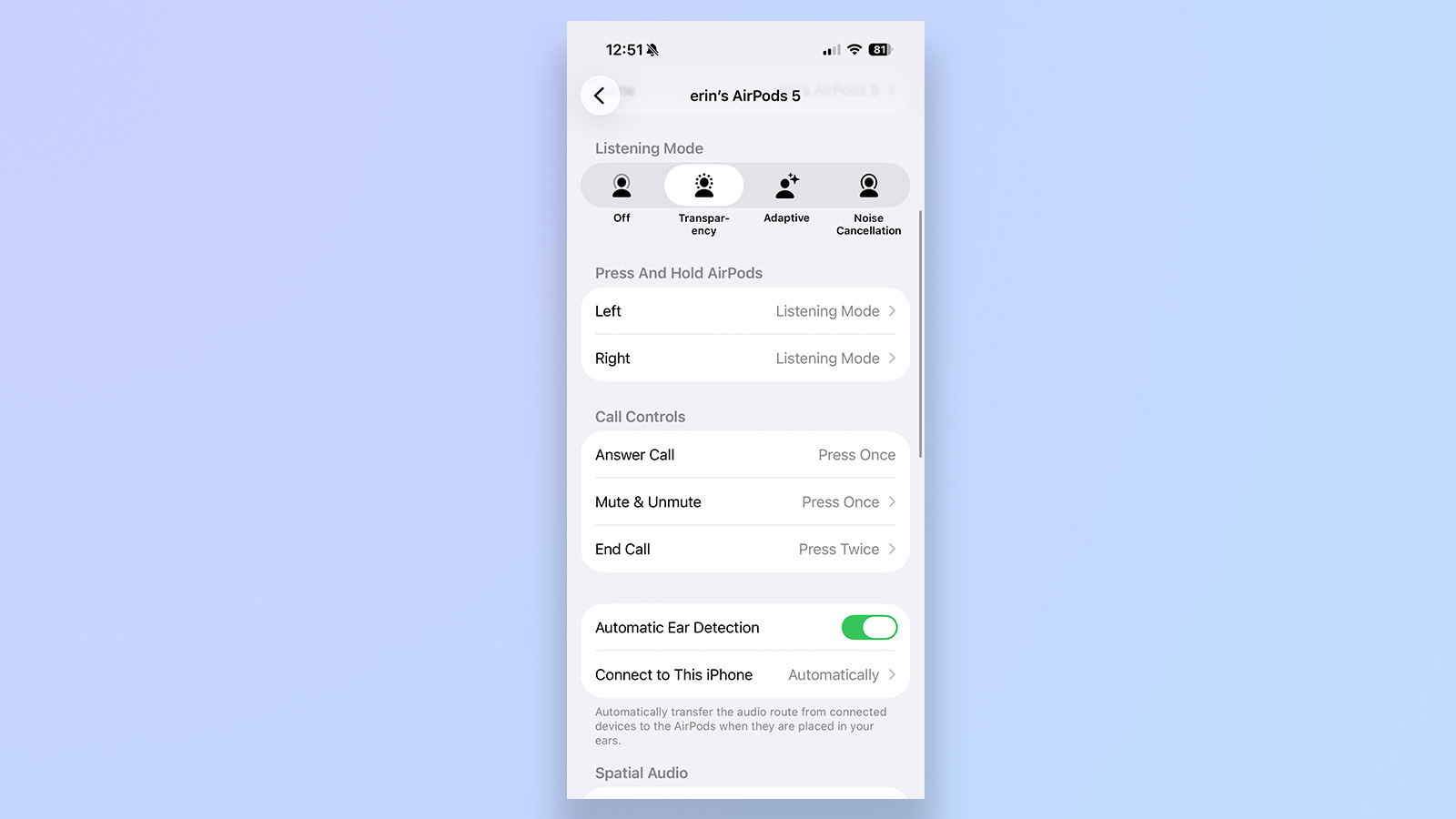
The active noise cancellation, while not matching the industry-leading performance of the AirPods Pro 3 or the Bose QuietComfort line, is remarkably effective for an open-ear design. In environments with consistent low-frequency noise, such as office HVAC systems or public transit, the AirPods 5 reduce ambient distraction to a manageable level. However, high-frequency sounds, such as speech or sharp percussive noises, are still audible, a limitation inherent to the lack of a physical silicone seal.
Battery Life and Sustainability Concerns

The most significant critique of the AirPods 5 remains the battery life. With roughly 4 to 5 hours of playback time on a single charge, these earbuds fall behind many competitors in the $100–$150 price bracket, some of which offer up to 8 to 11 hours of usage. For the average commuter, this is sufficient; however, for long-haul travel or extended professional use, the requirement to frequently return the buds to their charging case is a noted inconvenience.
This limitation highlights the trade-off between the compact design and the internal battery capacity. While Apple has optimized the power management of the H2 chip, the physical constraints of the smaller chassis limit the longevity of the device. For users who prioritize marathon-length battery life, this model may not be the optimal choice.
Integration with Apple Intelligence and Future-Proofing
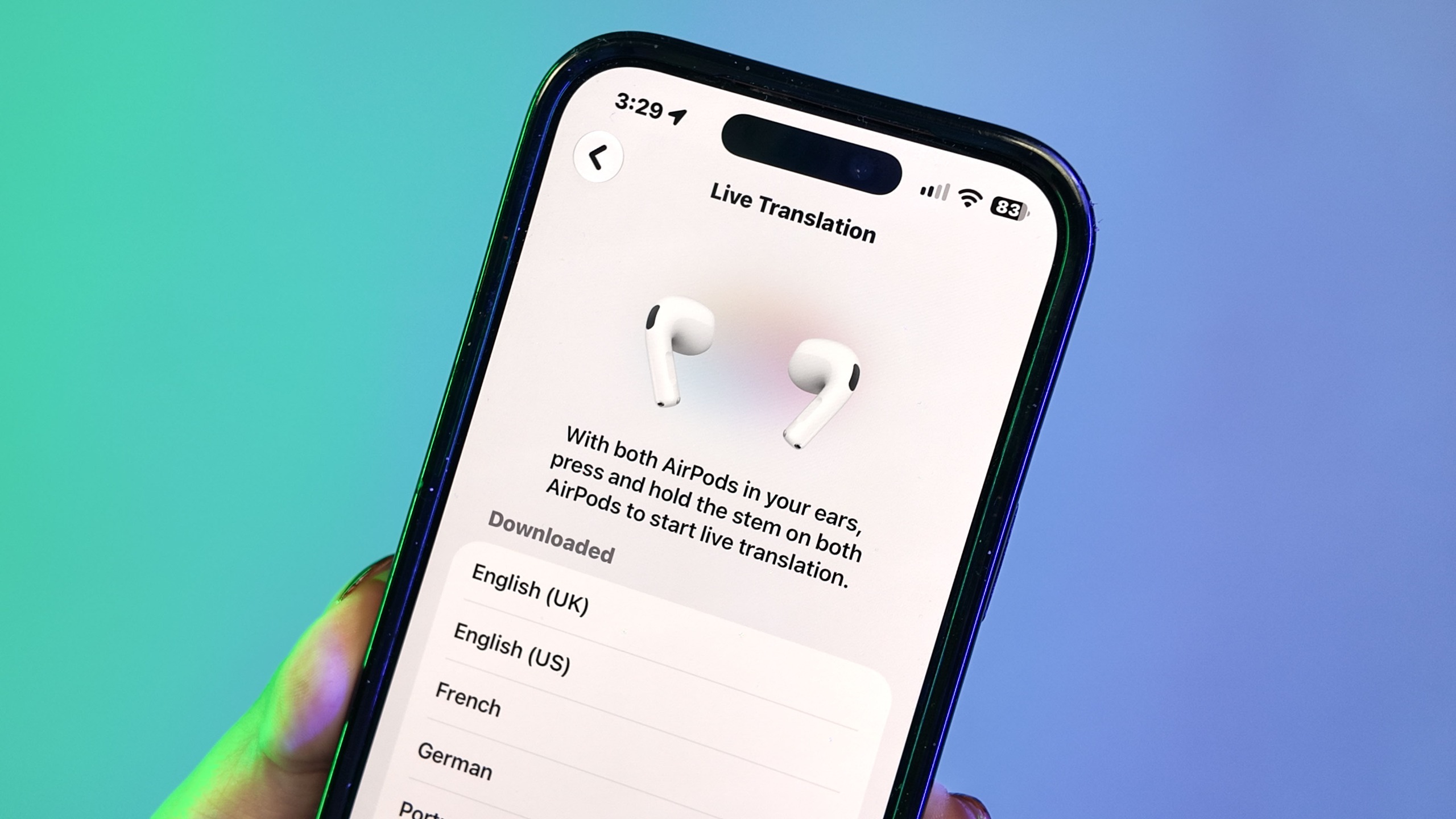
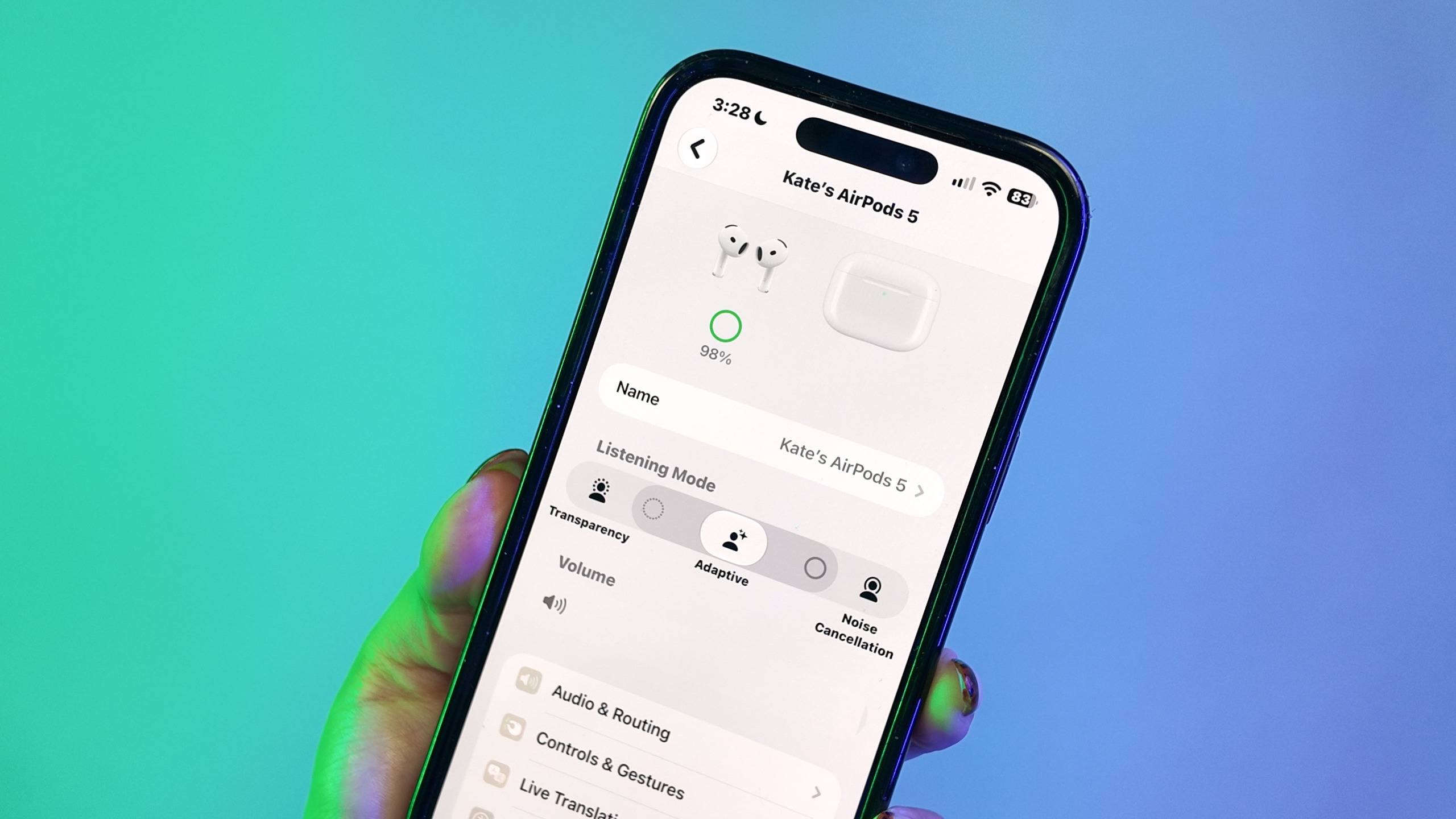
A defining feature of the AirPods 5 is their compatibility with the broader Apple Intelligence suite. While the earbuds do not possess the hardware capabilities of the Pro 3—such as heart-rate monitoring or FDA-approved hearing aid functionality—they do support advanced features like Live Translation. When paired with a compatible iPhone, the earbuds act as a bridge for real-time linguistic processing.
While this feature is currently in its nascent stages and may struggle with the nuance of real-time conversation, it indicates Apple’s intent to treat the AirPods not merely as audio output devices, but as peripheral interfaces for AI-driven services. This focus on "smart" features is designed to extend the utility of the hardware over the product’s lifespan, even if the raw audio components remain static.
Implications and Conclusion
The release of the AirPods 5 is an acknowledgment by Apple that the entry-level market requires more than just brand name recognition to succeed. By prioritizing audio fidelity and including essential features like ANC as standard, Apple has created a product that offers a high degree of utility for the average user.
The implications for the broader market are clear: the floor for "acceptable" audio quality has been raised. As Apple continues to refine its H2-powered lineup, consumers can expect the gap between budget and professional-grade audio to narrow further. For the current user base, the AirPods 5 offer a compelling reason to upgrade from older, non-ANC models. For new users, they provide a reliable, feature-rich entry point into the Apple audio ecosystem.
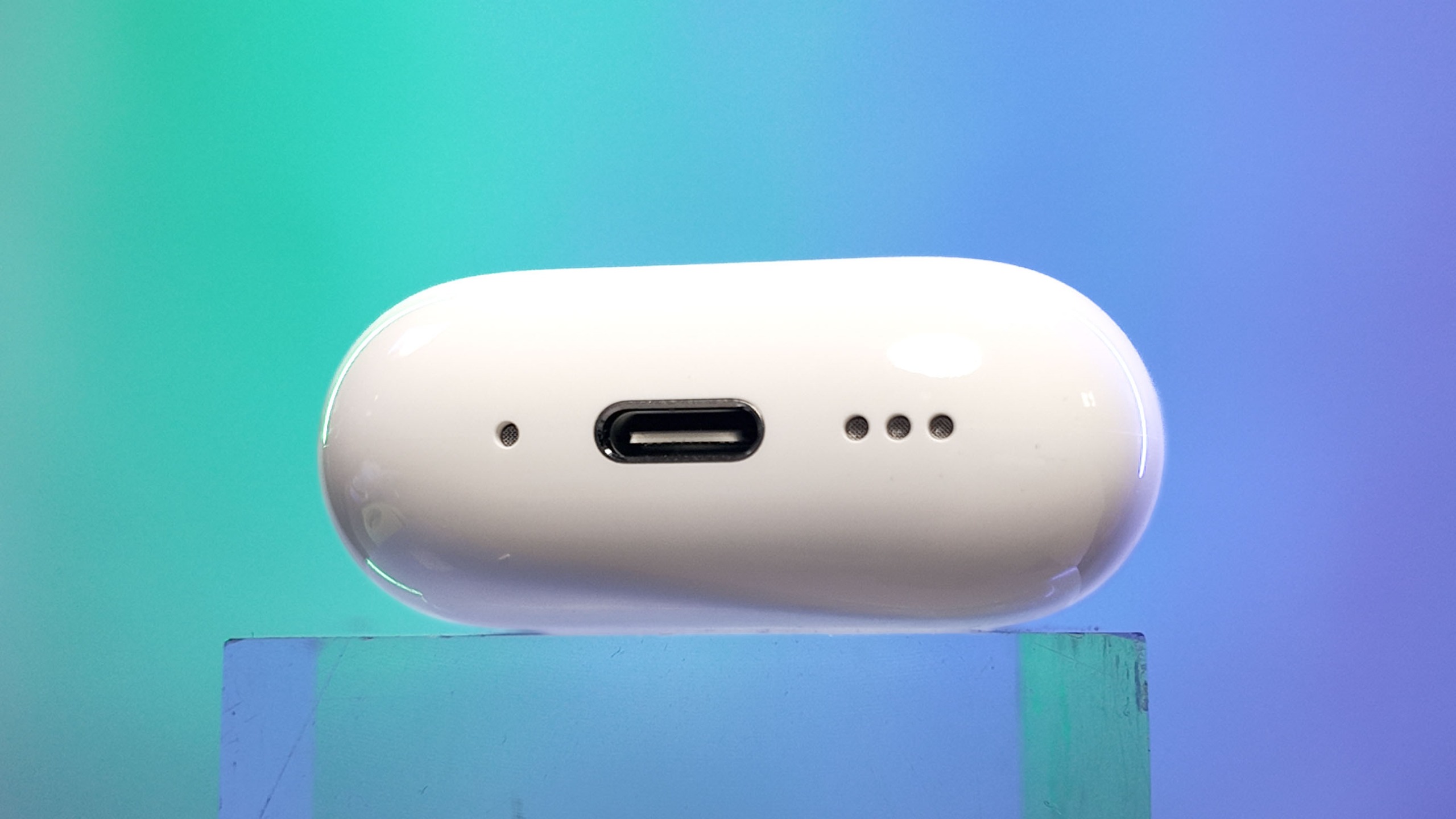
Ultimately, the AirPods 5 succeed by providing exactly what is requested of them: consistent, high-quality audio in a familiar, comfortable form factor. While they are not intended to compete with the specialized health and audio-processing capabilities of the Pro series, they effectively fulfill their role as the primary audio companion for the millions of iPhone users worldwide. As the product cycles continue, the AirPods 5 stand as a testament to the maturation of wireless audio technology, proving that premium features are no longer the sole domain of the most expensive hardware.