Samsung S95H Flagship OLED TV Review: A New Benchmark in Brightness and AI Integration

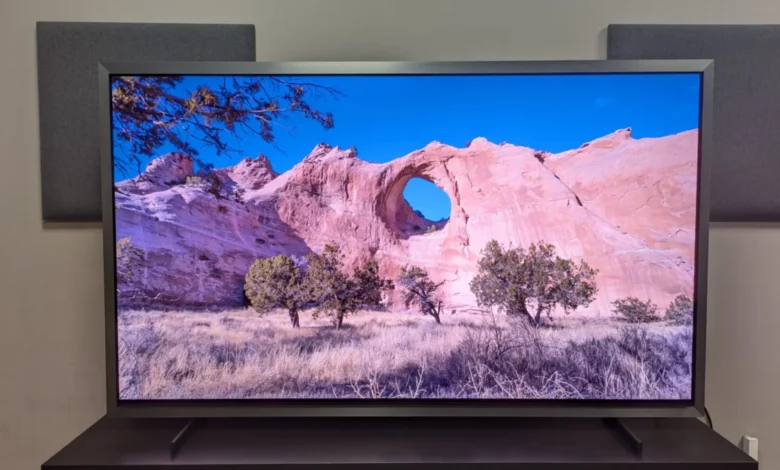
The Samsung S95H has officially claimed its position at the pinnacle of the 2026 home entertainment market, representing a significant technological leap for the South Korean electronics giant. As the successor to the highly acclaimed S95F, the S95H arrives with a suite of advancements in artificial intelligence, panel luminance, and industrial design. While the flagship OLED market has become increasingly crowded with formidable entries from LG and Sony, Samsung’s latest offering seeks to distinguish itself through unparalleled peak brightness and a controversial new aesthetic dubbed the FloatLayer Design. This review provides a comprehensive analysis of the S95H’s performance, technical specifications, and its broader implications for the future of the QD-OLED (Quantum Dot Organic Light Emitting Diode) category.
Technical Evolution and the NQ4 AI Gen 3 Processor
At the heart of the Samsung S95H is the NQ4 AI Gen 3 Processor, a silicon powerhouse designed to handle the complex computational demands of modern 4K content. This processor marks the third generation of Samsung’s specialized AI hardware for televisions, moving beyond simple image sharpening to sophisticated scene-by-scene analysis. The "Samsung Vision AI" banner encompasses several critical features: AI Motion Enhancer Pro, 4K AI Upscaling Pro, and AI Sound Controller Pro.
The NQ4 AI Gen 3 utilizes a neural network that has been trained on a vast library of high-resolution imagery to predict and reconstruct missing details in lower-resolution sources. During testing, the upscaling of standard-definition broadcast signals and 1080p sports content—specifically tennis matches from Wimbledon—showed a marked improvement in texture clarity and edge definition. Furthermore, the AI Motion Enhancer Pro attempts to eliminate the "soap opera effect" while maintaining fluid movement in fast-paced action sequences and sports, a feat that has historically challenged OLED panels.
Benchmark Results: Pushing the Boundaries of OLED Luminance
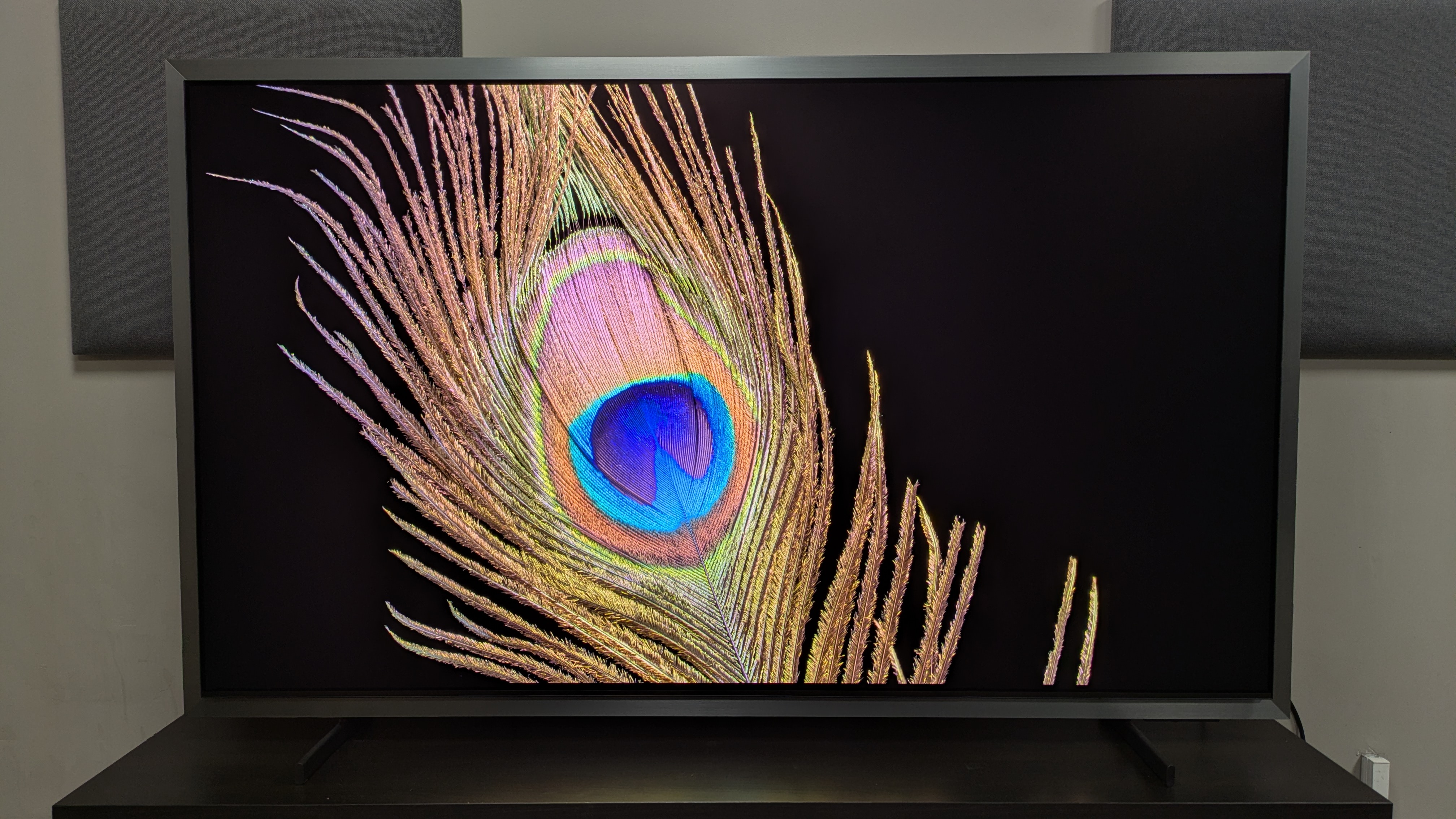
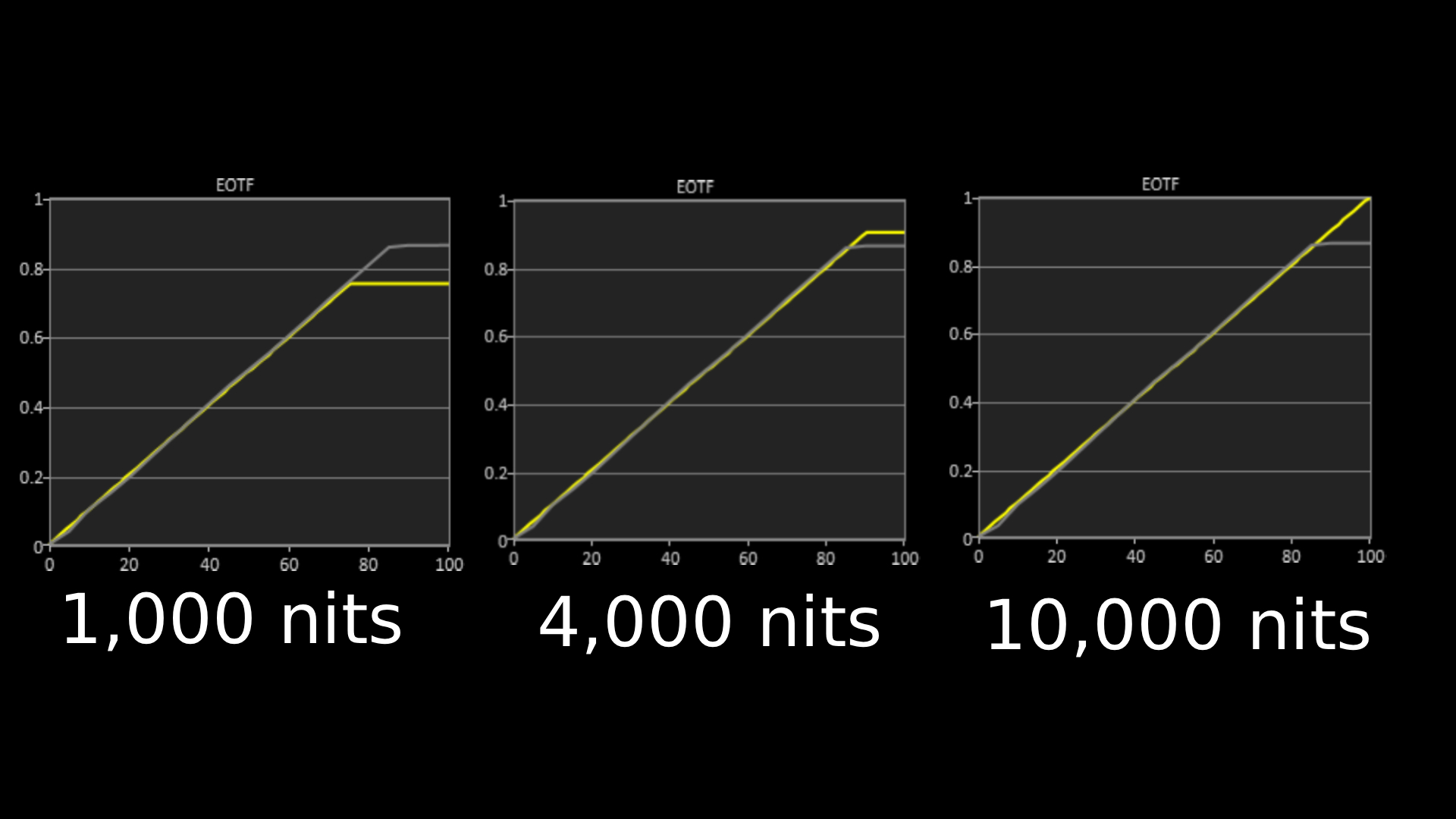
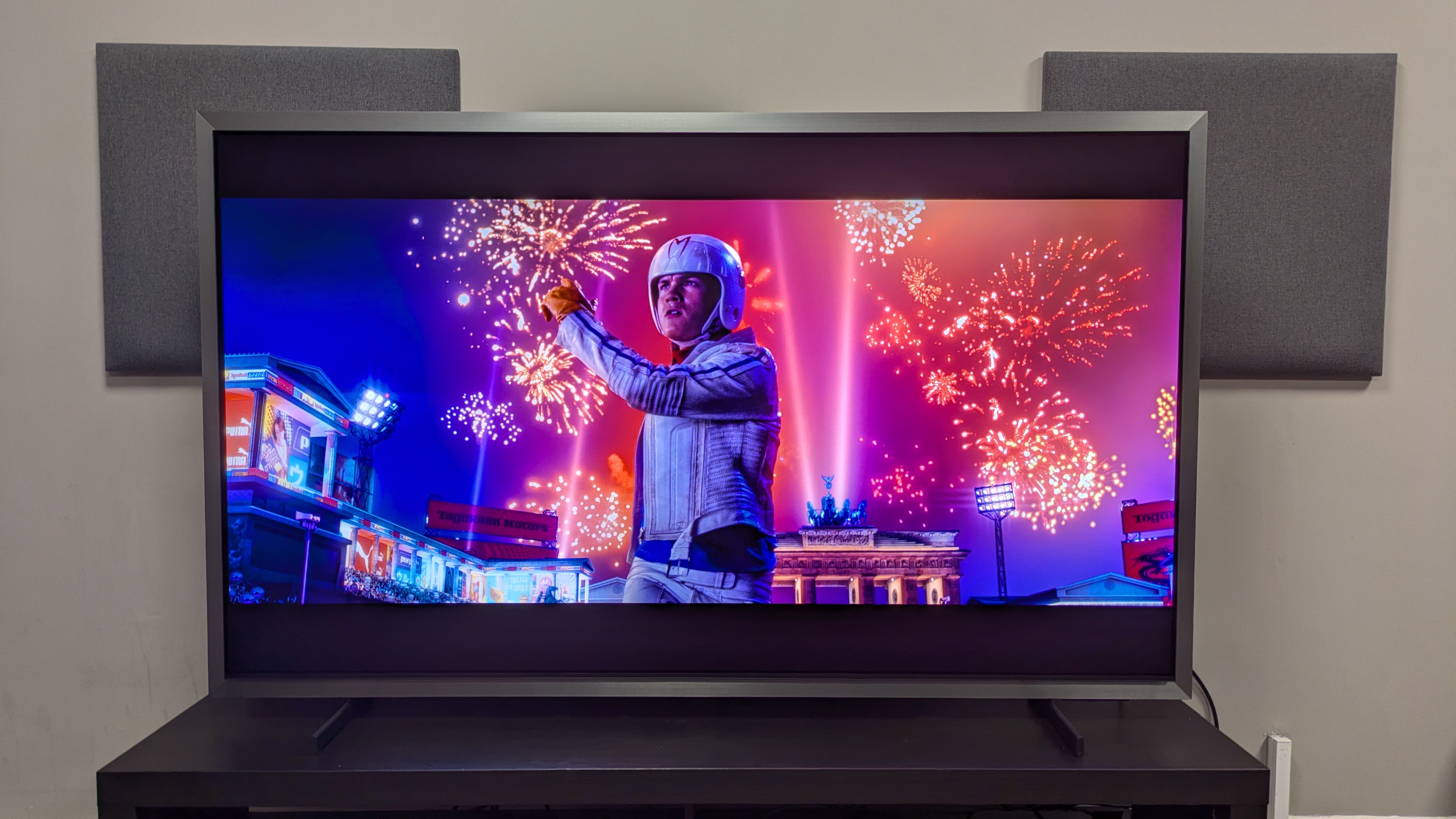
For years, the primary criticism of OLED technology was its inability to match the searing brightness of high-end LED-LCD televisions. The Samsung S95H appears to have definitively addressed this gap. Benchmark testing using a Klein K-10A colorimeter revealed that the S95H reaches a staggering peak HDR brightness of 2,739 nits in Filmmaker Mode (on a 10% window). In Standard Mode, this figure climbed even higher to 2,831 nits.
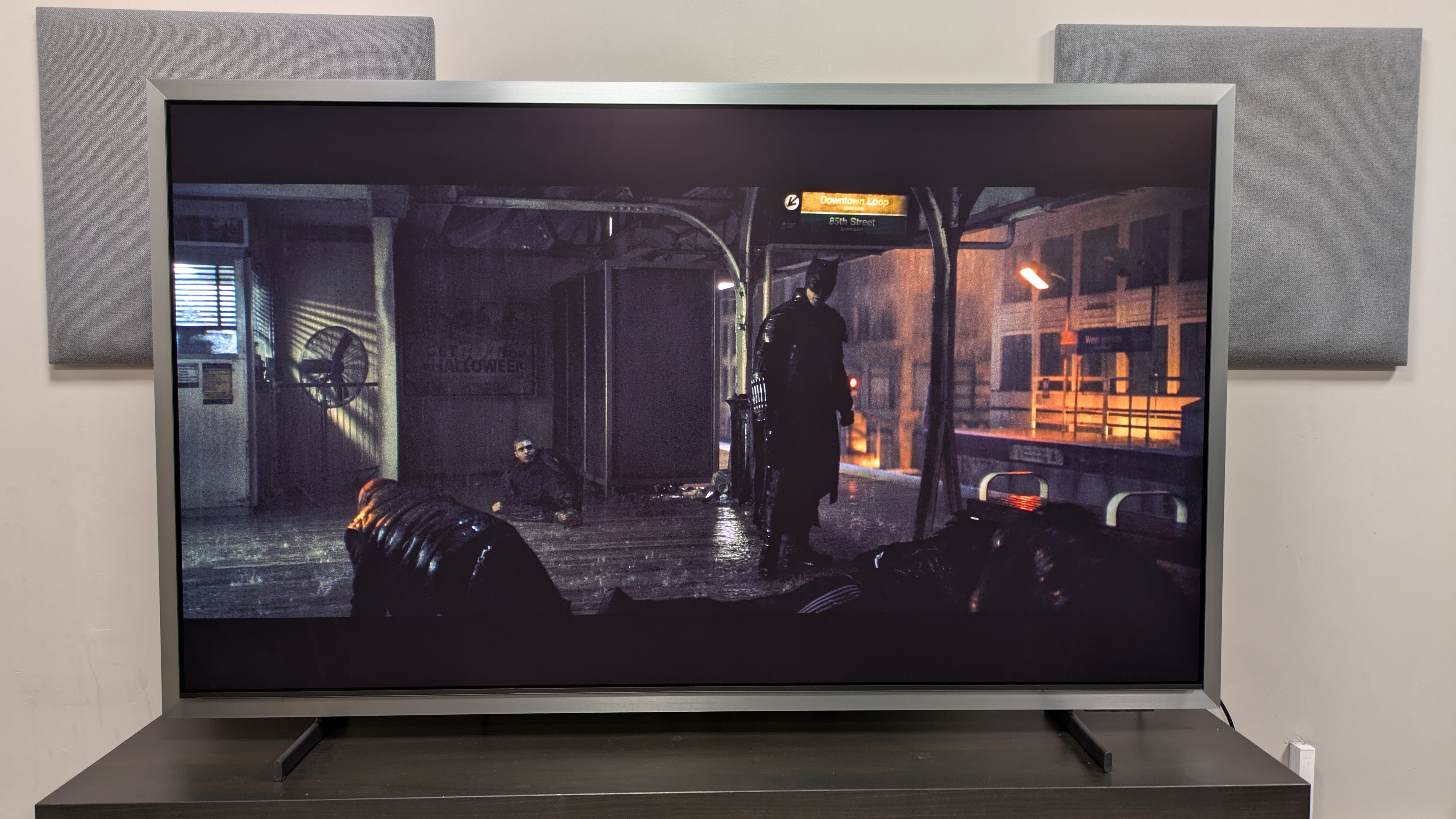
To put these numbers in perspective, the previous generation S95F registered 2,132 nits under the same conditions. This 28% increase in peak luminance allows for spectacular highlights—such as sunlight reflecting off metal or the glow of neon lights—without sacrificing the "perfect blacks" that are the hallmark of OLED technology. Full-screen brightness has also seen a boost, hitting 449 nits in Filmmaker Mode compared to the 390 nits of its predecessor.

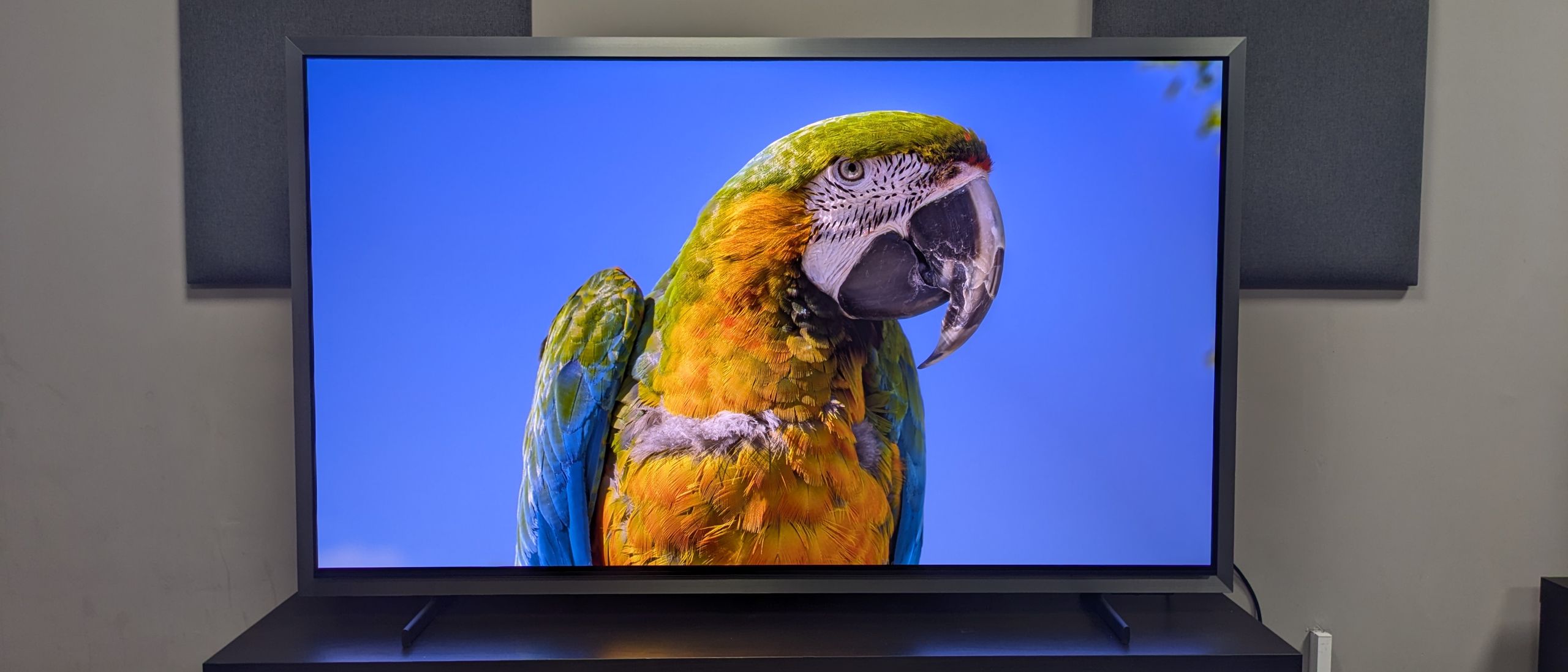
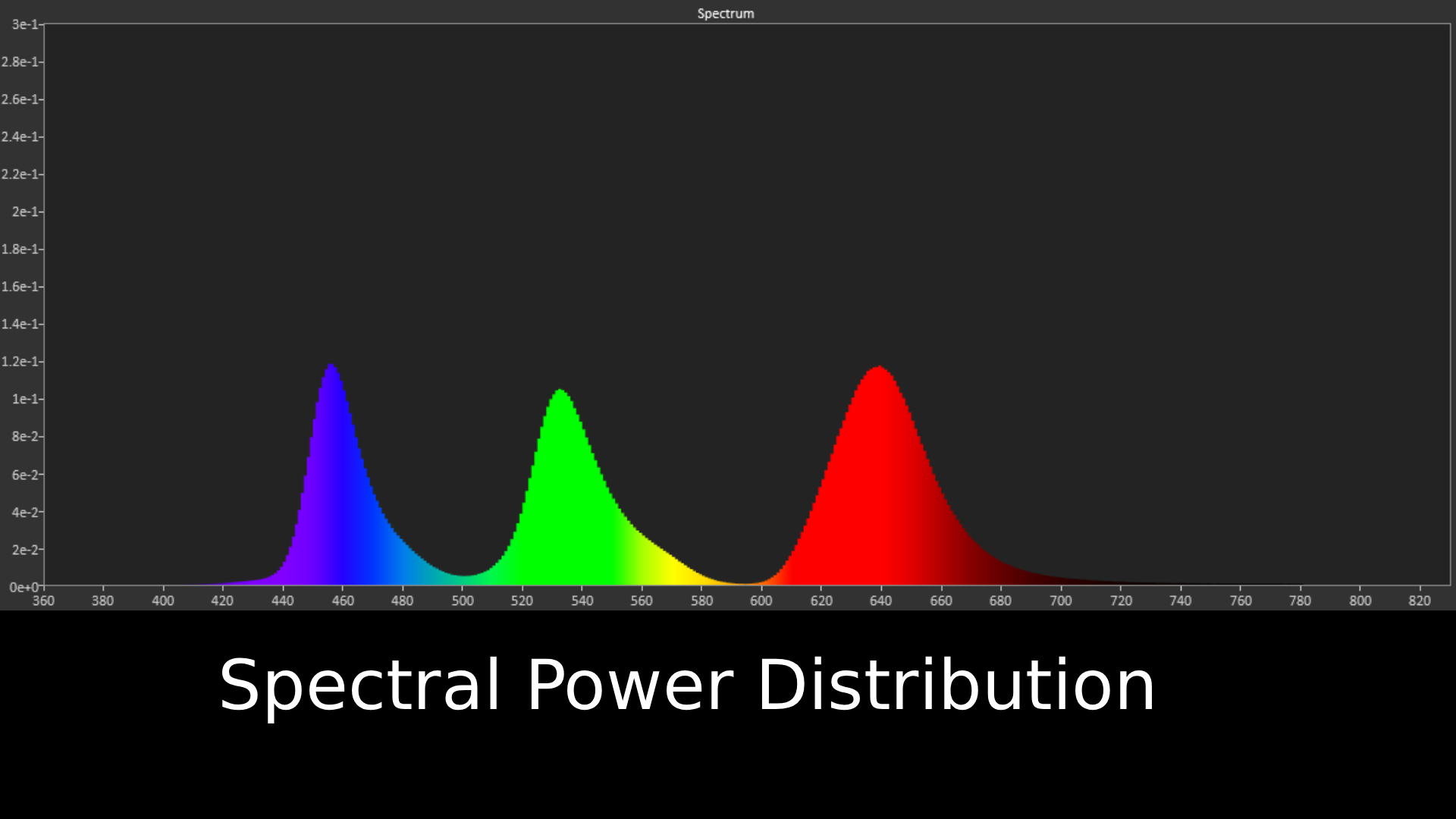
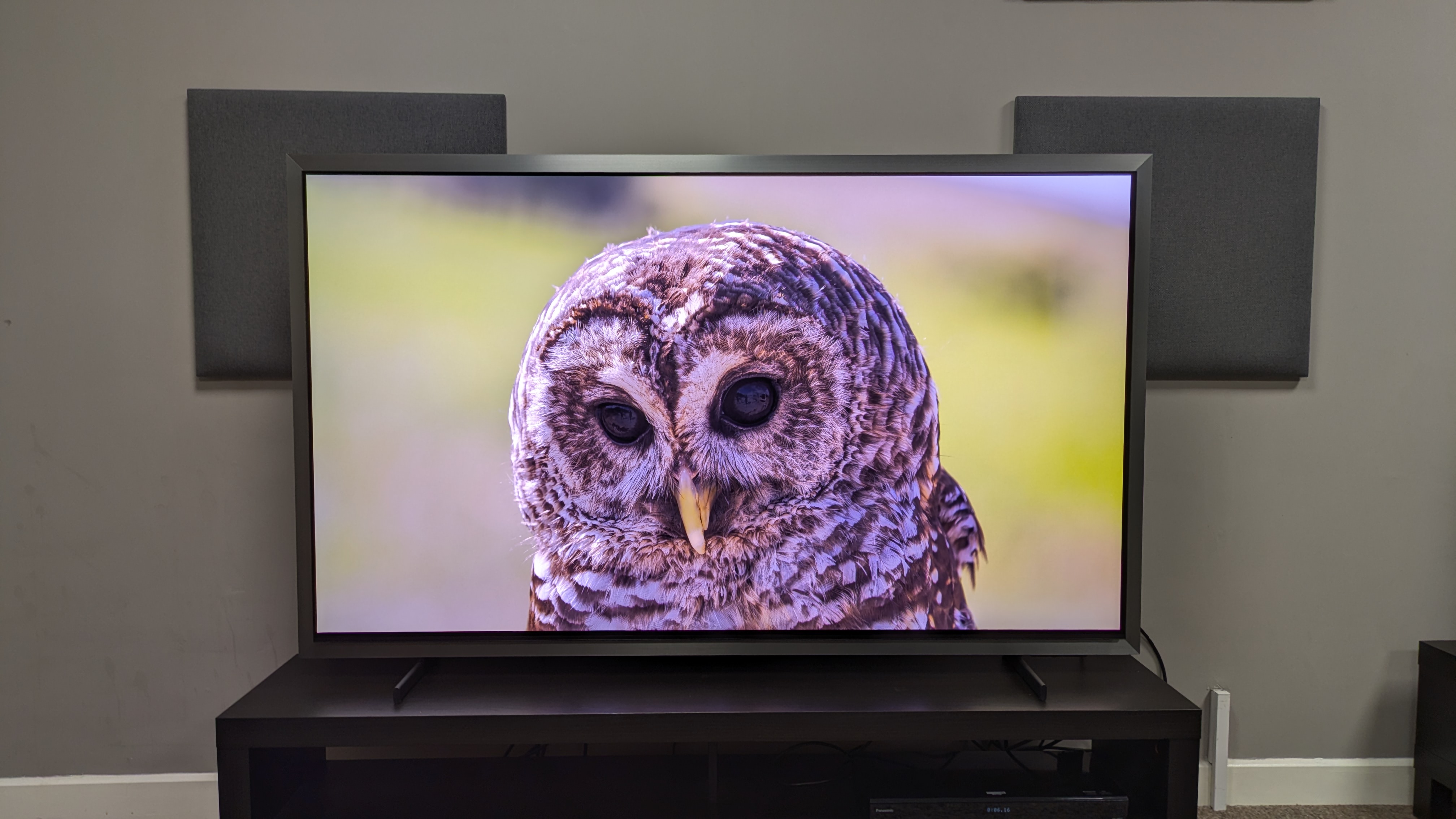
Color performance remains equally elite. The S95H covers 99.97% of the DCI-P3 color space, which is the standard for digital cinema. Perhaps more impressively, it covers 89.2% of the BT.2020 color gamut. This wide color coverage, facilitated by the Quantum Dot layer, ensures that the TV can reproduce highly saturated colors at high brightness levels, a specific area where traditional W-OLED (White OLED) panels often struggle.
Industrial Design: The Controversial FloatLayer Aesthetic
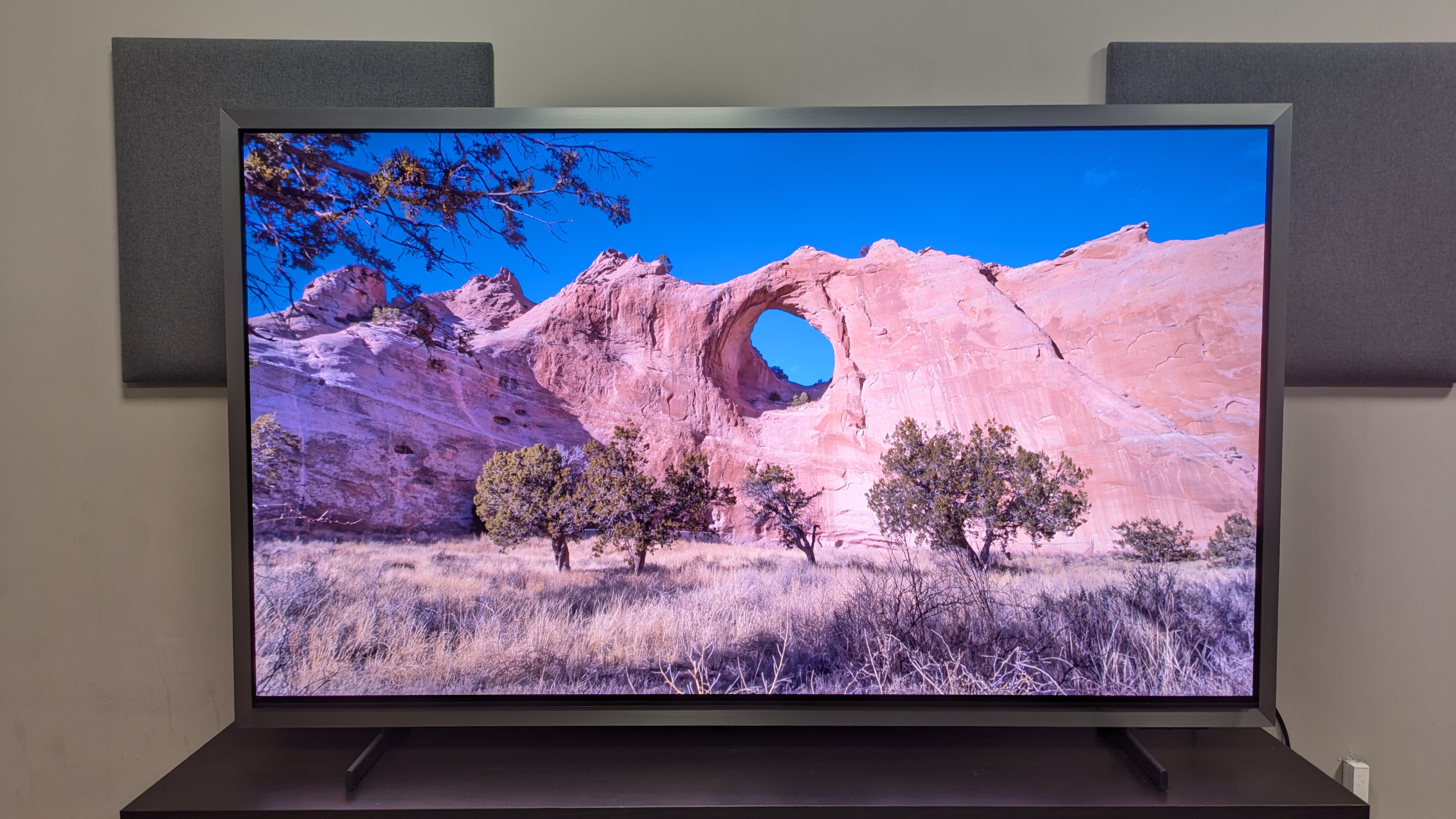
While the internal specifications of the S95H have received universal praise, its physical design has become a point of contention among enthusiasts and interior designers. Samsung has introduced the "FloatLayer Design," which features a prominent silver frame surrounding the panel. This frame is intended to give the TV a 3D, floating appearance, especially when wall-mounted. However, the frame adds several inches to the overall footprint of the unit, potentially creating space constraints for users with custom-built entertainment centers.
In a departure from the previous year’s premium metal pedestal, the S95H now rests on two plastic gray feet. While functional and sturdy, some critics argue that the shift to plastic detracts from the "premium" feel of a flagship device costing over $3,000.
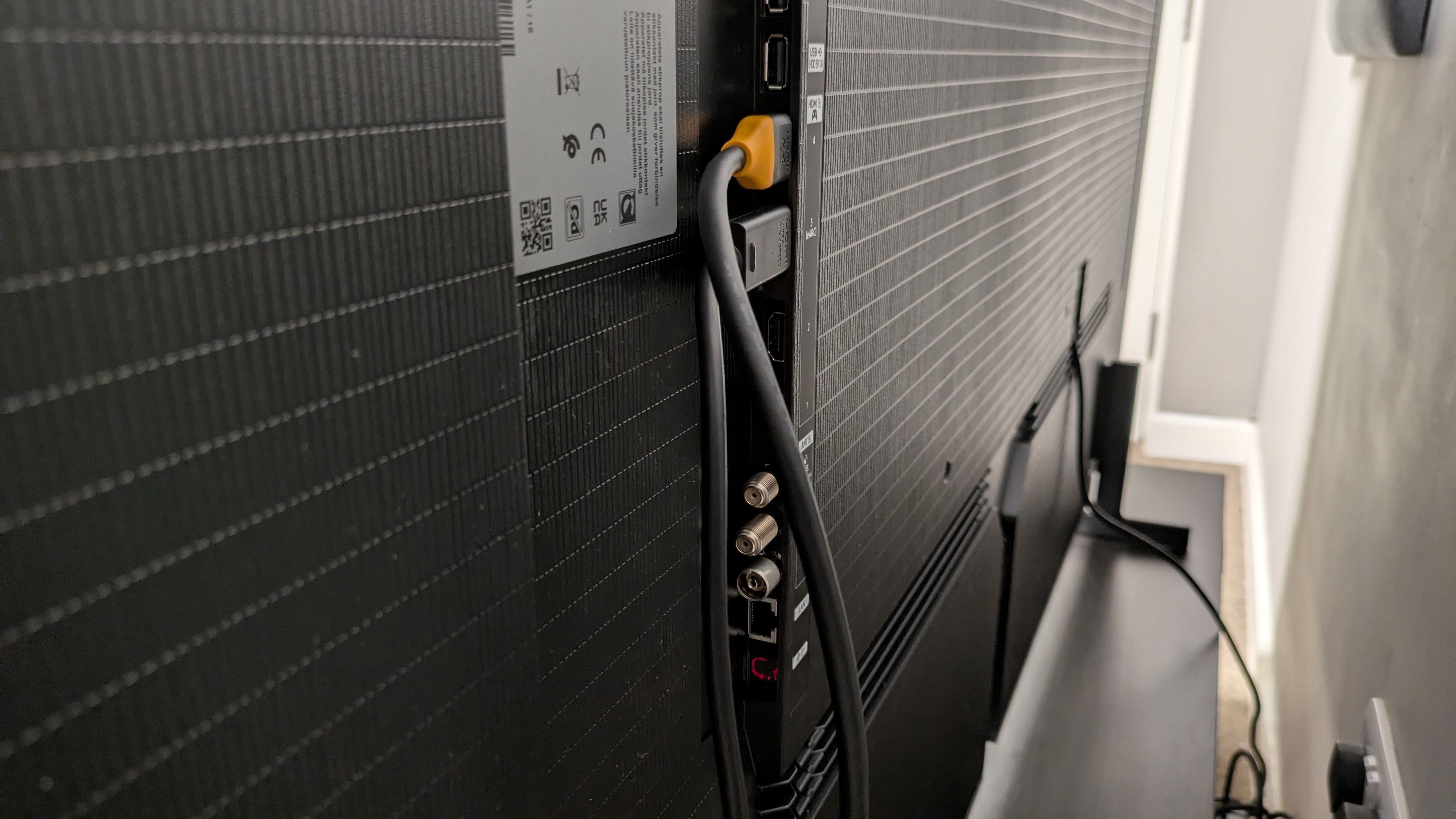
Furthermore, Samsung has made the strategic decision to remove the One Connect Box from the standard retail package. The One Connect Box previously allowed users to run a single thin cable to the TV while keeping all HDMI and power connections in a separate, hidden hub. On the S95H, the ports have returned to the rear of the panel. However, Samsung has introduced the Wireless One Connect Box as an optional accessory. This wireless hub can work in tandem with the built-in ports, offering a total of eight HDMI 2.1 ports—a configuration that is currently unmatched in the consumer market and highly beneficial for power users with multiple consoles, PC setups, and media players.
Gaming Performance and Connectivity
The Samsung S95H is positioned as one of the premier gaming displays of 2026. All four of its built-in HDMI ports are version 2.1, supporting a maximum refresh rate of 165Hz at 4K resolution. This is a significant advantage for PC gamers utilizing high-end NVIDIA or AMD graphics cards. The TV also supports a full suite of gaming features, including:
- Variable Refresh Rate (VRR): Compatibility with AMD FreeSync Premium Pro and NVIDIA G-Sync to prevent screen tearing.
- Auto Low Latency Mode (ALLM): Automatically switches the TV to Game Mode when a console is detected.
- HDR10+ Gaming: Provides dynamic metadata for games to optimize brightness and contrast in real-time.
- Ultra-Low Input Lag: Measured at 9.5ms at 60Hz, ensuring that there is no perceptible delay between a controller input and the action on screen.
The inclusion of the Samsung Game Hub further enriches the experience, allowing users to access cloud gaming services like Xbox Cloud Gaming and Amazon Luna directly through the TV’s interface, eliminating the need for a physical console for casual gaming.
Smart TV Ecosystem: One UI Tizen and Vision AI
The S95H runs on the latest iteration of Samsung’s Tizen-based operating system, now rebranded as One UI Tizen. The 2026 update focuses heavily on the "Vision AI Companion," a virtual assistant that uses generative AI to provide content recommendations and answer complex queries about the media being watched.
The platform continues to support all major global streaming services, including Netflix, Disney+, Amazon Prime Video, and Apple TV+. A new addition for 2026 is the expansion of "Art Mode," a feature previously exclusive to Samsung’s "The Frame" series. This allows the S95H to display high-resolution artworks when not in use, effectively turning the large black rectangle of a dormant TV into a piece of digital decor. However, users should note that full access to the Art Store requires a monthly subscription.
One point of criticism noted during the review process was the "Samsung TV Plus" service, which has a tendency to auto-play content upon navigating to the home screen. While the service provides free ad-supported channels, the inability to easily disable the auto-play feature may prove frustrating for users who prefer a quiet, menu-driven experience.
Market Positioning and Pricing Analysis
The Samsung S95H enters the market with a premium price point of $3,399 for the 65-inch model. This places it in direct competition with the LG G6, which is priced slightly lower at $3,299.
Comparative Pricing (65-inch models):
- Samsung S95H: $3,399 / AU$5,299
- LG G6: $3,299 / AU$4,999
- Sony Bravia 8 II: $2,999 / AU$4,999
- Samsung S95F (Previous Gen): ~$2,499 (Market price)
The decision between the S95H and its rivals often comes down to specific environment-based needs. The S95H features an "OLED Glare Free" matte screen, which is exceptionally effective at diffusing light in rooms with large windows or bright overhead lighting. While the LG G6 may offer slightly better black-level retention in dark rooms, the Samsung S95H is arguably the superior choice for daytime viewing or bright living spaces.
Chronology of Release and Future Outlook
The Samsung S95H was officially launched in June 2026, following a teaser campaign at the Consumer Electronics Show (CES) earlier that year. Since its debut, the TV has seen rapid adoption in the Australian and North American markets. Early sales data suggests that while the 65-inch model remains the volume leader, there is a growing interest in the 83-inch variant, despite that specific size utilizing a W-OLED panel rather than the QD-OLED technology found in the 55, 65, and 77-inch versions.
Industry analysts expect Samsung to maintain the S95H as its flagship throughout the remainder of 2026 and into early 2027. Price adjustments are anticipated during major retail events such as Black Friday and the post-holiday sales period, where the 65-inch model could potentially drop below the $3,000 threshold.
Final Implications for the Home Cinema Market
The Samsung S95H is more than just an incremental update; it is a statement of intent regarding the future of QD-OLED. By achieving brightness levels that were once thought impossible for organic displays, Samsung has removed one of the last remaining hurdles to OLED’s total market dominance.
The integration of AI into every facet of the experience—from sound placement to motion processing—indicates a shift where raw panel specs are no longer the only metric of quality. Instead, the "intelligence" of the television in interpreting and enhancing content is becoming the new battleground for manufacturers. While the physical design of the S95H may remain a subjective point of debate, its technical achievements in luminance, color accuracy, and gaming connectivity solidify its status as a top-tier contender for the title of the best television of 2026. For consumers seeking a future-proof display that excels in both dark-room cinema and bright-room sports viewing, the S95H represents an elite, albeit expensive, investment in the future of home entertainment.