How Hyper-Realism in Grand Theft Auto 6 is Unwittingly Transforming Players into Law-Abiding Citizens

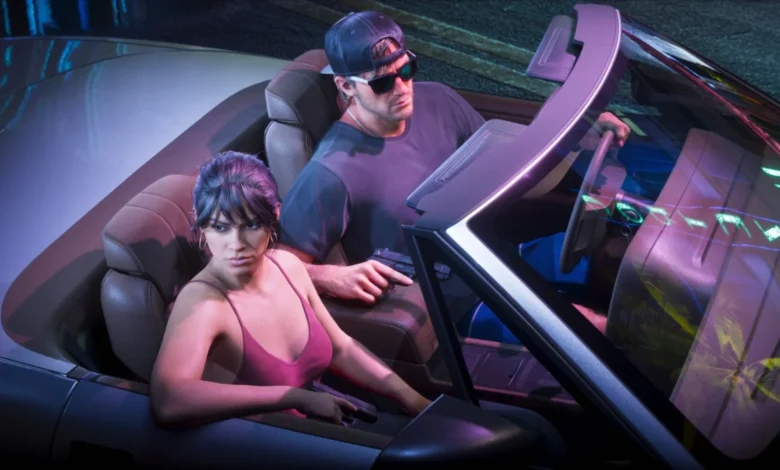
The release of Grand Theft Auto 6 has once again thrust Rockstar Games into the center of global pop culture discourse, breaking industry records and redefining benchmarks for technical achievement in interactive entertainment. Yet, alongside the expected conversations surrounding open-world scale, narrative complexity, and economic impact, a peculiar behavioral trend has emerged among the global gaming community. Veteran players of the franchise—historically conditioned by decades of virtual lawlessness—are reporting an unexpected psychological phenomenon: an instinctive adherence to real-world traffic laws and civic decorum.
This shift in player psychology offers a fascinating case study in how exponentially increasing graphical fidelity, physics engine realism, and artificial intelligence sophistication can alter the fundamental mechanics of player interaction. Where previous iterations of the franchise encouraged vehicular mayhem as a default state of play, the meticulously crafted verisimilitude of Grand Theft Auto 6 is prompting players to pause at red lights, yield to pedestrians, and maintain strict lane discipline.
The Evolution of Open-World Verisimilitude
To understand the magnitude of this behavioral shift, one must examine the developmental trajectory of the Grand Theft Auto series over the past two decades. Since the franchise transitioned into fully realized three-dimensional spaces with 2001’s Grand Theft Auto 3, the core gameplay loop has largely centered on automotive theft, high-speed evasion, and uninhibited public destruction. Across successive titles—including Vice City, San Andreas, and Grand Theft Auto 5—players were provided with arcade-style handling models and forgiving physics engines that actively incentivized reckless driving.
For more than twenty years, the unwritten social contract between the player and the game engine was clear: the virtual world was a chaotic sandbox designed to be exploited without consequence. However, the release of Grand Theft Auto 6 represents a technical watershed moment that challenges this paradigm. Powered by advanced hardware capabilities of current-generation consoles and high-end personal computers, Rockstar Games has engineered a simulation characterized by unprecedented visual fidelity, hyper-realistic lighting, complex character weighting, and nuanced momentum systems.
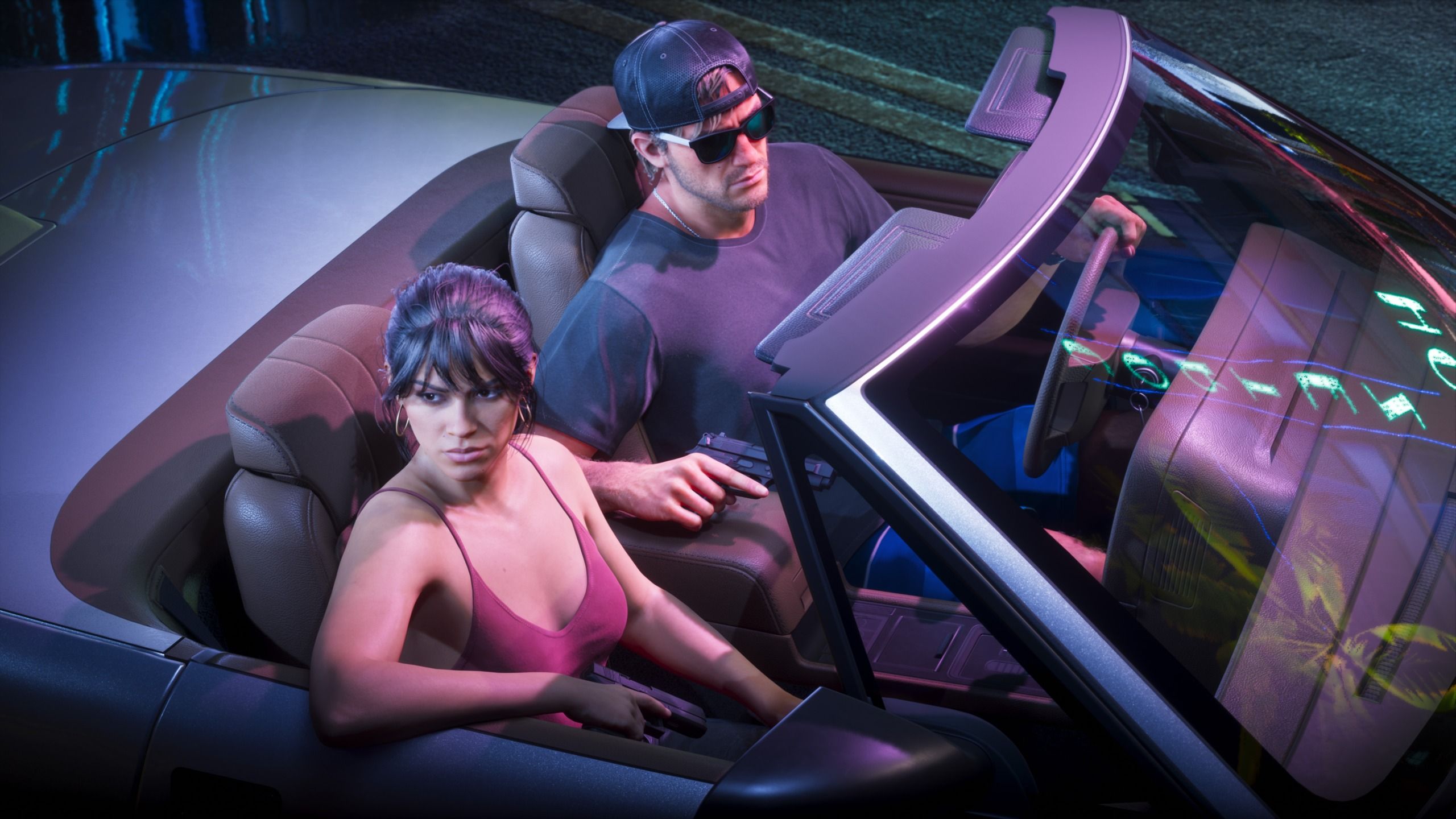
When a player navigates a vehicle through the sun-drenched thoroughfares of Leonida Keys or the bustling urban sprawl of Vice City, the physical feedback—ranging from suspension travel and tire traction to the visceral weight of multi-ton machinery—bridges the gap between fantasy and physical reality. Consequently, the psychological barrier required to commit casual virtual vehicular manslaughter has grown significantly higher. The uncanny valley of digital simulation has matured to a point where destructive actions carry an acute, visceral weight that registers deeply with the human nervous system.
Behavioral Shifts and Psychological Implications
The anecdotal accounts circulating across major gaming forums and social media platforms highlight a profound disconnect between historical player habits and current in-game conduct. Users frequently note finding themselves waiting patiently at traffic signals, checking mirrors before executing lane changes, and experiencing genuine cognitive dissonance when attempting to drive with the reckless abandon typical of earlier titles.
This phenomenon extends beyond vehicular control into pedestrian and public interactions. Footage shared widely online demonstrates that discharging a firearm in public spaces elicits radically different atmospheric responses compared to older iterations of the game. Rather than triggering predictable, generic panic loops, the frantic, mass dispersion of crowds, combined with spatial audio design and sophisticated NPC behavioral routines, engenders a sense of acute social transgression.
Psychologists and game design analysts suggest that this behavioral modification stems from the brain’s inherent response to high-fidelity sensory input. As digital environments mirror physical reality with increasing precision, the human brain begins to apply real-world empathetic and social heuristics to virtual scenarios. Actions that once felt abstract and detached now evoke visceral feedback, transforming what was once mindless entertainment into an experience that occasionally borders on the uncomfortable.
Industry Reception and Technical Achievements
Industry analysts note that Rockstar Games has invested heavily in proprietary technologies to elevate every facet of Grand Theft Auto 6. From dynamic weather systems that affect road traction to complex cloth and muscle simulations for non-player characters, the sheer density of the simulation is unprecedented. This level of craftsmanship is designed to foster immersion, yet the unintended consequence is a subtler, more measured player engagement.
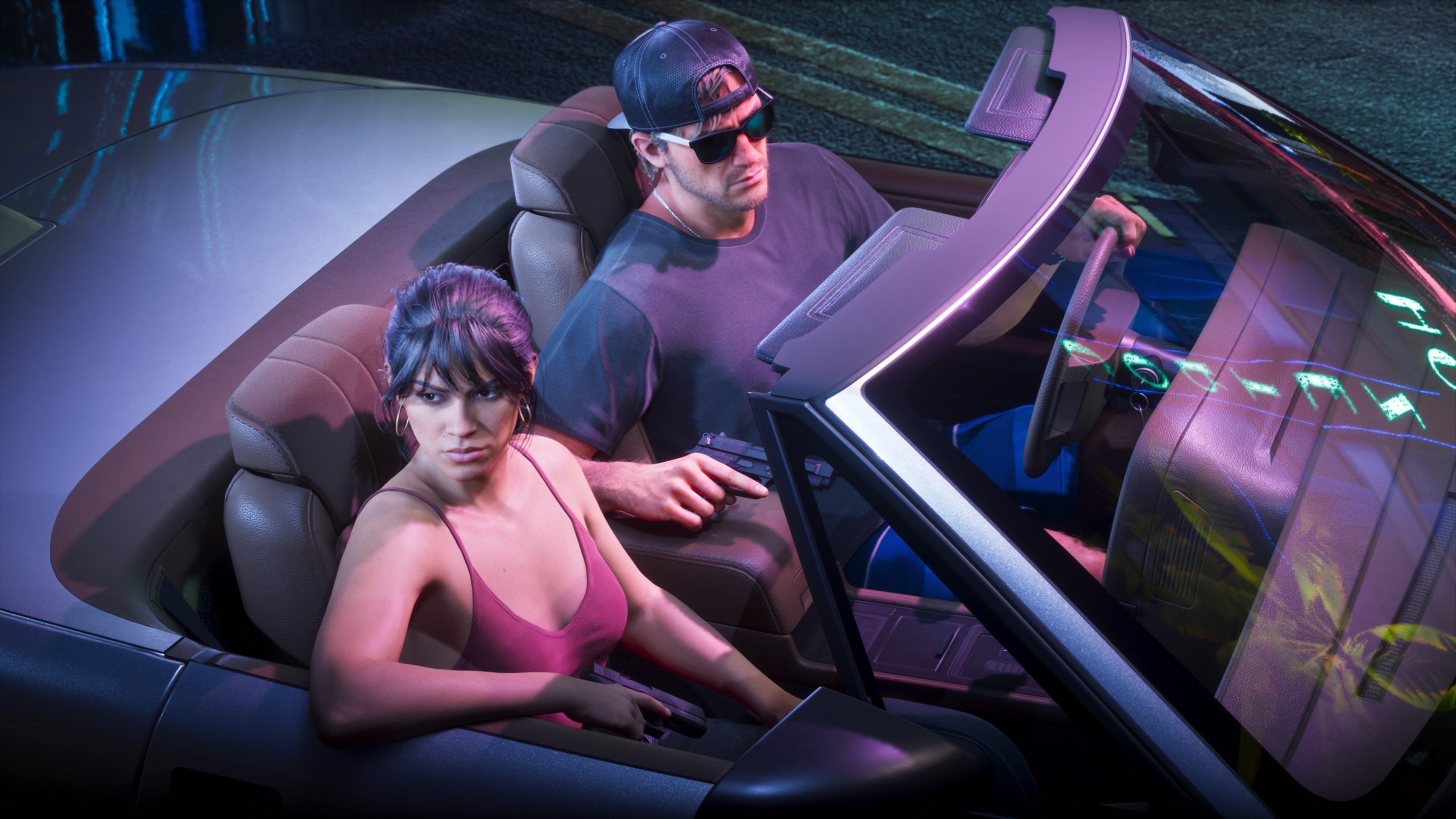
While traditional metrics of game success—such as gross revenue, concurrent player counts, and digital engagement hours—continue to shatter previous records for Rockstar Games and parent company Take-Two Interactive, the cultural footprint of GTA 6 may ultimately be measured by its psychological impact. The game has effectively raised the bar for how players interact with digital spaces, proving that when a virtual world achieves a certain threshold of realism, players naturally begin to respect its internal logic and social boundaries.
Broader Impact on Interactive Entertainment
The unexpected restraint exhibited by players in Grand Theft Auto 6 signals a maturing medium. As developers continue to push the boundaries of ray tracing, artificial intelligence, and physics simulation, the nature of open-world design will inevitably evolve. Future titles will face the challenge of balancing player freedom with the sobering weight of hyper-realistic consequence.
Ultimately, Grand Theft Auto 6 has achieved something its predecessors never quite managed: it has made the world feel alive enough that players feel compelled to obey its rules, even when no virtual police officer is watching. Whether this trend persists as players grow accustomed to the new technological baseline remains to be seen, but for now, Vice City’s streets are experiencing an unprecedented era of cautious, law-abiding navigation.