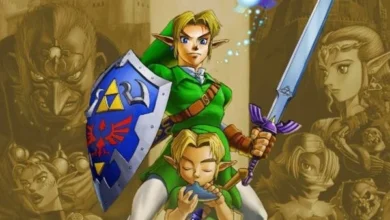
The Legend of Zelda Ocarina of Time Master Quest appears to be returning as downloadable content for the new Switch 2 remake

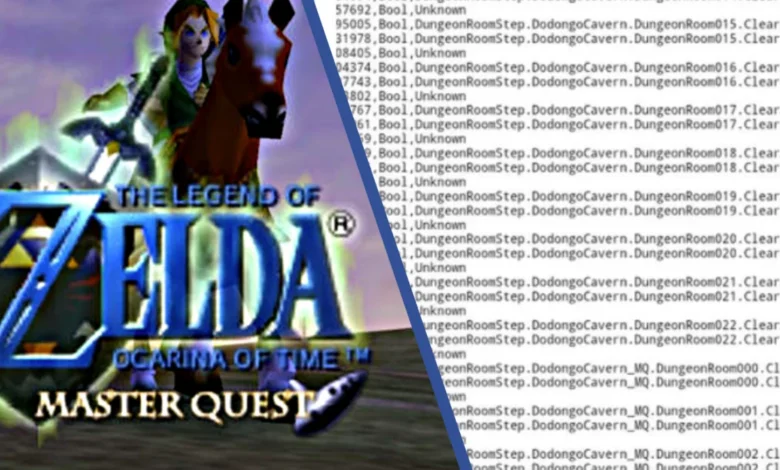
The recent launch of the highly anticipated The Legend of Zelda: Ocarina of Time remake for the Nintendo Switch 2 has been met with universal critical acclaim, yet the most intriguing developments surrounding the title are currently emerging from the digital underbelly of the game’s files. Recent findings from prominent data miners suggest that Nintendo may be preparing to reintroduce the fan-favorite "Master Quest" mode, a notoriously difficult iteration of the classic 1998 adventure, as post-launch downloadable content.
Evidence from the Source Code
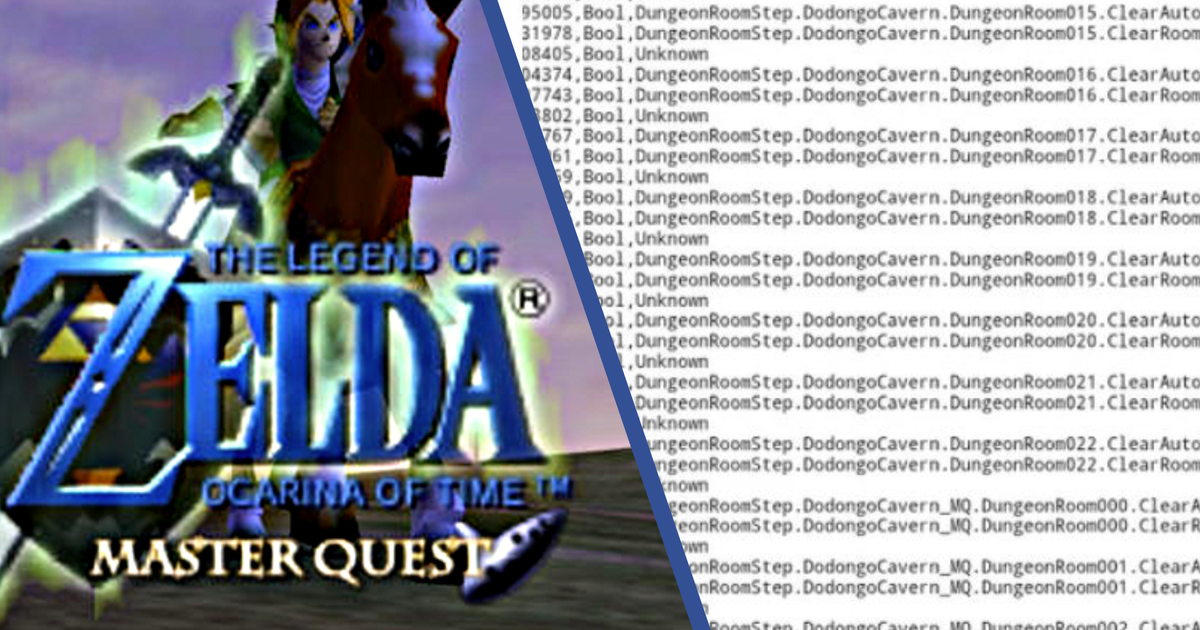
The discovery was initially brought to light by data miner MrCheeze, who shared a series of strings extracted from the game’s internal files via the social media platform Bluesky. The metadata contains specific references that strongly imply the existence of an alternative gameplay mode. Among the most notable findings are tags linking the abbreviation "MQ"—a common shorthand for Master Quest—to specific dungeon environments, including the iconic Dodongo’s Cavern.
Further investigation by the community has corroborated these initial findings. Additional code strings uncovered include explicit commands such as "HasMQ," "IsMQModeExist," "NewGameMQ," and "ReleaseMQ." These technical markers suggest that the architecture for a secondary, more challenging mode is not only present but is being treated as a distinct module within the game’s software ecosystem.
Technical Insights and Gameplay Mechanics
OatmealDome, another respected figure in the Nintendo data-mining community, expanded on the initial report by providing insight into the nature of this mode. According to their analysis, the implementation of Master Quest is likely tied to a paid DLC framework rather than a free content update. While the data remains incomplete, the technical footprint confirms that the mode will feature significant structural alterations to the game’s core experience.
Crucially, the leaked data indicates that the world will be mirrored—a hallmark of the Master Quest experience first introduced in the 2011 Nintendo 3DS version of the game. Furthermore, dungeons have been confirmed to feature modified layouts, with unusual object placement, such as cows appearing in the interior of Jabu-Jabu’s Belly, serving as a clear indicator of the revamped, puzzle-heavy design philosophy that defines the Master Quest. In previous iterations, this mode also featured enemies that dealt double damage, significantly increasing the difficulty curve for veteran players.
Chronological Context of Master Quest
To understand the significance of this discovery, one must look at the history of Master Quest within the Zelda franchise. The mode first gained notoriety as a promotional bonus disc for the Nintendo GameCube, distributed to those who pre-ordered The Legend of Zelda: The Wind Waker. It was a radical departure from the base game, stripping away the comfort of known paths and replacing them with complex, often counter-intuitive puzzles.
In 2011, Nintendo brought the mode to a wider audience through the Ocarina of Time 3D remake for the Nintendo 3DS. In that version, Master Quest was unlocked as a reward for completing the main campaign. The current findings for the Switch 2 version, however, suggest a shift in strategy. By labeling the content as "DLC," Nintendo appears to be pivoting toward a post-release monetization strategy for this legacy content, potentially separating it from the base game experience to offer it as an add-on.
Market Implications and Nintendo’s Strategy
The prospect of Master Quest arriving as DLC carries significant implications for Nintendo’s current post-launch strategy for the Switch 2. Since the launch of the Ocarina of Time remake on November 5, 2026, the game has been hailed as an "astonishing" technical achievement, setting a new benchmark for how legacy titles should be treated.
If Nintendo chooses to distribute Master Quest via a digital storefront, it marks a shift in how the company handles "hard mode" content. Historically, such modes were either included at launch or unlocked as a completionist reward. Transitioning this to a paid add-on could be interpreted as a move to extend the longevity of the game in the digital marketplace. Furthermore, it allows Nintendo to gauge player appetite for supplemental content for their marquee remakes, potentially establishing a precedent for other classic titles in the library.
The Uncertainty of Datamining
Despite the high level of detail contained within the game files, industry analysts urge caution. Datamined information is, by its nature, reflective of work-in-progress code. There is no official confirmation from Nintendo regarding the existence of this content, nor is there any guarantee that these files will result in a public release.
Files labeled as "MQ" could represent remnants of development, abandoned ideas, or a placeholder for features that were ultimately cut during the final stages of production. The label "ReleaseMQ" is particularly suggestive of a planned deployment, but until an official announcement is made, the nature of this content remains speculative. The lack of a confirmed price point or release window for the potential DLC further underscores the fact that this project, if it exists, is still in an indeterminate stage.

The Legacy of the Remake
The Switch 2 remake of Ocarina of Time has already secured its place as a critical success. By modernizing the controls, graphical fidelity, and quality-of-life features of the original, the developers have successfully introduced a generation of new players to the Hyrule of the late 90s. The potential inclusion of Master Quest would add a layer of depth that caters to the "hardcore" demographic, providing the kind of punishing, puzzle-oriented gameplay that made the original Master Quest a cult classic.
For the veteran player, the mirrored world and the reconfigured dungeons offer a sense of discovery that a standard remake cannot replicate. It turns a familiar landscape into a place of uncertainty, forcing players to rely on logic and pattern recognition rather than muscle memory. If the data is accurate, the implementation of these features in the Switch 2 version could transform the remake from a nostalgic trip into a comprehensive, multi-tiered experience.
Conclusion
As the gaming community awaits further word from Nintendo, the discovery of these files serves as a testament to the enduring appeal of Ocarina of Time. Whether Master Quest arrives as a paid expansion or remains a hidden curiosity within the game’s code, its presence indicates that Nintendo continues to view its back catalog as a fertile ground for innovation and expansion. For now, players are left to speculate on what these strings of code mean for the future of the Switch 2’s most prestigious title.
The industry remains on high alert for an official statement, as any move to monetize this content would undoubtedly spark a broader conversation about the role of DLC in the modern landscape of high-fidelity remakes. For now, the evidence is clear: the files are present, the tags are labeled, and the potential for a return to the hardest version of Hyrule has never been more tangible.