Windscribe VPN Announces Competitive Pricing Strategy with Annual Plan Discount Challenging Industry Leaders NordVPN and ExpressVPN

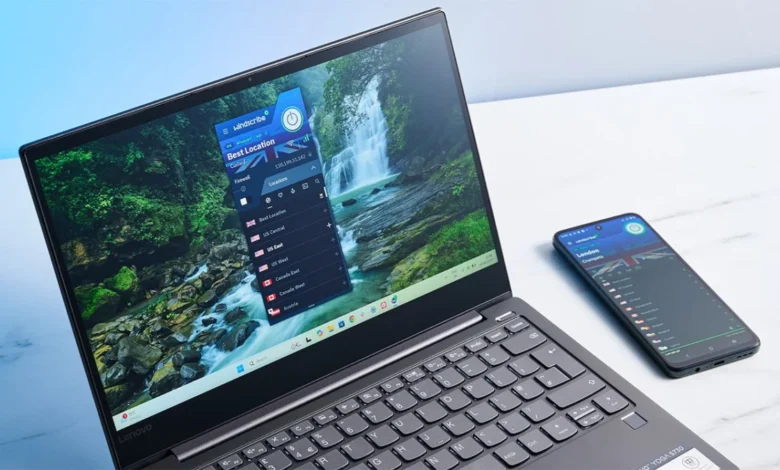
Windscribe, a prominent independent player in the virtual private network (VPN) sector, has launched a significant promotional campaign, positioning its annual subscription at a rate of $2.42 per month, totaling $29 for the initial year of service. This strategic pricing move mirrors the company’s previous Black Friday offerings and represents a direct challenge to the market dominance of larger conglomerates such as Nord Security and Kape Technologies. While the VPN industry has trended toward multi-year commitments to achieve the lowest monthly rates, Windscribe’s decision to apply this aggressive discount to a shorter one-year term signals a shift in consumer acquisition strategy, targeting users who are wary of long-term lock-in periods.
The virtual private network market, currently valued at billions of dollars globally, has seen rapid consolidation over the last five years. In this climate, independent providers like the Canada-based Windscribe must leverage both technical differentiation and price sensitivity to maintain market share. The current offer of $2.42 per month places Windscribe in a unique bracket, undercutting several "budget" competitors while offering a feature set traditionally reserved for premium-tier services.
Strategic Market Positioning and Price Comparison
To understand the impact of Windscribe’s $29 annual plan, it is necessary to examine the broader landscape of VPN pricing. The industry standard for achieving a sub-$3.00 monthly rate typically requires a two-year or even three-year commitment. For example, Surfshark, a leader in the budget-friendly segment, currently offers its services at approximately $1.78 per month, but this requires a 24-month upfront payment. Similarly, NordVPN, the current market leader in terms of user base, prices its basic plan at $3.09 per month on a two-year cycle, with prices increasing significantly upon renewal.
ExpressVPN, often cited as the gold standard for user experience and reliability, maintains a higher price point, with its most competitive deal hovering around $2.79 per month for a two-year plan. In contrast, Windscribe’s offer is notable because it provides a low entry point on a 12-month basis. This reduces the financial barrier to entry for users who may be testing the service or who do not wish to commit to a 24-month or 36-month contract.
However, industry analysts note that while the introductory price is highly competitive, users must remain vigilant regarding renewal rates. Like many of its peers, Windscribe’s promotional pricing is intended for the first billing cycle, after which the service typically reverts to standard pricing models. This "low-entry, high-retention" strategy is a cornerstone of the Software-as-a-Service (SaaS) industry but remains a point of contention for consumer advocacy groups.
A Chronology of Windscribe’s Development and Infrastructure
Windscribe’s path to its current market position has been marked by a commitment to transparency and a focus on technical "power users." Founded in 2016 and headquartered in Ontario, Canada, the company quickly distinguished itself by offering a generous free tier—often providing up to 10GB of data per month—which served as a funnel for its paid Pro subscriptions.

In 2021, the company faced a significant security challenge when two of its servers in Ukraine were seized by local authorities. The incident revealed that the servers were not encrypted, a standard that the company subsequently worked to rectify. Following this event, Windscribe underwent a major infrastructure overhaul, transitioning to a completely diskless RAM-based server network. This ensures that no data can be physically stored on a server, as all information is wiped the moment the server loses power.
In 2022 and 2023, the company focused on expanding its proprietary "R.O.B.E.R.T." system, a server-side domain-blocking tool that allows users to customize their browsing experience by blocking ads, trackers, and malicious websites at the DNS level. By 2024, Windscribe had expanded its server presence to over 60 countries and 110 cities, maintaining a mix of physical and virtual locations to optimize routing and speed.
Technical Analysis: Power User Features vs. Beginner Accessibility
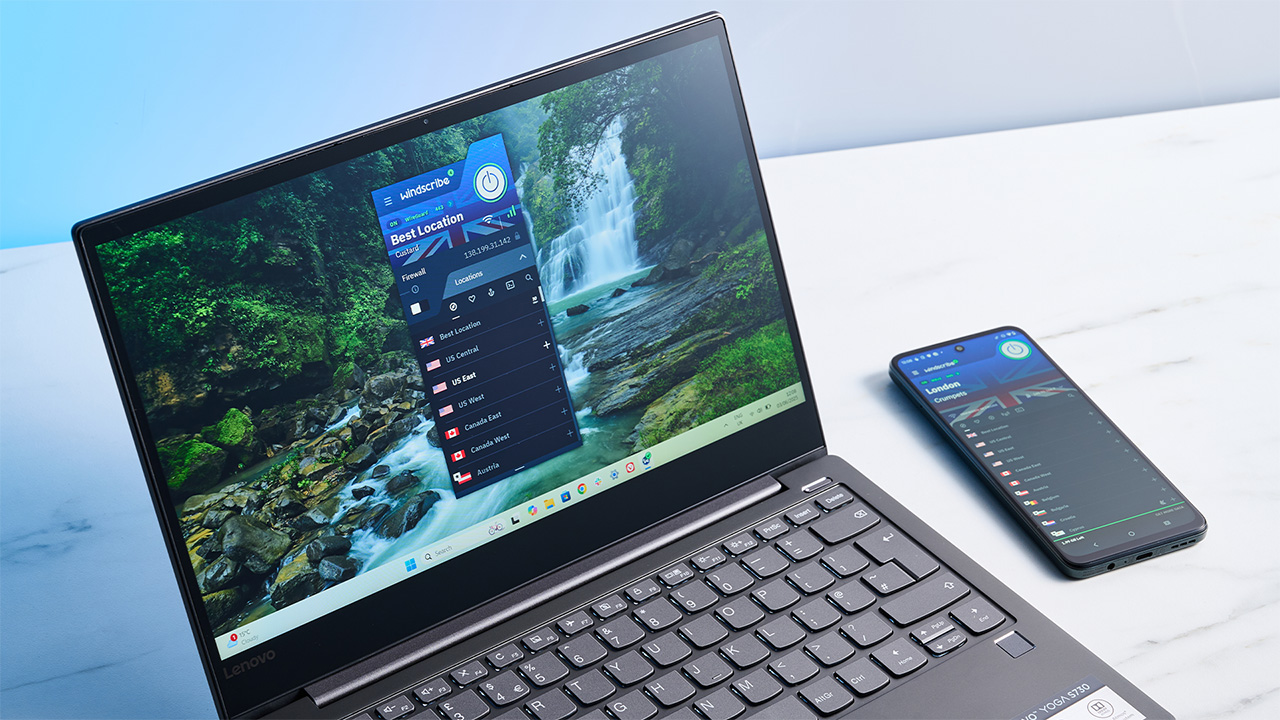
One of the primary differentiators for Windscribe is its interface and feature density. Unlike ExpressVPN, which utilizes a minimalist "one-button" design, Windscribe’s desktop and mobile applications provide granular control over connection parameters. This includes a variety of protocols such as WireGuard, OpenVPN (UDP/TCP), IKEv2, and "Stealth" or "WStunnel" for bypassing censorship in restrictive regimes like China or Iran.
The "cramped" nature of the application, as noted by some UI/UX reviewers, is a byproduct of the sheer volume of information provided to the user. Windscribe allows for easy port forwarding, static IP assignments, and a highly configurable "Firewall" (a more robust version of a traditional kill switch). For tech-savvy individuals, these features provide a level of utility that simpler apps lack. However, for the average consumer who simply wants to secure their public Wi-Fi connection, the learning curve may be steeper than that of its competitors.
The service also excels in the "streaming" category, a major driver of VPN adoption. Despite the increasing efforts of platforms like Netflix, Disney+, and Amazon Prime Video to block VPN IP addresses, Windscribe has maintained a high success rate in unblocking regional libraries. This is largely due to its rotating IP pools and dedicated "Windflix" servers, though the company has recently integrated these capabilities into its standard server list.
Supporting Data: The Value of Privacy in the Digital Age
The demand for VPN services is increasingly driven by data privacy concerns and the rise of cyber threats. According to market research, the global VPN market is expected to grow at a CAGR (Compound Annual Growth Rate) of 15.3% through 2030. Supporting data suggests that:
- Privacy Concerns: Approximately 40% of VPN users cite "security" as their primary motivation, followed by "anonymity" (33%) and "accessing better entertainment content" (27%).
- Remote Work: The shift toward hybrid work models has increased the necessity for encrypted tunnels to protect corporate data on domestic networks.
- Regional Censorship: In countries with restricted internet access, VPN usage spikes significantly during periods of social unrest or political elections.
Windscribe’s $29 annual deal aligns with these trends by making high-level encryption accessible to a broader demographic. By offering a price point that rivals a single meal at a restaurant for a full year of protection, the company is positioning itself as a utility rather than a luxury.
Official Responses and Industry Implications
While Windscribe has not issued a formal press release for this specific "inbox deal," the company’s social media presence and community engagement on platforms like Reddit suggest a focus on grassroots growth. The company’s philosophy, often communicated by its founder and developers, emphasizes a "no-bullshit" approach to privacy, often utilizing humor and blunt language to critique the marketing claims of its larger rivals.
Industry experts suggest that this pricing move may force other independent providers to reconsider their annual rates. If a top-tier service like Windscribe can sustain operations at $2.42 per month for annual plans, the pressure on other mid-sized providers to lower their prices will intensify.
However, there are broader implications for the industry. Some analysts warn that a "race to the bottom" in pricing could eventually impact the quality of infrastructure or the frequency of security audits. VPN providers require significant capital to maintain high-speed servers and develop software for multiple platforms (Windows, macOS, iOS, Android, Linux, and browser extensions). Windscribe has countered this concern by maintaining a lean corporate structure and avoiding the massive advertising budgets utilized by competitors like NordVPN, which spends heavily on YouTube sponsorships and television commercials.
Broader Impact and Future Outlook
As we move further into 2024, the role of the VPN is evolving from a niche tool for privacy enthusiasts to an essential component of the digital toolkit. Windscribe’s latest deal reflects the maturation of the market, where price, transparency, and technical capability must all align to attract and retain users.
The implications of this deal extend beyond the individual consumer. It highlights the continued viability of independent software companies in an era of corporate consolidation. By offering a product that caters to both the budget-conscious user and the technical professional, Windscribe is carving out a sustainable niche.
For the consumer, the current market conditions are favorable. With high-quality encryption available for less than $30 a year, the barrier to protecting one’s digital footprint has never been lower. As digital surveillance—both corporate and governmental—continues to expand, the availability of affordable, high-performance privacy tools remains a critical component of a free and open internet.
Looking ahead, the VPN industry is likely to see further integration with other security tools, such as password managers and cloud storage. Windscribe’s R.O.B.E.R.T. system is an early example of this "all-in-one" security approach. Whether Windscribe will maintain its independent status or eventually be absorbed by a larger entity remains to be seen, but for now, its aggressive pricing strategy ensures it remains a central figure in the ongoing conversation regarding online privacy and consumer choice.