So long, and thanks for all the insights: IoT journalist Stacey Higginbotham signs off after two decades covering the smart revolution

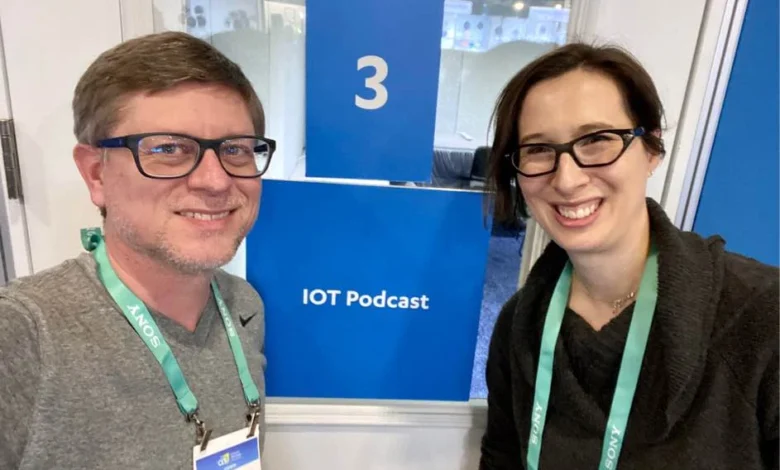
The landscape of technology journalism underwent a significant shift on Friday, August 18, 2023, as prominent Internet of Things (IoT) analyst and journalist Stacey Higginbotham published her final weekly newsletter, officially ending an era of independent digital infrastructure commentary. After more than twenty years of tracking the intersection of computing, policy, and everyday life, Higginbotham announced her departure from the weekly beat that cemented her reputation as one of the foremost authorities on the connected world. While the closure of her dedicated newsletter and the concurrent winding down of her weekly podcast mark the end of a daily reporting chapter, the transition opens a new avenue focused on consumer advocacy, privacy, and cybersecurity standards.
The Evolution of Independent Tech Journalism
Higginbotham’s career trajectory mirrors the broader digital transformation of media over the past two decades. Prior to launching her independent venture in 2016, she served as a senior editor at Fortune, where she chronicled the rapid ascent of enterprise technology and consumer hardware. Leaving a prestigious, established publication to launch an independent subscription-based enterprise was viewed by industry peers as a high-stakes gamble. At the time, the independent creator economy was still maturing, and the viability of niche, deeply technical reporting funded directly by readers and targeted sponsorships remained unproven.
Yet, the timing coincided precisely with the proliferation of smart home devices, connected industrial sensors, and the widespread integration of computing into physical infrastructure. Thousands of subscribers and major industry sponsors rallied around her independent model, validating a demand for rigorous, uncompromised analysis of how ubiquitous computing alters society. Over the next seven years, her platform evolved into a vital nexus for engineers, policymakers, startups, and consumers navigating the complexities of an increasingly wired environment.
A Retrospective Chronology of the IoT Boom
To understand the weight of Higginbotham’s departure, it is necessary to examine the timeline of the IoT sector she so closely documented:
- 2012–2014: The Nascent Smart Home. Early connected devices—such as internet-enabled thermostats, connected lighting systems, and primitive home security hubs—entered the mainstream consumer market. Privacy advocates began sounding alarms regarding continuous data collection inside domestic spaces.
- 2015–2017: The Proliferation Phase. Smart assistants (Amazon Alexa, Google Assistant) became ubiquitous anchors in millions of households. Enterprises rushed to implement industrial IoT (IIoT) sensors to optimize supply chains and manufacturing throughput.
- 2018–2020: Regulatory Reckoning and Business Model Shifts. As markets matured, companies transitioned from upfront hardware sales to recurring subscription models. Incidents of corporate data harvesting, insecure device architecture, and high-profile platform shutdowns exposed vulnerabilities in consumer trust.
- 2021–2023: Workplace Surveillance and ESG Realities. Connected technologies increasingly crossed the boundary from convenience to control, manifesting in aggressive employee-monitoring software and corporate greenwashing under the guise of ESG (Environmental, Social, and Governance) efficiency initiatives.
Data and Industry Trends Shaping the Connected Economy
The economic and structural pressures facing the IoT sector over the past decade provide critical context for Higginbotham’s decision to step back. According to market research from organizations such as IoT Analytics, the global number of active IoT connections surpassed 14 billion by late 2023, growing at a compound annual growth rate exceeding 15%. However, this explosive growth brought systemic challenges that heavily burdened analysts and consumers alike.
Data security vulnerabilities remained a persistent systemic risk. Federal agencies, including the National Institute of Standards and Technology (NIST) and the Federal Trade Commission (FTC), repeatedly warned that millions of consumer IoT devices shipped with default credentials, inadequate encryption, and non-existent update pathways. Concurrently, the monetization strategies of connected device manufacturers shifted heavily toward data monetization and mandatory subscription tiers for basic hardware functionalities—a trend that frequently alienated consumers and drew regulatory scrutiny.
Outside the domestic sphere, workplace monitoring technologies expanded unchecked. Employers deployed biometric trackers, keystroke loggers, and location-aware badges to measure productivity down to the microsecond, prioritizing short-term output optimization over worker welfare. While corporations increasingly highlighted ESG investments—deploying smart sensors to reduce carbon footprints and optimize energy consumption—industry critics frequently categorized these deployments as superficial fixes that failed to address root environmental systemic issues.
Burnout and the Toll of Continuous Tech Reporting
The relentless pace of daily tech journalism exacts a heavy toll on reporters who track the industry’s ethical and societal dimensions. Higginbotham cited chronic burnout and a growing sense of cynicism toward the startup ecosystem as primary factors in her decision to step back. After more than twenty years of reacting to daily product launches, funding rounds, and regulatory failures, the capacity to unearth genuine ingenuity became overshadowed by repetitive cycles of hype and disappointment.
Media studies focusing on technology journalists highlight a pervasive phenomenon known as "innovation fatigue." Reporters covering emerging tech are frequently subjected to an endless stream of venture-backed pitches that promise utopian solutions while occasionally exacerbating societal inequities, privacy erosions, and labor exploitation. For analytical journalists committed to scrutinizing these impacts, maintaining enthusiasm in the face of persistent corporate malfeasance and security negligence requires immense emotional and intellectual labor.
Future Endeavors: Consumer Protection and Cybersecurity
Despite stepping away from the daily news cycle, Higginbotham is not entirely disconnecting from the technology sphere. Her immediate future involves a strategic pivot toward structural reform and consumer advocacy. She has taken on a consulting role with the Consumer Reports Innovation Lab, where her work will center squarely on the cybersecurity and privacy vulnerabilities inherent in connected devices.
The Consumer Reports Innovation Lab operates as a research and testing hub dedicated to evaluating how emerging technologies impact consumer rights, data safety, and digital autonomy. By collaborating with engineers, policy experts, and consumer advocates, Higginbotham aims to shift her focus from passive observation to active intervention—working to establish baseline security standards that protect users from corporate overreach and malicious cyber threats.
Broader Implications for the Tech Media Ecosystem
The conclusion of Higginbotham’s weekly newsletter underscores a broader transition within the technology media ecosystem. As independent creators face mounting economic pressures, platform shifts, and personal burnout, the community of specialized, deeply technical analysts is contracting.
The loss of veteran voices who possess institutional memory of the early smart device era leaves a void in critical accountability journalism. Without independent watchdogs scrutinizing the fine print of connected device terms of service, corporate data collection policies, and insecure hardware architectures, consumers and policymakers face greater challenges in holding the technology sector accountable.
Nevertheless, Higginbotham’s transition to the Consumer Reports Innovation Lab signals a pragmatic path forward. By aligning her expertise with institutional advocacy groups, she positions herself to influence regulatory frameworks and product standards from the inside. For the loyal readership that followed her work from Fortune through her independent venture, her ongoing engagement on alternative platforms like Bluesky and her future contributions to consumer advocacy initiatives ensure that her critical perspective on the connected world will continue to resonate across the industry.
Related posts: