Valve updates Steam Machine availability as supply chain constraints persist and potential price adjustments loom

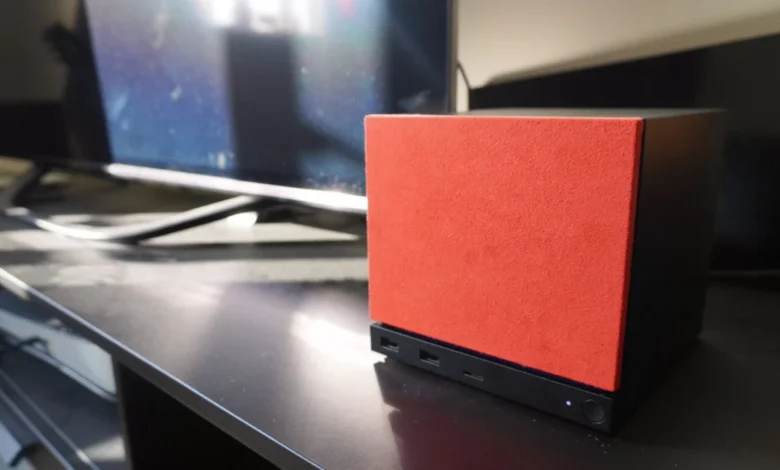
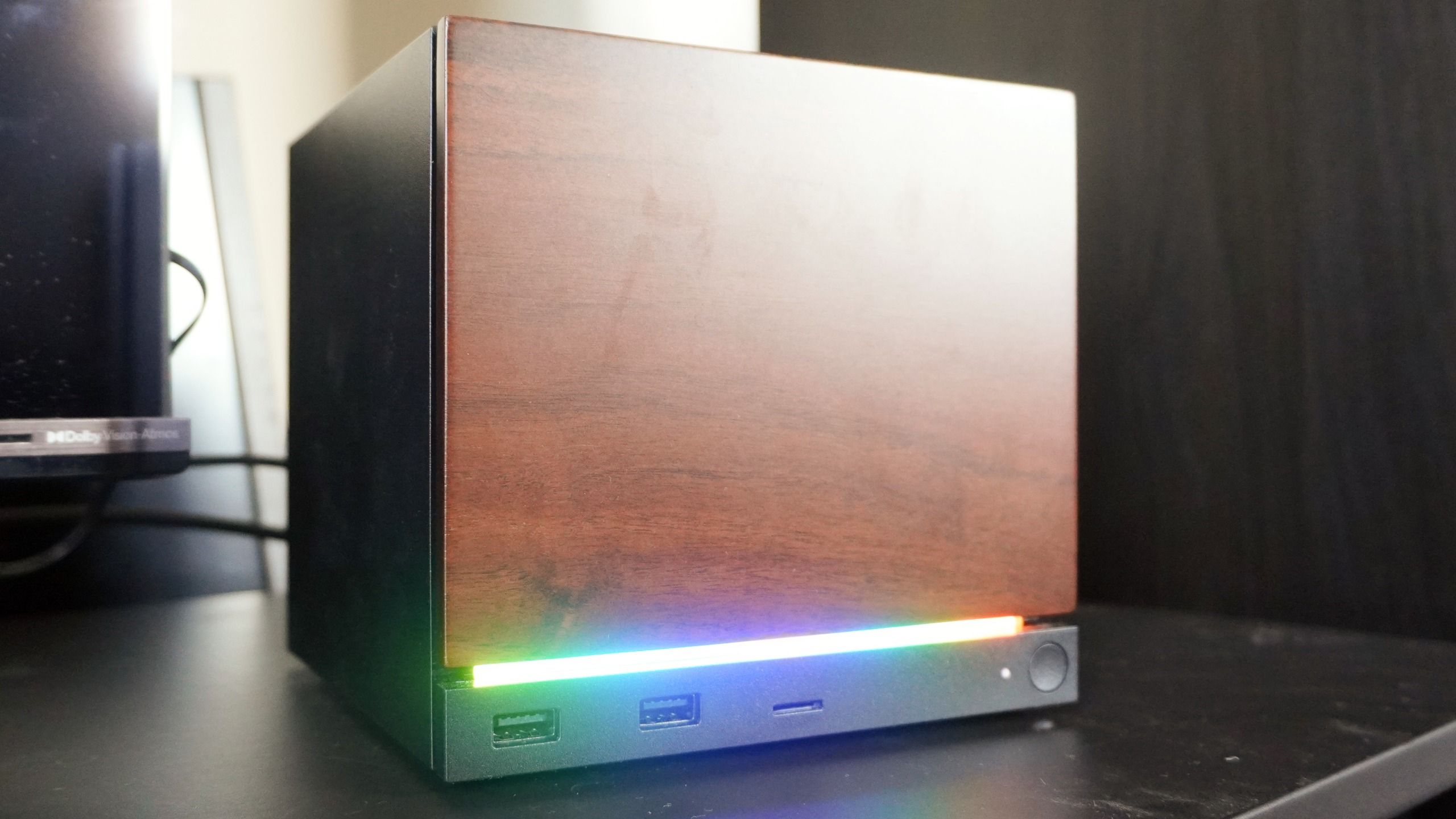
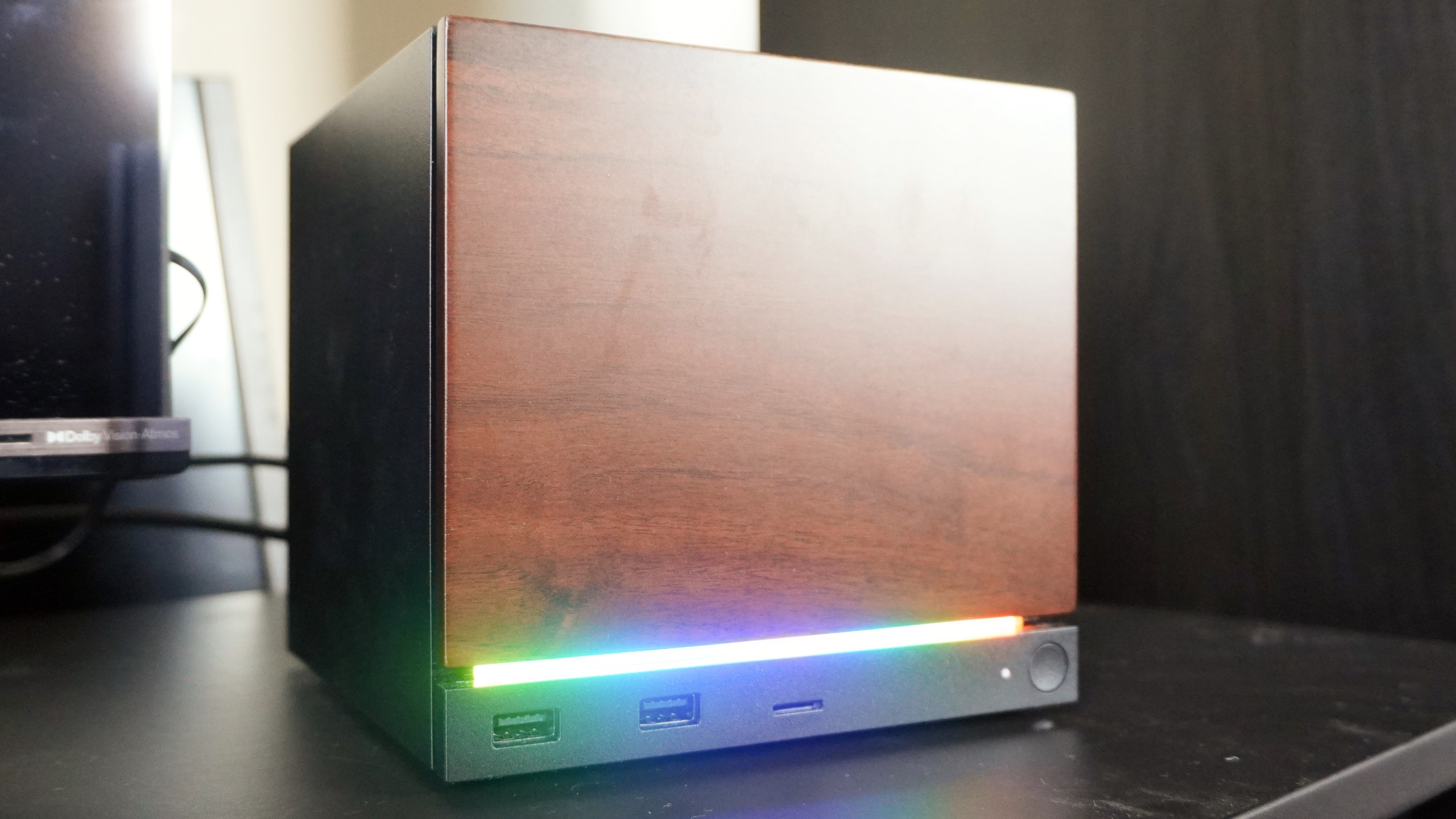
Valve has officially reached a critical juncture in the distribution of its Steam Machine hardware, confirming that it has successfully cleared its primary waitlist for the 512GB model while signaling significant challenges ahead for the 2TB variant. In a recent announcement, the company confirmed that all remaining reservations for the entry-level 512GB model have been addressed, effectively moving the device into a limited retail phase where units will be available until current stocks are exhausted. Conversely, the 2TB model remains heavily backordered, with demand significantly outpacing the current manufacturing capacity. This update, while offering a semblance of progress for prospective buyers, underscores the broader, systemic issues currently plaguing the global semiconductor and hardware components market.
Chronology of the Hardware Rollout
The trajectory of the Steam Machine’s release has been characterized by a cautious, phased approach designed to mitigate the risks associated with high-demand hardware launches in an era of global supply chain instability. Following the initial announcement of the device, Valve implemented a reservation system to manage expectations and prevent the chaos often associated with "bot-heavy" retail launches.
Throughout the year, the company systematically worked through these reservation tiers. The clearing of the 512GB waitlist marks the conclusion of the first major phase of this strategy. However, the 2TB variant has presented a more complex logistical challenge. Because memory and high-capacity storage modules are at the heart of the current supply crunch—a phenomenon industry analysts have dubbed "RAMageddon"—the production of the higher-tier model has been far more erratic. Valve confirmed that it has finished sending invitations to the remaining 2TB reservation holders, but it explicitly cautioned that fulfilling these orders will be a protracted process due to the scarcity of required components.
The Impact of Global Component Scarcity
The semiconductor industry has faced unprecedented pressure since 2020, driven by a confluence of pandemic-related manufacturing halts, geopolitical tensions, and an exponential increase in demand for consumer electronics. These external market forces have directly influenced Valve’s ability to scale its hardware production.
The company has maintained a transparent, albeit cautionary, communication strategy regarding these constraints. In its latest update, Valve noted, "Even when we are able to build more, it will be at smaller quantities than we planned." This admission highlights that the current shortage is not merely a temporary bottleneck but a structural limitation that prevents the company from meeting its original production targets. The decision to close new signups for the waitlist is a direct reaction to this uncertainty; by halting new requests, Valve aims to avoid over-promising to customers while it struggles to secure the necessary components to fulfill the existing backlog.
Current Market Standing and Pricing Implications
Currently, the Steam Machine enters the market at a premium price point, with the 512GB model retailing for $1,049 and the 2TB model for $1,349. These figures were established during a period of rising costs, and industry observers have noted that these prices are already elevated compared to Valve’s initial internal projections.
The looming question for consumers and market analysts alike is the inevitability of a price hike. Valve’s recent documentation emphasizes that "memory and storage costs continue to increase at unprecedented levels." When a manufacturer explicitly mentions rising costs alongside a warning about production constraints, it is a standard precursor to price adjustments. By stating that the company does not yet know the final manufacturing volume or the ultimate price at which they can offer the units, Valve has effectively put the market on notice that the $1,049 and $1,349 price points may not be sustainable in the first quarter of the coming year.
Technical Workarounds and Consumer Adaptation
Despite the supply-side challenges, the Steam Machine has garnered a dedicated following, largely due to its open-architecture philosophy. In September, early adopters discovered that the storage limitations of the 512GB model could be circumvented through user-led modifications. By utilizing specific storage expansion "hacks" or hardware swaps, power users have found ways to increase their internal capacity without needing to secure the rarer 2TB model.
This behavior highlights a key differentiator for Valve: the Steam Machine is viewed by many as a PC-hybrid device rather than a closed-ecosystem console. This flexibility has allowed the community to bridge some of the gaps created by the supply chain issues. For the average consumer, however, the reliance on third-party modifications is not a substitute for robust supply chain management. Valve’s recognition of these community-led solutions serves as an acknowledgment that the hardware ecosystem is evolving faster than the traditional manufacturing cycle can support.
Strategic Outlook and Future Communications
As the industry looks toward the next quarter, the focus shifts to Valve’s upcoming briefing, scheduled for January. This announcement is expected to clarify two critical pillars of the device’s future: long-term availability and potential pricing restructuring.
The 2TB model, which has been the most difficult to produce, will remain the primary focus of the company’s supply chain efforts. If the current trend of rising memory costs persists, it is highly probable that the cost-to-consumer will reflect these market realities. Analysts suggest that Valve may be forced to either absorb the cost—thereby reducing margins—or pass the increase to the consumer to ensure the continued viability of the product line.

Broader Implications for the Gaming Industry
The situation with the Steam Machine serves as a microcosm for the broader gaming and consumer electronics industry. The transition from a period of relative supply abundance to a state of persistent, high-cost component acquisition has forced companies like Valve to abandon traditional, volume-based retail models in favor of reservation systems and limited-batch manufacturing.
This shift has significant implications for how hardware companies will approach product launches in the future. The era of "unlimited supply" for enthusiast-grade hardware appears to be in flux. Companies that prioritize transparency—like Valve’s approach of communicating specific supply chain hurdles—are finding that consumers are more willing to wait, provided they are kept informed of the realities of the market. However, as the patience of the consumer base is tested by both price volatility and inventory scarcity, the burden remains on the manufacturer to maintain value propositions that justify the premium cost.
In summary, the Steam Machine’s current status is a reflection of a volatile global market. While the 512GB units represent a temporary window of availability, the uncertainty surrounding the 2TB model and the looming potential for price adjustments indicate that the market for high-end gaming hardware remains fragile. Consumers awaiting updates should anticipate a pivot in strategy from Valve in January, as the company navigates the dual pressures of satisfying its loyal user base and contending with the realities of an increasingly expensive and constrained hardware supply chain. The coming months will be decisive in determining whether the Steam Machine can maintain its momentum or if it will be forced to retreat further into a niche, high-cost category due to these persistent macroeconomic headwinds.