Warhorse Studios hit by serious cyberattack as developers work to determine the full extent of the security breach


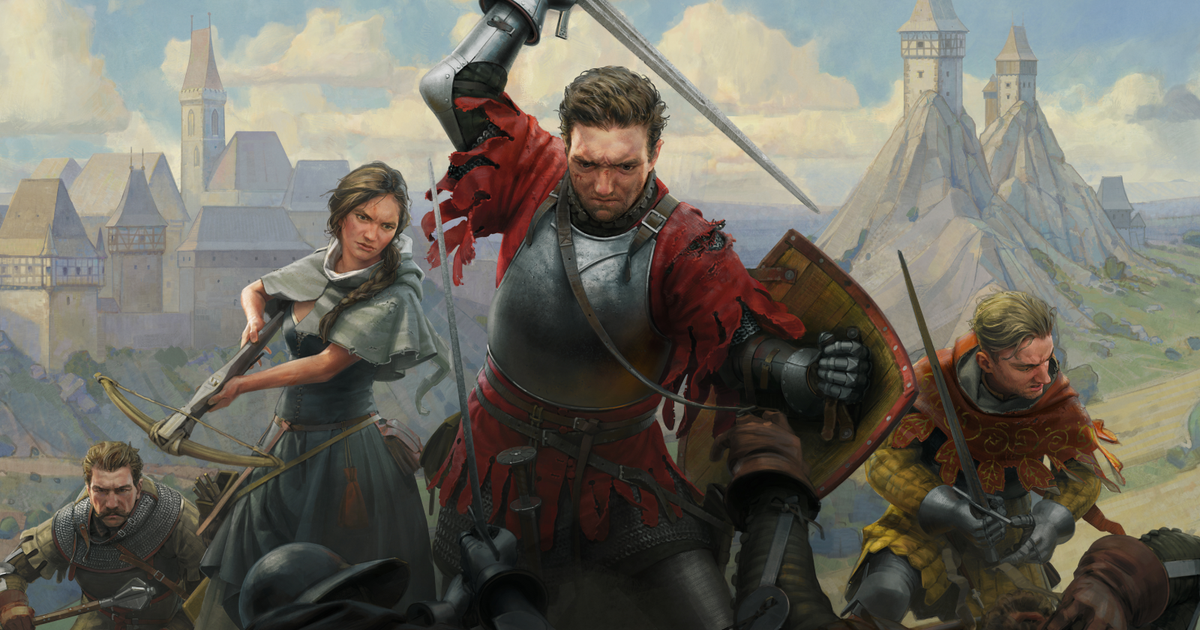
Warhorse Studios, the Czech developer acclaimed for its realistic historical role-playing game Kingdom Come: Deliverance, has confirmed that it has fallen victim to a significant cyberattack. The studio, a subsidiary of Plaion, issued an official statement alerting its player base and industry partners to the incident, noting that it is currently engaged in an intensive effort to secure its internal infrastructure and assess the scope of the unauthorized access. The breach represents a major disruption for the studio, which is currently in the midst of several high-profile projects, including the highly anticipated sequel Kingdom Come: Deliverance 2.
Chronology and Initial Response
The incident came to light when the studio published a public advisory at 11:00 AM GMT, acknowledging the intrusion. While the exact timeline of when the breach initially occurred remains under internal investigation, the swiftness of the studio’s public acknowledgment suggests a coordinated response involving both internal IT security teams and external cybersecurity specialists.
Following the initial announcement, Martin Frývaldský, the CEO of Warhorse Studios, provided further context through Czech media outlets. Frývaldský characterized the situation as a "serious incident," emphasizing that the primary objective is the mitigation of risks to the studio’s employees, partners, and the broader gaming community. The studio has confirmed it is dedicating all necessary resources—financial, technical, and human—to rectify the security failure. As of the most recent update, the studio continues to work alongside forensics experts to establish the nature of the data accessed during the unauthorized intrusion.
The Landscape of Gaming Industry Cyberattacks
The attack on Warhorse Studios is not an isolated event but rather the latest in a troubling trend of cybersecurity threats targeting the global video game industry. In recent years, major publishers and independent developers alike have been subjected to ransomware attacks, data exfiltration, and large-scale phishing campaigns.
The gaming sector has become a high-value target for cybercriminals due to the combination of proprietary intellectual property (IP), massive databases of user financial information, and the high-stakes nature of game development schedules. When a studio is breached, the primary risks usually involve the leaking of sensitive internal documents, the exposure of employee personal information, and the theft of unreleased source code or narrative assets.
For a studio like Warhorse, which maintains a dedicated and passionate community, the protection of user data is paramount. While there has been no immediate confirmation that player account data was compromised, the uncertainty surrounding such incidents often leads to a period of heightened caution among the player base.
Strategic Implications for Warhorse Studios
The timing of this cyberattack is particularly sensitive for the studio. Warhorse Studios is currently navigating a period of intense creative output. Beyond the ongoing support for its existing library, the studio has confirmed it is actively developing at least two major projects.
The first is the next installment in the Kingdom Come franchise—a project that has generated significant anticipation following the success of the original 2018 title. The second is a high-profile, open-world RPG set in the universe of J.R.R. Tolkien’s The Lord of the Rings. Additionally, the studio has been working on a film adaptation of its flagship franchise. These projects represent years of intellectual property development and financial investment.
A security breach of this magnitude can lead to significant operational delays. If proprietary source code or narrative scripts are compromised, the studio may be forced to divert resources from development toward forensic remediation and systemic security hardening. Furthermore, the threat of "leaks"—where unfinished game assets are distributed online—can negatively impact the marketing cycle and the long-term commercial strategy of upcoming titles.

Security and Data Privacy Analysis
From an industry perspective, the Warhorse incident highlights the ongoing challenges of securing decentralized or hybrid remote-work environments, which have become the industry standard following the pandemic. Cyberattackers often exploit vulnerabilities in VPN configurations, unsecured remote access points, or human error through sophisticated social engineering.
While Warhorse has not disclosed the specific nature of the attack—whether it was a ransomware deployment, a data breach, or a service disruption—the involvement of "cybersecurity specialists" suggests that the studio is treating the event as a complex forensic challenge. The process of determining the "full extent" of a breach typically involves:
- Containment: Isolating affected servers and workstations to prevent the lateral movement of unauthorized actors within the network.
- Forensic Analysis: Examining server logs, traffic patterns, and access credentials to identify the point of entry and the duration of the unauthorized presence.
- Remediation: Patching vulnerabilities, resetting credentials across the organization, and deploying enhanced monitoring solutions to detect further malicious activity.
- Notification: Assessing the impact on third parties (partners, employees, and customers) and complying with legal requirements regarding data privacy, such as the EU’s General Data Protection Regulation (GDPR), which imposes strict obligations on companies to report personal data breaches.
The Broader Impact on the Gaming Community
For the players, the most immediate concern is the safety of their accounts and personal data. Historically, game studio breaches have sometimes led to the exposure of email addresses, hashed passwords, and, in severe cases, payment information. While Warhorse has not signaled a widespread consumer data breach, the studio’s transparency is critical in maintaining the trust of its community.
The gaming community has shown a mixed reaction, with many fans expressing concern for the developers’ well-being while acknowledging the technical difficulties inherent in modern software development. The incident serves as a reminder of the fragility of the digital ecosystem surrounding modern entertainment. As games move toward "live-service" models and deeper online integration, the surface area for potential attacks continues to expand.
Looking Ahead
As Warhorse Studios continues its investigation, the industry will be watching closely. The studio’s ability to communicate clearly and recover quickly will be a litmus test for its resilience. In an era where intellectual property is the lifeblood of the gaming sector, the protection of that property is just as vital as the creative process itself.

The studio has requested patience from its audience as it works through the current crisis. For now, the focus remains on stabilization. Whether this event will lead to a shift in the studio’s development roadmap or a delay in the release of its upcoming projects remains to be seen. However, one thing is clear: the digital walls surrounding our favorite virtual worlds are increasingly under siege, and the cost of maintaining their integrity is rising.
Warhorse Studios has promised further updates as they become available. Until then, the studio is effectively in a state of high-alert, prioritizing the security of its infrastructure over all other operational tasks. For the millions of fans of the Kingdom Come series, the hope is that the damage is limited and that the studio can resume its work on the next chapter of its medieval saga without further interruption. The incident stands as a sober reminder of the persistent and evolving threats facing the creative arts in the digital age.